 Orvus
OrvusWhat is SEO digital marketing? The Guide to Growth
November 25, 2025
What is SEO digital marketing? A clear, practical explanation
SEO digital marketing is the craft of making a brand's online presence easy to find and genuinely useful to people who are already searching. Put simply, it combines technical setup, intent-driven content, link signals and measurement into a single effort that grows traffic and - when tied to revenue - moves the business forward. Think of it as soil, seeds and watering: the technical work is the soil and irrigation, content is the seed, and measurement tells you where to water more.
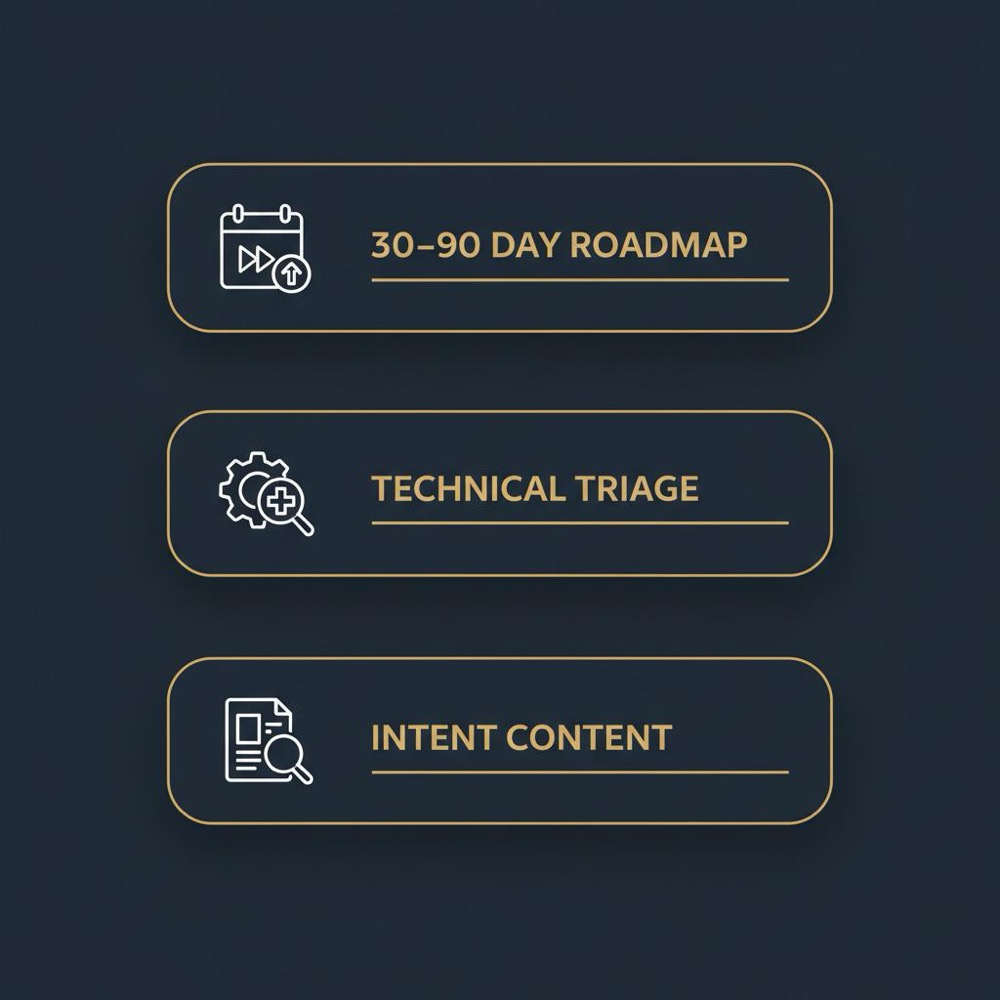
Across this article you'll get pragmatic steps you can use this week, a 30-90 day roadmap, and concrete tips for measurement and experimentation. We keep examples simple and human - no jargon-first explanations. If you want to skip to the hands-on parts, jump to the 30-90 day roadmap or the technical checklist below.
Note: the aim here is not theory; it’s a practical playbook you can start using today.

Why SEO digital marketing still matters (and when it doesn’t)
Organic search remains a primary acquisition channel for many businesses in 2024-2025. For e-commerce and publishing sites it often supplies a large share of visits and conversions. For B2B software with heavy sales outreach, organic search is sometimes smaller but still sits at the top of the funnel - helping discovery and qualification. The main point: search tends to give higher returns when you tie its impact to revenue rather than to raw traffic.
Organic traffic is not a faucet you turn on and off. It is a slow-building channel that rewards consistent work tied to user intent and honest measurement. Quick wins exist - a server fix or an indexing correction can produce visible lifts in days - but long-term gains come from compounding content and systems.
The three linked layers you must master
Successful modern SEO stands on three linked layers: technical foundation, content that maps to intent and reliable measurement. Ignore any one of these and the whole engine loses power.
Technical foundation: the soil and irrigation
Technical work covers indexability, page experience and site architecture. If search engines can’t crawl or render your pages, or if pages feel slow and janky to users, your rankings and conversions suffer. In 2024-2025, Core Web Vitals (loading speed, interactivity, visual stability) are visible signals that matter - but they’re also opportunities for quick wins. Often a CDN, image audit or a few engineering tweaks improve scores and real user experience (see Core Web Vitals guide).
Technical checklist highlights:
- Ensure correct robots rules and a clean sitemap.
- Fix indexability problems in Search Console.
- Address the worst Core Web Vitals issues first (LCP, FID/INP, CLS).
- Use consistent canonical tags and clean URL structure.
- Adopt server-side rendering or smart hydration where needed for complex JS sites.
These steps reduce friction for humans and search bots alike - and they often deliver measurable results faster than any content project.
Content that maps to intent: planting seeds in the right beds
On a technically sound site, content does the heavy lifting. But not all content is equal. The highest returns come from systems that plan content against what real people search for at each stage of a journey. That means creating pages for awareness, consideration and decision - and grouping them into funnels that guide a user from question to conversion.
On-page SEO still matters: titles, headings, meta descriptions and structured markup should mirror user intent and help search engines understand the content. But quality now includes demonstrating experience and trust: author bios, case snippets, and clear sourcing matter more than ever.
How to plan content by intent
Start with a small set of clusters:
- An informational cluster (long-tail queries, knowledge-building).
- A comparison or consideration cluster (buyers comparing options).
- A conversion cluster (product pages, demo requests, pricing).
Each cluster should include internal linking to guide users along a funnel. Avoid chasing volume over value: a high-traffic page that never converts can be worse than a smaller stream of high-intent visitors.
Measurement: the gardener’s meter
Measurement ties everything together. In practice that means GA4, Google Search Console and a wired event layer (see SEO analytics in 2025). With these tools connected you can trace queries to landing pages and then to revenue. That makes search an investable channel you can test, refine and scale.
Quick measurement checklist:
- Install GA4 and link it to Search Console.
- Create a tidy event taxonomy for sign-ups, demos, purchases and micro-conversions.
- Use server-side events where possible to capture accurate conversion signals.
- Track assisted conversions and downstream CRM events to value organic visibility beyond direct clicks.
How search amplifies other channels
Search doesn’t win alone. It works best when aligned with PPC, social and email. That alignment is less about copying messages across channels and more about sharing intent and measurement. For example, paid search testing can reveal which headlines resonate for organic landing pages; social can amplify educational content; email can bring users back to already-optimized pages. When channels share landing pages and keywords, teams learn faster and spend less time guessing.
If your team needs discreet, practical help wiring measurement or fixing technical blockers, consider a short, targeted review from Orvus Ltd. - a focused, pragmatic partner that helps teams tidy architecture and measure search impact without imposing templates. Learn more at Orvus’s services if you want a compact diagnostic and action plan.
Trends shaping SEO in 2024-2025
Three trends have moved into the mainstream:
- Page experience matters more: fast, stable pages improve both user engagement and search signals.
- GA4 adoption: event-based attribution changes how conversions are modelled; teams must map old goals to new events.
- E‑E‑A‑T and trust signals: experience and authoritativeness matter. AI alone won’t win; human context, sourcing and author presence do.
Teams that treat these as operational problems - small engineering fixes, clear event maps, and editorial rules for AI drafts - will have an advantage.
Practical rules for AI-assisted content
Use AI as a drafting tool, not the final author. Put processes in place:
- Every AI draft needs a named reviewer with subject expertise.
- Primary claims must be sourced or linked to original data.
- Include brief author bios or case references where relevant to show experience.
Practical plan for beginners: keep it iterative
If you’re starting with little to show, follow a simple iterative approach: unblock indexability, pick a handful of keyword opportunities, set up measurement, then test and improve. That sequence reduces wasted effort and speeds learning.
30-90 day roadmap
Here’s a concrete roadmap you can follow. See more resources on our blog.
Day 0-30: Technical triage
Focus on immediate blockers: fix sitemap and robots errors, resolve glaring Core Web Vitals failures, and correct canonical tags. These are the foundational soil and will often yield the first visible wins.
Day 30-60: Content focused on intent
Build or refine the core content pieces for your chosen keyword clusters. Write short series of pages that move a user from awareness to decision. Keep copy clear, human and scannable. Add schema where it helps and thoughtful internal links to funnel users.
Day 60-90: Measurement and experiments
Wire up event tracking and run the first A/B tests: headline tests, button copy, or adding trust signals like a short case study. Let tests run long enough to capture meaningful behavior. SEO experiments move slower than paid ads, but they compound.
Yes - SEO is like gardening in that it combines quick technical fixes (soil prep), deliberate content planning (planting the right seeds) and ongoing measurement (watering where it matters). Consistent care and small wins compound over time, while one-off fixes rarely produce long-term growth.
Yes - and the gardening comparison helps because both involve slow, steady care and a mix of quick wins and long-term bets. You can fix the soil quickly, plant the right seeds, and then measure where to water. But if you expect a single fertilizer to fix everything, you’ll be disappointed. The best results come from consistent care and attention.
Common mistakes teams make
Many teams fall into a few traps:
- Treating SEO as a list of disconnected tasks rather than a system.
- Chasing traffic volume instead of high-intent visitors.
- Over-relying on automated content without human review.
- Underinvesting in measurement - leaving GA4 and Search Console unlinked or incomplete.
Avoid these and you’ll save time and produce better outcomes.
How to measure search value when SERPs change
SERP features and zero-click answers can hide the real value of organic visibility. A page can be valuable even if it sends fewer clicks. Measure value beyond clicks by combining direct metrics with proxies: branded search trends, assisted conversions, time on site and downstream CRM behavior. Server-side events and first-party data become more important as third-party signals erode.
Signals to track
Track the following to understand organic value:
- Assisted conversions and multichannel paths in GA4.
- Branded search growth and changes in query volume.
- Downstream CRM outcomes tied back to initial organic sessions.
- Behavioral signals such as time on page, scroll depth and session duration from organic visitors (see SEO metrics that actually matter).
Short case study: a real pattern
A mid-sized B2B company had many product pages but low conversions. The first wrong assumption: content volume would fix it. A technical audit found important pages blocked from indexing and poor mobile performance. After fixing indexability and speeding up mobile, the team built three intent-driven clusters: educational articles, a comparison page, and a short demo landing page. They wired GA4 and Search Console and tracked form submissions as events.
The result: a modest lift in month one and a larger lift in month two as educational pages began to rank for long-tail queries. Within 90 days, form submissions from organic search rose and could be traced to closed revenue. Lesson: fix technical basics, write to real intent, and measure properly.
Concrete on-page checklist
When you update a page, run through this checklist:
- Clear, intent-focused title with the main query once (avoid keyword stuffing).
- Helpful H2s that guide the reader.
- Meta description that summarizes and invites clicks.
- Structured data where relevant (articles, products, FAQs).
- Internal links that support the funnel.
- Visible trust signals - author bylines, case studies, data citations.
Scaling E‑E‑A‑T with AI
Scaling experience and authority while using AI tools is an operational challenge, not a theoretical one. Create rules: named reviewers, citation requirements, and short author bios where relevant. Treat AI drafts as first passes and layer human context and evidence before publishing. Over time these steps become editorial habit and protect trust.
Editorial workflow example
A simple workflow for AI-assisted content might look like:
- AI produces an initial draft.
- Subject matter expert reviews and adds firsthand examples.
- Editor verifies claims and adds citations.
- SEO reviewer checks on-page signals and schema.
- Publish with a clear author byline and short process note if relevant.
Tips that help every team
Write like a human: imagine answering the question across the kitchen table. Make headings scannable. Use simple, active language and short examples. Prioritize pages that map to business outcomes: a helpful but inert article is less valuable than a comparison page that nudges a user to request a demo.
Run small tests. Celebrate small wins. Compound them.
Common tools and quick setups
Useful tools and setups include:
- Google Search Console - find crawl issues and query data.
- GA4 - track events, assisted conversions and funnel steps.
- PageSpeed Insights / Lighthouse - identify Core Web Vitals problems.
- Screaming Frog or Sitebulb - technical crawling and link audits.
- Server-side event capture or GTM Server container for reliable conversions.
A friendly note on budgets and timelines
Expect quick technical wins in days or weeks and content wins over months. Small, consistent investments yield compounding returns. If budgets are tight, prioritize indexability, a handful of high-intent pages and basic event wiring.
Where strategic partners fit - quietly and practically
External partners can speed early work if the team lacks bandwidth or specialist skills. The best partners are compact and tactical: fix the technical issues, wire measurement and leave the brand voice to the in-house team. That’s how you build durable capability, not dependency. Learn more about our approach on the homepage.

Orvus Ltd. operates this way: focused diagnostics, hands-on fixes and measurement wiring that leaves the client in control. That model works when you want leverage without a noisy vendor relationship. A small, friendly note: the Orvus Ltd. logo is a simple trust cue.
Common FAQs
What is SEO digital marketing vs. paid media?
SEO digital marketing focuses on unpaid organic search traffic through technical improvements, intent-driven content and measurement. Paid media buys attention with ads. Both can complement each other; use paid tests to inform organic content.
How do I know if technical SEO is blocking growth?
Check Search Console for crawl errors, look for pages missing from the index, and use PageSpeed Insights for Core Web Vitals. If mobile speed is poor or key pages aren’t indexed, technical issues are likely holding you back.
What should a beginner focus on first?
Fix critical technical issues first, then pick a small set of keyword-driven pages that map to clear intent. Wire GA4 and Search Console early so you can measure what works.
Short, practical checklist to start today
Three things to do this week:
- Open Search Console and fix the top 2 indexability errors.
- Set up GA4 and link it to Search Console; track one conversion event.
- Choose one commercial page and one helpful article and improve their titles, H2s and trust signals.
Final, encouraging thought
SEO digital marketing is not a magic trick. It’s patient craft. Fix the foundations, write real answers, measure truthfully and iterate. Small, steady improvements compound into meaningful, revenue-driving results.
Ready to move from fragile experiments to a steady system? Start with the soil: fix indexability, pick a handful of intent-driven pages, wire GA4, and test one hypothesis at a time.
Get a focused SEO diagnostic and action plan
Start a practical diagnostic and action plan today - get technical and measurement help without templates. If you want a compact, focused review that leaves your team in control, explore Orvus services and schedule a short discovery. A small investment now can unlock compounding organic gains.
SEO digital marketing focuses on generating unpaid, organic search traffic by improving how a brand appears and performs in search results. Paid media buys visibility with ads and is usually faster to test, while SEO builds a persistent presence that compounds over time when tied to user intent and measurement.
Look for crawl errors and indexing issues in Search Console, check Core Web Vitals with PageSpeed Insights, and verify canonical and robots rules. If important pages aren’t indexed or mobile speed is poor, technical problems are likely limiting growth and should be prioritized.
Yes. Orvus Ltd. offers compact diagnostics and hands-on fixes for architecture and measurement. They focus on wiring GA4, resolving indexability and improving site architecture so your team can own the voice and strategy while technical obstacles are removed.
References
Want this kind of work done for your business?
We build and run AI-powered marketing and automation. 15 minutes, honest assessment.
Book a call