 Orvus
OrvusWhat are examples of commonly misused meta tags? Audit and fixes
January 30, 2026
The content is audit-led and written for operators and marketing teams who need low-friction, repeatable checks. Where platform behavior matters, the article points to official guidance so teams can validate decisions against canonical documentation.
What metatags are and why metatags still matter
Meta tags are pieces of HTML that communicate information about a page to browsers, crawlers, and social platforms. Common examples include the title tag, meta description, rel=canonical, meta robots, and social metadata such as Open Graph and Twitter Cards. These elements sit in the head element of a page and help control how a page is indexed and presented.
Platform documentation remains the authoritative source for expected behavior and edge cases. For an up-to-date reference on HTML metadata and how browsers and search engines treat those elements, consult the MDN meta element guidance MDN meta element

For operators, understanding these tags is operational. Metatags can affect crawling signals, indexability, and the text shown in search results and social previews. Small mistakes often compound across templates and internationalized site versions. A systems-focused approach helps keep metadata consistent across pages. See the Orvus homepage.
Common types of meta tags you should audit first
Start audits by grouping tags into three buckets: HTML metadata, canonical and robots controls, and social metadata. HTML metadata covers title and meta description which influence search snippets and click messaging. A concise starting checklist helps find missing or duplicated values quickly.
MDN documents the structure and common attributes for HTML metadata and is useful when building automated checks MDN meta element
Canonical and robots controls are the next priority. rel=canonical consolidates duplicate URLs and meta robots or X-Robots-Tag controls indexing behavior. Canonical errors and noindex mistakes can remove pages from indexes or fragment signals.
For social metadata, check Open Graph and Twitter Card tags early. Social tags determine how pages appear on social platforms and can override or conflict with HTML titles and descriptions, so include them in the first-pass audit Sharing Best Practices for Webmasters
How search engines choose titles and snippets
Search engines use a mix of signals when creating title links and snippets. Google documentation notes that Open Graph tags such as og:title may be used when generating title links, so inconsistent social and HTML titles can change what users see in search results Google Search Central title links and industry coverage such as Search Engine Land.
Request a consultation to prioritize meta tag fixes
If you prefer a short consultation to prioritize fixes and map low-friction remediation steps, a compact diagnostic can clarify next steps without committing to a broad rework
Engines also replace or truncate titles and descriptions when tags are missing, duplicated, or too long. That means editorial control over search listings can be lost if templates or CMS defaults produce repeated or empty values.
A quick diagnostic is to sample a set of pages and compare the HTML title and meta description with the live SERP title and snippet. If you see frequent differences, focus on canonical, robots, and social tag consistency as potential root causes.
Overview of typical meta tag mistakes and their consequences
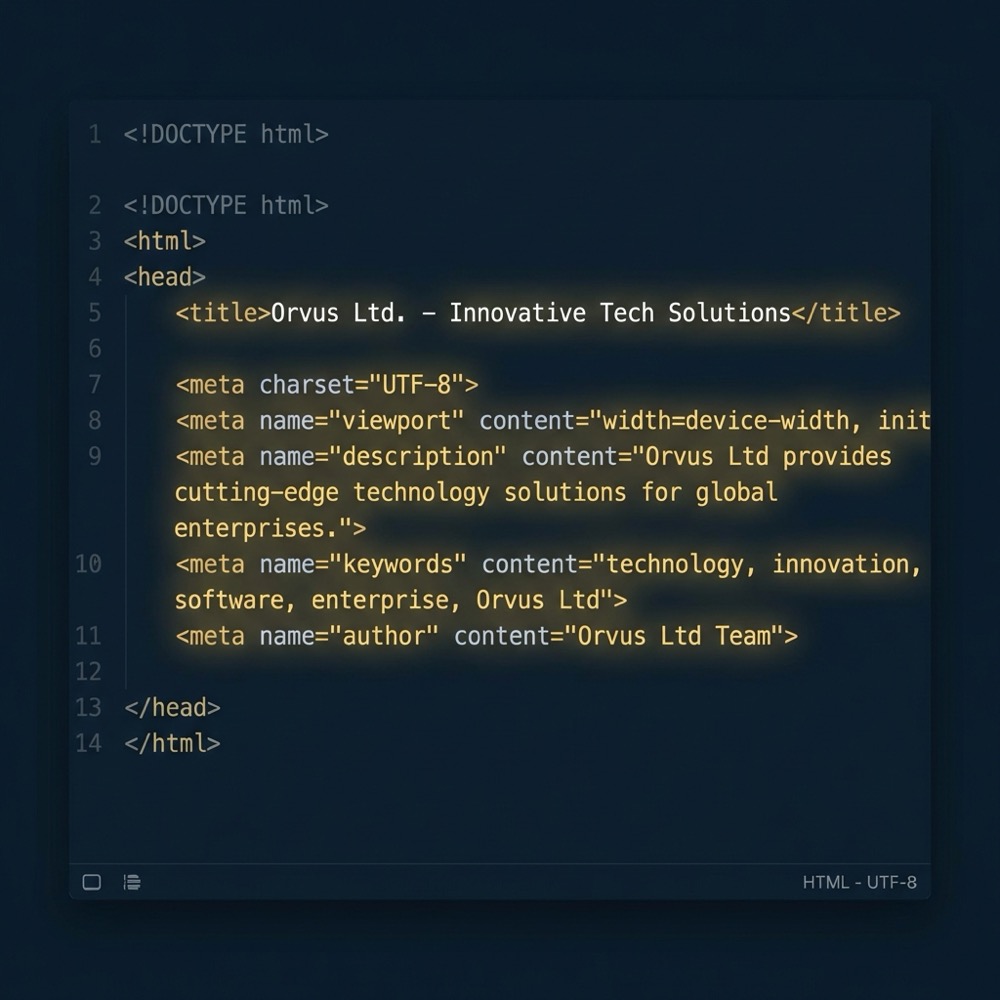
Some mistakes appear more often and carry larger risks. Missing or duplicate title and meta description tags reduce editorial control and can lead engines to auto-generate titles or snippets. Detecting these is often the quickest win for content teams.
When title or description tags are empty or duplicated across large sections of a site, search engines may produce snippets from page content instead of the supplied meta description, which can change messaging and click rates MDN meta element
Incorrect rel=canonical usage is another high-impact error. Pointing canonical tags to the wrong URL, or inconsistently across similar pages, prevents proper consolidation of duplicate content and fragments indexing signals Consolidate duplicate URLs
Accidental application of meta robots noindex or X-Robots-Tag on production pages, pagination, or feeds can cause unexpected removals from indexes. A header-level X-Robots-Tag applied by a misconfigured server or CDN can be especially stealthy and requires inspection of HTTP headers during audits Robots meta tag and X-Robots-Tag
Title tag mistakes and how to fix them
Common title tag problems include missing or duplicated titles, templated titles that add little value, and encoding issues that cause truncation or display errors. Detect these with a crawl that extracts title values and flags empties and duplicates.
quick CLI checks for title presence duplicate and length
Run after a site crawl
To detect missing or duplicate title tags at scale, run a site crawl and export the title column. Filter for empty values and aggregated counts to find templates producing the same title across pages. The presence check should be part of CI or pre-deploy scripts so templates do not ship with empty titles Google Search Central title links
For length and encoding, avoid packing titles with excessive keywords or site wrappers that push descriptive copy out of view. If you need consistent branding, reserve a short suffix and keep the lead copy unique. Use UTF-8 consistently to prevent display issues and test on sample pages before wide deployment.
Meta description mistakes and remediation
Empty, duplicated, or auto-generated descriptions are common. When descriptions are missing or repeated, search engines often generate snippets from page content. That removes some control over messaging and may affect click-through behavior during query-driven discovery MDN meta element
Prioritize pages for unique descriptions by traffic and conversion value. Focus resources on high-traffic landing pages, category pages with manual curation, and pages where social sharing matters most. For long-tail content, templated descriptions can be acceptable if they add meaningful context.
Quick fixes include adding concise templates that incorporate an explicit content field if available, enforcing length limits in the CMS, and running periodic crawl checks for duplicates. After changes, monitor search snippets to see whether engines pick up the supplied descriptions or continue to generate alternatives.
rel=canonical mistakes and how to consolidate duplicates
Incorrect or inconsistent rel=canonical values prevent search engines from consolidating duplicate URLs. Common failures include pointing canonical tags to the wrong host, mixing http and https, inconsistent trailing slash usage, or neglecting parameterized URLs.
Run an automated crawl to extract titles, meta descriptions, rel=canonical values, and X-Robots-Tag headers, then prioritize pages that are high-traffic or showing index issues. Fix critical noindex and canonical problems first and align social tags with HTML metadata for key landing pages.
Checks should include comparing canonical values across page variants and validating that the canonical target is live, indexable, and representative of the content you want to surface. Use a sample of indexable pages and follow the canonical link to confirm it returns a 200 and contains matching content Consolidate duplicate URLs
Remediation checklist: pick a canonical pattern for the site, update templates to emit that pattern consistently, deploy to staging, and re-audit with a crawler. If you need a rollback-safe change, update a small section of templates and monitor indexing signals before a full rollout.
Meta robots and X-Robots-Tag mistakes to avoid
Accidental noindex on live pages is a frequent cause of index removals. Staging or deployment scripts that flip a configuration flag can propagate noindex to production. Another cause is applying X-Robots-Tag headers at the server or CDN level by mistake.
Google documents both the meta robots tag and the X-Robots-Tag header. These controls differ in where they live and how they are applied, so audits must check both HTML and HTTP response headers Robots meta tag and X-Robots-Tag
Operational checks include a pre-deploy audit for header and HTML changes, separate staging environments that mirror production behavior without shared flags, and automated alerts if a sudden number of previously indexed pages return a noindex signal.
Open Graph and Twitter Card mismatches: social preview risks
Open Graph and Twitter Card tags control social previews and can override or conflict with HTML title and description. Platforms often prefer their social tags when generating a preview, so mismatches can produce different messaging on social channels compared with search results Sharing Best Practices for Webmasters and reporting such as SERoundTable
Twitter's documentation for Cards also shows how social metadata is used to build a preview. When HTML and social metadata diverge, user experience and perceived accessibility may be affected, and click behavior could change on social traffic Twitter Cards Overview
Practical checks are simple: crawl for og:title and twitter:title, compare them to the HTML title, and flag mismatches. Automate a preview test during builds so teams can see the social card before a page goes live.
Measurement, audits, and automated checks for metatags
An automated audit should include checks for missing or duplicate titles and descriptions, canonical inconsistencies, noindex headers, and the presence of OG and Twitter tags. Running these checks regularly reduces the chance that template changes introduce failures.
MDN and Google guidance provide useful reference points when building checks that parse HTML and headers. Use a crawler that extracts head elements and HTTP headers so you can validate both HTML meta tags and X-Robots-Tag values in one pass MDN meta element
Suggested cadence is weekly for active sites and monthly for lower-change sites. Track metrics such as number of pages with empty titles, unique description coverage for top pages, canonical mismatches, and the count of pages returning a noindex signal. After remediation, watch indexing and traffic trends to validate effect.
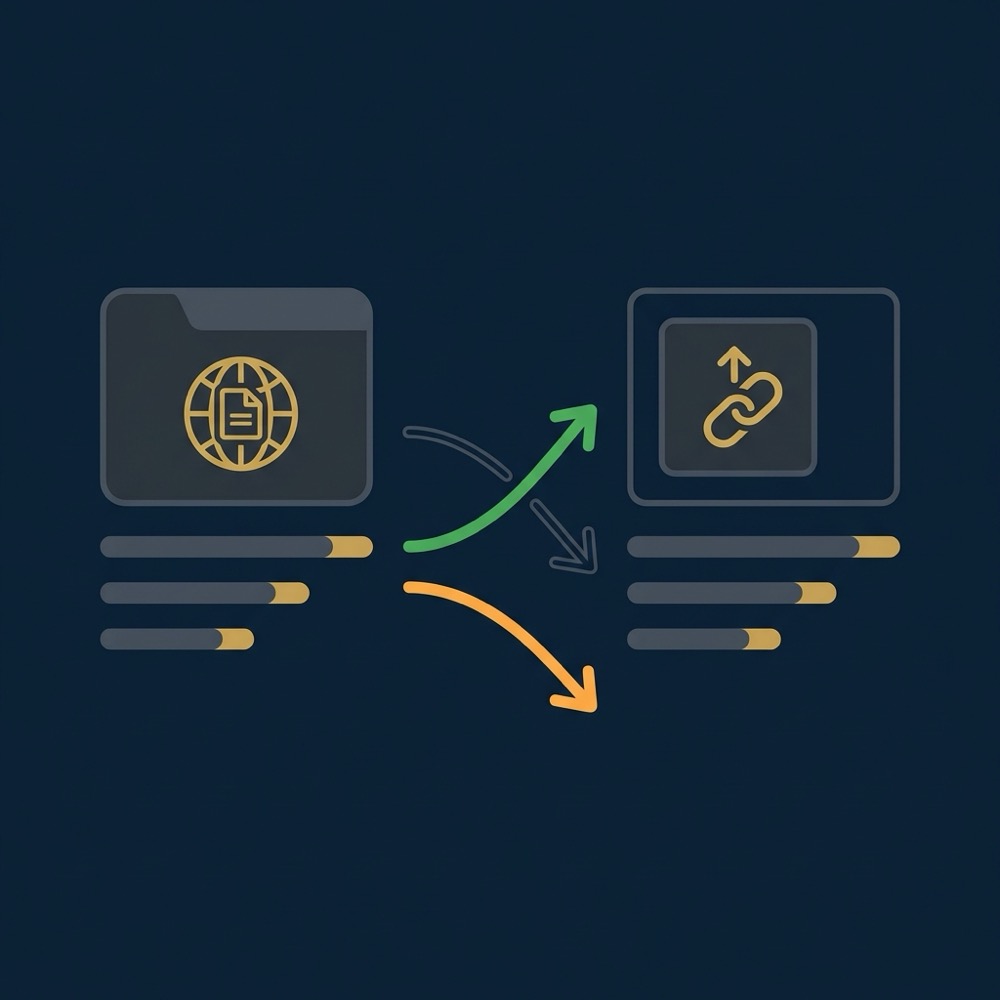
How to prioritize meta tag fixes: a decision framework
Use an impact versus effort matrix. High-impact, low-effort items include fixing accidental noindex, correcting obvious canonical targets, and addressing large clusters of missing titles on high-traffic pages. Those should be first.
Canonical and robots issues often require immediate attention when they cause index removals. Use search console and crawl data to detect index drops and raise priority accordingly Robots meta tag and X-Robots-Tag
Combine business value with technical risk. Prioritize pages by traffic and conversion value, then overlay technical risk such as inconsistent canonicalization or templated titles. This keeps limited engineering time focused where it compounds most.
Common pitfalls and operational safeguards
CMS templates, internationalization, and pagination are common sources of metadata errors. Templates that omit a content-level title or description will produce empty or duplicated values at scale. Pagination patterns that incorrectly tag rel=canonical or set noindex can hide category pages from search.
Recommended safeguards include pre-deploy audits, CI checks that run the title and description presence checks, and rollback plans. Keep templates simple and expose content-level fields for editorial teams so unique values are easier to produce MDN meta element. See the Orvus blog.

Practical scenarios and remediation playbooks
Scenario 1: sitewide duplicate titles from a templated CMS. Detect by crawling and grouping identical title values. Remediation playbook: identify the template emitting the duplicate, add a content-level title field to the template, deploy to staging, run the crawl again, and roll forward once the sample shows unique titles for the affected pages Consolidate duplicate URLs
Scenario 2: accidental noindex applied to category or paginated pages. Detect by comparing previously indexed pages with current index status and by inspecting HTTP headers for X-Robots-Tag. Remediation playbook: remove the noindex signal in staging, deploy a hotfix to production for critical pages, and monitor the reindexing process using search console tools Robots meta tag and X-Robots-Tag
For both playbooks, validate changes with a follow-up crawl and a small sample of live SERP checks to confirm titles and snippets align with expectations. Consider incremental rollouts for large sites to limit risk.
Summary and next steps for teams
Most impactful mistakes to check first are accidental noindex, incorrect rel=canonical targets, and mismatches between social and HTML metadata. Those errors can cause index removals or inconsistent user experiences across search and social channels.
Short-term actions: run an automated audit, fix critical noindex and canonical errors, and align Open Graph and Twitter Card tags with your HTML metadata. When constraints require deeper systems work, a systems-focused partner can help design repeatable checks and automation to prevent regressions Robots meta tag and X-Robots-Tag and contact our team.
A rel=canonical tag points search engines to the preferred version of a page. It helps consolidate duplicate content and ensures indexing signals are not fragmented.
Inspect both HTML head meta robots entries and HTTP response headers for X-Robots-Tag. Run a crawl that extracts headers and head elements to find unexpected noindex instances.
Matching social metadata and HTML metadata reduces the chance of inconsistent previews. Keep social tags in sync with HTML where consistent messaging is important.
If your team needs help building automated checks or mapping a remediation plan around specific constraints, a compact systems-focused engagement can often reduce recurring errors and make metadata maintenance part of a dependable workflow.
References
- https://developer.mozilla.org/en-US/docs/Web/HTML/Element/meta
- our services
- orvus.net
- https://developers.google.com/search/docs/appearance/title-link
- https://searchengineland.com/google-search-may-now-use-og-title-for-title-links-446023
- https://developers.google.com/search/docs/crawling-indexing/consolidate-duplicate-urls
- https://developers.google.com/search/docs/advanced/robots/robots_meta_tag
- https://developer.twitter.com/en/docs/twitter-for-websites/cards/overview/abouts-cards
- our knowledge base
- https://www.seroundtable.com/google-title-og-title-37973.html
- about Orvus
Want this kind of work done for your business?
We build and run AI-powered marketing and automation. 15 minutes, honest assessment.
Book a call