 Orvus
OrvusWhat is the difference between onpage and offpage SEO?
November 25, 2025
What on-page and off-page SEO mean in plain terms
on-page SEO and off-page SEO are the two pillars of modern search visibility, and understanding how they interact is the fastest way to stop wasting time and budget. The first term - on-page SEO - describes the elements you control directly on a web page: content, headings, HTML signals, page experience and internal linking. The second - off-page SEO - covers external signals such as backlinks, brand mentions, media coverage and partnerships that point to your site and shape its reputation.
Think of it like opening a storefront: on-page = how tidy and compelling the window and layout are; off-page = what people say about your shop on the high street. Both matter, but they work best in sequence: polish the shop first, then invite people to talk about it.

How search changed recently and why that shifts your priorities
Search engines have shifted focus toward helpful content and clear signals of human expertise. Updates since 2023 and continuing through 2024 placed emphasis on E‑E‑A‑T (experience, expertise, authoritativeness, trust). That means the quality of a page and the credibility of its creator increasingly matter. In practice this strengthens the role of on-page SEO (clear answers, demonstrated expertise) and changes how off-page signals are valued - a few authoritative links now beat hundreds of irrelevant mentions. For guidance from Google on people-first content see Creating Helpful, Reliable, People-First Content, and for a practical E-E-A-T checklist see Marie Haynes' E-E-A-T guide.
What this means for teams
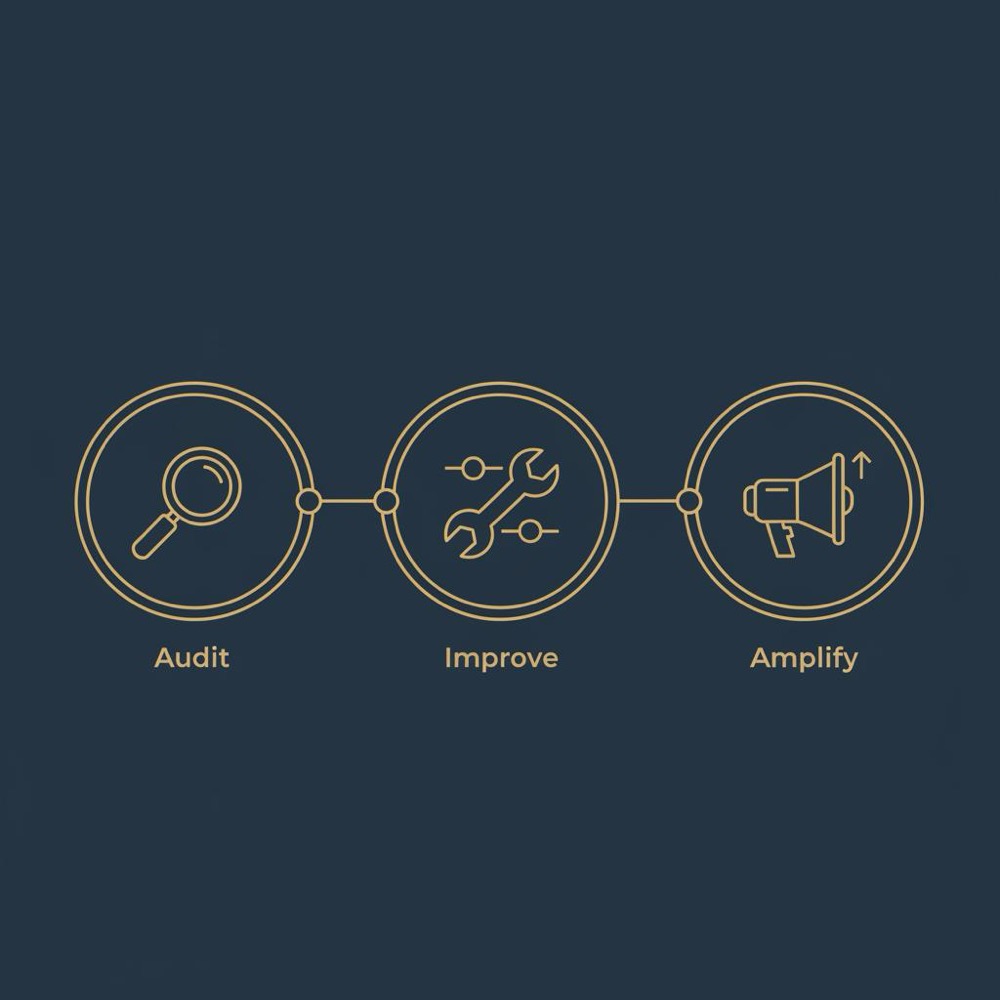
Fix technical and content fundamentals first, then use outreach and PR to amplify pages that are actually useful. If pages are thin or unindexable, links won’t compound value. Conversely, a helpful page that earns a few relevant links can outrank many superficially optimized pages with lots of low-value links.
A quick, practical tip: if you want a short diagnostic and prioritized roadmap, consider Orvus’ services - a compact audit can show which pages to fix before you spend on outreach. Learn more at Orvus services.
Core components of on-page SEO (the stuff you control)
On-page work includes several layers. Address them in order and you’ll avoid wasted effort.
1. Intent-driven content
Every page should match search intent. Is someone looking for a quick how-to, in-depth research, a product comparison or to buy? The words and structure of the page must answer that intent fast. Use headings to surface the answer within a few seconds of scanning - most people decide within that time whether to stay.
2. HTML signals and structured data
Title tags, meta descriptions, headings and schema markup tell crawlers and users what a page offers. Clear titles and properly nested headings make it easier to index and help snippet eligibility. Schema can improve visibility for recipes, events, product info and FAQs.
3. Page experience and Core Web Vitals
Pages that answer a search but load slowly or shift visually will lose visitors. Core Web Vitals (loading, interactivity, visual stability) directly correlate with user willingness to engage. Accessibility and mobile friendliness are also part of the page experience - ignore them and you lose a big slice of traffic.
4. Technical basics
Check indexability, canonical tags to avoid duplicate content, implementation of hreflang for multi-language sites, and clean redirect chains. Internal linking should be deliberate: use contextual anchor text, link from broad to deep content, and ensure your architecture reveals topical clusters.
5. Authoritativeness signals
Show who wrote or verified the content when expertise matters. Author bios, credentials, citations and links to primary sources reduce friction for both users and search engines.
Practical on-page checklist (quick wins)
Run these checks and prioritize by user impact:
- Indexability: can search engines crawl the page?
- Title & headings: do they reflect the target intent?
- Content depth: does the page fully answer the likely query?
- Core Web Vitals: any major LCP/CLS/INP issues?
- Mobile layout: is text readable without zooming?
- Internal links: are relevant deeper pages linked?
- Author signals & citations: are they visible?
Off-page SEO: what it really includes
Off-page SEO is more than link counting. It’s about how the web talks about your brand and pages. Quality, topical relevance and referral pathways matter more than raw volume.
Backlinks: quality over quantity
A link from an authoritative niche publication is usually far more valuable than dozens of low-quality links. Links also provide referral traffic - visitors arriving via an industry site are often more likely to convert than generic traffic. For a modern guide to off-page tactics see Backlinko's off-page guide.
Brand mentions and entity signals
Search engines are getting better at associating mentions with entities. Even when a mention doesn’t include a link, it can contribute to perceived relevance if it appears on reputable sites in the right context.
PR, partnerships and earned media
Partnerships, co-authored research, or data that journalists can cite produce meaningful outbound signals. The idea is to create assets that others want to reference.
How on-page and off-page work together (sequence matters)
The simplest rule: make pages helpful and crawlable first, then use off-page tactics to spread attention. If you run outreach to pages that are thin or broken, you’ll get traffic spikes but poor retention and few conversions. If your pages are solid, outreach compounds results: better links, more branded searches and higher conversion rates.
Measuring the two sides
Separate KPIs but read them together:
- On-page KPIs: organic rankings, organic sessions, click-through rate (CTR), time on page, scroll depth, pages per session, on-site conversions.
- Off-page KPIs: referring domains, topical relevance of referring sources, referral traffic, growth in branded searches.
A rise in referring domains without more organic sessions suggests the linked pages aren’t ready; high impressions but low conversions hint at intent or experience mismatches.
Common mistakes and how to avoid them
Teams keep repeating avoidable errors. Here’s how to fix them.
1. Publishing volume over value
High-volume content with little expertise or practical usefulness is now ignored more often. Treat content like a product: assign owners, set review cycles and measure meaningful outcomes.
2. Chasing low-quality links
Directories or link networks can give short-term lifts or risk penalties; focus on links that align topically and have real referral potential.
3. Neglecting internal linking
Internal links craft the user journey and help search engines discover topical depth. Don’t leave this to chance; plan your cluster architecture.
4. Treating technical health as a one-time task
Technical SEO is ongoing. Redesigns, CMS changes or new plugins can reintroduce crawl issues and redirect chains.
Link building that works in 2024-25
Mass outreach with templated emails has declining returns. Better approaches:
- Create linkable assets: data, original research, in-depth guides, tools or case studies.
- Targeted outreach: pick relevant journalists, bloggers and resource curators and explain clearly why your asset helps their audience.
- Earned media: offer interviews, datasets or expert commentary that journalists can quote.
- Partnerships: co-created assets with complementary brands in your niche.
Sample outreach template (short and targeted)
Subject: Data point on [topic] that could help your readers’ guides
Hello [Name],
I enjoyed your recent piece on [article]. We recently published a short dataset / guide that shows [clear finding]. If it’s useful, I can share the dataset or do a short quote. No pressure - I’m just offering a quick resource that might save you time.
Thanks,
[Your name]
Internal linking strategy that actually helps
Think of internal linking as storytelling. Each click should move a reader from broad context to specific answers.
- Topical hubs: create a hub page that links to deeper how-tos or case studies.
- Natural anchor text: use descriptive anchors that match user intent.
- Fix orphan pages: identify pages without internal links and add relevant pathways.
Measurement templates and how to interpret signals
When you report performance, show how on-page and off-page KPIs interact. Examples:
- Map referring domains vs. organic sessions for a page cluster monthly.
- Track branded search growth alongside PR placements.
- Report conversion rate from referral traffic compared to organic traffic.
These comparisons reveal whether outreach is sending valuable visitors, or simply generating noise.
Short answer: rarely. Outreach before fixing key on-page issues often leads to low engagement and wasted effort. Links drive visitors; if the page is thin, unindexable or slow, those visitors will bounce, conversions will suffer and the outreach won’t compound. Fix indexability, intent alignment and page experience first, then use outreach to amplify pages that are ready to earn and keep attention.
Practical timeline: what to do first (30/90/180-day plan)
First 30 days
Run a technical audit: indexability, canonical tags, redirect chains. Tag thin or obsolete pages. Fix high-impact Core Web Vitals issues such as giant images or render-blocking scripts.
Next 60 days
Map content to intent and prioritize clusters for improvement. Add author signals and source citations to pages where expertise matters. Create 1-2 linkable assets tied to your strongest pages.
90-180 days
Run targeted outreach to industry sites, guest posts that add real value, and PR that amplifies your best pages. Measure branded search growth and referral conversion rates to judge impact.
Real-world example: Orvus Ltd. success story
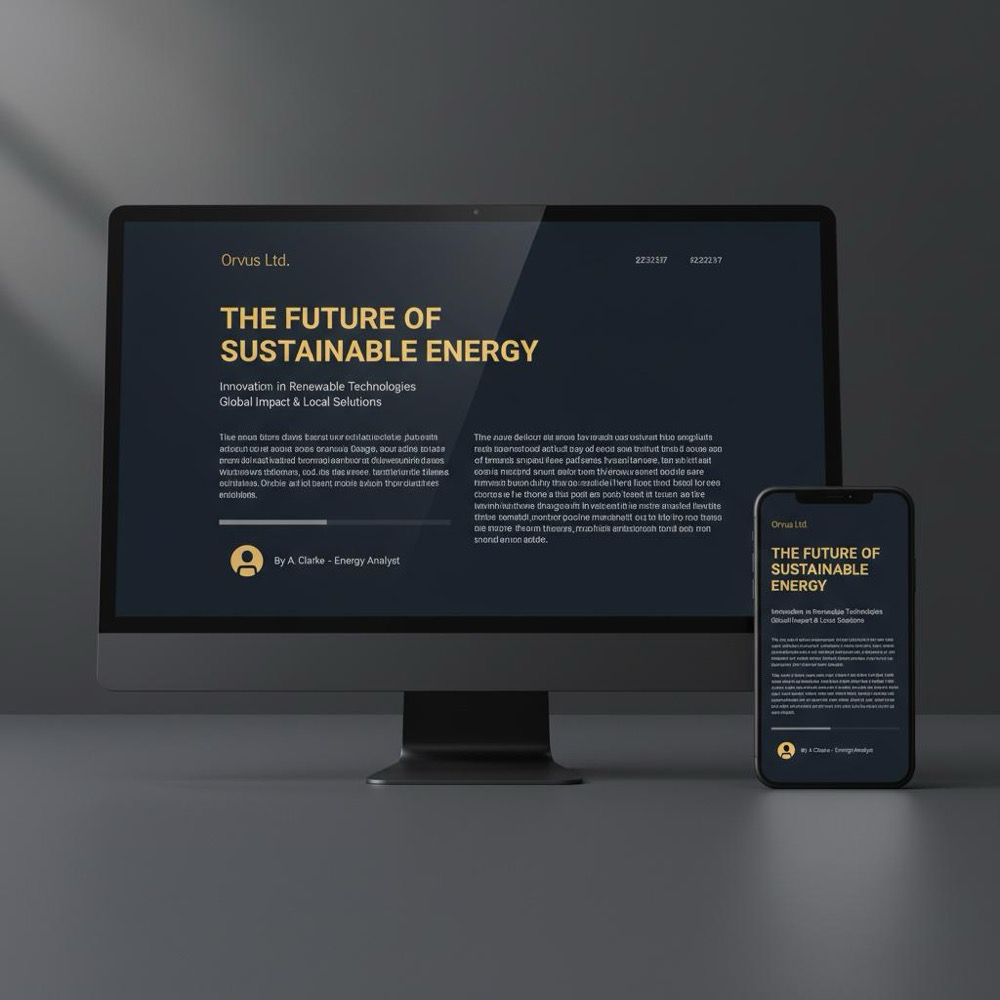
Orvus Ltd. had a library of posts ranking for long-tail queries but generating little revenue. The team grouped posts into topic clusters and assigned content owners. They improved the highest-traffic cluster with case studies, visible authorship, clearer headings and mobile template fixes. Only after those changes did they run focused outreach to trade publications, offering interviews and usable datasets. Within six months organic traffic rose, and referrals from high-authority publications converted at a higher rate. The lesson: sequence your work - optimize first, amplify second.
Advanced considerations and future signals to watch
Search engines are improving entity recognition and non-link signals. These trends include:
- Mentions without links becoming easier to connect to entities.
- Sophisticated understanding of author and publisher reputation.
- Search engines valuing user satisfaction signals more directly as they refine metrics.
Keep monitoring how mentions, podcast citations, and niche citations affect visibility. Experiment, measure and adapt.
Actionable templates and short checklists to start today
Use these bite-sized actions:
- Run a site: search for thin content and tag pages needing consolidation.
- Add schema for top pages with product, FAQ or article markup.
- Create one original dataset or short guide that answers a clear journalist or resource curator need.
- Identify 10 high-value sites and craft 10 personalized outreach notes (one per site).
How to prioritize fixes when resources are tight
Score pages by potential impact: traffic + conversion rate + ease of fix. Start with high-traffic pages that are thin or have poor mobile performance. Fixing these often yields the fastest compound effect when outreach begins.
Final practical checklist before outreach
- Confirm the page is indexable and canonicalized correctly.
- Ensure the page fully answers the target intent and has clear headings.
- Improve page speed on key templates and fix mobile issues.
- Add author signals and citations where needed.
- Prepare a short, focused asset or data snippet to pitch.
Summary: a compact decision framework
If you’re short on time, use this rule: fix on-page fundamentals first, then use off-page outreach to amplify your best pages. Define separate KPIs but read them together. Monitor branded search growth and referral quality, not just link count. Treat content quality as a product problem and make technical health an ongoing process.
Next steps and what good looks like
Good progress looks like stabilized Core Web Vitals, higher time on page, increased conversions from organic traffic and a steady rise in referrals from topically relevant sites. Over time, these changes compound into durable visibility and stronger business outcomes.
Helpful resources and tools
Tools worth considering: search console for indexability and query data, a crawler for technical checks, analytics for behavior and conversion tracking, and a lightweight outreach tracker for link campaigns. For ongoing reading and examples from our blog see useful knowledge.
Closing thought
Search continually evolves, but the principle remains: make pages people trust and want to link to, then cultivate the right attention for those pages. Do the basics carefully, measure thoughtfully and let compound effects build real growth.
Get a prioritized SEO roadmap and fix what actually moves the needle
Ready to move from guesswork to a clear SEO roadmap? Orvus’ compact audits and prioritized action plans help teams fix the right things first and scale what works. Visit Orvus services to get started.
On-page SEO covers the elements you control directly on a page: content, headings, HTML signals, page experience, internal linking and authoritativeness. It matters because search engines and users rely on these factors to understand and trust your content; without a solid on-page foundation, off-page efforts like link building have limited impact.
You should prioritize off-page SEO only after the page meets basic on-page standards: it must be indexable, clearly answer search intent, load reasonably fast and include author or source signals where credibility matters. If those checks are in place, off-page outreach and PR can amplify results and attract higher-quality links that convert.
Orvus focuses on practical, high-leverage fixes: technical audits, intent-driven content architecture, measurement that ties search to revenue and targeted outreach strategies. A compact Orvus audit identifies the highest-impact pages to fix and builds a prioritized roadmap so outreach compounds growth rather than masking weak pages. Learn more at orvus.net/services/.
References
Want this kind of work done for your business?
We build and run AI-powered marketing and automation. 15 minutes, honest assessment.
Book a call