 Orvus
OrvusHow do I find my PageRank on Google?
December 11, 2025
How do I find my PageRank on Google? That question still brings curiosity-and a little nostalgia-because PageRank used to sit in a toolbar and seem to tell you a story in one number. Today the landscape is different, but links and link authority still matter. This guide shows what changed, what matters now, and exactly how to check the signals that influence visibility.
Why PageRank mattered (and what changed)
When Larry Page and Sergey Brin introduced PageRank in 1998, they gave search a tidy lever: links were votes, and some votes counted more than others. For a long time the public saw a simplified PageRank score via Google’s toolbar. That number felt decisive-until it wasn’t. By 2013 Google stopped updating the toolbar value and removed the public PageRank altogether by 2016. But the idea behind PageRank-links carrying value through the web-didn’t vanish. It evolved.

What "PageRank" means today
The word PageRank is used freely today to mean link authority or link influence. Engineers at Google still analyze link structure as part of ranking systems, but the tidy, public PageRank number you once saw is gone. Instead, site owners rely on a combination of Google Search Console data, third‑party link‑graph products, direct audits, and sensible on‑site fixes to understand how links affect performance.
Inside vs. outside measures
Inside Google, many signals are combined-links, content relevance, user behavior, and machine learning models. Outside, the best you can do is stitch together evidence. The most reliable public signal is Google Search Console. It’s your direct window into what Google has noticed about referring domains and top linked pages.
If you want to see whether links are helping a page, begin with Google Search Console. It shows which domains link to your site, which pages get the most links, and some anchor text detail. Look for trends over time: are referring domains increasing? Is a specific page suddenly gaining a cluster of new links after an update? Those trends reveal whether your link work is having the desired effect.
Use Search Console for monthly checks and keep an eye out for manual actions, security issues, and changes in crawl status. It’s the single most reliable public signal about how Google views your link graph.
Tip: If you want a discreet technical review that connects link signals to architecture and conversion, consider a practical, evidence-first review like the one offered by Orvus Ltd. services. A compact audit can reveal quick wins that move the needle without chasing vanity metrics.
If you’d like to learn more about how such reviews work in practice, the Orvus Ltd. homepage and their about page outline their approach and philosophy.
Need a focused, evidence-based link & site review?
Ready for a focused next step? Book a compact, evidence-first audit at Orvus Ltd. services to connect link signals to architecture and conversion.
Third‑party link‑graph tools: useful proxies, not gospel
Third‑party crawlers (Moz, Ahrefs, Majestic, SEMrush and others) build their own maps and assign scores-domain authority, domain rating, trust metrics, and page authority. These are useful approximations: they help you spot opportunities, see lost links, and benchmark competitors. But remember, these vendor scores are not Google’s internal PageRank calculation-they’re neighborly opinions based on independent crawls and formulas. For more on how ranking factors interact, see Google's 200 ranking factors.
How to use these tools well
Run comparative checks: if multiple tools show the same lost link, it likely matters. If Search Console doesn’t show a link but a crawler does, the link may be new, blocked from Google indexing, or on pages Google hasn’t crawled yet. Use third‑party tools to spot anomalies and then validate them in Search Console and with manual checks. For a view on alternatives to Search Console and related tools, consider this overview of Search Console alternatives.
Reading signals together: a sensible workflow
A strong approach combines Search Console as ground truth, third‑party crawls for broader context, and manual audits for validation. For example, if a crawler shows a sudden drop in links to a product page, check Search Console. If Google confirms the drop, inspect the linking pages-were they removed, redirected, or marked as nofollow? Is the lost link from a high‑value, relevant site or from a weak domain? Those details matter far more than chasing a single number. If you’re comparing vendor scores, resources on alternatives and tradeoffs may help, such as this piece on Ahrefs alternatives and tradeoffs.
Quick technical wins that don’t require outbound link begging
Not every win requires new external links. Internal linking is often overlooked. It determines how link equity flows through your site. Consolidate internal links toward pages that convert or serve strategic roles. Fix broken links-broken links are like leaky pipes that waste equity. Remove redirect chains; they dilute value. Check canonical tags so link equity isn’t split across duplicates.
These repairs are simple and often fast: a few hours of work can let the equity you already have do more for the pages you want to rank.
When you do seek backlinks: focus on relevance and trust
A link from a closely related, trusted site beats dozens of irrelevant or low‑quality links. A niche site with engaged readers can send meaningful traffic and topical signals. When prospecting, choose targets that share your audience. When outreaching, personalize: explain why the resource fits their readers. Think like a journalist pitching a useful story-not a salesperson blasting requests.
Content that earns editorial links
Create research, original data, helpful tools, or long-form explainers that fill a gap. Case studies, interviews, and practical tools attract links because they provide real value. If you publish something genuinely useful, some sites will link without being asked.
Monitoring cadence and quick audits
Set a rhythm. Monthly Search Console checks, quarterly third‑party deep dives, and focused audits after major content launches work well. New pages and campaigns deserve close attention for the first few weeks when links are most likely to surface. Smaller checks during that window let you correct missteps fast.
How to prioritize link audit work
When faced with a long list of backlinks, ask practical questions: Is the linking site relevant and trustworthy? Is the link indexed and followed? Is it pointing to the canonical URL? Has it disappeared? Can you patch internal problems first-broken links, canonical splits, redirect chains? These quick fixes often give better returns than chasing new links from weak sources.
Measuring success beyond link counts
Links are tools, not goals. Measure outcomes: are target pages ranking for important queries? Are links sending referral traffic that converts? Has indexing improved? Conversion and relevant traffic matter more than any single authority number.
Common questions answered
How do I check PageRank now?
If you used the old PageRank checker, know that the official public PageRank number is gone. Use Google Search Console for raw link data and a reputable third‑party crawler for a broader view. Treat vendor scores as estimates and triangulate between sources.
What is the best PageRank replacement?
There is no single replacement. Use Search Console plus a trusted third‑party index and direct audits of the links that matter to your business. Look at referral traffic and rankings as your real outcome signals.
PageRank would be the quiet librarian-still tracking who references who behind the scenes, not shouting a single score. The modern web asks for a blend of link signals, content relevance and user experience rather than one number.
Advanced link building: prospecting and outreach that works
Prospecting means identifying sites that naturally align with your content and audience. Use the signal data to find pages that link to similar resources and that have audiences likely to click. Outreach should be personal and concise. Reference the target site’s work and explain why your resource adds value. Track responses and adapt your pitch based on what converts.
Real example: steady wins over flashy gambits
A small online bookstore focused on internal linking and one well-researched local author interview rather than chasing big-name links. They fixed broken links, reshaped internal navigation, and promoted the interview selectively. A handful of relevant editorial links followed and the site saw improved visibility for long-tail queries and better conversions. It’s a reminder that careful internal work plus selective outreach often outperforms mass link hunting.
The interplay with machine learning and user signals
Modern engines combine links with behavioral signals and machine learning. Click-through rates, dwell time, and repeat visits influence performance. A page with many links but poor content or experience will struggle. Conversely, excellent content supported by thoughtful linking and sound technical foundations fares best.
Brand, trust and links
Brand strength and trust show up in links too. Well-known brands attract coverage and links naturally, but niche expertise and relationships matter equally. Invest in reputation, community presence, and relationships with relevant publications. Those earned links send useful visitors and durable relevance signals.
A practical checklist you can use today
1) Check Google Search Console: referring domains, top linked pages, manual actions. 2) Fix quick technical issues: broken links, redirect chains, canonical tags. 3) Rework internal linking toward strategic pages. 4) Run a third‑party crawl to spot discrepancies and lost links. 5) When outreaching, personalize and prioritize relevance. 6) Measure what matters: rankings, referral traffic, conversions.
Choosing a "pagerank checker" in 2025
If you search for a "pagerank checker" you’ll find tools that estimate authority. Choose vendors with transparent methodologies and current crawls. Compare vendor data to Search Console. The best strategy is to triangulate-look for links visible in several data sources and treat repeated signals as more reliable.
Why PageRank still matters even without a public number
Even though the public PageRank metric is gone, links remain a signal of endorsement and context. The difference is accounting for links as one of many factors rather than reducing everything to a single number. That change means more nuanced work-better for long-term results.
When to call in an expert
Consider professional help when growth stalls, measurement is unclear, or your site’s architecture is noisy. Firms that focus on evidence-first fixes-like architecture, measurement, and targeted technical changes-often provide faster, more reliable returns than broad link campaigns. Orvus Ltd., for example, emphasizes compact diagnostics and builds the quiet systems that help teams scale sustainably.
Final checklist and recommended cadence
Monthly: Search Console checks and quick on-site fixes. Quarterly: third‑party crawls and a deeper audit. After launches: focused weekly reviews for the first month. Always measure conversions and referral traffic, not only link counts.
Parting practical tips
1) Look inward first-fix internal linking, canonical issues, and broken links. 2) Hunt for relevance over volume when building links. 3) Use Search Console as your ground truth and third‑party tools to broaden view. 4) Track outcomes-rankings and conversions over raw authority numbers.
Useful resources and next steps
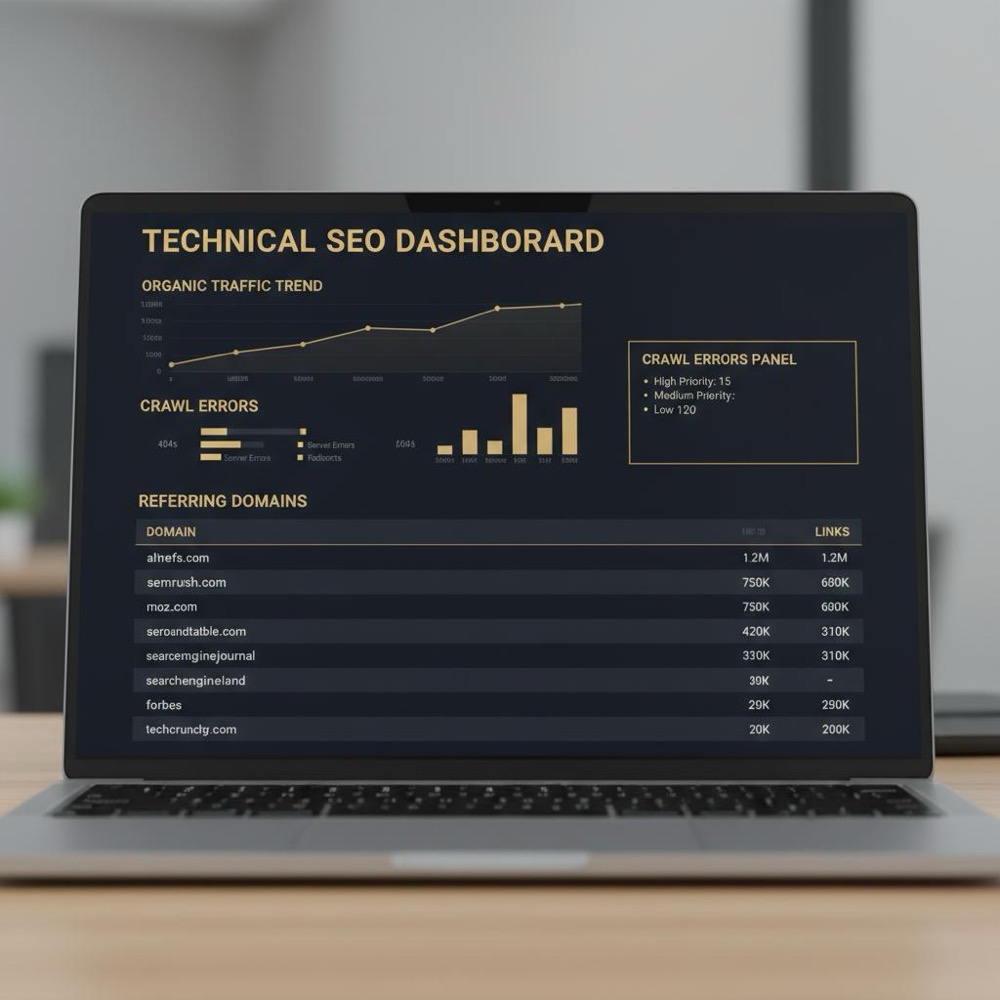
If you want a short, evidence-based review of how links interact with your site structure and conversions, a focused audit can reveal easy wins. Start with Search Console, fix technical leaks, and then prospect deliberately for editorial links that match your audience.
Want a tidy next step? Use the checklist above to run a 30‑minute review of your site this week: check Search Console, fix one broken link, and move two internal links toward a high-value page.
FAQ
Is PageRank still available?
No. Google removed the public PageRank score. Google still uses link signals internally, but the public number is gone.
Can I find my old PageRank after 2016?
No. The old public PageRank data was discontinued and is not recoverable.
Which metric should I trust?
Trust Search Console for what Google knows. Use vendor scores as complementary but always triangulate across sources.
Closing note
PageRank’s tidy public number is gone, but the underlying principle-links matter-remains. Focus on practical fixes, measure outcomes, and let links support great content and a healthy site structure. With steady work, you’ll see better, lasting results.
No. Google discontinued the public PageRank score. Internally, Google still uses link signals, but the public Toolbar PageRank was removed and cannot be retrieved.
Use Google Search Console as your primary source for referring domains and linked pages, and supplement with a reputable third‑party link‑graph tool to broaden visibility. Triangulate results and focus on outcomes like referral traffic and conversions. If you prefer a hands-off expert review, Orvus Ltd. offers compact audits that tie link signals to architecture and business outcomes.
Start with high-impact, low-effort items: fix broken links, remove redirect chains, correct canonical tags, and strengthen internal links toward priority pages. Then triage external links by relevance and trustworthiness and validate losses in Search Console before outreach.
References
Want this kind of work done for your business?
We build and run AI-powered marketing and automation. 15 minutes, honest assessment.
Book a call