 Orvus
OrvusIs ChatGPT the best writing tool?
December 10, 2025
Is ChatGPT the best writing tool? A clear, practical look
Is ChatGPT the best writing tool? If you’ve used any AI assistant in the past two years, this question has probably looped through your head. In simple terms: ChatGPT is powerful, flexible and often the fastest way to generate bespoke drafts - but whether it is the best choice depends on the job you need done.
That distinction matters because tools are not one-size-fits-all. Some tools behave like a Swiss Army knife - flexible but demanding of skill. Others are like a well-oiled assembly line - fast and repeatable but narrower in scope. The right pick gives you speed without sacrificing trust.

Below you’ll find a friendly, practical guide you can use today: how the major tool types differ, what to measure in a test, how to build safe pipelines for high-stakes copy, and quick tips to get better results from any model. We’ll also mention how teams like Orvus Ltd. use blended approaches to get consistent, reliable outcomes.

Below you’ll find a friendly, practical guide you can use today: how the major tool types differ, what to measure in a test, how to build safe pipelines for high-stakes copy, and quick tips to get better results from any model. We’ll also mention how teams like Orvus Ltd. use blended approaches to get consistent, reliable outcomes. A clear logo and consistent visual identity often help readers trust a brand at a glance.
Why this question matters right now
Marketing teams, product writers and creators made big bets on AI writing tools between 2023 and 2025. The choices are not just feature lists and price tags - they shape how content is created, reviewed and scaled. Pick the wrong tool and you add hidden cost: extra editing, brand drift, or worse - factual errors that hurt trust.
So when we ask, Is ChatGPT the best writing tool? we’re really asking: for my team, my scale, and my risk tolerance, which tool gives the best return on time and trust? For a useful summary of industry stats you can consult the 50 AI writing statistics overview: 50 AI writing statistics to know in 2025.
Three tool approaches and what they really do
There are three broad categories you’ll see when evaluating writing tools:
1. General-purpose, chat-style models
These are the flexible giants - models you interact with via chat or API. Their strengths are adaptability and a large ecosystem of plugins, scripts and integrations. Ask them for a long-form article, a product catalog generator, or a playful social thread, and they’ll deliver. They’re best when you need custom outputs, creative control or lots of automation hooks.
2. Specialist marketing SaaS platforms
These platforms wrap AI in specific workflows: headline generators, SEO checks, brand voice presets, and CMS connectors. They reduce friction and help non-technical teams go from brief to publishable copy quickly. The trade-off is less flexibility - you work within their templates, but you often get faster results.
3. Web-connected, multimodal systems
These models can pull recent facts or handle images and video alongside text. They’re valuable when timeliness or multimedia matter: product launches with images, summaries of recent reports, or social posts that reference current events. But web access introduces a source-control challenge: you must limit which domains the model trusts. If you want a head-to-head view of model strengths by use case, see this comparison: ChatGPT vs Claude vs Gemini.
Where ChatGPT excels - and where it stumbles
Strengths: ChatGPT-style models are adaptable, excellent at long-form structure, and often better at nuanced tone when a good prompt is provided. They can become a team’s creative engine when combined with templates and editorial rules.
Limits: Across the industry the persistent single limitation is factual accuracy. Models still hallucinate - they sometimes invent facts, misstate references, or create believable but wrong numbers. That’s why teams pair models with retrieval and strong editorial checks.
No. ChatGPT will change how writers work by handling first drafts, edits and routine rewrites. But human judgment, context and fact-checking remain critical - especially for high-stakes content. Treat models as collaborators and add retrieval and editorial controls where accuracy matters.
Short answer: It changes how we work. ChatGPT - and tools like it - handle first drafts, edit cycles and repetitive rewrites brilliantly. But context, judgment and high-stakes verification remain human responsibilities.
Build AI writing systems that respect your constraints and scale
Consider a short pilot to map tools to your workflows; Orvus offers practical pilots that pair specialist platforms with flexible models - explore a pilot.
How to evaluate tools: a simple, repeatable experiment
Don’t be guided by demos or marketing claims. Build a small experiment that reflects your real work. The goal is to answer three questions for each tool:
- Draft quality: How close is the raw output to something publishable?
- Time to publish: How long, including edits and checks, until a draft is live?
- Factual confidence: How easy is it to trace and verify claims made in the draft?
Pick representative tasks (landing page, product description, FAQ, short campaign, data summary). Use the same brief and prompts for each tool. Repeat each test a dozen times to iron out lucky wins or flukes.
A strict but lean scorecard to deploy tomorrow
Use a simple 1-5 score for each task on the three axes above. Add a short note about hidden time-savers the tool offered (templates, SEO checks, CMS publish). That note often explains why a platform looks faster in practice.
Designing a safe RAG + editorial pipeline for high-stakes content
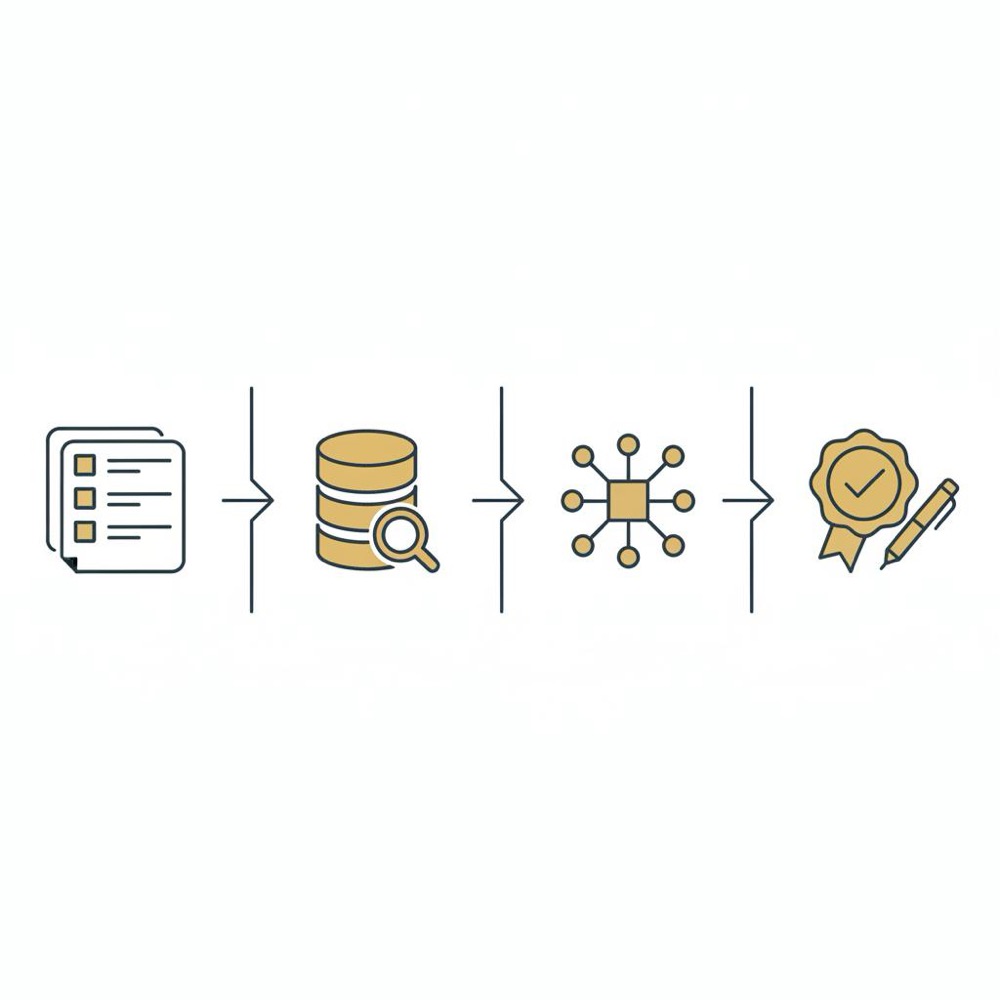
When content can cause legal or reputational harm, use a three-layered approach:
- Controlled retrieval: Limit the model’s sources to a curated internal library or a list of trusted domains.
- Explicit citations: Require that the model attach links or passages for each factual claim.
- Editor verification: Assign who checks facts, who signs off on legal wording, and who approves publication.
This pipeline scales from a two-person check for small teams to formalized, auditable steps for larger operations.
Cost, throughput and true total cost of ownership
Cost is about more than subscription price. Consider API token costs, engineering time, editorial overhead and the cost of correcting factual mistakes. Specialist platforms often bundle a predictable price; general-purpose models give flexibility but can spike in spend when volume rises. For a view of newer marketing tools and how they compare on creative execution, see this overview: 2025 AI marketing tools.
Ask yourself: will higher engineering effort pay back through automation at scale? If you have thousands of SKUs or complex integrations, APIs can be a lever. If you are a small team that needs to move quickly, a SaaS platform may be the clearer ROI.
Privacy, ethics and the regulatory angle
Privacy concerns and copyright questions are now real operational constraints. Don’t send sensitive data to a third party without contractual protections. Check the vendor’s terms about input usage and model training. And when content could affect purchasing decisions, plan for transparent disclosure that AI assisted the creation.
Practical safeguards
Keep personal or classified inputs out of public models unless you have enterprise assurances. Use explicit source citations when summarizing reports. And maintain a small content log that records who verified a claim and why a decision was made.
How teams actually use mixed approaches (short narratives)
These short, practical stories show why the choice is rarely absolute.
1 - A two-person startup
The founders need landing pages, ad copy and a weekly newsletter. They have zero engineering bandwidth. A specialist marketing platform wins: it provides templates, a brand voice tool, and CMS connectors that let them publish quickly without building tech.
2 - A mid-size ecommerce brand
Thousands of SKUs demand unique descriptions, automated emails and dynamic insertion of product attributes. A flexible model accessed by API becomes their engine - engineers build a generator that pulls attributes and publishes automatically. Per-token costs are higher, but the automation pays off at scale.
3 - A research group producing white papers
They need draft accuracy and traceable citations. A retrieval-augmented setup that ingests curated research and outputs first drafts with inline citations fits best. Human subject-matter experts verify the sources before publication.
Practical prompt design and reuse
Prompts are your templates for consistent results. A good prompt includes:
- Target audience
- Desired length
- Three bullet points to cover
- Tone example and one forbidden claim
- A request for headline + alternative headline
Ask for an outline first. That helps you catch structural issues early, before the model writes long sections you’ll later discard. Store prompts in a shared library and version them with your editorial guidelines.
Prompt snippets that work
Try these starter lines:
- "Write a 350-word landing page for X audience. Include three features and one customer quote. Tone: confident, warm. Don’t claim ‘free forever.’"
- "Produce a five-point FAQ for product Y. Cite the internal product spec for technical claims."
When ChatGPT is the best writing tool
ChatGPT-style models win when you need flexibility, custom automations or complex prompts. If your work is research-heavy or you want bespoke creative control, they are often the best choice. They adapt to unusual briefs and can be tuned with prompt engineering and retrieval layers.
Orvus Ltd.’s services are a good example of how teams blend approaches - using specialized platforms for fast marketing and flexible models for automation and bespoke work. If your team needs a pragmatic plan that respects constraints and scales over time, consider a blended model: use a specialist tool where speed matters and a general-purpose model where flexibility pays.
When a specialist platform is the better pick
Choose a marketing-focused SaaS when speed-to-publish and repeatability are priorities. These platforms reduce editorial friction with templates, SEO checks and CMS hooks. They’re especially suited to small teams or marketers who prefer fewer moving parts.
Managing hallucinations and building trust
Hallucinations - invented facts - are the single consistent risk across tools. Mitigate them by combining RAG, explicit citations and a required editor verification step. If a model produces a claim, demand a source link or passage. That practice makes verification faster and reduces the chance of publishing something wrong.
Editor workflows that scale
For small teams: two-person checks (editor + subject expert). For larger teams: submit → generate → verify → legal review → publish with sign-offs recorded in a content log. The log becomes a training asset for future retrieval data and internal policies.
Measuring success - what metrics matter
Use three simple metrics in your tool comparisons:
- Average time-to-publish (minutes or hours)
- Editor time per draft (how many editor hours to make it publish-ready)
- Factual correction rate (percent of drafts requiring factual fixes)
Track these across a dozen tests to smooth randomness. The goal is not absolute perfection, but predictable operational improvements.
Implementation checklist for next week
Use this practical checklist:
- Pick two tools that match your team: one flexible model + one specialist platform.
- Define five representative tasks and a shared brief for each.
- Run 10-12 test drafts per tool and score them on the three metrics above.
- Set up a minimal RAG layer for high-risk tasks: curated docs + a short citation requirement.
- Create a prompt library and version it with editorial rules.
Costs, contracts and vendor selection tips
When talking to vendors, ask these concrete questions:
- How do you handle customer input data - is it used to train public models?
- What legal protections exist for data privacy and IP?
- What integrations exist for CMS and analytics?
- How predictable is pricing for my expected volume?
Ask for a short pilot contract that lets you test without long-term lock-in. That reduces risk and lets you change direction if the tool doesn’t meet expectations.
Common questions teams ask (short answers)
Is a chat-style general-purpose model the best choice for marketers?
It depends on priorities. For bespoke, research-driven work or deep automation, a flexible model often wins. For repeatable, high-volume publishing, a specialist platform usually gets you to publish faster.
How much human editing is necessary?
Always plan for editing. Casual social posts might need little review; any claim affecting purchases or legal standing should receive thorough verification and sign-off.
Can you trust model citations?
Treat them as starting points. Retrieval-augmented systems that cite curated passages are more reliable than a model that invents sources. Always verify before publishing.
Where things are likely headed in 2025
Watch three trends:
- Lower model costs could make APIs accessible to smaller teams.
- Regulation will probably force clearer provenance and source controls.
- Vendors will consolidate; choose partners who align with your constraints and growth targets.
Final practical note
Start small: pick two tools, run disciplined experiments, and measure draft quality, time-to-publish and factual confidence. Build a lightweight RAG layer for high-stakes work and insist on a human verification step for claims that matter.
Quick reminder
AI writing tools are not a replacement for judgment. They are collaborators. Use them to speed routine work, not to skip verification.
FAQs
How should my team choose between ChatGPT and a specialist tool?
Compare on three axes: flexibility, speed-to-publish and cost at your expected volume. Run small tests that mirror real tasks and score each tool consistently.
Are there risks in using ChatGPT for product copy?
Yes: hallucinations and inaccurate claims. If product copy contains factual statements about specs, certifications or legal claims, add a mandatory verification step and require citations.
How does Orvus help teams decide?
Orvus builds systems tailored to a team’s real constraints - merging technical SEO, automation and practical experiments so your choice fits your scale and goals. For a pragmatic plan, see their services here: Orvus services.
No - ChatGPT excels at first drafts, editing and repetitive tasks, but human judgment, context and verification remain essential. Use ChatGPT as a collaborator for speed and iteration, not as a final arbiter of truth or brand voice. For high-stakes content, add source checks and an editorial sign-off.
Choose a specialist platform when speed-to-publish and repeatability matter more than absolute custom flexibility. Small teams without engineering support often benefit most because templates, SEO checks and CMS connectors reduce friction and time-to-publish.
Orvus evaluates your real constraints and builds blended systems: the right architecture, measurement and automations for your needs. They combine specialist tools where speed is needed and flexible models plus APIs where customization and scale matter, focusing on measurable outcomes.
References
Want this kind of work done for your business?
We build and run AI-powered marketing and automation. 15 minutes, honest assessment.
Book a call