 Orvus
OrvusHow much should a website designer cost?
December 3, 2025
How much should a website designer cost? It’s the question every small business owner, startup founder, and marketing lead asks before they sign a contract. If you want clear expectations, realistic budgets, and a checklist for comparing proposals, this long-form guide will walk you through practical numbers, the real cost drivers, and the smart questions to ask.

Big-picture price ranges for 2024-2025
Websites aren’t one thing anymore. They range from a simple brochure to full e‑commerce platforms and custom web applications. That variety is why answers to how much should a website designer cost vary so widely.
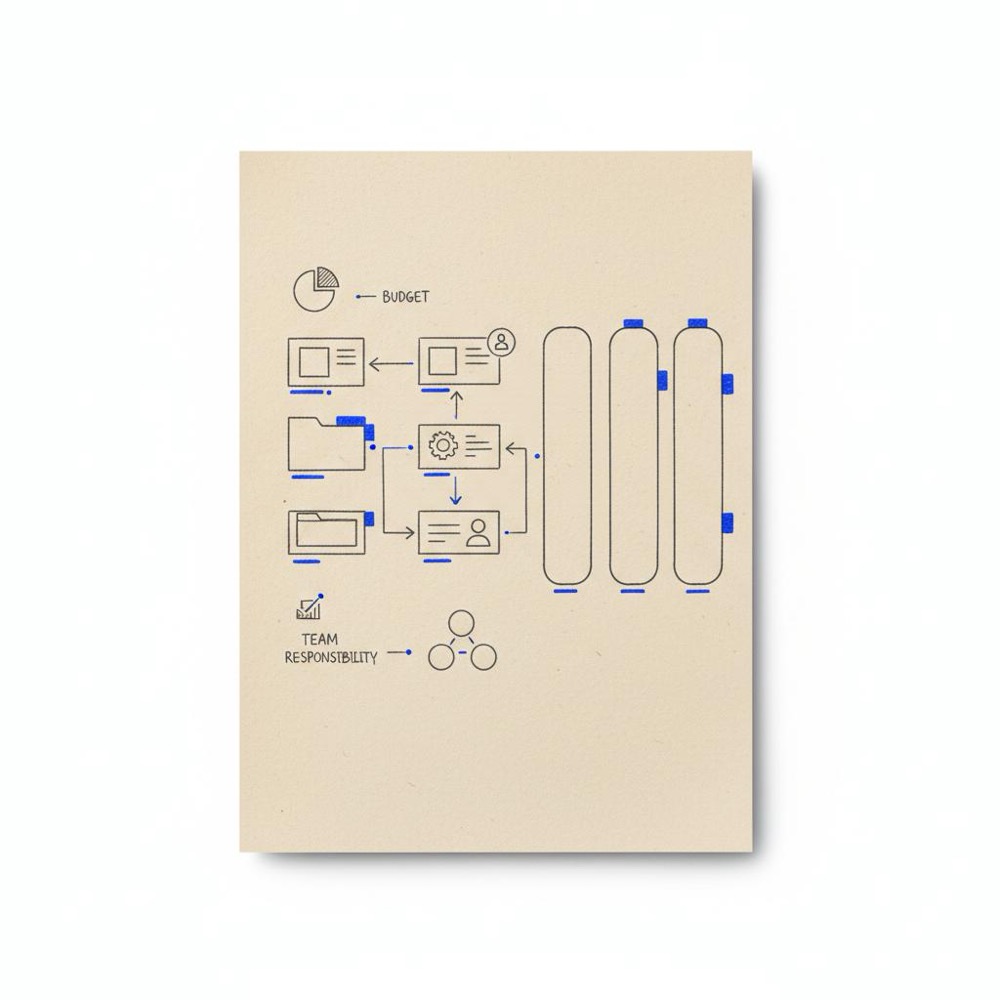
Here are practical ranges you can use as starting points. Tip: include your logo early in the brief so the designer can keep the visual system consistent.
Simple brochure site: $1,000-$10,000 - a few clean pages, mobile-ready, basic CMS or page builder.
Small business site: $3,000-$15,000 - more pages, custom design, basic integrations (contact forms, newsletter).
Small to mid e‑commerce: $5,000-$50,000+ - product listings, payments, inventory, shipping rules.
Custom web app: $25,000 to well into six figures - custom backend logic, user accounts, complex APIs.
Why ranges are wide (and what changes price)
It’s rarely the look that makes a site costly; it’s the work behind it. The main drivers are:
- Features: custom checkouts, product variants, booking, or complex user roles add time.
- Integrations: CRM, payment gateways, inventory syncs or third‑party APIs.
- Content: who writes and cleans up text, images or product data.
- Accessibility and compliance: inclusive design and privacy work need testing and documentation.
- Team experience: senior designers and developers cost more but reduce risk.
How providers charge: hourly, fixed, and retainer
You’ll typically see three pricing models. Which one fits you depends on scope certainty and the relationship you want.
Hourly - flexible but requires trust. Freelancers often charge by the hour; expect anything from $15-$35/hour on marketplaces to $25-$100/hour for experienced independents. Agencies usually start near $75/hour and go up to $250/hour or more. For a broader look at freelancer vs agency rates, see this comparison: Rates for Website Design: Freelancers vs. Agencies.
Fixed price - predictable if scope is nailed down. Good for well-defined projects but beware of scope creep.
Retainer or outcome-based - great for ongoing work or if you prefer predictable monthly investment tied to improvements or support.
When agency rates are worth it
An agency adds project management, QA, and multiple skills in one team. That reduces risk: fewer missed deadlines, clearer handoffs, and documented processes. If you need reliability, an agency often delivers better long‑term value even if the upfront cost is higher.
If you want a candid review of proposals or help turning goals into a clear brief, consider talking with Orvus - get in touch with Orvus for a no-pressure review and practical recommendations.
Many teams also find it useful to review recent work before deciding; you can browse a range of case studies to judge fit and quality.
Get a clear review of your web design quote
Need a quick, no-pressure review of proposals or a second opinion on scope? See Orvus projects to judge fit and then contact them for a short proposal review.
Hourly rates and what they buy
To answer the repeated question how much should a website designer cost, it helps to know how hourly rates translate into deliverables:
- $15-$35/hour: entry-level freelancers or marketplace contractors. Good for simple template installs and basic edits.
- $25-$100/hour: experienced freelancers who can design and build with solid UX and basic integrations.
- $75-$250+/hour: agencies or senior specialists who provide full project management, QA, documentation and often strategic input.
For further context on typical hourly ranges, see this overview: Website Design Cost Per Hour.
Estimating time by task
As a rough guide:
- Simple 5‑page brochure site: 20-80 hours (design, build, content help).
- Custom small business site: 80-240 hours (design system, several templates, integrations).
- Small e‑commerce with hundreds of SKUs: 200-800+ hours (data prep, custom checkout, shipping rules).
- Custom web app: 1,000+ hours depending on workflows and backend complexity.
Ongoing costs: hosting, maintenance and support
Don’t treat the website as a one‑time spend. Expect recurring costs for hosting, security, backups, CMS updates and monitoring. Typical monthly ranges:
- Basic hosting: $20-$50/month.
- Managed hosting & maintenance: $100-$500+/month.
- Enterprise-grade e‑commerce or app hosting: can be much higher depending on traffic, SLAs and backups.
A practical rule: budget roughly 5-20% of your initial build cost per year for ongoing care, more if you run e‑commerce.
How to compare quotes fairly
When several proposals land in your inbox, don’t compare the headline numbers alone. Instead:
- Look for scope clarity: exact pages, features and integrations should be listed.
- Ask for line-item breakdowns: design, development, content work, testing and launch.
- Confirm who provides content: copy, images and product descriptions can add substantial hours if the vendor is expected to supply them.
- Check revision cycles: how many rounds are included and what counts as a new feature.
- Find out testing coverage: what devices and browsers will be validated?
- Clarify ownership: who owns design files and source code at the end?
Hidden costs to uncover
Ask the vendor about third‑party fees, such as premium plugins, fonts, or stock photo licenses. Confirm whether they include deployment (moving the site live), SSL, domain registration help and analytics setup.
Simple scenarios to help you budget
Real examples often help more than abstract ranges:
Local café (5 pages, you provide photos and copy): a freelancer or small studio could deliver a professional site for a few thousand dollars.
Mid-sized retailer (1,000 SKUs, custom checkout): expect five figures or more; strict performance and security needs push costs higher.
Custom SaaS-like product: budget from $25,000 upward depending on user flows and backend complexity.
Red flags and good signs in proposals
Watch out for:
- Proposals without detail or timelines.
- Unrealistically low prices that skip testing or documentation.
- Vague ownership and licensing terms.
Good signs include clear milestones, sample deliverables, references and a warranty or bug-fix period after launch.
Negotiating and preserving value
If a quote exceeds your budget, negotiate sensibly. Ask where costs can be trimmed without sacrificing essentials:
- Phase the project: launch a minimum viable site, then add features in later phases.
- Use a reputable theme and customize it rather than building everything from scratch for lower-expectation visual work.
- Provide cleaned content and product data to reduce vendor hours.
What not to cut
Don’t sacrifice security, backups, or basic accessibility to save money. Those areas save you far more in the long run than they cost now.
AI, pricing trends and the future
AI tools are speeding up routine tasks-draft copy, initial layouts, and some testing. That can shorten timelines and help with cost efficiencies, but senior judgment for UX, accessibility and complex integrations remains necessary. Expect AI to lower some labor costs for routine portions of work, but don’t expect it to eliminate the need for experienced designers and developers.
Paying more for an agency is often worth it when you need reliability, project management, and multiple disciplines (design, development, QA) working together - the upfront premium can reduce long-term risk and operational downtime.
(inserted here is a practical, human question readers often wonder about)
Practical checklist: Before you ask for quotes
To get fair and comparable proposals, prepare a short brief that covers:
- Goals: what the site must achieve (leads, sales, bookings).
- Audience: primary users and their needs.
- Core features: required integrations, payment needs, logins, e‑commerce.
- Content status: who will supply text, photos and product data?
- Timeline & budget range: be realistic and give vendors a range.
Platform choices and cost implications
Platform choice affects both build cost and ongoing spend. Some common tradeoffs:
- WordPress (with WooCommerce): flexible, large ecosystem; may require more maintenance and plugin costs.
- Shopify: great for many online stores; predictable hosting and fewer technical surprises, though some advanced features need apps or custom code.
- Webflow: powerful for design-led sites; good for marketing sites and mid-complexity stores (with integrations).
- Custom build: highest initial cost, most flexibility and control.
For advice on choosing custom vs off-the-shelf solutions, consider this guide: Custom vs off-the-shelf.
Content and SEO: where time becomes money
Content is often the hidden cost. If your vendor creates or edits copy, organizes product categories, or performs keyword work, that takes time. Basic SEO and performance work requested up front can add cost but produces better outcomes than leaving it as a later add-on.
Typical content tasks and time
- Writing and refining homepage copy: 4-12 hours.
- Product description clean-up (per 100 products): 10-40 hours depending on data quality.
- Basic on-page SEO groundwork: 8-30 hours across a small site.
Case story - value vs. cheapness
A business owner hired a very low-cost freelancer for an e‑commerce site for under $2,000. The site launched but critical functions failed-search broke and orders were missed. The original developer went quiet, and the business lost revenue while chasing fixes. Ultimately they paid an agency to rebuild properly; the total spend far exceeded what a reliable partner would have cost initially. The lesson: low cost can be false economy when the risks are operational.
Sample questions to ask potential designers or agencies
Before you sign, ask:
- Can you show recent projects similar to mine?
- Who will be my day-to-day contact and who does the work?
- What is included in the warranty or bug-fix period after launch?
- How do you handle third‑party costs and licensing?
- What testing devices and browsers will you verify?
Common myths about web design pricing
Myth: Cheap designers are always fine for small projects.
Reality: Sometimes yes, but only if the scope is tiny and the provider has a good track record. Reliability and clear terms matter.
Myth: Agencies only sell fancy, costly promises.
Reality: Good agencies bring process and safeguards that reduce long-term risk. For businesses that can’t afford downtime, that’s often worth the premium.
How to split a project into phases
A phased plan helps control cash flow and risks. A typical three-phase approach:
- Phase 1 - Launch MVP: core pages, essential integrations, basic SEO and tracking.
- Phase 2 - Expand features: add advanced integrations, custom UX pieces, and A/B testing.
- Phase 3 - Optimize: performance tuning, SEO content rollout, CRO improvements.
Maintenance agreements and what to expect
Maintenance can be billed monthly or as blocks of hours. Typical items covered:
- Security updates and backups.
- Minor content updates and bug fixes.
- Performance monitoring and uptime alerts.
When outcome-based fees make sense
If you want a partner aligned to your business outcomes, outcome-based or conversion-linked fees can work. They require transparent baselines and measurement, and both sides must agree on realistic, measurable goals.
Sample retainer structure
$2,000/month could include regular performance work, minor enhancements, and a buffer for ongoing optimization. Tailor the amount to the expected volume of changes and the value you need.
For broader market context on web design rates, see this industry summary: Web Design Rates in 2024.
Wrap-up guidance: how to decide
To answer how much should a website designer cost for your project, follow this short decision flow:
- If scope is small and clear: a fixed-price freelance option often fits.
- If scope or integrations are complex: prefer experienced freelancers or agencies on hourly or fixed-price with clear milestones.
- If you need ongoing growth and measurable outcomes: consider a retainer or value-based agreement.
Short, practical budgeting guide
For quick planning:
- Small brochure site: budget a few thousand dollars.
- Custom small business site: mid-to-high five figures.
- Scale e‑commerce or web app: five figures minimum; can move into six figures.
FAQ snapshot
Below are common questions readers ask - answered briefly with practical advice.
How much should I pay a freelance web designer?
Expect $25-$100/hour for experienced freelancers. Entry-level rates are lower but carry more risk. Match experience to your project complexity.
What should I expect in ongoing costs?
At minimum, plan for $20/month for very basic hosting and several hundred dollars for managed support and security for business-critical sites.
How do I know if a quote is fair?
A fair quote is transparent, aligns with your brief, and includes references or portfolio examples. It should explain assumptions and list what’s out of scope.
Final thought and friendly sign-off
Choosing the right partner is as much about trust and clear communication as it is about dollars. With a good brief, thoughtful questions, and staged work, you can get a website that supports your goals without surprises.
One-sentence close: In short, the cost depends on scope, provider type, and functionality - plan realistically, ask good questions, and prioritize clarity.
Thanks for reading - good luck with your project, and remember to ask for references before you sign anything.
Expect experienced freelance web designers to charge roughly $25-$100 per hour. Entry-level marketplace contractors can be lower ($15-$35/hr) but often need more oversight. For short, clear projects, a skilled freelancer is cost-effective; for complex integrations or a tight timeline, consider an agency.
Budget for hosting, security, backups, CMS updates and monitoring. Basic hosting can be $20-$50/month; managed hosting and maintenance commonly run $100-$500+/month. A useful rule of thumb is 5-20% of the initial build cost per year, higher for e‑commerce.
A fair quote is transparent, lists deliverables and assumptions, includes milestones and revision rounds, and shows references or examples. Compare scopes, check for hidden third‑party fees, and ask about testing coverage, ownership and post-launch support.
References
Want this kind of work done for your business?
We build and run AI-powered marketing and automation. 15 minutes, honest assessment.
Book a call