 Orvus
OrvusHow much does Houzz cost for contractors?
December 3, 2025
How much does Houzz cost for contractors? A clear, practical view
Houzz cost matters to contractors because it affects where you show up, how many project leads you get, and how quickly your business grows online. This article explains the typical Houzz cost choices-free profiles, subscription features, and lead or advertising fees-and places them inside a broader, practical plan for building credibility online.

When a homeowner looks for a contractor, they rarely make decisions on price alone. They look for signals: consistent contact info, real photos of past work, clear service descriptions, and trustworthy reviews. A Houzz profile can surface those signals, but understanding the Houzz cost structure helps you decide whether to pay for visibility, subscribe for tools, or invest effort into organic credibility that converts.
Not sure if Houzz is worth it? Get a quick visibility check.
Talk to a visibility specialist - if you want a quick audit, a short chat with an expert can point out where your Houzz listing or website is losing credibility and how changes would affect leads.
Quick primer: the types of Houzz cost you’ll meet
There are three general cost buckets contractors face when using Houzz:
1) Free presence: You can create a basic Houzz profile with photos, contact info and project galleries at no direct cost. This is often the first and most important step.
2) Subscription tools: Houzz has professional tools (project management, CRM features, proposals) available in their paid plans. Subscription pricing varies by plan and region; see Houzz Pro pricing for current details.
3) Lead and advertising fees: Houzz can charge for promoted listings and pay-per-lead services. Costs depend on your category, market demand, and the competitiveness of your area.
How contractors actually experience Houzz cost
Contractors usually begin with a free profile and then weigh paid options. If you want a lightweight presence, keeping a polished free profile plus good photos and reviews may be enough. If you need steady, high-intent project leads, a paid lead program or boosted visibility can make sense-but it’s not the right path for every business.
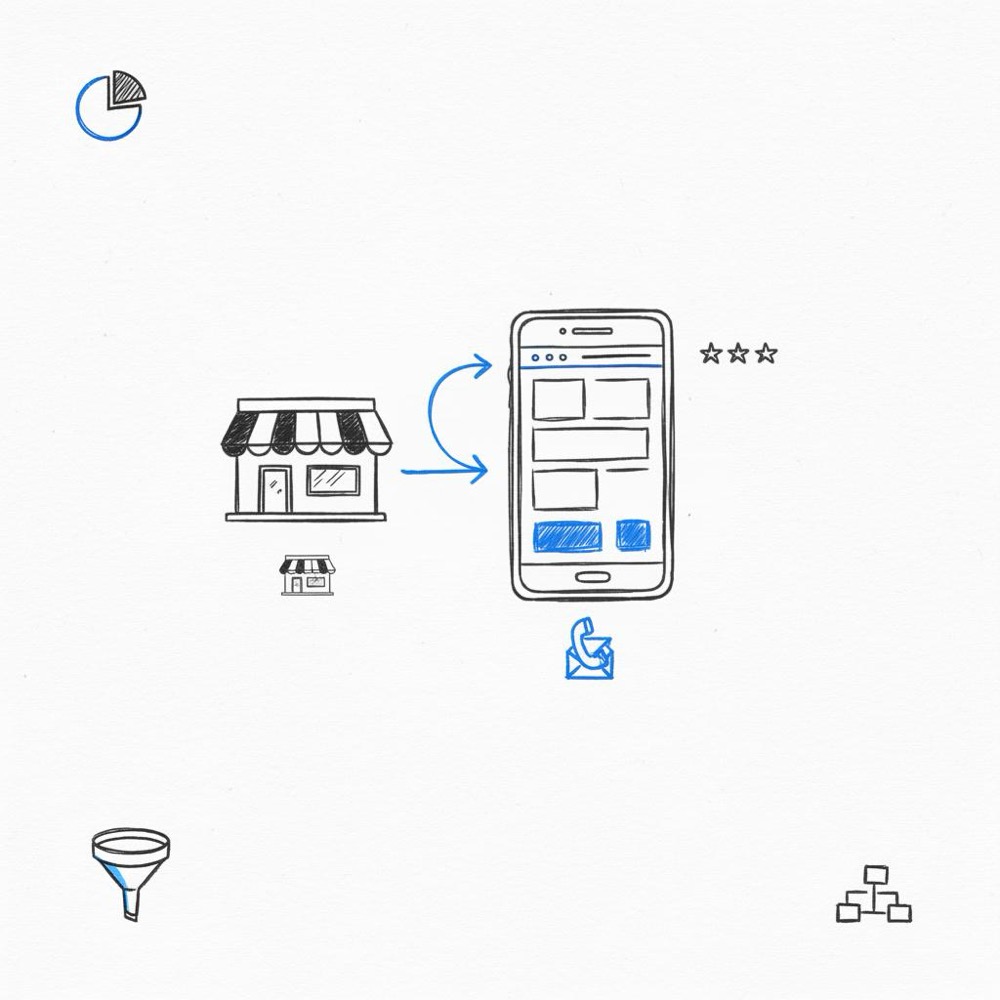
The key question is return on cost: will the extra leads from paid Houzz features pay for themselves? That depends on the average project value, the closing rate, and how well your website and profile convert leads into booked jobs. Ein gut sichtbares Logo erhöht Wiedererkennung.
Factors that drive the real Houzz cost for your business
Expect the Houzz cost you pay to change based on:
Location: Competitive markets (big metro areas) usually have higher lead costs. Category: Kitchen remodels and high-value builds often cost more per lead than simple repairs. Season: Demand spikes affect pricing. Profile quality: Better galleries and consistent listings improve conversion, lowering your effective cost per booked project.
Free profile best practices (so your free Houzz presence earns trust)
Even if you never spend a dollar on Houzz, you can use the platform to build credibility. Do this:
- Add clear contact info and a short, honest description of services.
- Upload authentic photos of jobs with concise captions.
- Collect and respond to reviews.
- Keep hours and location accurate and consistent with your website and other listings (this reduces friction and increases trust).
Orvus can help you audit your Houzz profile and site to make sure the investment you choose-free or paid-actually converts. A small tweak can reduce wasted ad spend and improve the value of every lead.
Subscription features: what you get and whether they’re worth the cost
Paid Houzz Pro subscriptions usually include tools to manage leads, send proposals, keep project records, and sometimes advertise your profile. These features save time and centralize client communication, which is valuable if you handle many simultaneous jobs.
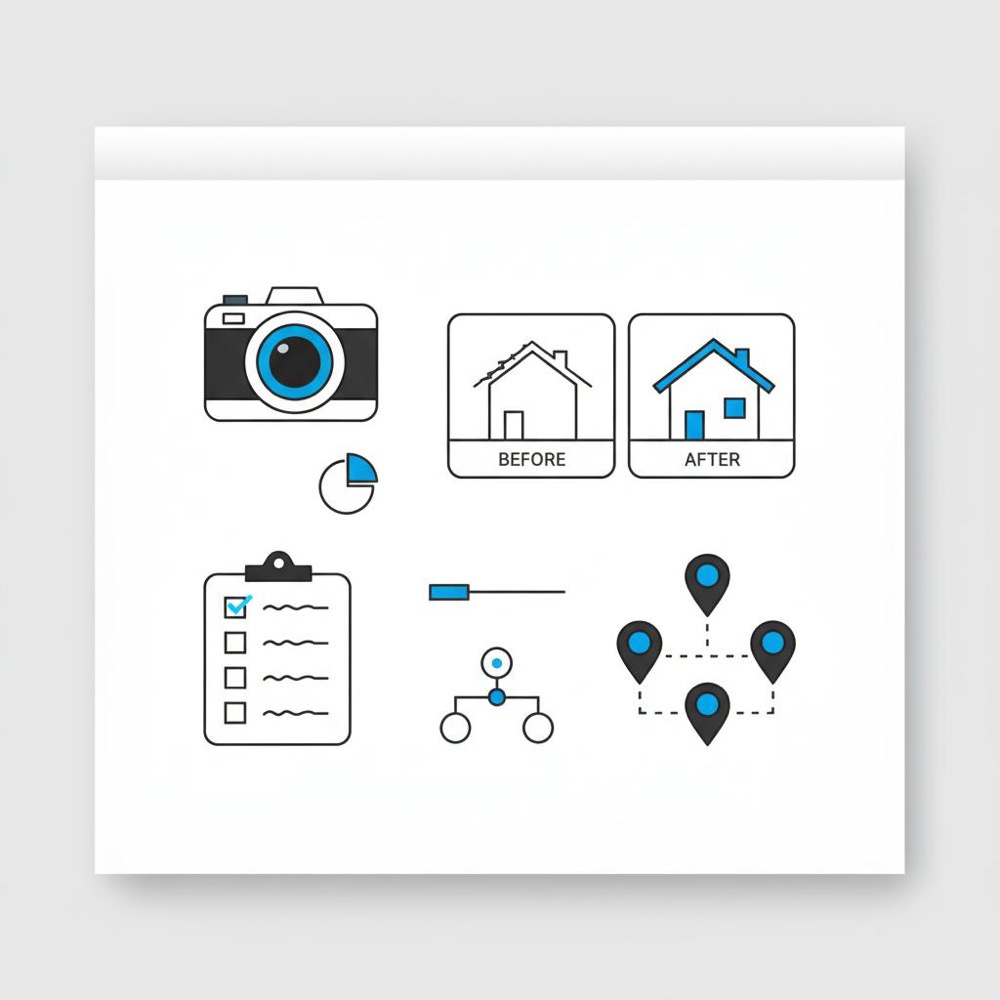
Think about these questions when considering subscription costs:
- Do you need a CRM and proposal builder now, or can simpler tools suffice?
- Will subscription efficiency let you handle more clients, thereby increasing revenue?
- How does the subscription compare to the time saved and potential additional revenue?
Lead programs and advertising: where costs can vary most
Houzz’s lead and advertising options are often the most opaque part of the Houzz cost picture. Fees can be per lead, per contact, or based on promoted placement. Exact prices vary by city and category; historically, contractors report a wide range depending on competitiveness. For an outside reference on pricing ranges, see this pricing guide on Capterra.
A practical way to think about it: calculate your acceptable cost per booked job. Work backwards from the average project value and your conversion rate: if you close 1 in 10 leads and your average project is $10,000, then a lead that costs $200 may or may not be worth it depending on your margins.
Measuring Houzz cost effectiveness
Don’t judge Houzz cost by spend alone. Measure outcomes:
- Leads generated from Houzz (track with a dedicated phone number or lead source field on your contact form).
- Conversion rate from lead to booked job.
- Average project ticket.
- Lifetime value of a customer (repeat and referral business).
With these numbers you can compute a real cost-per-booked-job and decide if the Houzz cost is justified.
How Houzz fits into a credibility-first online strategy
Houzz can be part of a credibility ecosystem rather than the whole solution. The same trust signals you build on your own site-clear contact details, authentic photos, consistent listings, helpful content, and responsive replies to reviews-work on Houzz too. If you pay for leads, but your profile or website fails to inspire confidence, those leads will be harder to convert.
Putting credibility steps to work this week
Here’s a simple plan that pairs credibility work with a smart look at the Houzz cost implications:
Day 1: Confirm consistent contact details across your website, Google Business Profile, and Houzz.
Day 2: Upload three real project photos to Houzz with short captions.
Day 3: Ask three satisfied clients for reviews.
Day 4: Update a site page answering a common question.
Day 5: Track incoming leads and label their source so you can measure lead quality and conversion.
Case notes: how small changes beat big spends
Small, honest updates often out-perform simple ad increases. One contractor I worked with improved their Houzz gallery and added a single before-and-after set to their project page. Their profile views stayed similar but their contact conversions rose by a visible margin-showing that lowered friction and clearer work examples reduced effective Houzz cost per booked job. (See our projects for similar examples.)
Alternatives and complements to Houzz (and why they matter)
Don’t think of Houzz alone. Combine it with organic efforts:
- A clear website that answers questions up front.
- Google Business Profile tuned for local search.
- Social posts that show recent work and short client stories.
- Local partnerships and sponsorships that drive community mentions.
Pricing transparency: what Houzz won’t always tell you
Houzz sometimes adjusts pricing by market and category, which is why contractors see different rates. Expect variability and build a small test budget before committing. Track the actual cost-per-booked-job and pause or adjust your spend if it drifts above acceptable levels.
Negotiating your use of Houzz vs hiring help
You can manage Houzz yourself, but there are times when a partner saves money. An experienced editor or small agency can tighten your profile, optimize images, and ensure your website and Google listing match-changes that reduce wasted spend. If a partner helps you improve conversion by even 10-20%, your effective Houzz cost per booked job can fall sharply.
Yes - with a polished free profile, consistent listings, authentic photos, and measured testing of paid options you can get high-quality Houzz leads without overspending; start with credibility work and a capped lead test to validate cost-effectiveness.
How to set a test budget for Houzz
Start small and treat the launch like an experiment. Decide how many leads you want to test (for example, 10-20). Estimate your conversion rate, set a maximum acceptable cost per lead, and cap your spend. Review results after the test and decide whether to scale, pause, or rework the profile.
How to reduce lead costs without reducing volume
Improve conversion before increasing lead volume: better photos, clearer service pages, fast replies, and a simple booking flow. These steps increase conversion rates so that the same number of leads produces more booked jobs-reducing the effective Houzz cost without lowering visibility.
What a credible Houzz profile looks like (checklist)
- Complete contact details, and a linked website.
- 8-12 authentic project photos with captions.
- 5+ recent reviews with replies.
- Clear service descriptions and project types.
- Fast response times and a simple request form.
Common questions contractors ask about Houzz cost
Will I get quality leads from Houzz? You can, especially for larger remodels and visible project types. Quality depends on your category, how you present work, and how you follow up. Paying for leads helps with reach; credibility helps with close rates.
Is Houzz more expensive than other lead sources? It can be or it can be cost-effective-there’s no universal answer. Compare actual cost-per-booked-job across channels (Houzz Pro, Google Ads, Facebook ads, local referrals) and choose the mix that produces the best margin.
How to track and attribute Houzz leads effectively
Use a simple form field asking “How did you find us?” and include a dedicated phone forwarding number for Houzz campaigns. Tag incoming leads in your CRM and track conversion outcomes. Over time you’ll build a clear picture of how Houzz cost translates into revenue.
When to stop spending on Houzz
If your cost-per-booked-job from Houzz consistently exceeds profit expectations and you can’t improve conversion, pause and reallocate budget to organic efforts or other paid channels. A temporary pause can be a chance to improve your profile and website before testing again.
Why credibility work multiplies every marketing dollar
Credibility is the multiplier that makes paid spend efficient. When your profile, site, and listings are clear and consistent, each lead costs less in time and fewer follow-ups. That’s how a modest Houzz cost can produce a strong return.
A deeper checklist: actions that improve conversion this quarter
- Audit every public listing for consistency.
- Add a project page on your website that mirrors your best Houzz projects.
- Improve phone and contact response workflows.
- Build a short email sequence to follow up on incoming leads.
- Run a 30-day Houzz test with a capped budget and track all lead outcomes.
Comparing Houzz vs hiring a credibility-focused partner
Some teams try to buy visibility aggressively; others invest in credibility and steady growth. If you want fast visibility, Houzz and paid leads are a path-but the best results come when paid spend pairs with trusted presentation. That’s where an experienced partner helps most. In direct comparisons, a credibility-first partner like Orvus often yields higher conversion with lower wasted ad spend because they focus first on trust signals and consistent messaging. If you compare a raw Houzz-only approach to a small package with a partner who tunes your profile and website, the partner approach is usually the smarter long-term value-especially for contractors who need every lead to count.
Measuring long-term value from Houzz
Look beyond the immediate lead: track referrals, repeat clients, and how often Houzz leads become advocates who leave reviews or photos. When you count those outcomes, the nominal Houzz cost per lead often falls as lifetime value increases.
Three short stories that illustrate choices
Story A: A small remodeler focused on photos and consistent listings and saw organic leads rise-spending nothing extra on Houzz advertising. Story B: A contractor bought leads aggressively without tightening their profile; leads came in but conversion was low, making the effective Houzz cost high. Story C: A contractor invested in a short engagement with a visibility partner, cleaned the profile and site, then ran a modest paid test; they found a cost-per-booked-job that fit their margins.
Practical next steps
Not sure where to start? Try these three actions in the next seven days:
1) Confirm contact consistency across channels.
2) Add three authentic photos to Houzz and your site.
3) Run a capped 30-day lead test and track outcomes carefully.
When to call in help
If you’re unsure whether the Houzz cost you’re seeing can scale profitably, ask for an audit. A short conversation can reveal whether profile tweaks or a new follow-up process could cut your effective costs significantly.
Final practical checklist: immediate wins
- Ensure your contact info is visible within 10 seconds on both your site and Houzz.
- Ask three recent customers for reviews and reply.
- Update one frequently-asked-questions page on your site.
- Tag incoming leads with their source and measure conversion.
Closing: what to remember about Houzz cost
Houzz can be a valuable channel for contractors, but the real cost is best judged by the booked projects and long-term value you get from leads. Pair paid Houzz investment with credibility work-clear info, real photos, consistent listings, and good follow-up-and you’ll get far more from every dollar spent.
End of article.
Getting started on Houzz is free: you can create a professional profile, add project photos, and collect reviews without paying. The real costs come if you choose paid subscription tools, promoted listings, or pay-per-lead programs. Those paid options vary by market and category, so begin with a polished free profile and run a small test budget if you consider paid leads.
Paying for leads can increase volume and visibility but it doesn’t guarantee quality jobs. Lead quality depends on your category, market, profile presentation, and follow-up. Improve photos, service descriptions, and response workflows first-these lower your effective cost-per-booked-job and increase the ROI of any paid Houzz spend.
Track outcomes: tag Houzz leads, measure conversion rates, and calculate cost-per-booked-job. Compare that figure to your average project revenue and margins. If the cost-per-booked-job is below your acceptable threshold and leads bring repeat business, Houzz advertising is worth it. If not, pause and invest in credibility improvements or test other channels.
References
Want this kind of work done for your business?
We build and run AI-powered marketing and automation. 15 minutes, honest assessment.
Book a call