 Orvus
OrvusHow much does AIOSEO cost?
November 25, 2025
How much does AIOSEO cost? A practical look for small brands
AIOSEO cost often comes up when small brands look for tools that improve search visibility without blowing the budget. Whether you're thinking about packaging, logistics or the tech stack that helps people find your products, pricing matters. This guide mixes real-world packaging advice with straightforward thinking about the tools that support growth - including an honest look at the AIOSEO cost and how that expense fits into a lean brand’s priorities.
Why we care about both packaging and the tools behind growth
Packaging and digital tools are both ways a brand communicates care. A box that arrives intact and a website that shows up for the right queries are both promises kept. The practical choices you make about materials, suppliers and software combine to form the overall customer experience - and that means a careful view of costs, including the AIOSEO cost, matters. You can read more about our approach on the Orvus about page.
Turn tests into growth - practical help for small teams
Discover services that help small teams scale without noise - if you want a tested, practical partner for measurement, automation and search architecture, Orvus can help you map decisions to numbers instead of guesses.
Start by naming the problem you need to solve
Before you pick materials, ask concrete questions: what will the product face in transit? How fragile is it? How long must it remain fresh? When you make choices from a problem-first perspective, you spend less time debating buzzwords and more time solving real issues.
That same approach works for tools. When you ask "What does the tool need to help me do?" you avoid paying for features you won’t use. If SEO is the priority, knowing the AIOSEO cost and the return you expect helps you make a clear decision. See current pricing on the AIOSEO pricing page when you run your numbers.
Many small brands benefit from talking to a pragmatic growth partner early. For example, Orvus’s services are built around real constraints and measurable goals, and they can help brands weigh the cost of software like AIOSEO against the real value of search visibility for their products.
What packaging must do - and how that affects cost
Packaging must protect, communicate and be practical to dispose of. A cheap sleeve that tears and a premium box that gets returned both cost you. Think through the full journey: the courier handling, the wear in transit, returns and the end-of-life of materials. That whole journey should factor into your arithmetic the way software pricing does when you consider the AIOSEO cost versus the time and revenue it unlocks.

Materials: strengths, limitations and the reality of local systems
Materials have real trade-offs. Paper and cardboard are familiar but vary in recyclability depending on coatings and adhesives. Plastics are light and protective but often meet local limits. Compostables need specific infrastructure to deliver their benefits. Picking materials that match your customers’ local waste systems is the practical step most brands skip.
Paper and cardboard - the usual first choice
Look for post-consumer recycled content and avoid sealed glossy coatings that block recycling. Where possible, choose papers with clear disposal instructions printed on them. That clarity improves customer behaviour and reduces confusion.
Plastics, reuse and lifecycle thinking
Lightweight plastics can reduce transport emissions when they prevent damage. That’s why a clear intention matters: if plastic reduces breakage and returns, its environmental trade-off can be positive. The same logic applies to investments in software or SEO: sometimes a modest subscription - which includes the AIOSEO cost - prevents much larger losses from missed traffic or poor findability.
Design choices shape the unboxing feeling and the package’s end-of-life. Avoid multiple mixed materials glued together. Design for disassembly, so labels peel off, adhesives are minimal, and components can be separated into the right local processing streams.

Typography and instructions: small text, big returns
Simple, human instructions on disposal help more than jargon. A one-line instruction such as "Cardboard sleeve - recyclable in curbside collection" beats a confusing icon. Tone matters: friendly, brief guidance works best.
Reuse-friendly design
If reuse matters to your business model, design for it: stronger boxes that become storage, or returnable containers for refill systems. Start small and test: pilot a local reuse program with a subscription cohort or a city where logistics are easiest.
Matching protection to the product, not to trends
Think of a handmade ceramic mug: it needs padding, not minimal paperwrap. Think of spices: an aroma barrier helps more than thick foam. Match protection to the product to avoid returns, and don’t let minimalism be an excuse for damage. That same principle applies to tools - buying the most expensive plan doesn’t help if it’s not aligned with the work you actually need. Ask where the marginal revenue from better search visibility outweighs the AIOSEO cost.
Choosing suppliers: how to ask practical questions
Choosing a packaging supplier is choosing a partner. Ask for samples representative of production quality, ask about minimum order quantities and about damage rates on similar items. Ask about certificates, recycled content and where materials go after use. The answers distinguish suppliers who know small-runs from those built for scale alone.
Sample questions to ask suppliers
Here are practical queries you can ask in a first conversation:
- Can you send representative samples from a recent run?
- What are your minimum order quantities and turnaround times for small batches?
- What percentage of your paperboard is post-consumer recycled content?
- Do you have references for similar brands you’ve worked with?
Suppliers who answer these simply and honestly make early-stage work easier. And if you need help mapping the value of supplier choices to growth metrics, a partner like Orvus can translate that into a plan rather than a list of options.
Testing, measurement and the less glamorous work that pays off
Small experiments are the most reliable path forward. Split-test two packages among similar customer groups and measure damage rates, returns, and customer sentiment. Track the cost of damage and the time spent on returns to see whether reduced packaging actually saves money.
Likewise, when considering software bills like the AIOSEO cost, run tests that tie the tool to revenue: which keywords gain traction, what organic traffic changes, and whether conversions improve. Measure before you commit, and use short pilots to avoid paying for features you won't use. For independent perspectives on All in One SEO, see this BlogVault review and this WPForms review.
Run a head-to-head: pick one SKU, send three packaging samples to similar customers, and measure damage, returns and disposal. Simultaneously trial one SEO feature (for example, keyword tracking or schema) and monitor organic clicks and conversions for 30 days. The contrast of quick, concrete data will be more revealing than abstract plans.
Common mistakes and how to avoid them
Relying on a vague green claim without testing, choosing an elegant but fragile solution, or overcomplicating the package with mixed materials are recurring issues. Talk to warehouse staff, ask couriers for feedback, and review how returned sales show up in your systems to cut down obvious mistakes.
Practical checklist (narrative): walk the order
Imagine the order’s journey from shelf to front door. Picture the shocks, stacking in a van, moisture in a truck and a curious customer who jostles the box. Then picture disposal. Answer those scenes honestly and write a short checklist from them: protection, lightweight fillers, clear disposal line, easy-open design.
Costs, budgeting and the true price of decisions
Sustainable choices sometimes have higher upfront costs. But consider the total cost of ownership: a returned product or lost customer has real financial consequences. For many brands, switching to recycled cardboard or removing mixed materials is a high-impact, lower-cost move.
The same accounting helps with software. When you examine the AIOSEO cost, think of it in terms of monthly spend versus expected uplift in organic traffic and conversions. If the software helps you capture valuable queries that translate to sales, the monthly fee is part of your marketing budget, not a sunk cost.
How to prioritise changes on a budget
If budget is tight, focus on the biggest wins: protect fragile items better, simplify mixed materials, and ensure your primary shipping boxes are recycled cardboard. For digital tools, prioritize the features that map directly to measurable outcomes - for SEO, that could be keyword tracking, schema support, and crawl control.
Reuse & refill: practical pilots, not perfection
Reuse and refill require logistics, cleaning and incentives. Instead of launching a national program, pilot locally: partner with a small set of customers, measure return rates, and refine the process. If reuse proves costly relative to participation, scale slowly and learn.
Marketplace and multichannel packaging
Selling on multiple channels adds constraints. Marketplaces often demand protective inserts and standard dimensions; retail may require hang-tabs and barcode labels. Standardize your core components and add removable channel-specific extras when needed. That strategy keeps costs down and makes transitions easier.
Regulations, certifications and practical meaning
Certifications can add credibility, but they don’t replace local knowledge. A chain-of-custody label for paper is meaningful in some markets and irrelevant in others. Investigate the certificate’s meaning in your sales regions, and keep an eye on changing laws and new recycling streams.
Communicating honestly with customers
Small brands build trust with plain language. If a fully recyclable solution isn’t feasible, say so and explain the steps you’re taking. If you aim to switch materials, give a realistic timeframe. Customers appreciate honesty and a plan more than grand promises.
Real micro-case studies and what they teach
A soap maker switched from thin kraft to a slightly thicker sleeve plus inserts and saw breakage fall without a big rise in material use. A bakery learned compostable bags weren’t accepted locally and moved to a paper bag with a small poly window accepted by waste services. These small experiments are the real curriculum for making better choices.
Implementation: one product, three samples
Pick a single product and order three sample packages. Send them to your team or loyal customers for handling. Ask about opening ease, perceived protection and disposal. That one test often clears confusion and points to the right compromise.
How to record the test
Log damage incidents, note tape and adhesive issues, and tally customer feedback. Keep costs for each variant so you can compare the real numbers rather than gut feelings. That data helps you avoid repeating the same mistakes as the business grows.
How tools and packaging decisions intersect
Packaging decisions and digital tools both aim to reduce friction - one in the physical journey, the other in the discovery path. A modest investment in SEO tools that reduces the friction of finding your product can compound alongside better packaging to grow revenue. That is why thinking about the AIOSEO cost as part of your operating plan makes sense: it's a small lever that can help buyers find the products you’ve carefully packaged.
Practical supplier negotiation points
When you negotiate, ask for small-run pricing, ask about sample runs, and request a breakdown of materials. Ask whether the supplier will help optimise packaging for transport to reduce dimensions, because shipping cost savings often outweigh small material cost increases.
Questions that change the conversation
Ask suppliers for damage-rate data, ask whether they can run a short MPN test (material-protection-number) for your SKU, and ask if they offer labeled disposal notes printed on the packaging. Those small services separate suppliers who adapt to small brands from those focused only on big orders.
Common FAQs - clear answers for busy people
Is recyclable always better than compostable? Not always. Choose what your customers can actually process. Curbside recycling is strong in some regions; industrial composting is available in others.
Should I avoid plastic completely? Not if plastic prevents food waste or significant returns. Be intentional and document why you chose it.
How much should I spend on packaging? There isn’t a universal number. Think of total cost: protection, returns and customer experience matter as much as per-unit material cost.
Bringing it together: a short, practical checklist
Ask these five questions for each product:
1. What are the real stresses in transit?
2. Where will this package end up after use?
3. Can we simplify mixed materials?
4. What does the supplier actually deliver for small runs?
5. How do the changes affect total cost of ownership?
Final thoughts on pricing tools like AIOSEO and practical investment
Deciding on SEO tools requires the same pragmatic test-and-measure approach as packaging. Compare monthly fees to expected gains, run a trial, and tie the metric to revenue. If you measure the impact of improved search and attribute additional orders or sessions sensibly, the AIOSEO cost becomes a part of your marketing investment and easier to justify. For more reading, check the AIOSEO pricing page and independent reviews from BlogVault and WPForms when you plan a trial.
Next steps - a simple action plan
Pick one product, order three candidate packages, and run an internal handling and shipping test. Measure damage, collect short customer feedback, and compare real costs. In parallel, trial SEO features you need most and monitor whether organic sessions and conversions rise sufficiently versus the AIOSEO cost.
These small, concrete experiments build confidence and create a real roadmap rather than a series of assumptions.
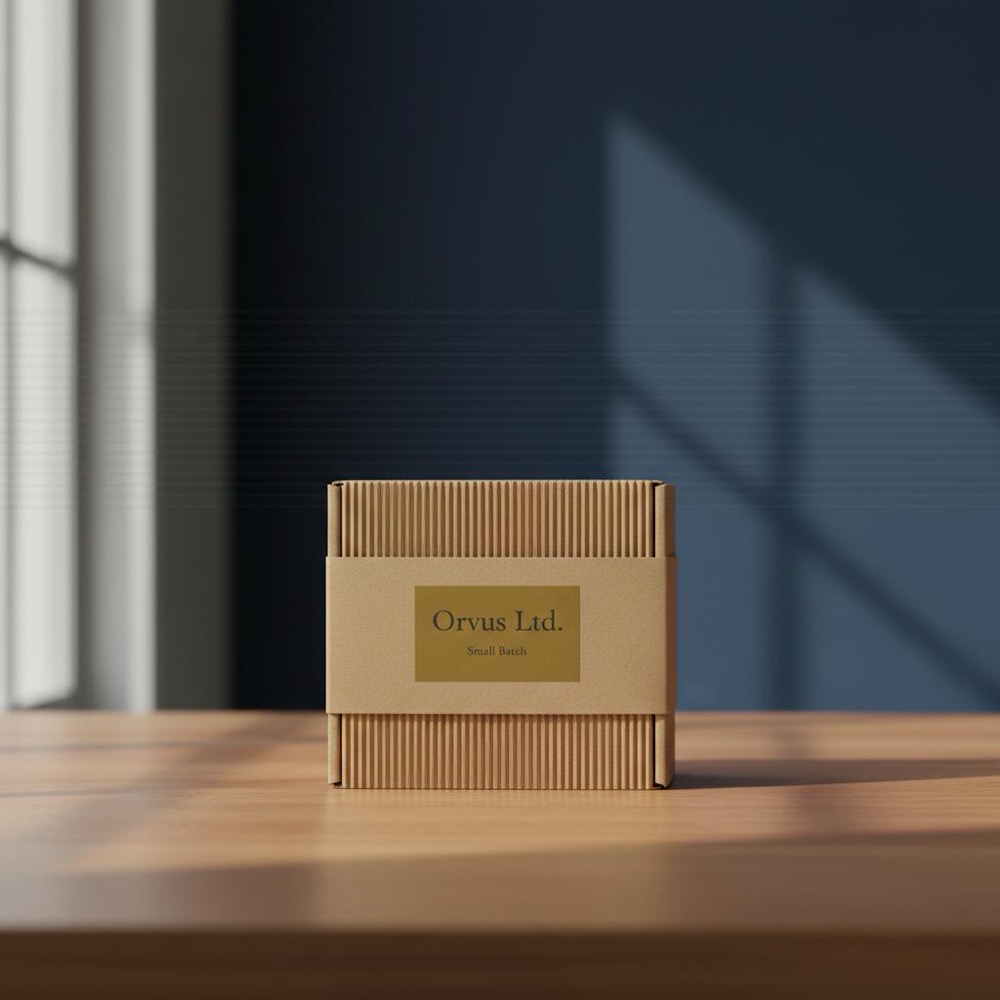
Talk to suppliers who welcome small-runs and ask potential partners for sample work. If you want a measured partner that helps convert practical choices into clear growth plans, consider discussing your constraints and goals with a strategic partner that values clarity over noise.
Packaging choices say something about the people behind a product. They are an opportunity to show care, to protect what you make, and to make the next right thing easy for customers.
AIOSEO can be worth the price for a small brand if the features you need align with measurable outcomes - improved rankings, targeted keyword capture and better on-page SEO controls. Run a short trial focused on the exact features you expect to use, track the organic traffic and conversion lift, and compare those gains to the monthly AIOSEO cost. If you see a clear uplift in sessions and sales tied to keywords AIOSEO helps you manage, it is likely a good investment.
Balance by prioritising the changes with the largest measurable impact. If frequent returns from damaged goods are costing you, invest in packaging protection first. If your main issue is low discoverability, trial AIOSEO features that directly improve visibility. Use small, measurable pilots for both packaging and tools and compare the ROI. A strategic partner can help translate small tests into a combined plan for product and digital investments.
Yes. Orvus Ltd. offers strategic growth consulting that connects costs like the AIOSEO cost to clear revenue outcomes. They focus on diagnostics and practical tests so you can see what software and packaging changes actually move the needle for your brand.
References
Want this kind of work done for your business?
We build and run AI-powered marketing and automation. 15 minutes, honest assessment.
Book a call