 Orvus
OrvusHow do I rank #1 on Google My Business?
December 10, 2025
How to win the local pack: a clear, humane playbook
Every business wants the top spot, and understanding google my business ranking is the first step to earning it. When a local search happens, the small map box or local pack often decides who gets the call, the walk-in or the click. This guide breaks the process into practical, repeatable steps you can start today and measure over 30-90 days.
Why the three signals still matter
Google’s local ranking model can be boiled down to three ideas: relevance, distance and prominence. Relevance asks whether your listing matches intent. Distance measures proximity to the searcher. Prominence captures how trusted and visible your business is online and offline.
Think of relevance as clarity: make it unmistakable what you do. Distance is predictable: users closer to you tend to see you more. Prominence is the signal you can most influence - through reviews, local links, consistent citations and on-profile activity.

What research (2023-2025) tells us
Recent industry studies and practitioner surveys from 2023-2025 confirm the same broad truths: a complete profile, steady review velocity, meaningful local links and real user engagement correlate with better google my business ranking. While direct algorithmic weights remain hidden, these signals consistently show up in the data.
High-impact levers include accurate primary category selection, up-to-date attributes, a steady flow of high-quality reviews, and building local backlinks from media, partners and event pages. On-profile activity like photos, posts and Q&A helps with engagement even if its exact ranking weight is unclear.
Tip: if you’d like a tidy, mapped plan to speed up this work, Orvus’s services offer diagnostics and a 30-90 day prioritized playbook that many local teams use to systematize reviews, links and measurement.
Practical groundwork: build the profile you control
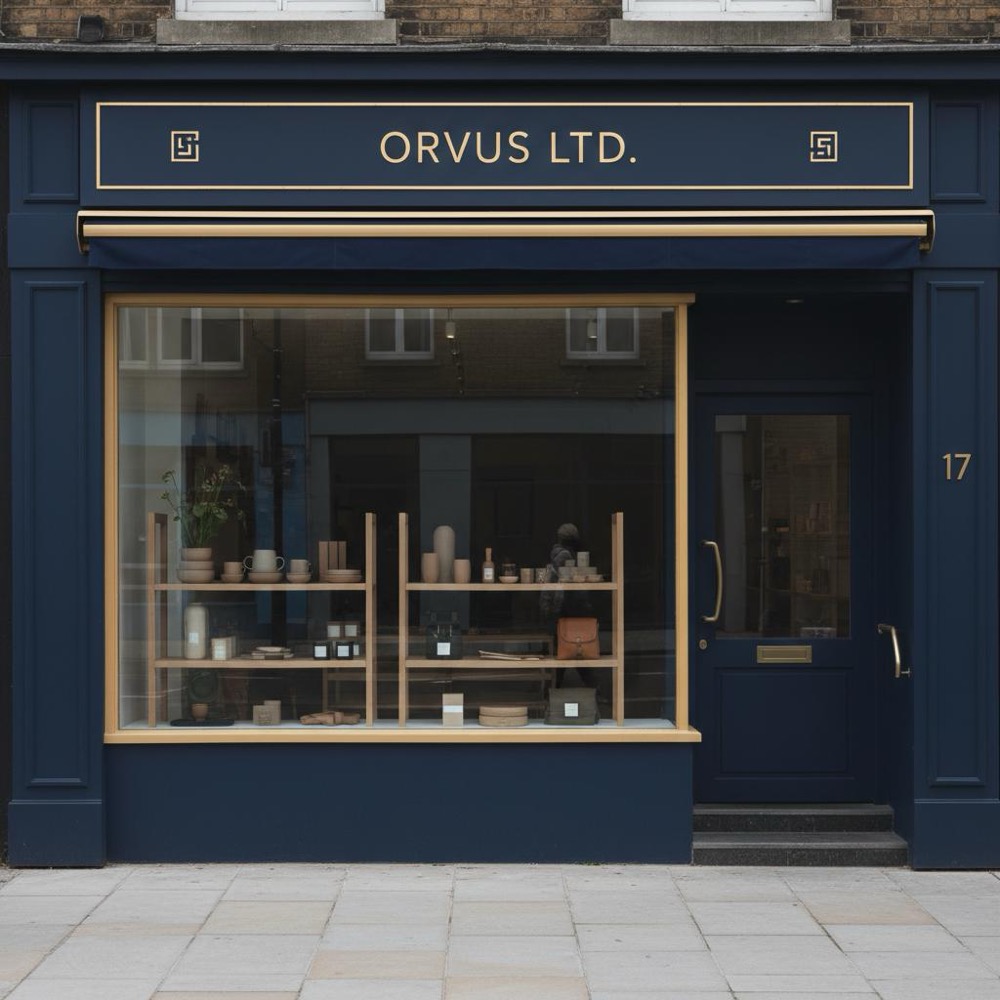
Start with the fundamentals and make every field count. A complete, accurate Google Business Profile is the baseline for any improvement in google my business ranking.
Action list:
Claim and verify - If you haven’t already, claim and verify your listing. Use the legal business name and a single, consistent phone number format across your website and directories.
Primary category - Choose the clearest primary category that reflects your main offering. Avoid stuffing keywords into your business name or adding unrelated categories; clarity beats noise.
Services and description - Add truthful service items, typical pricing ranges where useful, and write a short, human description that states who you serve and what you do. Specifics reduce friction for searchers and for Google’s relevance signals.
Attributes and accessibility - Mark applicable attributes (e.g., women-led, wheelchair accessible, offers delivery). These help match some queries and give customers quick answers.
Photos - Upload high-quality images of your exterior, interior, team and work samples. Businesses that refresh photos regularly often see more clicks and direction requests.

Reviews: the heartbeat of prominence
Reviews are one of the strongest correlates of better google my business ranking. Studies from 2023-2025 show review count, recency and velocity matter a great deal. Quality counts too - longer, specific reviews describing what customers experienced help both users and Google understand your strengths.
How to get more high-quality reviews without sounding pushy:
1. Ask at natural moments - after a completed job, at checkout, or in a friendly follow-up email.
2. Use a personal script: a brief, human request explaining why the review matters to your small business and linking directly to your review form.
3. Make it easy: provide one-click links or QR codes on receipts and follow-up messages.
4. Respond to every review - thank positive reviewers and handle negative feedback with calm, public next steps (apologize, invite an offline conversation, and explain how you’ll make it right).
Local links and citations: rebuild prominence the right way
Don’t chase spammy citations - focus on meaningful local links. Local newspapers, community groups and industry associations produce the strongest signals. Host events, sponsor a small local team, write guest posts for community blogs or partner on a joint promotion. Each real-world tie that becomes an online link strengthens your prominence.
Citation consistency (same name, address, phone) still matters for verification and local relevance, but links tend to carry more influence for google my business ranking in many markets.
On-profile activity: posts, Q&A and fresh content
Use posts to share timely updates, offers and real work. Answer customer Q&A publicly. These actions increase engagement and make your profile more useful for potential customers. Treat on-profile features as conversion tools first; their ranking effect is secondary but useful.
Behavioral signals and honest testing
Google watches what people do when they see your profile - clicks to the site, calls, direction requests, bookings. These behaviors correlate with better google my business ranking because they show users find your listing useful.
Because causality is not guaranteed, run experiments: change one element for a set time and measure. For example, tweak your description, add a week of fresh photos, or ask for reviews from a specific neighborhood and track effects on clicks and impressions.
No-fake reviews are risky, detectable and can lead to penalties; genuine, steady review growth combined with consistent profile work is the safe, effective path to better local rankings.
A practical 30-90 day plan (step-by-step)
The fastest way to test what moves your google my business ranking is to run small, documented experiments. Here’s a runnable plan you can do in a single sprint.
Day 1: Baseline and claim
Claim or verify the profile. Record GBP Insights baseline numbers: impressions, profile views, direction requests, calls and searches. Note top-performing queries and the primary category currently in use.
Days 2-7: Data alignment and clarity
Ensure NAP consistency across your site and the major directories. Choose the clearest primary category, add true secondary services, and write a short, human description with local, specific details (neighborhood names, signature services).
Week 2: Reviews and outreach
Start a focused review push for seven days: ask recent customers at natural moments, hand out a small card with a QR code, and send a short follow-up email that links to your review form. Track the number and recency of reviews collected.
Week 3-4: Local links and content
Reach out to one local newspaper, community blog or partner. Offer a guest post, a small sponsored event or a collaboration that naturally yields a link. Add three new photos and two posts to your GBP.
Days 30, 60 and 90: Measure and decide
Compare GBP Insights and GA4 events to your baseline. Look at impression trends, clicks and action rates. If a focused experiment (for example, category change or review push) produced consistent lifts, scale it. If not, try another lever and document outcomes.
Checklists you can hand to a team member
Daily: respond to new reviews within 48 hours, check Q&A and answer within 24-48 hours, add a recent photo once or twice a week.
Weekly: send a friendly review request to recent customers; publish one GBP post and review Insights for anomalies.
Monthly: run a local link outreach to one community site and review GA4 events tied to GBP clicks.
Case vignette: the neighborhood bakery
A small bakery with a wrong primary category (“Restaurant”) switched to “Bakery,” added morning pick-up services, uploaded fresh photos and began asking customers at checkout for a short review. They also earned a local paper link. Within six weeks their GBP impressions, direction requests and weekend calls climbed. The change wasn’t magical - just steady, logical work that improved relevance and prominence.
Measuring success the right way
Use GBP Insights for initial signals, but pair it with GA4 events for link clicks and time-on-site started from the GBP. Use call-tracking for campaign-level phone attribution. Keep a simple experiment log showing the change, start and end dates, and the measured result in impressions, clicks and calls.
Common experiments that reveal leverage
1. Change primary category for 30 days and measure impressions for relevant queries.
2. Add a week-long review request campaign limited to customers from one neighborhood and measure direction requests.
3. Upload fresh photos three times a week for 30 days and track clicks and impressions.
4. Earn one local media link and observe changes to prominence metrics over 60-90 days.
What not to do: risk management
Avoid shortcuts: don’t buy reviews, don’t create fake accounts, and don’t stuff keywords into your business name. These tactics can lead to suspensions and long-term damage. Real customer experiences, honest links and consistent data win over time.
Should you use AI for GBP content?
AI is helpful for drafts and saving time, but it can produce generic text. Use AI to create a starting draft, then edit heavily with local details: neighborhood landmarks, real service specifics and customer stories. A human final pass keeps content genuine and locally relevant.
Advanced tactics and nuance
Category strategy
Pick the clearest primary category and truthfully add secondary services. Categories influence which queries your listing can appear for, so prioritize precision over trying to be everything.
Structured data and on-site signals
Add local business schema to your website and ensure service pages reflect the same NAP and category language used in your GBP. Structured data helps Google understand your site; consistency across GBP and site reduces confusion.
Local landing pages
If you have multiple service areas, create localized pages that describe services for each neighborhood. Link those pages to your GBP where appropriate. Avoid creating separate GBP listings for virtual offices without real staff presence.
Conversation starters for outreach
When pitching local media or partners, focus on a story angle: a small event, a charity tie-in, seasonal menu, or a how-to workshop. These are easier to pitch and more likely to generate a real link.
Testing methods that keep you honest
Limit one experiment at a time, run it for a defined window, and record the result. If multiple changes happen at once, you’ll struggle to attribute success. Keep the test simple and measurable; that’s how you learn what truly moves your google my business ranking.
Frequently asked tactical questions
How many reviews do I need?
There’s no magic number. Volume helps, but recency and detail matter. Ten new thoughtful reviews in the last 30-60 days in a small town will often matter more than 100 stale reviews.
My business has multiple locations-what then?
Treat each location as its own profile. Use consistent NAP formatting, but give each listing local service descriptions and photos specific to that location.
Do citations still matter?
Yes - for verification and consistency. Keep your NAP identical across key directories, but invest more energy in local links and reviews where possible.
What metrics should I track?
Track GBP Insights (impressions, searches, actions), GA4 events for GBP-originated clicks, call tracking for phone leads, and a simple test log that maps changes to results at 30, 60 and 90 days.
One subtle tip
If your category isn’t showing the queries you want, try a short test: change the primary category for 30 days while keeping everything else constant. Measure impressions and relevant searches - often this reveals quick wins.
Example scripts and templates
Review ask (in person): “Thanks for stopping by-if you enjoyed that, would you mind leaving a quick review? It really helps our small business. Here’s a QR code that will take you straight there.”
Email follow-up template: “Hi [Name], thanks again for choosing us. If you have a minute, a quick review on our Google profile would mean a lot-here’s the link: [shortlink]. Thanks!”
Negative review response template: “Hi [Name], we’re sorry to hear this and appreciate you calling it out. We’d like a chance to make it right-could you email [support@yourdomain] or call us at [phone]? Here’s what we’ll do next: [brief next steps].”
Checklist summary
Verify profile; align NAP across web; choose right category; fill description and attributes; add services; collect and respond to reviews; post fresh photos and posts; build local links; measure with GBP Insights and GA4; test one lever at a time.
Three common pitfalls and how to avoid them
1. Chasing quick wins like purchased reviews - don’t. Focus on genuine customer experiences.
2. Changing many things at once - test one variable so you can learn what worked.
3. Ignoring offline reality - your online signals reflect real-world experience. If customers aren’t happy, the online work will only go so far.
Final considerations and long-term approach
Short-term boosts can help you climb quickly, but sustainable top placement comes from ongoing habits: steady review generation, meaningful local links, clear categories and an active profile. Local search rewards clarity and trust.
Orvus’ role, subtly suggested
Many small teams prefer a lightweight partner to systematize this routine. Orvus focuses on diagnostics, measurement and prioritized experiments - helping teams focus on the 20% of work that produces 80% of results. Their approach is collaborative, not templated, and built around real constraints.
Want a focused 30-90 day playbook to improve local visibility?
If you want a quick diagnostic and a tailored 30-90 day plan, explore Orvus’s services to see how a focused playbook could help your local visibility.
Final tips - keep it human
Write profiles and responses like a person. Mention real neighborhood details, avoid corporate-speak, and treat every review as an opportunity to demonstrate how you care. Over time, these genuine touches compound into a stronger google my business ranking.
Extra reading and resources
Track local-search blogs, practitioner studies and Google’s own documentation for updates. Keep testing. Local search is part art, part measurement.
Good local SEO is ordinary work done consistently: claim, verify, ask for reviews, be local, measure, and iterate.
You can see initial changes in 30 days for quick actions like adding photos or collecting recent reviews, but meaningful, sustained improvements-especially from backlinks and steady review velocity-usually take 60-90 days or more. Keep a clear experiment log and pair GBP Insights with GA4 to measure effects over time.
Ask at natural moments-after a completed service, at checkout, or in a friendly follow-up email-and provide a simple, one-click link or QR code. Use a short, human script explaining why the review helps your small business. Personal requests work better than mass solicitations, and always respond to reviews to show you’re listening.
Yes-Orvus provides diagnostics and a prioritized 30-90 day playbook to systematize reviews, on-profile activity and local outreach. Their approach is collaborative and tailored to each client’s constraints; they help teams focus on the highest-leverage moves that improve local visibility. You can learn more on their services page.
References
Want this kind of work done for your business?
We build and run AI-powered marketing and automation. 15 minutes, honest assessment.
Book a call