 Orvus
OrvusIs Claude or ChatGPT better for writing? A pragmatic systems guide
February 9, 2026
The goal is actionable: provide a repeatable decision framework and a pilot checklist operators can use to validate model fit for editorial, ecommerce, and technical documentation workflows. The comparison is pragmatic and conditional, not a declaration of a single winner.
What "best ai for writing" means today
Searchers who type the phrase best ai for writing are usually asking the same practical question: which model will fit our existing workflows and constraints rather than which model is generically superior. Treat the phrase as a function of task fit, integration, data handling, and cost, not as a single ranked outcome.
When teams evaluate models they should separate core dimensions. Start with writing task: editorial copy, technical documentation, ecommerce product descriptions, or regulated messaging. Then add integration needs. Finally add cost and operational overhead.
Match model choice to your dominant constraint. If integration and plugin breadth matter most, prioritise models with strong API and ecosystem support. If safety and conservative outputs are primary, test models emphasising instruction following and guardrails. Use parallel pilots and clear metrics to decide.
In practice the model choice often hinges more on integrations and workflow support than on small raw differences in prose quality, as platform documentation and reviews show ChatGPT product and API documentation.
Define success early. Choose a small set of representative tasks and metrics that measure the tradeoffs that matter to your team. That framing makes the phrase best ai for writing useful for decision makers and operators.

How ChatGPT fits into modern writing workflows
OpenAI has emphasised broad API and ecosystem integrations that teams use to automate content pipelines and connect authoring tools. These integration points reduce engineering lift when you need publishing automation or scheduled content flows, a frequent reason teams pick a model for scale ChatGPT product and API documentation.
Common pipeline patterns include editor plugins for in-context drafting, server side API calls for bulk generation, and CI style automation that validates and queues content for publishing. Teams often pair ChatGPT APIs with content scheduling and version control systems to keep editorial review in the loop.

Operational checks to validate before committing: measure API latency on long prompts, confirm model update cadence and change management policies, and review enterprise data handling options. These engineering and governance questions tend to decide whether a model fits a publishing pipeline more than raw output tone.
How Claude approaches writing and safety
Anthropic positions Claude with a safety first design and controls that emphasise instruction following and conservative completions, traits teams often prefer for brand sensitive messaging and editorial workflows Claude product overview and safety principles.
Start a short diagnostic pilot with Orvus
Consider running short side by side pilots with a clear success metric and a small representative workload to see how safety behavior and instruction following affect your editorial throughput.
Some Claude variants also emphasise longer context handling, which can matter when maintaining coherence across long drafts or linked documentation. That capability can reduce prompt engineering overhead for long form work, but teams should validate latency and context window behavior under production loads.
When brand safety is a priority teams tend to prefer conservative output defaults and stronger guardrails. That choice trades off some creativity or spontaneity, so validate tone control and editing overhead during a pilot.
Side-by-side differences you can test quickly
Run focused A/B prompts that highlight three measurable differences: factual accuracy, instruction adherence, and conservative or safety aligned behaviors. Design simple prompts that test each dimension with the same seed context to keep the comparison clean.
Independent reviews and head to head reporting from tech outlets found mixed results: ChatGPT variants tended to score higher for factual accuracy while Claude variants often returned more conservative outputs and stronger instruction following Claude vs. ChatGPT comparison in tech reporting. See comparative coverage on Wezom Wezom.
Practical tests to run: 1) a fact check prompt where the model cites or paraphrases known sources, 2) an instruction adherence prompt that includes rigid formatting or style rules, and 3) a creativity prompt with high temperature for generative whimsy. Use human evaluation to score outputs for usefulness and accuracy.
Integration, plugins, and automation that decide real utility
Integration often drives the final choice. Check for editor plugins, CMS connectors, and SDKs that lower engineering work when you add a model to a live content pipeline ChatGPT product and API documentation.
Native plugins and community maintained connectors can reduce time to production. If a provider exposes an official SDK or first party plugin for your CMS that is a practical advantage, especially when engineering resources are constrained.

Ask vendors specific questions about latency on long context prompts and enterprise contracts that include data handling clauses. These operational details determine whether a model can be used in regulated or high liability environments.
Cost, pricing tiers, and total cost of ownership
Total cost of ownership varies by provider and is a material factor at scale. Compare per token API usage, subscription tiers, and enterprise licensing models before choosing a primary model for bulk workloads Cloud AI pricing and cost comparison.
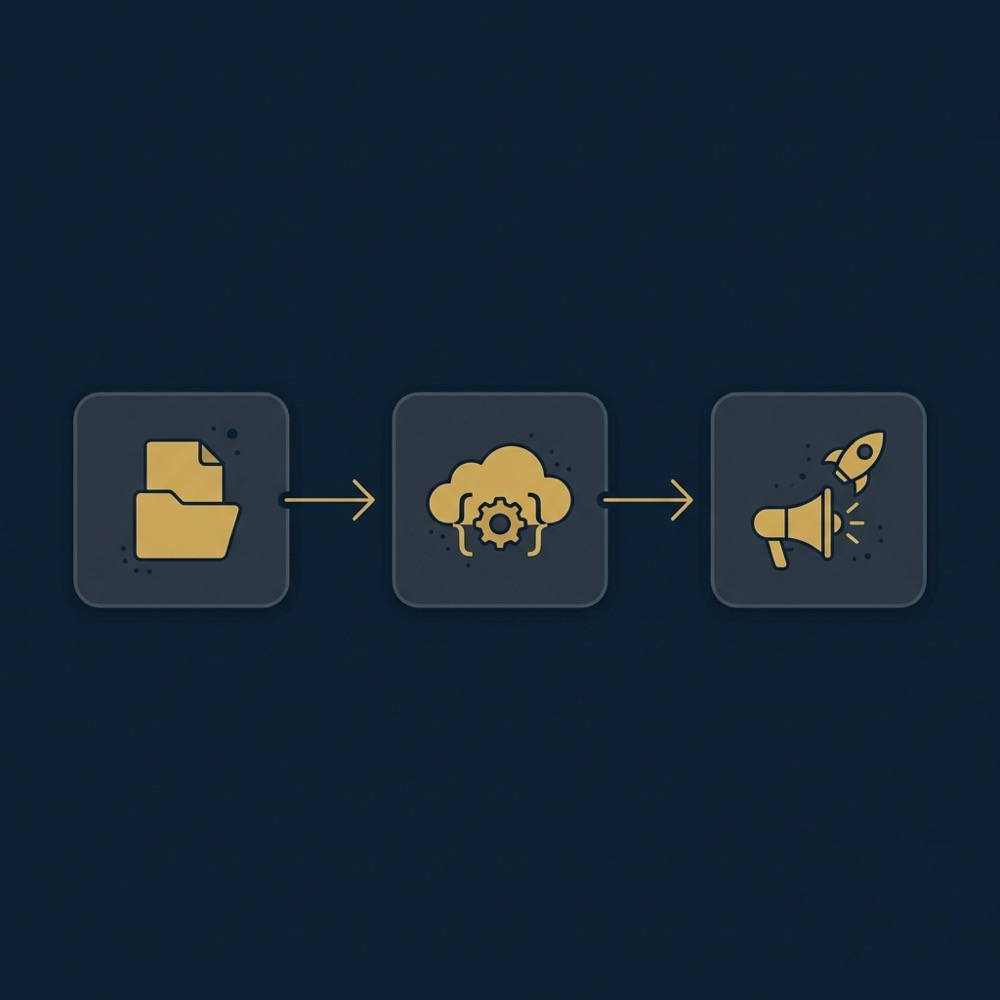
Hidden cost drivers often include prompt engineering time, moderation and human review, integration effort, and monitoring. Account for these when estimating the cost to run content generation at scale rather than focusing only on raw per token fees.
Plan to track both usage costs and engineering maintenance. Teams that test price sensitivity early can avoid unpleasant surprises when throughput increases.
Decision framework: choosing the best ai for writing for your team
A simple scoring matrix helps align selection to constraints. Weight criteria like integration effort, safety needs, cost, output quality, and internal prompt engineering bandwidth. Score each provider on those dimensions and prioritise the criteria that reflect your top constraints.
quick internal diagnostic to prioritise model selection
Score high the constraints that most limit launch
In many reported cases broad integration support pushes teams toward ChatGPT for publishing pipelines, while safety and conservative outputs push teams toward Claude for brand sensitive tasks Claude product overview and safety principles.
Define pilot scope, success metrics, and a 30 to 90 day diagnostic. Include cost tracking and quality targets. Use staged rollouts so you can scale a winner without losing editorial control.
Typical pitfalls and mistakes teams make
A common operational error is overtrusting raw outputs. Models can produce fluent text that still contains inaccuracies or unsupported claims. Teams must include human review and factual verification in production workflows Comparative review of models for professional writing.
Other mistakes include skipping integration and moderation planning and underestimating prompt engineering time. These gaps create recurring bottlenecks that can make a model impractical at scale.
Mitigations that work: human in the loop checks for sensitive content, layered automated tests for factuality, and clear ownership of model outputs. These measures reduce risk and preserve brand alignment during scale up.
How to benchmark models for your use case
Design a benchmarking protocol: select representative prompts, run parallel tests, and record latency and cost for each run. Use the same system prompts and post processing logic for apples to apples comparison Benchmarking creative writing study. Also see practical comparisons at FluentSupport FluentSupport.
Human evaluation categories should include factuality, tone alignment, usefulness, and safety. Use blinded reviewers where possible and standardise scoring rubrics to avoid bias in results.
Also track integration friction: SDK stability, error rates, and end to end latency for long context prompts. These operational metrics often expose hidden costs that matter in production.
Workflow patterns: embedding AI into editorial and growth systems
Map AI into the content lifecycle where it reduces friction while preserving editorial control. Common placements are idea generation, first draft creation, headline testing, and final human review for tone and facts ChatGPT product and API documentation.
Use automation for repetitive tasks such as bulk product description generation or language localisation, but build guardrails like automated flagging and review queues for anything that affects compliance or brand safety.
Measurement matters. Tie AI assisted content to measurable outcomes through reporting, attribution, and creative testing loops so you can see the compound effects of tooling over time.
Case scenarios: ecommerce copy, technical docs, and sensitive messaging
For ecommerce workflows throughput, integration, and cost tend to be the deciding factors. If you need thousands of descriptions the economics of API usage and the ease of connecting to a product database usually matter more than small stylistic differences between models Cloud AI pricing and cost comparison, and a vendor breakdown on AppyPie Automate AppyPie Automate.
Technical documentation requires high factual accuracy and version control. Teams should validate model outputs against source of truth documentation and include strict review gates for published changes.
For brand sensitive or regulated content consider conservative defaults and stronger human oversight. Conservative output behavior can reduce risk but also increase editing work, so test that tradeoff during a short pilot.
Measuring quality and attribution without overpromising
Practical KPIs include time to publish, edit rate, conversion tests with control groups, and human quality scores. These metrics give teams an operational view of whether a model improves throughput and quality.
Attribution should be experimental. Tie model assisted content to controlled experiments and reporting rather than asserting model driven outcomes. Iterate on measurement and validate vendor claims in your environment.
Maintain a short feedback loop between editorial teams and model owners so quality issues are surfaced and prompt templates are adjusted quickly.
Running experiments and iterating on model choice
A 30 to 90 day pilot should cover representative tasks, cost tracking, latency measurement, and human evaluation. Keep scope limited and track stop criteria such as unacceptable error rates or unanticipated costs Head to head reporting.
Scale successes with staged rollouts. Put monitoring in place for harmful or off brand outputs and keep human reviewers available during ramp up. If a model underperforms, be ready to switch prompts, adjust safety settings, or test the alternate provider.
Document learnings and update your scoring matrix so future evaluations reflect operational experience rather than reputational claims.
Conclusion: pragmatic next steps to pick the best ai for writing
Picking the best ai for writing depends on your constraints and measurement. Define use cases, run parallel pilots, measure cost and quality, and verify vendor guarantees in writing. Prioritise integration and measurement rather than a single public comparison.
Run a focused pilot that includes representative tasks, clear success metrics, and a staged rollout plan. Use the scoring matrix to make a data led choice and expect to refine prompts and guardrails as you scale.
Choose by defining representative tasks, running parallel pilots, measuring cost, latency, and human quality scores, and weighing integration effort and safety needs against your constraints.
No. Human review remains essential for factual verification, tone control, and brand safety, especially for regulated or high liability content.
A focused 30 to 90 day pilot with clear metrics and cost tracking is usually sufficient to surface integration and quality issues for most teams.
If you need help scoping a pilot or validating integrations, consider a systems first approach that aligns model choice to your constraints and measurement needs.
References
Want this kind of work done for your business?
We build and run AI-powered marketing and automation. 15 minutes, honest assessment.
Book a call