 Orvus
OrvusIs there an AI that can write a proposal? Guidance for teams
February 14, 2026
This guide explains what AI can and cannot do for proposal writing, gives a repeatable input-to-verification workflow, and outlines rollout steps for teams that want accountable AI-assisted drafting. It is aimed at operators, founders, and marketing teams who need pragmatic, systems-focused guidance rather than one-off tips.
What proposal drafting with AI actually means today
Using AI to write a project proposal typically means using large language models to produce a first-pass draft that captures intent, scope, and standard deliverables. This approach can speed structure and narrative work while leaving budgets and client claims for human verification, so teams should treat AI output as a draft rather than a final document. OpenAI prompting guide
Modern LLMs often handle coherent summaries and templated sections well, but accuracy varies and factual errors can appear in specifics such as dates and numeric figures. That variability implies a need for systematic checks before any client deliverable is sent. Survey of hallucination in natural language generation
Yes, AI can generate usable first drafts of proposals, but teams must verify facts, numbers, and claims before sharing externally.
Who benefits most from AI-assisted drafting are internal operators, agency writers, and sales engineers who need a fast, structured start to a proposal. These users tend to work under time pressure and find value in a fast seed draft that they then refine into a client-ready document. Practical adoption usually pairs the model with templates and a short verification workflow. Harvard Business Review guidance on generative AI for writing
Caution is warranted when a proposal includes regulatory constraints, complex technical specifications, or legally binding commitments. In those cases the AI draft can still be useful, but the review bar is higher and workflows should include legal and finance checks before the draft moves forward. NIST AI Risk Management Framework

High-level capabilities and limits of AI for proposal drafting
LLMs do well at producing readable narratives, consistent tone, and templated sections such as an executive summary or scope summary. They can assemble paragraphs that explain background, describe deliverables, and suggest generic success metrics. These strengths make them useful for early drafting and internal review. OpenAI prompting guide
Where models struggle is factual grounding of specific details. Hallucinations and inconsistent figures are common failure modes, especially when the draft includes budget numbers, timeline dates, or client specific claims that require external verification. Teams should expect to reconcile any numeric or factual claims against authoritative sources. Survey of hallucination in natural language generation

Examples of content LLMs handle reliably include templated deliverable lists, role descriptions, and tone-matched summaries. Examples of content needing close verification include budget tables, milestone dates, precise technical specifications, and contractual language. In practice, this means AI can reduce time spent on wording and structure while leaving verification steps to humans. How organisations can get better results from generative AI
Because factuality varies, a practical rule is to treat any AI output as provisional. Use the draft to speed iteration, but require reconciliation steps before external distribution. This reduces the risk of sending a proposal that contains an incorrect cost, wrong delivery date, or an unsupported claim. NIST AI Risk Management Framework
A practical framework: structured inputs, iterative prompts, and templates
Start with a minimal structured input set. That set should include project scope, constraints, objectives, deliverables, assumptions, and any relevant data sources. Framing inputs in a compact template raises the chance that the draft will be relevant and keeps the model focused on what matters. OpenAI prompting guide
Use explicit fields rather than freeform notes. Fields might be: short background, project scope, nonfunctional constraints, required deliverables, success metrics, known risks, and data attachments. These fields form the input taxonomy that feeds the initial seed draft. When inputs are clear, the model has fewer degrees of freedom and the output tends to need fewer edits. Harvard Business Review guidance on generative AI for writing
Work in iterative prompt cycles. A common pattern is seed draft, targeted refinement, extraction for numeric tables, and tone pass. For example label refinement steps as: fill scope, tighten deliverables, extract budget table, and final tone polish. That pattern helps isolate sections that need human verification. OpenAI prompting guide
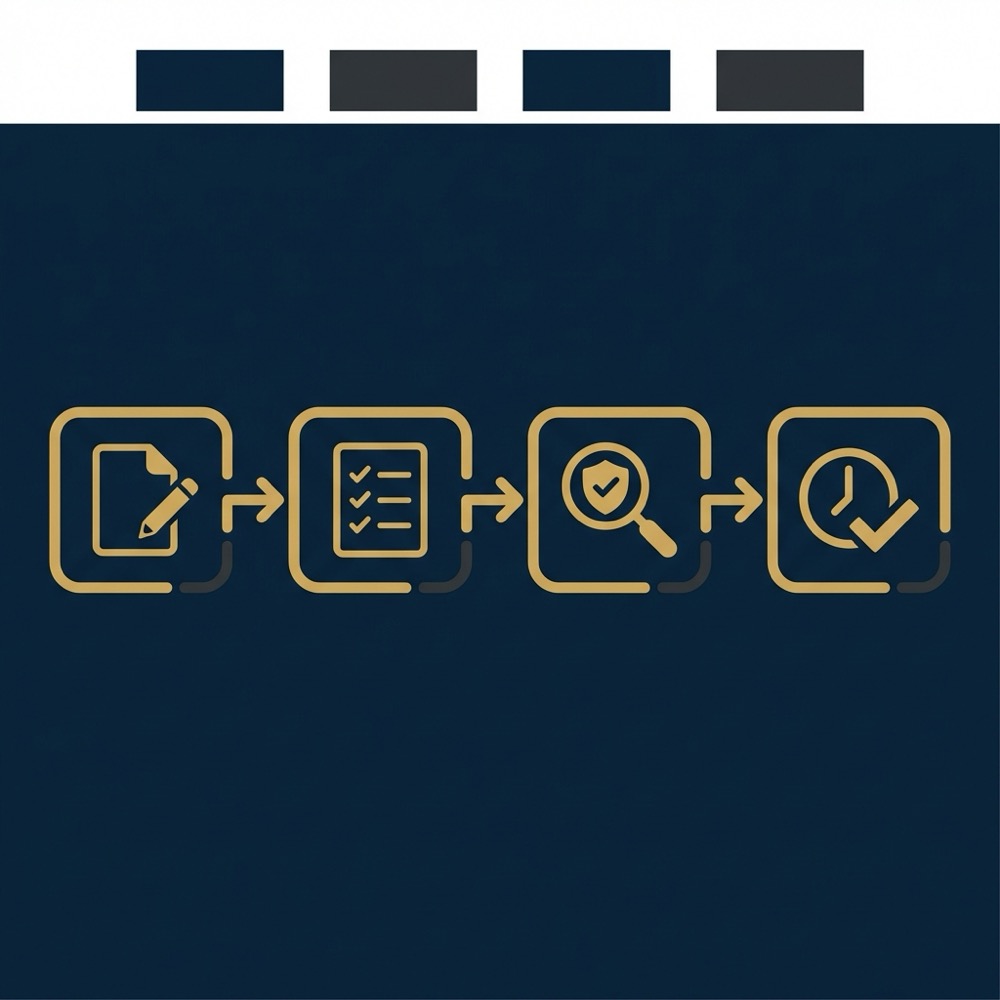
Templates help with structure and reduce formatting time. Use templates for common proposal types and keep them in a shared workspace. Workspace-integrated assistants can populate templates and apply consistent naming and formatting. But even when formatting is automated, content review remains necessary. Microsoft Copilot overview
Practical checklist for an input-first workflow
- Collect structured inputs: scope, objectives, constraints, deliverables, and data sources.
- Generate a seed draft using the template and model.
- Run targeted refinements for budgets, schedules, and assumptions.
- Reconcile any numbers against authoritative spreadsheets or systems.
- Human sign-off on finance and client-facing claims before sending.
Start a consultation with Orvus
Evaluate whether your inputs are clear enough to produce a focused seed draft, and flag which fields must be reconciled before client delivery.
Decision criteria: when to use AI drafts and when to avoid them
Decide based on risk, complexity, and client sensitivity. Low-risk internal projects or routine vendor proposals are often suitable for AI-first drafting with light review. High-risk proposals that affect compliance, IP, or large financial commitments need deeper verification and staged approvals. The state of AI 2024
Key decision factors to consider are project complexity, regulatory constraints, financial exposure, and client expectations. If any of these are high, require a mapped review level that includes finance and legal checks. Use a risk checklist to map proposals into light, medium, or high review categories. NIST AI Risk Management Framework
Map review levels to approval steps. Light review might be a single editor and a quick finance spot-check. Medium review could add a technical lead and reconciliation of numbers. High review should include legal, finance, and a senior stakeholder sign-off. This mapping helps teams scale AI drafting without increasing risk. McKinsey survey on enterprise AI adoption
Maintain a record of decisions and provenance for drafts. Capture who provided inputs, what templates were used, and what verification steps were applied. That provenance supports audits and helps refine templates based on real errors found during review. Microsoft Copilot overview
Common errors, verification steps, and mitigation patterns
Frequent failure modes to watch for include hallucinated facts, inconsistent budgets or timelines, incorrect citations, and mixed tone. These errors are well documented in studies of model hallucination and in practitioner reports. Spotting them early avoids client confusion. Survey of hallucination in natural language generation
Mitigation combines automated checks with human review. Automated checks can reconcile numbers from the draft against authoritative spreadsheets, flag differing figures, and validate date formats. Human reviewers validate assumptions, legal language, and client-specific claims. Together these steps reduce the chance of sending incorrect information. NIST AI Risk Management Framework
Verification checklist for writers and reviewers
- Finance: reconcile every budget number with accounting or the costing spreadsheet.
- Schedules: verify milestones and delivery dates against calendar availability.
- Technical claims: confirm specs with the technical lead or product documents.
- Client-specific statements: validate any claim about client systems, partners, or prior work.
- Citations: ensure any referenced data sources are correct and linked in provenance notes.

When discrepancies appear, document the change and the source of truth. Keep a short audit note inside the proposal workspace so reviewers know why a number or date changed. This practice improves decision making clarity and creates a feedback loop for template updates. How organisations can get better results from generative AI
Step-by-step example workflows and short scenarios
Small scope internal project: quick draft to sign-off
Scenario: a short internal project to update a website section. The work is low risk and primarily content and minor CSS updates. Start by filling a compact input template with scope, expected deliverables, constraints, and a target completion date. Use the input set to generate a seed draft that includes an outline, scope, and roles. OpenAI prompting guide
Use automated formatting to populate the team template and then run an automated number reconciliation if the draft includes any cost estimates. For this low-risk case, one editor can verify the text and a manager can approve the go-ahead. Keep a short provenance note that lists inputs and who approved the draft. Microsoft Copilot overview
Speed internal draft to verify flow
Use for small internal proposals
Client-facing commercial proposal: end-to-end validation
Scenario: a client RFP for a multi-month engagement that includes integration work and a payment schedule. Begin by collecting a full input set: scope, objectives, success metrics, constraints, draft budget, and source spreadsheets. Use templates to produce a seed draft, and then extract budget and timeline tables for reconciliation. Harvard Business Review guidance on generative AI for writing
Route the extracted budget and timeline to finance and program management for line by line verification. Legal should review any contractual language or statements of liability. After technical, finance, and legal sign-offs, a senior stakeholder performs a final read for clarity and tone. Document each verification step in the proposal workspace. NIST AI Risk Management Framework
Embed measurement hooks in the workflow. Track the number of edits required, the time spent on verification, and any factual errors found. These signals show whether templates or input forms need changes and where models routinely hallucinate so that you can improve prompts and inputs. The state of AI 2024
Where systems design helps: an Orvus-style approach embeds templates, verification checklists, and provenance capture into a shared workspace so teams have one clear flow from seed to client-ready. This systems focus helps reduce friction and concentrates reviews on the highest risk items. Orvus Unique Services
Integrating AI drafts into document assistants and enterprise workflows
Enterprise document assistants and Copilot-style tools commonly provide templates, embedded prompts, and quick formatting, which lowers manual editing time and enforces consistent style. These integrations save effort, but they do not remove the need for content verification. Microsoft Copilot overview
Useful integration patterns include linking drafts to authoritative data sources such as budget spreadsheets, embedding provenance metadata that records which template and inputs produced a draft, and adding audit trails that record edits and approvals. These controls make it easier to find the source of an error and to correct templates. McKinsey: state of AI 2024
Operational controls to add are access roles, edit checklists, and automated reconciliation tasks for numeric fields. Give finance and legal the rights they need to review drafts without making the document management process slow. Strike a balance between control and speed based on the mapped review level. NIST AI Risk Management Framework
When to rely on AI drafts and next steps for teams
Begin with a pilot that uses a small set of template types and a narrow set of projects. Choose projects that represent different risk categories so you can exercise light, medium, and high review patterns. Track edits, errors, and time spent verifying to build a baseline. The state of AI 2024
Pilot checklist
- Select test projects across risk profiles.
- Define required verification steps and owners.
- Track time saved on drafting and the number of factual errors discovered.
- Iterate templates and prompt patterns based on real errors.
Measurement signals to monitor include number of edits, factual errors found during review, review time per proposal, and stakeholder satisfaction with the final document. Use those signals to tune inputs, templates, and the review mapping. How organisations can get better results from generative AI
As governance evolves, use frameworks as a baseline and adapt them to local constraints and data quality. Over time, templates and automations will absorb low-risk work, freeing humans to focus on high-value verification and client engagement. NIST AI Risk Management Framework
No. AI can produce usable first drafts, but outputs vary in factual accuracy and require human verification for budgets, dates, legal language, and client-specific claims.
AI handles narrative sections, templated deliverables, and tone matching well; numerical budgets, schedules, and legally binding text need human checks.
Begin with low-risk projects, define verification steps, track edits and factual errors, and iterate templates and prompts based on measured outcomes.
Teams that pilot thoughtfully, measure outcomes, and embed provenance and review controls tend to find the right balance between speed and accuracy.
References
Want this kind of work done for your business?
We build and run AI-powered marketing and automation. 15 minutes, honest assessment.
Book a call