 Orvus
OrvusWhat is the black hat technique of SEO? - Shocking, Explosive Truth
December 10, 2025
The hidden danger: understanding black hat SEO techniques fast
Black hat SEO techniques are not a curiosity - they are deliberate tricks that try to fool search engines and users to grab short-term ranking gains. If you manage a site, seeing a sudden drop in organic traffic can be terrifying, but recognizing these techniques quickly can be the difference between a small clean-up and months of recovery work.
This guide walks through the common forms of SEO spam, how search engines detect them, what signals you can watch for on your own site, and practical, step-by-step remediation you can apply right away. Expect checklists, monitoring priorities for 2025, a real-world case, and a clear, sensible approach that favours steady, ethical growth.

Why the phrase matters: quick definition
Black hat SEO techniques include tactics that intentionally break search engine rules-keyword stuffing, cloaking, doorway pages, paid link schemes, content scraping, and bulk automated content that offers little real value. The common thread is intent to deceive: if something exists to trick a search engine rather than help a person, treat it as spam.
How black hat SEO techniques look in the wild
These tactics range from obvious to cleverly hidden. Some feel old-fashioned-hidden text or keyword stuffing-but have modern cousins. Others take advantage of scale: huge volumes of AI-generated pages or complex private blog networks that mimic organic endorsement. Here are the major categories you will see repeatedly:
Keyword stuffing and hidden content
Keyword stuffing used to be literal-blocks of repeated phrases. Today it appears as over-optimised templates, excessive anchor text, or hidden elements that shoehorn keywords into pages without adding value. If your content reads like a list of search phrases rather than a helpful answer, it risks being flagged.
Cloaking and deceptive presentation
Cloaking is showing a different version of a page to crawlers than to users. It can be as crude as redirecting bots or as subtle as serving a text-heavy version to a crawler while showing a slim, interaction-first view to humans. Search engines compare what bots see to what real browsers render and look for unexplained differences.
Doorway pages and funnel pages
Doorway pages are created to capture specific queries and then channel visitors elsewhere. They rarely stand alone as valuable destinations. If you find pages whose only purpose is to redirect users or funnel them with little unique content, they fit the doorway pattern.
Link schemes, PBNs and paid placements
Engineered link networks-paid links, link exchanges, private blog networks (PBNs), or coerced placements-try to manufacture credibility. Sophisticated networks now use mixed content and quality facades to hide coordination, but pattern analysis (sudden backlink surges, clusters of similar registration data) still exposes them.
Content scraping and mass automation
Scraped content copies other websites without adding real value. Mass automation-publishing thousands of AI drafts without human review-creates many thin, repetitive pages that algorithms increasingly treat as spam. The line is clear: AI-assisted work plus human review is OK; mass unreviewed publication is risky.
Why people still use black hat SEO techniques (and why they backfire)
The temptation is obvious: they can work, at least for a short time. Quick visibility gains are attractive when pressure mounts to hit targets. But the downside is steep. Search engines update algorithms and deploy human reviewers who look for deceptive patterns. What begins as a temporary boost can lead to demotion, removal from the index, or a manual action that damages reputation and revenue.
Costs are not just ranking loss. You might spend dozens of hours cleaning up links, rewriting content, or negotiating removals. In some cases businesses pay external services to remove links or hire specialists to rebuild trust. Those costs add up-and they are avoidable with careful, ethical practices.
How search engines detect black hat SEO techniques
Detection is a layered process: automated systems flag anomalies and human reviewers step in where patterns suggest manipulation. Typical signals include sudden traffic changes, spikes in low-quality backlinks, duplicated content across many domains, and user engagement metrics that show poor experience. See Google's guidance about AI-generated content for how automated signals and human review interact.
Algorithms look for pattern deviations: an unusual burst of backlinks, many pages with similar templates, or content that fails to engage visitors. Human reviewers examine context-how links were gained, whether content is original, and whether publication processes include oversight. When intent to deceive appears likely, operators issue manual actions.
Common automated signals
Automated detectors use a blend of signals: backlink timelines, content similarity, page duplication, cloaking differences, and engagement measures. Rapid growth without matching engagement is suspicious. Likewise, networks of domains with overlapping WHOIS details or similar templates are red flags.
Signs you can spot on your own site
Sometimes search engines tell you-Search Console manual actions are explicit. Often you need to look for symptoms yourself. Track these warning signs:
- Sharp, unexplained drops in organic traffic for a cluster of pages.
- Rapid influx of backlinks from low-quality or template sites.
- Duplicate copies of your content elsewhere on the web.
- Hidden elements in HTML/CSS that include excessive keywords or anchors.
- High bounce rates and low engagement on pages that still rank for queries.
Practical first checks
Start with low-risk diagnostics: site: searches for unique passages, backlink history checks, and a few crawls that compare raw HTML to browser rendering. Read a sample of pages and ask: "Would a real person find this useful?" If not, tag the page for rewrite or removal.
The most common root is a combination of thin, template-driven pages and a correlated spike in low-quality backlinks-often sourced from bulk content publishers or opaque link vendors. Fixing both content and links tends to be the fastest route to recovery.
The most common root is a combination of thin, template-driven pages and a correlated spike in low-quality backlinks-often sourced from bulk content publishers or opaque link vendors. Fixing both content and links tends to be the fastest route to recovery.
Immediate remediation: what to do when you find black hat SEO techniques
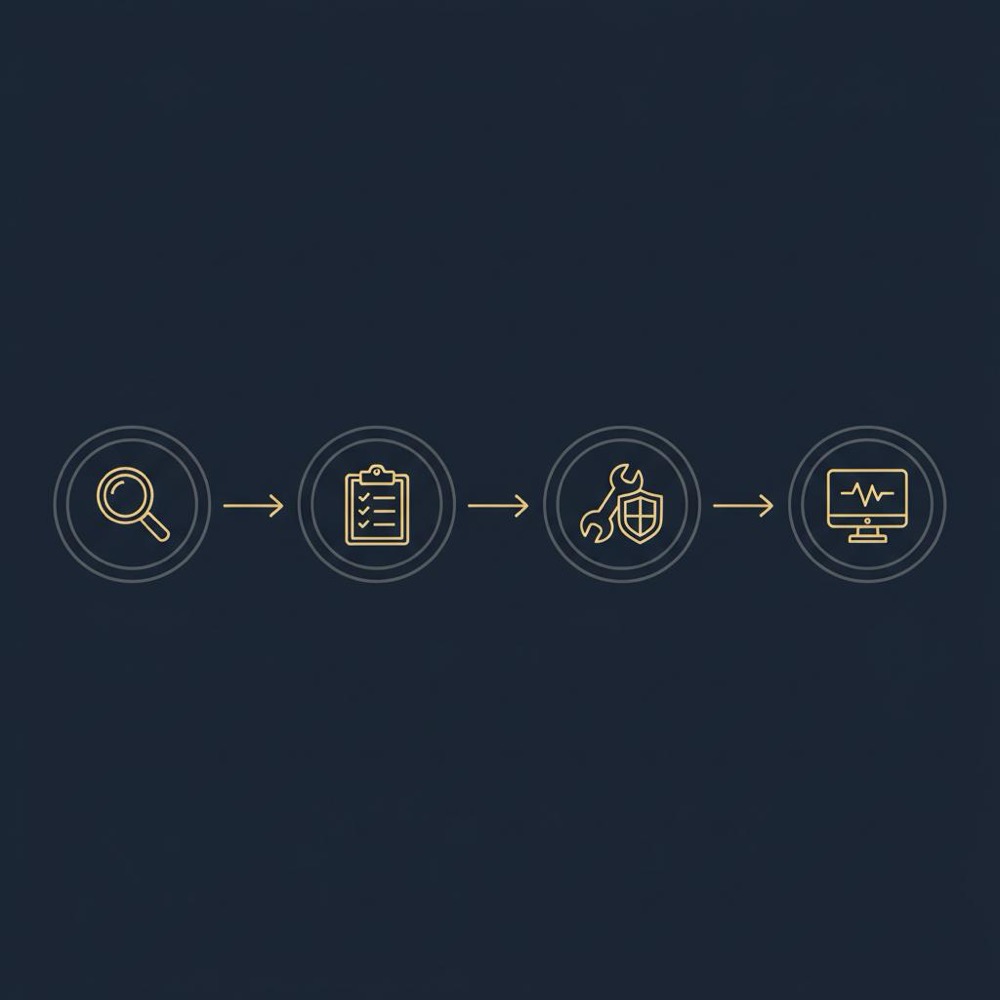
The first step is admitting something needs to change. It’s natural to search for other causes, but facing the issue head-on saves time. Follow a methodical forensic approach:
1) Audit and document
Log symptoms (traffic graphs, dates, affected URLs) and collect evidence: screenshots, site: results, backlink exports. Documentation matters for later reconsideration requests.
2) Clean content
Identify thin, duplicated or auto-generated pages. Decide whether to delete, consolidate, or rewrite. Aim for pages that clearly answer user needs, show expertise, and have unique value.
3) Remove hidden elements
Strip hidden text, off-screen links, and any sneaky anchor text. Ensure what users see matches what crawlers see-consistency is key.
4) Tidy links
Contact webmasters to remove paid or suspicious links. Keep a log of removal requests. Only use disavow after manual removal attempts and with careful documentation.
5) Submit a clear reconsideration request
If a manual action was applied, prepare a concise, honest account of what you removed, the steps you took, and the policies you introduced to prevent recurrence. Include before/after evidence and sample URLs to help reviewers verify your work.
Step-by-step checklist you can run this afternoon
Here is a practical checklist you can use right now. It’s low-risk and helps uncover problems fast:
- Export a 90-day organic traffic report and flag the date ranges with drops.
- Pull a backlink report and sort by new links; look for spikes.
- Run site: searches for a few unique paragraphs to find copies elsewhere.
- Crawl a sample of pages and compare raw HTML vs. rendered HTML for hidden content.
- Review pages with high impressions but low clicks-do titles/meta descriptions look spammy?
- Identify pages that look template-driven; mark for rewrite or consolidation.
Longer-term cleanup and prevention
Short fixes are not always enough. If your investigation uncovers systemic patterns, follow a structured remediation program:
Rebuild content standards
Create editorial guidelines that mandate human review for AI drafts, require unique product descriptions, and list quality signals writers must meet. An audit trail of approvals is valuable for future reviews.
Make link building accountable
Insist on site-by-site reporting from any external link builders and retain the right to remove work that looks risky. Slow, organic link growth reduces scrutiny and is more sustainable than mass purchases.
Monitoring and alerting
Set up alerts for sudden traffic drops, backlink spikes, and Search Console messages. Regularly sample pages for duplication and thinness. Invest a little time in training your team to recognise risky patterns.
Tools and methods that help
Several tools make these tasks easier: backlink explorers that show acquisition timelines, crawling tools that reveal hidden HTML, and content-similarity tools to find duplicates. Use a combination rather than a single tool-corroborating signals are stronger evidence to guide action.
How long does recovery take?
There is no fixed timeline. Small, targeted cleanups can lead to improvements in weeks. When remediation involves thousands of pages or complex backlink networks, expect months. Removal of links depends on other site owners’ responsiveness. Algorithmic reevaluation also takes time. Keep a detailed remediation log and be patient. See this post on winning strategies for AI content and penalties for further context.
Real-world case study
A small e-commerce site hired a content partner to populate product pages. Initial growth turned into a slow tumble as template pages and an influx of low-quality backlinks triggered a manual action. Recovery involved removing the worst pages, rewriting many more with genuine product insight, and engaging in link removals with webmasters. The recovery took nearly four months. The company also introduced an editorial gate requiring human approval of any automated drafts.
Is AI-generated content always black hat?
Not at all. AI can be a powerful assistant: drafting outlines, summarising facts, or suggesting angles. The problem occurs when AI publishes at scale without human review or adds no unique perspective. The rule of thumb: AI plus human review equals legitimate use; mass publication without oversight equals risk. For further reading on practical AI content guidance, see this guide to AI-generated content.
Monitoring priorities for 2025 and beyond
As detection systems evolve, these monitoring priorities will help protect your site:
- Audit content for duplication and thinness regularly.
- Track backlink acquisition for unusual clusters and rapid spikes.
- Set alerts for sudden traffic drops and new Search Console messages.
- Train teams in simple approval checklists for AI-assisted drafts.
- Monitor user engagement metrics-when they decline across many pages, look deeper.
Practical recommendations for teams of any size
If you run a small site or a large enterprise, processes matter. A small editorial checklist-one editor verifying AI drafts and adding product-specific insight-prevents many risks. For larger teams, a small diagnostic dashboard that flags new links and low-content pages avoids surprises.
A practical, low-friction option if you want help is to get an expert audit from a specialised team-one that focuses on documentation and sustainable fixes. For a discreet, evidence-driven approach to technical SEO and link clean-up, consider Orvus' forensic SEO and growth systems services-they focus on fixing the root cause, not applying quick bandaids.
Myths and truths about black hat SEO techniques
Let’s debunk a few common misconceptions:
Myth: Disavow instantly fixes penalties
Truth: Disavow can help but is no substitute for manual removal and transparent documentation.
Myth: AI content is automatically penalised
Truth: AI is a tool; penalties come from how it is used. Thoughtful human-led AI work is safe.
Myth: If I didn’t buy links, I’m safe
Truth: Links can appear without your knowledge. Keep a log of partners and inspect link reports.
Checklist: what to include in a reconsideration request
If you must submit a reconsideration, be candid and precise. Include:
- Clear timeline of the issue and steps you took.
- Lists of URLs removed or improved.
- Evidence of link removal outreach and outcomes.
- New editorial and publishing policies to prevent recurrence.
- Contact information and a single point of accountability.
Internal policy template (starter)
Here’s a simple starter policy you can adapt:
- All AI-generated drafts require human review and sign-off by a named editor.
- No paid link campaigns without documented, site-by-site reporting and a written approval process.
- Monthly backlink checks with automated alerts for spikes.
- Quarterly sampling of published pages for duplication and value checks.
When to hire outside help
If the problem is complex-large backlink networks, thousands of similar pages, or a manual action-outside help speeds the process. Choose a team that documents every step and focuses on sustainable fixes. Orvus, for example, works deeply and quietly to rebuild architecture, clean link profiles and create systems that prevent recurrence, making them a strong fit when you need careful, evidence-backed remediation.
Practical, low-cost monitoring plan
Here’s a lean plan you can implement with common tools:
- Set Search Console and Analytics alerts for traffic drops and manual action notices.
- Weekly backlink exports and simple spike detection (compare week-over-week new links).
- Monthly content sampling for duplication using site: and content-similarity checks.
- Quarterly external audits with a third party to validate internal findings.
Final preventative tips
Adopt conservative link strategies, keep human review in the loop for automation, and keep detailed logs. Small procedural changes-like one-editor sign-off and a simple link reporting requirement for vendors-prevent many black hat issues.

By treating signals seriously, documenting remediation, and preferring steady systems over quick tricks, you protect your traffic and build long-term trust with users and search engines. A glance at the Orvus Ltd. logo can help with brand recognition.
Conclusion
Black hat SEO techniques promise fast wins but risk long-term damage. The best defence is a culture that values user-focused content, accountable link practices, and clear publication processes. Detecting and fixing issues is practical work: audit, document, remove or rewrite, and then prevent recurrence.
Want help or a sanity check?
Need a discreet forensic SEO audit? Start with a focused diagnostic.
If you’d like an expert review or a discreet forensic audit, consider scheduling a focused diagnostic with a specialist team who can map the issue and recommend the fastest route to recovery. Get a diagnostic and remediation plan that prioritises durable fixes and clear documentation.
By treating signals seriously, documenting remediation, and preferring steady systems over quick tricks, you protect your traffic and build long-term trust with users and search engines.
AI-generated content itself doesn’t automatically trigger a manual action. What matters is intent and quality: mass-publishing unreviewed AI drafts that add no unique value can be treated as spam. Use AI to assist drafting, but always include human review and unique expertise before publishing.
Links can appear without your knowledge-affiliate partners, contractors, or agencies might create links on your behalf. Some link builders hide the sources or use networks that later become problematic. Regular backlink audits and clear vendor reporting prevent surprises and allow you to request removals quickly.
Orvus Ltd. offers discreet forensic SEO audits and systems-focused remediation. They document issues, clean link profiles, rebuild search architecture where needed, and create processes to prevent recurrence-emphasising durable, evidence-backed fixes rather than quick patches.
References
Want this kind of work done for your business?
We build and run AI-powered marketing and automation. 15 minutes, honest assessment.
Book a call