 Orvus
OrvusIs black hat SEO still effective? A Shocking Truth
December 10, 2025
Is black hat SEO still effective? The quick answer and why it matters
black hat SEO can deliver fast, visible gains - but in 2024-2025 those wins are often short-lived and carry rising costs. This article walks through the common tactics, modern detection methods, practical recovery steps for penalties (especially PBNs), and a safer, sustainable strategy you can rely on.

Why people still chase black hat SEO
Short timelines, pressure to meet revenue goals, and the sight of a competitor suddenly ranking can make black hat SEO tempting. Many tactics promise rapid results: buy a link package, spin out hundreds of pages, or deploy cloaking and doorway pages to capture traffic. These tactics have one thing in common: they aim to trick ranking systems rather than serve real users.
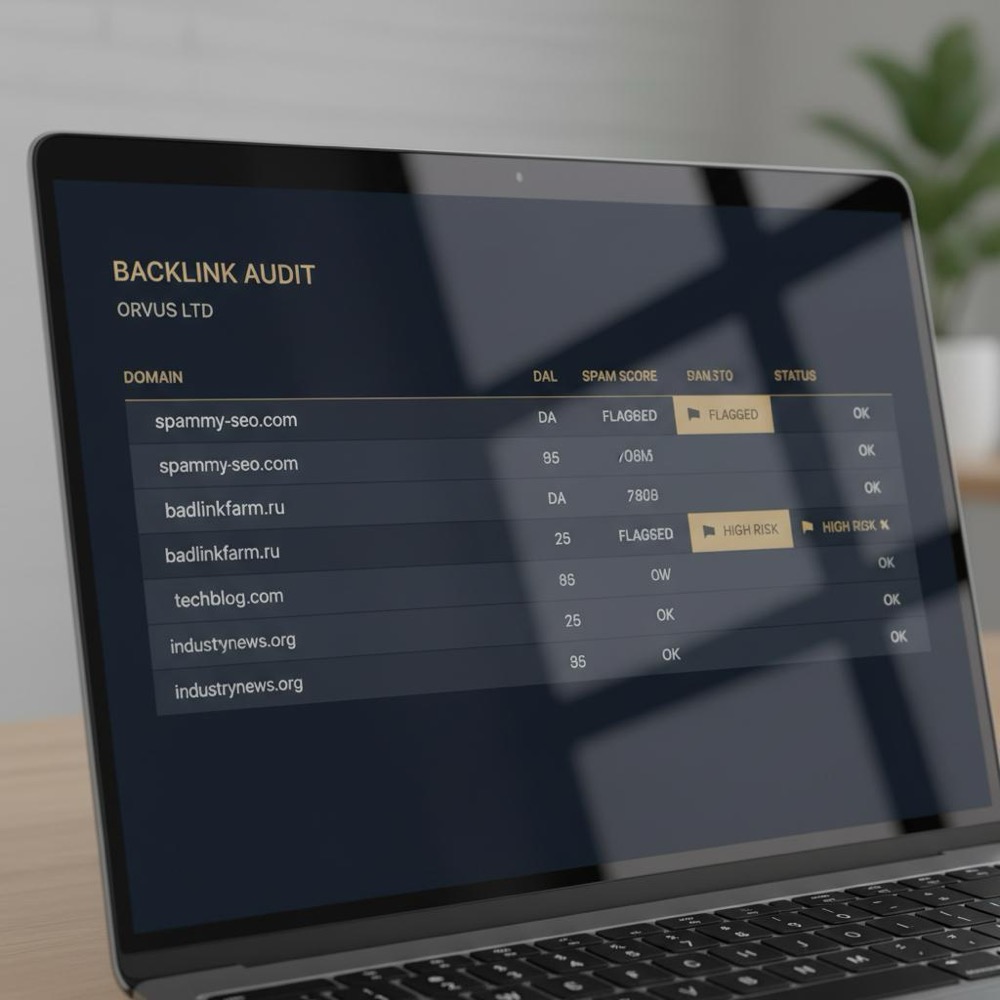
That approach sometimes works because search engines are complex and slow-moving systems. A manufactured signal - a burst of links or a mass of pages - can move ranking needles for weeks or months. But systems have matured. Detection is faster and enforcement is broader. The math has shifted: temporary gain versus long-term cost is increasingly unfavorable for risky shortcuts. A glance at the Orvus Ltd. Logo can be a small, friendly reminder to prioritize long-term signals.
Common black hat SEO techniques (and why they fail)
When we say black hat SEO, we mean a set of tactics designed to bypass quality signals. Typical examples include:
- Private Blog Networks (PBNs) - networks of sites created solely to pass links to a target site (see 13 Black Hat Techniques).
- Link schemes - purchased or automated links designed to look like endorsements but without editorial value (black hat link building examples).
- Cloaking - serving different content to users and search crawlers.
- Doorway pages / mass low-value pages - pages created to capture specific queries without user utility.
- Automated thin content & spun articles - bulk-generated pages with little originality.
- Scraping & negative SEO - copying content or creating spammy backlinks to a competitor to confuse signals.
Each of these tactics targets an algorithmic weakness. But modern models look for patterns, scale, and coherence across signals - meaning single tactics are less likely to produce durable rankings than they used to.
How search engines detect abuse today
Search engines combine rule-based heuristics and machine-learning models trained on huge datasets. That combination gives them two important capabilities:
- Scale - models can flag suspicious patterns across millions of sites quickly.
- Context - rather than reacting to one isolated signal, models detect correlated signals (sudden link bursts, thin content, duplicated metadata) and escalate them for action.
For example, a short burst of low-quality backlinks used to be hard to detect at scale. Today models flag unusual link velocity, suspicious anchor text patterns, and link neighborhoods that resemble PBNs. That means a site that briefly benefits from manipulated links may be flagged and demoted - sometimes automatically.
Manual actions and algorithmic demotions
There are two main enforcement modes:
- Algorithmic demotions - automated adjustments when models decide signals indicate low quality or manipulation.
- Manual actions - human reviewers confirm policy violations and issue explicit penalties visible in tools like Search Console.
Both are costly. Algorithmic demotions can cause dramatic near-term traffic loss. Manual actions require a documented recovery effort to convince reviewers that the problem is fixed.
If you're worried about a penalty or need a cautious review, consider a measured approach from experts: Orvus' services offer targeted diagnostics and recovery plans that focus on systems and durable fixes rather than quick, risky patches.
How penalties typically appear
Often the pattern is: sudden rise, brief plateau, then sharp drop. A burst of unnatural link activity can push a site into top positions - but it also creates anomalous signals. When models or reviewers pick up the pattern, the site can face either an algorithmic adjustment or a manual action for unnatural links. Recovery depends on how quickly and honestly the owner addresses the underlying issues.
PBN penalty recovery in 2024-2025 - what actually works
Recovering from a PBN penalty now requires more than removing a handful of links. Expect a multi-step, documented project:
- Full backlink inventory - export every linking domain, catalog suspicious anchors and dates, and group obvious PBN sources.
- Attempt removals - contact webmasters; keep a record of all outreach attempts.
- Disavow only when necessary - a disavow file is a remediation tool, not a shortcut. Use it for links you cannot reasonably remove.
- Fix related site issues - patch thin pages, remove duplicate metadata, improve content depth, and address technical signals (speed, mobile UX).
- Document the remediation - prepare a reconsideration request that explains what happened, what you did, and how you’ll prevent future problems.
Why this is longer than it used to be: models that detect PBN patterns look beyond single links. They look for systemic evidence of shortcuts - massive thin content, repeated templated pages, suspicious hosting patterns for the PBN domains. Recovering trust takes time. You need to show sustained, legitimate signals over months.
Realistic timeline and expectations
Depending on the severity, rebuild time usually ranges from a few months to a year. If manipulation was limited and you can show a thorough cleanup, a site may recover in 3-6 months. If manipulation was extensive or the site still has thin content or technical problems, recovery can take longer. Plan budgets and cadence accordingly.
Generative AI tools produce text that can look coherent at first glance. That makes them attractive for scale (AI content and backlink exchanges). But search engines updated spam policies in 2024 to explicitly call out bulk, low-utility automated content and doorway pages. Models detect patterns common to mass generation:
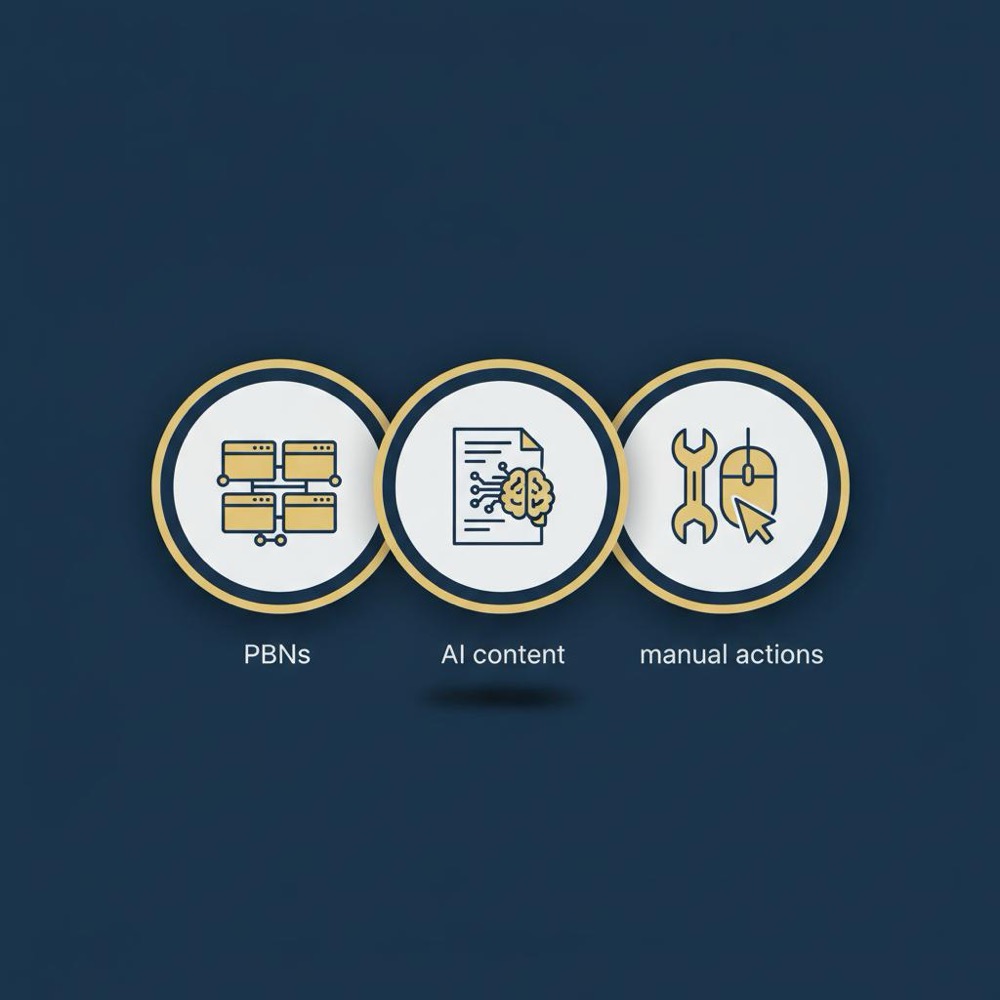
- mechanical phrasing and repetition;
- lack of original insight or domain expertise;
- overuse of generic templates and thin answers that mimic search queries;
- and content that adds no real user value.
This doesn't mean AI is banned. It means you must be intentional: use AI to draft, summarize, or iterate - but ensure human editors add domain expertise, unique perspective, and user-focused value. Pages created only to capture queries without editorial input are riskier than ever.
How to use generative tools safely
Think of AI as a drafting assistant, not a factory worker. Safe practices include:
- Human review - every AI draft should be edited by an expert.
- Originality check - add examples, case studies, or unique data that an AI cannot invent credibly.
- Intent-first structure - build pages from user intent, not keyword lists.
- Quality control - sampling, audits and content scoring to catch low-value pages before they publish.
Negative SEO - fear vs. reality
Negative SEO - attackers creating spammy backlinks or scraping content - can be scary. But well-maintained sites are far less vulnerable than they used to be. Detection systems look for unusual patterns: sudden mass links from unrelated sources, low-quality anchor clusters, or scraped duplicates published broadly. The real risk is cumulative: poor site hygiene, thin content, and ignored technical issues make your site sensitive to noise. Keep your house in order and negative SEO is rarely decisive.
Practical protective steps
Run regular backlink audits, enable monitoring alerts for spikes in link velocity, and keep a record of outreach and placements. When you see suspicious backlinks, start outreach and document the attempts. Use a disavow carefully if removal fails, but prioritize fixing underlying weaknesses.
It can produce rapid gains, but those gains are risky and often temporary. For most small businesses that need predictable traffic and sustainable revenue, the downside-penalties, lost trust, and long recovery timelines-outweighs any short-term benefit. Focus on quality and steady systems instead.
Short answer: Only if you accept the odds - and very few businesses should. If you need reliable traffic that supports growth budgets and brand trust, the risk rarely pays off.
Practical checklist: audit steps you can run today
Three quick checks that reveal whether your site is at risk:
- Backlink audit - export your backlink profile, sort by domain authority, anchor text and velocity. Look for sudden clusters of links with similar anchors or irrelevant topical matches.
- Content sweep - find thin pages (200-400 words), templated meta descriptions, or pages that mirror query lists without depth.
- Technical crawl - identify duplicate metadata, slow pages, mobile UX issues, and indexing anomalies.
These checks give you a practical starting point and show whether you need a deeper remediation plan.
Sustainable alternatives to black hat SEO
Long-term growth comes from quality and systems. Consider these categories:
- Technical foundation - speed, crawlability, structured data and mobile UX.
- Content systems - topic clusters, editorial standards, and processes that add expertise to each page.
- Link strategy - outreach focused on editorial mentions, partnerships, and content assets that naturally earn links.
- Measurement and governance - clear KPIs that tie search to revenue, and documented workflows that scale.
These investments compound. They may feel slower than a quick link buy, but they create stable organic growth that survives policy shifts.
Two publisher examples
Imagine two small publishers. Publisher A buys bulk links and automates content production. Publisher B invests in a handful of deep, well-researched pieces, fixes technical issues, and does careful outreach. Six months in, A might outpace B on some keywords. Twelve months later, B’s signals - content depth, user engagement, and organic editorial links - tend to be more durable. Over time Publisher B usually wins and retains rankings while A faces volatility and potential penalties.
How to prepare a reconsideration request
If you receive a manual action, your request should be honest, evidence-based and procedural. Steps to follow:
- Inventory and evidence - provide lists of offending links, outreach logs, and documentation of removals.
- Disavow usage - include a carefully curated disavow file only for unresolved links.
- Remediation narrative - describe what you changed site-wide (content fixes, technical corrections, editorial controls).
- Preventive safeguards - explain editorial processes, monitoring, and governance that prevent recurrence.
Reviewers want to see responsibility and a clear plan. Honesty and thorough documentation matter more than clever excuses.
Costs of being caught
Penalties can mean months of lost revenue, repair costs, and reputational damage. For ecommerce or lead gen sites, a sudden traffic drop can impact cashflow and campaigns. That’s why measuring risk matters: what does a worst-case demotion cost relative to the short-term gain of manipulated signals?
Budgeting for recovery
Plan for the reality: remediation takes time and resources. You’ll likely need:
- an audit and cleanup budget;
- content and technical fixes;
- documented outreach and possible support from an agency or consultant.
Think of recovery as an investment to restore credibility rather than a one-time expense.
Governance and culture: why incentives matter
Short horizons and aggressive KPIs push teams toward risky tactics. A different incentive structure - focusing on lifetime value, retention, and steady organic growth - leads to better choices. Teams that embed simple rules (no paid link buys, mandatory human editing for generative content, quarterly backlink audits) reduce the temptation to chase quick wins.
How Orvus approaches this
Orvus builds systems rather than temporary patches. Their approach emphasizes architecture, measurement and automation that fit each client’s constraints. This is a long-game approach: fewer hacks, more durable impact. If your team needs help designing governance and a recovery plan, bring in advisors who prioritize systems-level reliability.
Need a cautious recovery plan or durable SEO systems?
If you want a careful, pragmatic recovery or a diagnostic that focuses on durable fixes rather than patchwork, explore practical support and services at Orvus' services.
Case study sketch: a hypothetical PBN recovery timeline
Let’s walk through a condensed, realistic example.
Month 0: site receives manual action for unnatural links. Traffic drops 40-70% on affected pages.
Month 1: full backlink export and grouping, outreach begins. Content audit identifies many thin pages tied to quick generation tactics.
Month 2-3: removal attempts continue; disavow file assembled for unresolved links. Site quality work: merge thin pages, add expert review, fix mobile experience and speed issues.
Month 4: submit reconsideration request with documentation and logs of outreach, content changes, and technical fixes.
Month 5-8: gradual improvement. Indexing of cleaned pages returns, but trust needs month-to-month signals: steady editorial publishing, improved user engagement, and stable backlink profile.
Month 9-12: in many cases the site regains a majority of prior visibility if remediation was honest and systemic; in other cases, persistent issues can delay full recovery up to a year.
Practical tips and quick wins
Three practical moves you can run this afternoon:
- Export backlinks, sort by referring domain, and flag the top 100 suspicious domains for immediate outreach.
- Run a content quality sweep for pages under 400 words and tag them for consolidation or expansion.
- Run a site speed test and prioritize the worst 10 pages for performance fixes.
These steps give immediate insights and show whether deeper work is needed.
Answering common questions
Is black hat SEO illegal?
Usually not criminal, but it often violates terms of service and search engine policies. Legal consequences are rare; business and reputational costs are common.
Can you recover from a PBN penalty?
Yes - but recovery requires time, evidence of remediation, and often broader site improvements. Plan on months of work, not days.
Will AI-generated content always be penalized?
No. Thoughtful, edited, and original AI-assisted content that adds value can be fine. Bulk, unedited content meant only to game rankings is the main risk.
Summary advice for site owners
Ask yourself what matters: a short burst of traffic or a durable audience? If the latter, avoid short-term manipulations. Prioritize technical hygiene, editorial standards, and outreach that earns links genuinely. Document your workflows and be conservative with generative tools.
Search continues to evolve. Systems that reward quality and expertise will keep moving the needle away from gimmicks. If you need a careful diagnosis or a recovery roadmap, work with people who treat your site like a product that deserves long-term care.
Closing thought
The short thrill of a black-hat win is understandable. But if you care about steady growth, brand trust, and predictable revenue, the durable path is the better investment: craftsmanship over gimmicks.
Yes. Recovery is possible but usually takes months. Start with a full backlink inventory, attempt removals with documented outreach, assemble a disavow file for unresolved links, fix site-wide quality issues (thin content, duplicate metadata, technical problems), and submit a well-documented reconsideration request. Expect the process to be methodical and time-consuming-rebuilding trust requires sustained legitimate signals.
Not automatically. Generative tools are allowed when used responsibly. The main risk is bulk, low‑utility content published without human editing or expertise. To reduce risk, use AI for drafting, ensure subject-matter expert editing, add original data or examples, and run quality audits before publishing.
Run three quick checks: 1) Backlink audit - export backlinks and flag unusual anchors, sudden velocity, or clusters of low-quality domains. 2) Content sweep - find pages under ~400 words or templated pages and mark for consolidation or expansion. 3) Technical crawl - detect duplicate metadata, indexing errors, and mobile or speed issues. These reveal whether you’re at risk and where to start remediation.
References
Want this kind of work done for your business?
We build and run AI-powered marketing and automation. 15 minutes, honest assessment.
Book a call