 Orvus
OrvusHow much does a local SEO package cost? Diagnostic for budgets
February 11, 2026
We focus on three bands, explain core deliverables, show what drives cost, and offer checklists and contract questions to help you compare vendors. The aim is pragmatic: map your constraints and measurement needs to a sensible budget.
Quick answer: typical price bands for local SEO packages
For many operators, understanding seo pricing packages starts with three simple bands. Starter packages for a single location commonly sit around $300 to $800 per month and cover Google Business Profile setup, citations, and basic on page fixes; this range reflects industry reporting from marketing practitioners and guides Whitespark article.
Growth or mid tier retainers usually run about $800 to $2,500 per month and add recurring content, review management, citation building, and local outreach. Enterprise or multi location programs scale to several thousand dollars per month, or use per location fees, because they require more reporting and automation to manage at scale Search Engine Journal guide.
Start with a diagnostic that maps your number of locations, competition level, technical site health, and reporting needs. Those inputs indicate whether a starter, growth, or enterprise package is appropriate and clarify where to prioritise automation and measurement.
Read on if you want a practical diagnostic that maps your number of locations, competition level, and reporting needs to a likely budget band.
What a 'local SEO package' usually includes
A clear scope makes vendor comparisons useful. Most reputable local SEO packages include Google Business Profile optimisation, localized on page content, citation management or cleanup, a review strategy and monitoring, and targeted local link building or PR activity Moz Local SEO.
Definitions vary across vendors. Some label tasks as setup or one off work, while others fold those same activities into an ongoing retainer. That difference matters for pricing because setup work is often charged once, while recurring services increase monthly cost.
Think of deliverables as either setup work or recurring operations. Setup items include GBP verification and initial technical fixes. Recurring items include fresh localized pages or posts, review response and monitoring, ongoing citation work, and outreach. When a proposal lists only outcomes, ask for the task list and cadence to compare apples to apples.

How vendors commonly price local SEO: starter, growth, enterprise
Starter packages typically focus on a single location and a short list of high impact tasks. For many small businesses that means GBP setup, a citation audit, basic on page fixes, and review guidance; industry reporting shows this band commonly ranges from about $300 to $800 per month for the single location use case HubSpot blog overview.
Growth retainers add recurring content, review management, more active citation building, and targeted local link outreach. These packages are often priced in the $800 to $2,500 per month band for more competitive markets or programs that bundle several ongoing services Search Engine Journal guide.
Enterprise and multi location models are structured differently. Agencies and vendors commonly use higher flat retainers, per location fees, or a hybrid; these programs are more expensive because scaling requires automated reporting, naming conventions, and repeatable per location workflows. Market analyses indicate multi location work is frequently priced in the multi thousand dollar range or by location when operational complexity is high Whitespark article.
Map locations and reporting needs before you ask for proposals
Run the quick diagnostic in the next section to see whether you should budget for starter, growth, or an enterprise model, and use the checklist to clarify what to ask vendors.
Pricing drivers: the factors that move cost up or down
Four core drivers usually determine price: number of locations, local competition level, current technical SEO health, and how much ongoing content and review management you need BrightLocal consumer review findings.

Number of locations multiplies operational tasks. Each additional location can require its own GBP profile, citation entries, localized landing pages, and review workflows. That scale multiplies manual work unless you invest in automation and naming standards, which raises the baseline cost.
Competition level affects content and outreach intensity. In densely competitive markets you will often need more localized pages, steady content cadence, and targeted local link or PR activity to maintain visibility. That extra effort shows up in higher monthly retainers or more frequent deliverables.
Technical SEO and site health change the initial lift. If a site needs significant technical fixes or migration support, expect higher setup fees or an initial project charge. After the setup, maintenance needs and content velocity determine ongoing cost.
Finally, reporting and attribution needs are a pricing lever. Basic monthly summaries cost less. If you want attribution ready dashboards, CRM integration, and assisted conversion tracking, vendors must invest in measurement work that increases price.
A simple diagnostic to map scope to a monthly budget
Step 1, list your locations and the primary search intent you care about per location. Note whether each location targets service area searches, store visits, or both. This mapping clarifies whether a single starter package or a multi location approach is required.
Step 2, assess technical and content gaps. Run a brief technical health check and note how many pages need localization. If the site requires technical fixes, migration, or a new content architecture, plan for an initial project fee on top of monthly work Moz Local SEO.

Step 3, define reporting and measurement needs. Decide whether you need simple monthly reporting or dashboards that tie search signals to conversions and revenue. If you require attribution and CRM integration, budget for additional measurement setup and ongoing dashboard maintenance.
Use these steps to place your situation into the three bands: few locations with small technical needs usually fit a starter package; moderate locations with recurring content needs tend toward growth retainers; many locations or high competition push you into enterprise models or per location billing.
What you actually get at each price tier: deliverable checklist
Starter checklist. Typical items include Google Business Profile verification and optimisation, a short on page checklist for high priority pages, a citation audit and cleanup, and review guidance or templates; these are usually part of starter packages for single locations Google Business Profile Help.
Growth checklist. Expect recurring localized content or landing pages, active review monitoring and response management, citation building campaigns, targeted local outreach or PR, and basic monthly reporting. This tier is where vendors add the cadence that supports growth in competitive markets Search Engine Journal guide.
Enterprise checklist. For many multi location programs you will see per location workflows, automation and dashboards for reporting at scale, advanced attribution, and integrations with paid media or CRM systems. The operational overhead of per location content, unique citation flows, and centralized reporting justifies higher pricing in this tier Whitespark article.
Decision criteria: choosing starter vs growth vs enterprise
If you operate a single location and competition is low, a starter package can be sufficient to address setup and basic optimisation. A starter is also appropriate if your primary need is a one time cleanup or verification of GBP and citations.
Choose a growth retainer when you need recurring localized content, active review management, and steady citation and outreach efforts. This band is commonly chosen by businesses in moderate or growing markets that want ongoing local visibility improvements.
Score locations and needs to decide package band
Add scores and total to determine starter growth enterprise
Enterprise programs fit when you manage many locations, have high competition, or require centralized dashboards and automation. If you need CRM integration or to coordinate SEO with paid funnels across locations, expect enterprise level pricing and workflows.
Scaling multi-location programs: pricing models and operational needs
Common pricing models include per location fees, tiered retainers, or hybrid approaches that blend a base retainer with per location add ons. Per location fees make unit economics clear, but they can add up quickly if each location requires bespoke content or outreach Whitespark article.
Operational work scales when you add locations. You need naming conventions, standardised workflows for GBP and citations, scripted content templates, and automation to publish and track changes. The cost of building or subscribing to tooling appears early but reduces manual time later.
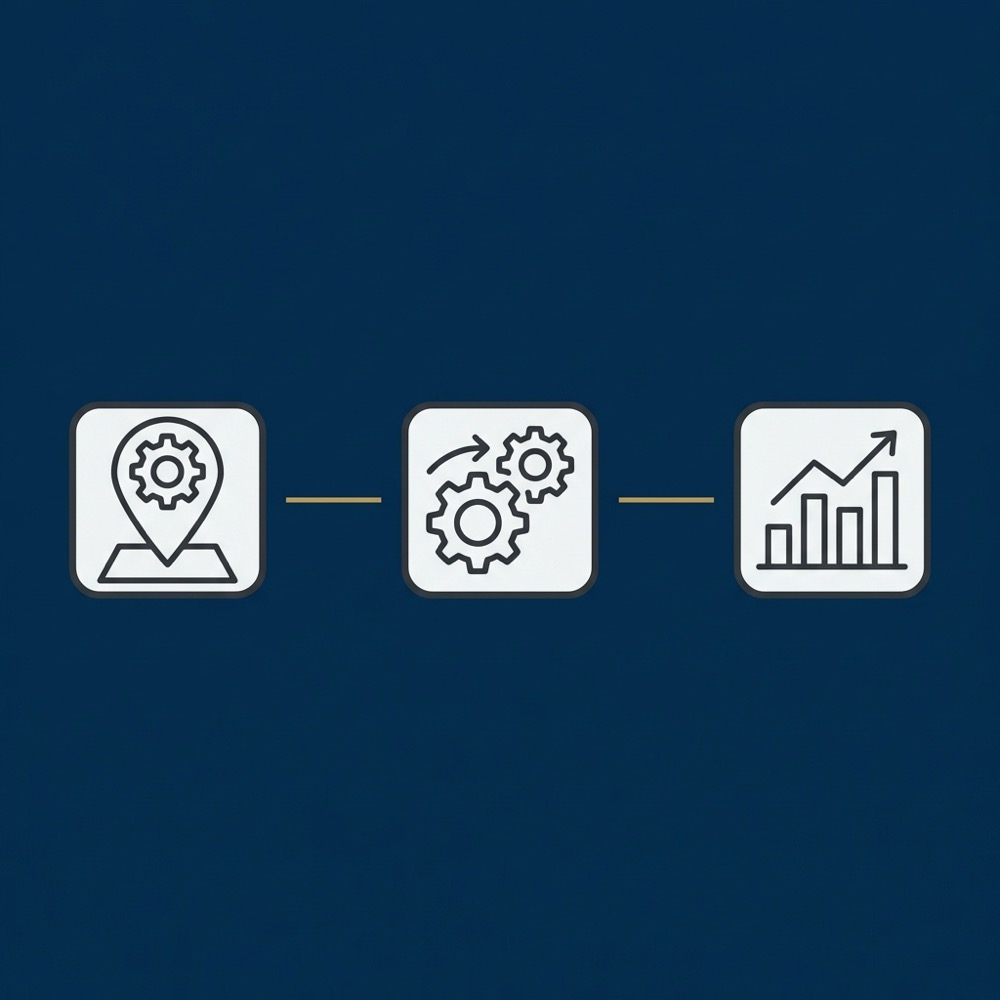
Reporting becomes essential as locations increase. Central dashboards that aggregate GBP metrics, review trends, and conversion signals let decision makers compare performance across locations. Building and maintaining those dashboards is a recurring cost and often a differentiator between growth and enterprise pricing models BrightLocal research.
How agencies structure billing: retainers, project fees and add-ons
Expect three common billing approaches. Monthly retainers cover ongoing work and should list cadence and deliverables. Project fees cover setup tasks like migrations or major technical cleanups. Add ons handle extra content packages, intensive citation cleanup, or bespoke local PR.
When reviewing proposals, ask how scope creep is managed. Clear change control and a clause that lists hourly rates or predefined add on packages prevents surprises. Vendors often include a baseline of tasks in the retainer and then quote extras when additional work is requested Search Engine Journal guide.
Common add ons include citation cleanup beyond the initial audit, extra localized content bundles, advanced attribution setup, and local PR or link building campaigns. Confirm frequency, acceptance criteria, and reporting for each add on before signing.
Reporting, measurement and attribution: what to expect for the price
Baseline reporting typically includes GBP insights, review trends, citation status, and a short monthly summary of actions taken. These items should be included in most growth retainers and above because they show activity and progress.
Attribution ready reporting requires consistent UTM tagging, CRM integration, and analyses of assisted conversions. If you want search to feed revenue metrics, expect an initial measurement build and ongoing dashboard maintenance to be priced separately or included in higher tier retainers Moz Local SEO.
Ask vendors for sample reports and dashboard access during evaluation. Sample outputs reveal whether the vendor reports on the metrics you care about and whether their reporting cadence matches your decision making rhythm.
Common mistakes and red flags when buying local SEO packages
A major red flag is promises of rankings or guaranteed results instead of a clear task list, cadence, and measurement plan. SEO outcomes are context dependent; proposals should describe work and reporting rather than make outcome promises Moz Local SEO.
Watch for vague deliverables and hidden per location fees. If a proposal lists broad outcomes without frequencies or examples of deliverables, ask for a sample month by month task list and a clear pricing table. Also verify how the vendor handles GBP ownership and change logs.
Practical checks include asking for task lists, sample reports, an SLA for GBP changes, and references for similar location work. These items help you compare vendors on execution rather than marketing language.
Three practical scenarios with sample budgets
Scenario 1. A single location cafe in a small town with low competition. The cafe primarily needs GBP setup, citation cleanup, and basic on page fixes. This situation generally maps to a starter package in the $300 to $800 per month band, which covers the initial setup and a small monthly maintenance cadence Whitespark article.
Scenario 2. A competitive city clinic where search is a major lead channel. The clinic needs recurring localized content, active review management, and local outreach. This case fits the growth band, typically ranging from about $800 to $2,500 per month, because it requires ongoing content and reputation work Search Engine Journal guide.
Scenario 3. A multi location home services brand scaling to 25 locations. Each location requires its own GBP profile, localized pages, and citations. This program often uses per location fees or an enterprise retainer with automation and dashboards. Operational complexity and reporting needs explain why per location billing or multi thousand dollar retainers are common in this situation BrightLocal research.
Contract checklist and onboarding questions for vendors
Confirm contract items before you sign. The contract should list a clear deliverable list with frequency, the billing model, reporting cadence, change control, and termination terms. These items limit ambiguity and allow easier comparisons across proposals.
Onboarding priorities for the first 30 to 90 days should include a technical audit, confirmation of GBP ownership and access, a citation audit, a draft review strategy, and initial measurement setup. These tasks establish a baseline and clarify early wins.
Ask vendors specific questions about team structure, tooling, and what diagnostics they will run. Request sample reports and references for similar location work so you can evaluate execution capacity and measurement clarity Moz Local SEO.
Conclusion: next steps for estimating and choosing a local SEO package
Run the diagnostic: map locations, rate competition, audit technical health, and set reporting needs. That diagnostic steers whether you should shortlist starter, growth, or enterprise offers.
Shortlist vendors who provide sample reports, a clear task cadence, and transparent billing. Budget for reporting and some automation if you manage multiple locations or need attribution. Context matters, so use the diagnostic to choose the right band for your constraints and goals.
Many single location small businesses start with a starter package, which commonly ranges from about $300 to $800 per month depending on scope and initial technical needs.
A growth retainer suits businesses that need recurring localized content, active review management, and ongoing citation and outreach; it typically sits in the $800 to $2,500 per month band.
Multi location work requires per location workflows, reporting automation, and centralized dashboards, which increases operational complexity and recurring costs.
If you manage multiple locations or need attribution, plan to budget for automation and dashboards early. That investment makes scaling more predictable.
References
Want this kind of work done for your business?
We build and run AI-powered marketing and automation. 15 minutes, honest assessment.
Book a call