 Orvus
OrvusHow much does an SEO package cost? A systems guide
February 11, 2026
You will find practical checklists and comparison questions designed for founders and marketing teams. The emphasis is on measurable scope, clear deliverables, and pairing one-time architecture work with predictable recurring activities.
What seo pricing packages are and why they vary
seo pricing packages describe how providers sell search work, usually as monthly retainers, fixed projects, or hourly consulting. The term covers a wide set of arrangements. Operators should think of a package as a bundle of deliverables, cadence, and access to expertise rather than a single outcome.
Monthly retainers are ongoing agreements where the vendor runs a set of recurring activities such as content production, technical monitoring, and experiment cycles. Fixed-price projects cover one-time work, for example a technical cleanup or a content migration plan, while hourly consulting suits short engagements and ad hoc advice. These models are used in different contexts: retainers fit continuous optimisation, projects suit discrete architecture changes, and hourly work helps with audits or advisory time.
Map deliverables to estimated cost and frequency
Use for rough internal budgeting
Scope elements change price expectations. High content volume, extensive technical remediation, and active link acquisition materially increase ongoing cost because they require sustained people time and processes. For a general industry view on how scope shifts typical monthly ranges, see an overview from a major pricing guide SEMrush pricing guide, and a breakdown by CodeFixer.
Geography and vertical complexity also matter. Providers in higher-cost markets and agencies serving regulated or highly technical verticals often charge more than smaller local consultants in lower-cost regions. That variation is common in market reports and helps explain why two packages with similar labels can have very different fees Ahrefs pricing guide.

Typical price bands and who they suit
Entry-level and local packages
Entry-level packages tend to be aimed at small local businesses and often include basic on-page fixes, local listings management, and a small amount of content or keyword mapping. Industry summaries commonly place these below roughly one thousand dollars per month, though the exact services and limits vary by provider and region. For a typical market framing of these bands see a recent industry pricing guide HubSpot pricing guide and a regional survey SEO Locale.
Mid-tier retainers
Mid-tier retainers usually range from about one thousand to five thousand dollars per month in many markets, and they often add technical SEO work, ongoing content strategy, and a clearer experiment cadence. These packages are commonly chosen by growing ecommerce and service businesses that need predictable capacity for content and remediation.
Request a compact consultation and diagnostic from Orvus services
If you want a compact diagnostic and a simple budgeting template to map mid-tier scope to expected monthly spend, consider using a short diagnostic and budget worksheet to estimate one-time versus recurring needs
Premium and enterprise engagements
Premium packages, often above five thousand dollars per month, include expanded deliverables such as regular technical audits, a larger content program, bespoke reporting, and closer revenue attribution. Enterprises or specialised verticals typically select these engagements when they need cross-team coordination and deeper measurement commitments. Market overviews note that premium retainers frequently bundle more reporting and SLA-level communication than lower bands SEMrush pricing guide.
Which band suits a team depends on scale, existing content capacity, and data fidelity. Local shops with low monthly content needs often find entry packages sufficient. Growing ecommerce sites with ongoing testing needs usually align with mid-tier retainers. Organisations needing custom measurement, frequent testing, and cross-channel coordination commonly look to premium arrangements.
How agencies and freelancers charge: hourly rates and engagement models
Freelancers and small consultants often charge by the hour for advisory or short-term work. Typical hourly ranges reported in the industry span roughly fifty to two hundred dollars per hour for many freelance and consultant engagements. For a survey of common hourly ranges and how they map to seniority, see a practitioner pricing guide Search Engine Journal pricing summary and an agency survey SE Ranking.
Senior consultants and specialised firms in higher-cost markets can charge one hundred to three hundred dollars per hour, particularly for strategic or deeply technical work. These rates reflect both experience and niche capability.
Start by separating one-time architecture from recurring work, list deliverables and expected hours, and use a standard checklist to compare vendors on scope, measurement, and communication before choosing a retainer or hourly model.
Hourly work buys flexible access to expertise and can be efficient for discrete tasks such as audits, training, or rapid troubleshooting. It becomes expensive for ongoing execution because people time is not pooled into continuous workflows. Retainers, in contrast, provide a predictable monthly cost and capacity for recurring tasks like content production and continuous testing.
Deciding between hourly and retainer models depends on predictability and priority. If needs are irregular or limited to advisory time, hourly makes sense. If requirements are predictable and ongoing, a retainer usually offers better value and continuity. For guidance on translating hourly ranges into a monthly planning budget, practitioners often model expected hours per month against consultant rates to produce a comparative monthly figure Ahrefs pricing guide.
To convert a scoped set of tasks into a monthly budget, list recurring deliverables, estimate hours per deliverable, and multiply by likely hourly rates or choose a retainer band that covers the same total person-hours plus project management and reporting time. This approach helps compare proposals on an apples-to-apples basis rather than by headline price alone. See our services for examples of typical deliverables.
Cost drivers: what to look for when evaluating scope and proposals
Contract length and clearly specified deliverables are major cost drivers. Longer contracts can spread one-time architecture costs over time and sometimes reduce price friction, while short contracts often raise monthly rates because they include ramp and exit planning. Industry guidance emphasises contract terms as a core driver when comparing offers Moz pricing perspective.

Content volume matters. A package that promises multiple pieces of long-form content per month requires steady editorial capacity and editorial quality checks, which increase ongoing cost. When evaluating proposals, ask how many pieces are included, expected length, and whether research and optimisation are covered or billed separately.
Technical remediation can be a large one-time expense when a site needs structural fixes, speed improvements, or a rework of content architecture. Vendors vary in whether they quote technical fixes as part of an initial project or include a recurring maintenance line item; clarify which approach is used in each proposal and watch for separate line items for heavy engineering work.
Backlink activity or outreach is another cost driver. Packages that include proactive link building or outreach workflows typically allocate dedicated hours and sometimes a budget for outreach tools or promotions. Ask vendors to describe outreach methods and expected time budgets rather than accepting vague promises.
Reporting and measurement commitments increase price. Buyers place value on transparent KPIs and revenue attribution, and proposals that include clear measurement plans and data access often command higher fees because of the extra work to maintain dashboards, attribute conversions, and tie search activity to revenue signals HubSpot pricing guide.
Pricing hybrid packages: budgeting one-time architecture, recurring SEO, and AI & Automation work
When budgets include one-time architecture, separate that line item from recurring work. One-time search architecture projects commonly cover technical audits, content architecture planning, and integration of tracking and attribution systems. Treat these as project fees to be scheduled and paid separately from monthly retainers.

For ongoing SEO, allocate budget to content creation, experimentation, and measurement. A simple rule is to ensure the retainer covers a repeatable cycle: content planning, production, technical monitoring, and at least one experiment or iteration each month. This keeps effort focused and measurable and helps link spend to iterative improvements.
AI and automation are increasingly part of modern packages, but public data does not consistently quantify how bespoke tooling should be priced. Treat AI tooling and custom automations as scoped line items: clarify whether tooling is delivered as a one-time build, an ongoing license, or included in managed services. For initial budgeting, list expected automations and ask vendors to quote them separately so you can compare baseline retainers without hidden tooling costs Moz pricing perspective.
How to compare proposals: KPIs, reporting and revenue attribution
Create a proposal checklist before you vet vendors. At minimum include scope clarity, deliverable cadence, measurable KPIs, data access, and communication terms. Explicit checklists stop vendors from hiding key assumptions in small print and make bids easier to compare.
Ask for a measurement plan that shows which KPIs will be tracked and how conversions will be attributed. Good reporting links activity to business outcomes and explains the attribution approach. Vendors that provide transparent dashboards and documented attribution logic make higher-priced retainers easier to justify because they reduce uncertainty about what the spend is buying Industry overview on fees.
Request examples of a deliverable cadence. For instance, a proposal might state two content pieces per month, a monthly technical audit, and a quarterly architecture review. If cadence is vague, cost comparisons are unreliable. Ask vendors to list what is included in each content piece and whether additional optimisation is part of the deliverable.
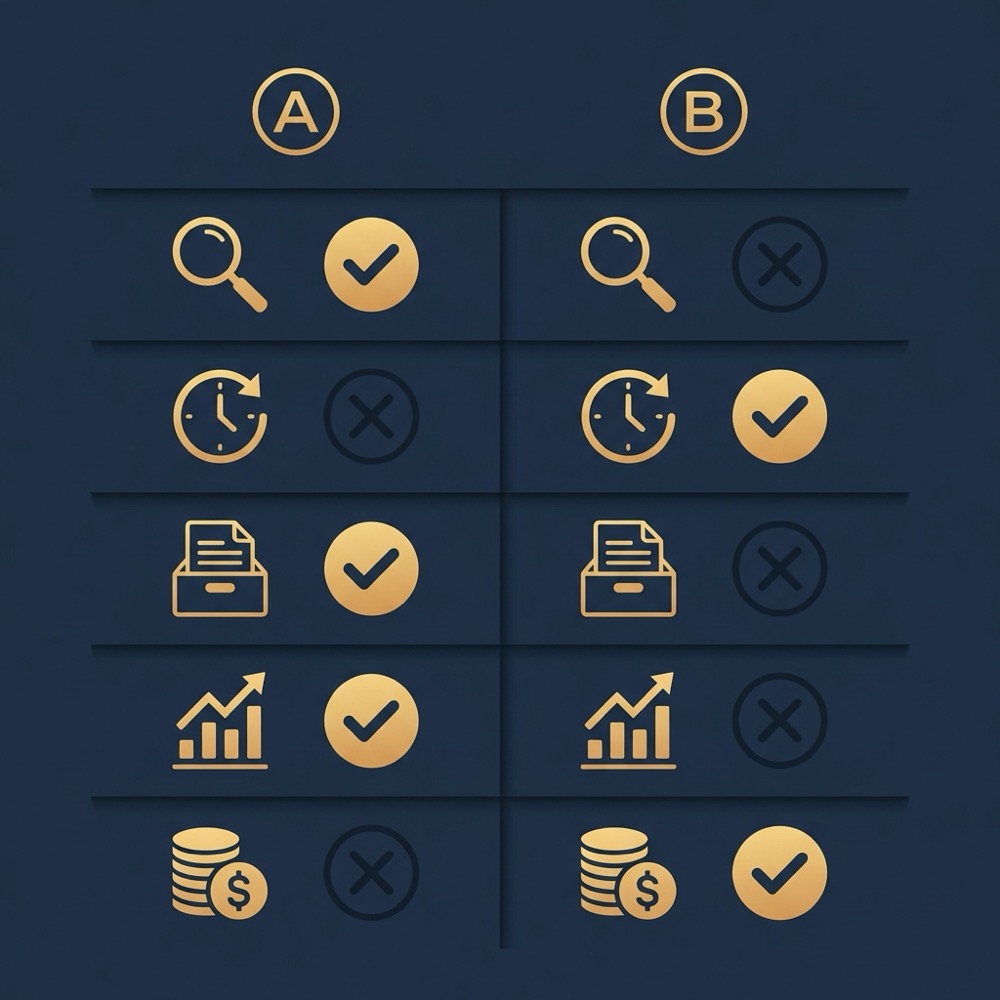
Use apples-to-apples questions when you request proposals. Ask vendors to price a baseline scope, then request add-on prices for extra content, technical hours, or measurement work. This makes it possible to compare incremental costs and decide which parts of scope are essential versus optional.
Consider short trials or pilot projects when choosing a partner. A time-boxed pilot clarifies working style and reporting quality before committing to a long retainer. In many cases, a short diagnostic plus a pilot can reveal whether processes, measurement, and communication align with your internal constraints and expectations.
Common mistakes, practical examples and next steps
A common mistake is choosing solely on price. Low-cost packages can seem attractive but often omit measurement or put limits on content and technical time that leave buyers under-served. Evaluate what is delivered, how often, and who will do the work rather than just the headline number Ahrefs pricing guide.
Another frequent error is failing to budget for testing and iteration. SEO work is part execution and part controlled experimentation. Ensure your budget includes time and resources for at least one experiment cycle per month so improvements can be measured and replicated.
Mini scenario: a local service provider with limited content capacity might choose an entry package and add consulting hours for strategy; an ecommerce team with steady publishing needs often opts for a mid-tier retainer with a clear content calendar; a regulated enterprise with cross-team requirements usually bids for a premium package that includes stronger reporting and an SLA. These are illustrative approaches, not promises of outcomes.
Next steps checklist: 1) list current search-related tasks and hours required, 2) decide which items are one-time versus recurring, 3) prepare a short RFP with deliverables and reporting expectations, and 4) request baseline and add-on pricing from candidates. These steps produce more comparable proposals and reduce the risk of hidden costs HubSpot pricing guide.
For more guides and notes on budget framing see our blog.
Many small local businesses start with entry-level packages that focus on basic on-page work and local listings. These packages are typically priced below mid-tier bands, but the right fit depends on content needs and whether technical fixes are required.
Hourly billing suits short-term advisory, audits, or irregular needs. If you have ongoing work like content production or continuous testing, a retainer usually provides more predictable capacity and coordination.
Treat AI and bespoke automation as scoped line items until you agree on scope. Some tooling is quoted as a one-time build, other tools appear as a managed service; ask vendors to separate these costs for clarity.
If you need a compact diagnostic to turn these ideas into a short budget or RFP, use the checklist in this article to get started and refine scope before soliciting proposals.
References
Want this kind of work done for your business?
We build and run AI-powered marketing and automation. 15 minutes, honest assessment.
Book a call