 Orvus
OrvusDoes social media affect SEO? Paths and measurement
January 29, 2026
Read on if you need clear decision criteria and a playbook that ties social distribution to backlink acquisition, branded search tracking, and indexation monitoring. The goal is practical experiments you can run within 30 to 90 days, not promises of direct ranking lifts.
What people mean when they ask whether social affects organic search
Google's official stance on seo and social media and why that matters
When teams ask whether social affects organic search they often mean one of two things: do social posts themselves change rankings, or do social activities help content reach audiences that create ranking signals for search engines. The distinction matters because the first claim implies a direct ranking input while the second describes indirect pathways that can be measured.
Google's public guidance through recent product updates treats social channels as a source of traffic and visibility, not a direct ranking signal, which changes how teams should frame experiments and goals Introducing social channels in Search Console.
Start a consultation to align social distribution with search objectives
If you want a short, measurement-led checklist to test social-driven SEO, consider running the checklist in this article and tracking referral-to-backlink events.
Many misunderstandings come from correlation being mistaken for causation. For example, a brand that is active on social may see branded search rise and then better organic visibility, but this pattern does not prove social activity directly altered ranking computations; it shows an association that we should instrument and test further Social media for SEO.
Clarifying terms up front helps teams pick the right metrics. In this article I use "direct ranking signal" to mean any data point the search engine uses inside its ranking algorithm, and "indirect effect" to mean a measurable outcome-like a backlink or branded search spike-that can influence organic visibility through normal SEO channels.

How social channels can influence SEO indirectly: the main pathways
How social channels can influence SEO indirectly: the main pathways
Social platforms do not usually give raw link equity, but they can be powerful distribution channels that surface content to people who will link, cite, or amplify it on indexable sites. That flow from social attention to human-driven backlinks is one of the clearest indirect routes to SEO outcomes, especially when posts reach journalists, bloggers, or niche communities Does social media affect SEO? Data and experiments.
Another common pathway is referral traffic that increases early engagement signals and can speed indexation. When content is shared and drives sessions, search engine crawlers may discover and index pages faster, which matters for timely content and launches Social media and SEO: What studies say about referral traffic, links and visibility.

Social-driven branded searches are a third pathway: strong social visibility can increase branded query volume, which correlates with improved organic presence in some analyses, though correlation is not causation and should be monitored as one of several signals Social media for SEO.
Practical implication: teams should treat social as a distribution and discovery channel and instrument how it feeds link acquisition, referral sessions, and branded search trends rather than expect direct ranking changes from platform activity.
Technical limits: why raw social links usually do not pass ranking equity
Many platforms intentionally or effectively limit link equity transfer by applying rel=nofollow or using link treatments that discourage passing PageRank. That means a link in a social post rarely behaves like a standard editorial link on a publisher site, which reduces the expectation that social links alone will lift rankings How Search works.
Beyond link attributes, technical rendering matters. Content embedded via JavaScript or inside apps can be harder for crawlers to parse, and some social content is only partially indexable without additional signals. This technical reality changes where teams invest: infrastructure and outreach rather than reliance on raw social links Social signals, links and SEO: Technical considerations for link equity.

A useful rule is to design workflows that convert social attention into indexable, durable mentions. That can mean asking a journalist to cover a story that originated on social, posting full content on an owned page before amplifying via social, or creating linkable assets that follow distribution by social channels.
Platform-specific tactics: when LinkedIn, X, Instagram, or TikTok help SEO-related goals
Different platforms play different roles. In B2B contexts, LinkedIn and X are often effective for surfacing thought leadership and research to journalists, analysts, and link-building audiences, which in turn can produce backlinks and citations on indexable sites Does social media affect SEO? Data and experiments.
For consumer-facing brands, short-form video platforms and visual networks like TikTok and Instagram tend to improve brand discovery and can increase branded search queries, which correlates with SERP presence when paired with owned content and SEO-ready pages Social media and SEO: What studies say about referral traffic, links and visibility.
monitor crawl and index timestamps and UTM discipline
Use daily checks for new content
Choose platforms by matching format to audience and link sources. If your primary link sources are industry blogs and trade press, prioritise LinkedIn and X distribution. If your aim is to drive branded queries among consumers, invest in short-form video and repeatable creative that points people to SEO-optimised landing pages.
Remember that platform tactics are a means to an end: the goal is to surface content to humans who can create indexable signals, not to accumulate platform-only engagement metrics that do not translate to discoverable or linkable assets.
Measurement-first framework: what to track when you run social campaigns aimed at SEO value
A clear measurement plan separates direct ranking attribution claims from demonstrable indirect effects. Start with referral sessions and assisted conversions, which show whether social activity is moving people to owned pages and contributing to conversion paths How Search works.
Instrument backlink acquisition events and tie them back to specific posts or campaigns when possible. For example, keep a simple log that records the source post, the outreach that followed, and the discovered backlink, then snapshot the referring page and date to build a causal narrative over time Does social media affect SEO? Data and experiments.
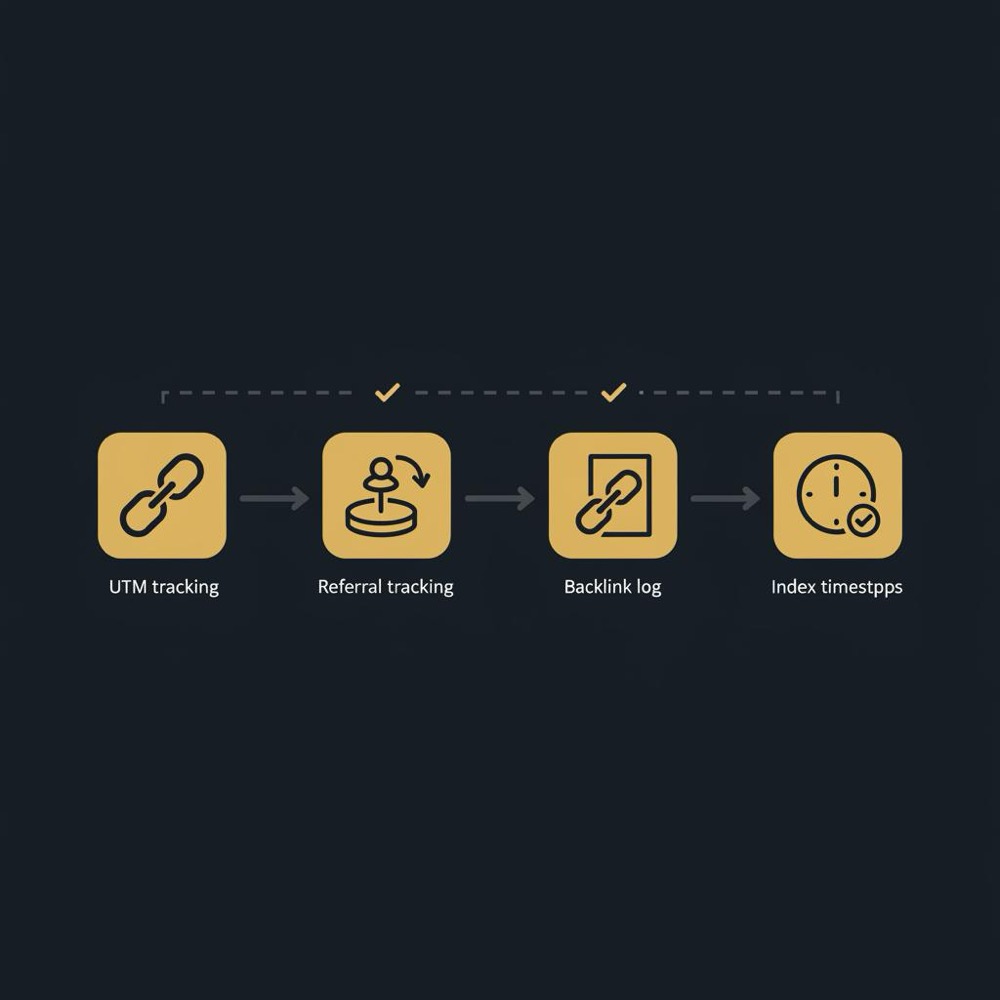
Track branded search trends as a complementary KPI. If a social campaign coincides with a sustained uplift in branded queries and that uplift matches improved organic visibility, the combined signals strengthen the case for indirect impact. Treat branded search as one piece of the puzzle rather than proof on its own Social media for SEO.
Also monitor crawl and index timestamps for pages you amplify on social. If indexation speed improves after distribution and other factors are controlled, that supports the hypothesis that social-driven traffic aided discovery Social media and SEO: What studies say about referral traffic, links and visibility.
Checklist you can copy: set UTM parameters for social posts, create a backlink event log, chart branded search volume weekly, and capture index timestamps for new pages. These steps let you quantify how social distribution contributes to outcomes that SEO teams care about.
Decision criteria: when social activity should be a priority for your SEO strategy
Not every team should treat social as a growth priority for search. Use simple decision rules: prioritise social when your audience and likely link sources are active on a platform and when content formats align with that platform's strengths. If publishers and linkers live on LinkedIn, invest there; if consumers discover brands on short video, consider TikTok or Instagram Does social media affect SEO? Data and experiments.
Resource constraints matter. If you lack creative capacity or measurement discipline, social activity can consume resources without producing link events or measurable referral gains. In those cases, focus first on search architecture, technical SEO, and content that is inherently linkable before expanding distribution budgets How Search works.
When link acquisition or publisher attention is a primary goal, allocate resources to targeted outreach and distribution playbooks rather than general posting. That typically involves coordinated outreach, press notes, or seeding content with niche communities that have proven track records of creating indexable mentions.
Common mistakes and how to avoid them
A frequent error is expecting direct ranking lifts from social activity. That expectation leads teams to measure the wrong outcomes and to confuse correlation with causation. Reframe goals around measurable referral effects and link events instead of raw platform engagement Introducing social channels in Search Console.
Another mistake is tracking vanity metrics without tying them to owned outcomes. Likes and follower counts are signals of awareness, but they do not substitute for referral sessions, backlinks, or branded search trends. Use UTMs and a backlink event log to maintain attribution clarity Social signals, links and SEO: Technical considerations for link equity.
Technical tracking failures also undermine learning. Ensure canonical tags, server logs, and analytics settings are correct so backlink discoveries and referral flows are attributed to the right campaigns and pages. Small tracking fixes reduce a lot of noise in diagnostics.
Practical scenarios and a short playbook you can test this quarter
Scenario: product launch for a consumer brand. Create a SEO-ready landing page that answers search intent for the product, post a short-form video that links to the landing page with clear UTMs, and monitor referral spikes, branded search changes, and index timestamps over 30 days. If referral traffic converts and branded search increases, follow up with influencers or publishers who saw the content to capture backlinks Social media and SEO: What studies say about referral traffic, links and visibility.
Scenario: B2B research report. Publish the full report on an owned URL, publish a short summary thread on X and a pulse post on LinkedIn linking to the report, and run targeted outreach to industry writers. Track which outreach or social post corresponds to discovered backlinks and note the timelines for those acquisitions Does social media affect SEO? Data and experiments.
Public guidance and available studies show social media does not act as a direct ranking signal, but social activity can indirectly influence SEO through referral traffic, link discovery, and branded search trends when measured and instrumented correctly.
Quick playbook checklist for 30 to 90 day experiments: build an SEO-first asset, create platform-specific creative to amplify it, set UTM parameters for each distribution path, log backlink discoveries and dates, and evaluate branded search and referral trends every two weeks. Use these evaluations to decide whether to scale distribution or pivot. Also consider a short diagnostic on where your likely link sources live by reviewing recent coverage on your industry blog or trade sites at our knowledge hub.
Run small controlled experiments rather than broad, simultaneous pushes. For instance, run a LinkedIn distribution test for the report while keeping other channels steady. That separation makes it easier to tie backlink events or referral surges to the specific social activity you used.
Conclusion: realistic expectations and next steps for teams
Conclusion: realistic expectations and next steps for teams
The available guidance and experiments indicate that social is not a direct organic ranking signal as far as public documentation goes, but social activity can produce measurable indirect SEO value through referral traffic, link discovery, and branded search trends Introducing social channels in Search Console.
Recommended next steps are pragmatic: run a diagnostic on where your likely link sources live, launch a 30 to 90 day experiment that connects social posts to SEO-ready assets, and instrument referral-to-backlink tracking so decisions are measurement-led. A focus on distribution that converts attention into indexable mentions will produce clearer SEO outcomes than relying on platform engagement alone.
Orvus Limited often helps teams align distribution to search architecture and measurement, but most of the value here is procedural: prioritise link-focused distribution, keep UTMs disciplined, and make measurement the gate for scaling social investment.
Posting more alone rarely changes rankings. Social distribution can increase referral traffic and visibility that may lead to backlinks or branded search lifts, which are the measurable indirect paths to improved organic presence.
There is no universal best platform; choose where your audience and likely link sources are active. LinkedIn and X often help B2B link discovery while TikTok and Instagram support consumer brand discovery.
Timing varies. If a campaign generates publisher attention and backlinks, you may see effects within weeks to months. Use crawl timestamps, backlink event logs, and branded search tracking to evaluate progress.
If you want help aligning distribution to search architecture and reporting, a short diagnostic and an experiment plan can clarify whether social activity should be a sustained channel for your search goals.
References
- https://sinedigital.com/how-seo-and-social-media-work-together-in-2025-why-brands-should-pay-attention-to-social-seo/
- https://www.searchenginejournal.com/social-media-seo/421234/
- our services
- https://developers.google.com/search/docs/fundamentals/how-search-works
- https://www.hootsuite.com/research/social-trends
- our knowledge base
- about Orvus
Want this kind of work done for your business?
We build and run AI-powered marketing and automation. 15 minutes, honest assessment.
Book a call