 Orvus
OrvusWhat does 1/2/3rd mean on LinkedIn?
January 30, 2026
The focus here is pragmatic. We show where the platform uses numeric labels, where writers use slashes, and how to test edits so your profile remains discoverable and readable across markets.
At a glance: what 1/2/3rd looks like in a linkedin bio
Quick definitions
In a linkedin bio, 1/2/3rd most often shows up in three ways: as LinkedIn connection-degree shorthand, as fractional availability like part-time or split roles, or as compact ordinal lists that rank priorities or services. For the platform-specific meaning, LinkedIn itself documents the connection-degree labels 1st, 2nd, and 3rd and how they appear on profiles, which is why many readers first assume a networking label when they see similar numerals on a profile LinkedIn Help Center.
Quick one-line readability test for slashed numerals
Use with a peer for clarity
When you see slashed numerals
Writers and profile editors use slashed numerals for speed, to fit character limits, or as private notes. That convenience can be useful in internal drafts, but it carries ambiguity when the profile is public and intended to be discovered by search or recruiters. Leave compact shorthand for private drafts, and prefer clearer phrases for public fields when discoverability matters.
Brief examples help show the difference: a headline that reads "Product lead, 1/2 remote" can be clearer as "Product lead, part-time remote" or "Product lead, 50% remote", both of which read better for an international audience and for search systems.

How LinkedIn itself uses 1st 2nd 3rd in a linkedin bio context
What connection degrees mean
LinkedIn labels connections as 1st, 2nd, and 3rd to indicate how directly you are connected to someone on the platform. That labelling influences what actions are available, how a person appears in your network view, and how you can message them through the platform, according to LinkedIn documentation LinkedIn Help Center.
How they affect networking and visibility
Because these labels are platform-native, they are distinct from a writer using slashed numerals to indicate availability or priorities. The connection-degree tags are generated by LinkedIn and appear near names and in search results, and they can change as you add or remove contacts. Treat them as metadata the system shows, not as profile copy you should mimic when you mean something else.
Other common uses of 1/2/3 in a linkedin bio: availability and ranked lists
Fractional availability (1/2 time, 1/2 remote)
Many career and profile-writing guides interpret slashed numerals like 1/2 time as shorthand for part-time or split commitments, and they routinely recommend spelling those terms out for clarity and ATS compatibility Indeed Career Guide.
Ordinal lists and priorities (1/2/3 as rank)
Another frequent use is a compact ranked list: skills, services, or focus areas are numbered to show priority. That format can be useful in notes or internal summaries, but when it appears in a public headline or summary it can read as shorthand and confuse readers who expect natural language. Consider turning numbered lines into short phrases or bullets so the meaning is explicit.
Start a concise profile audit
Audit one line of your linkedin bio now: pick the headline or first sentence and rewrite any slashed numerals as full phrases, then preview how it reads on mobile and desktop.
Where space is limited, such as a profile headline, concise phrasing that uses complete words often balances brevity and clarity better than slashes. For example, "Consultant, part-time" or "Consultant, 50%" both avoid the slash and stay readable.
Why compact numeric shorthand can reduce discoverability in a linkedin bio
Search tokenization and keyword matching
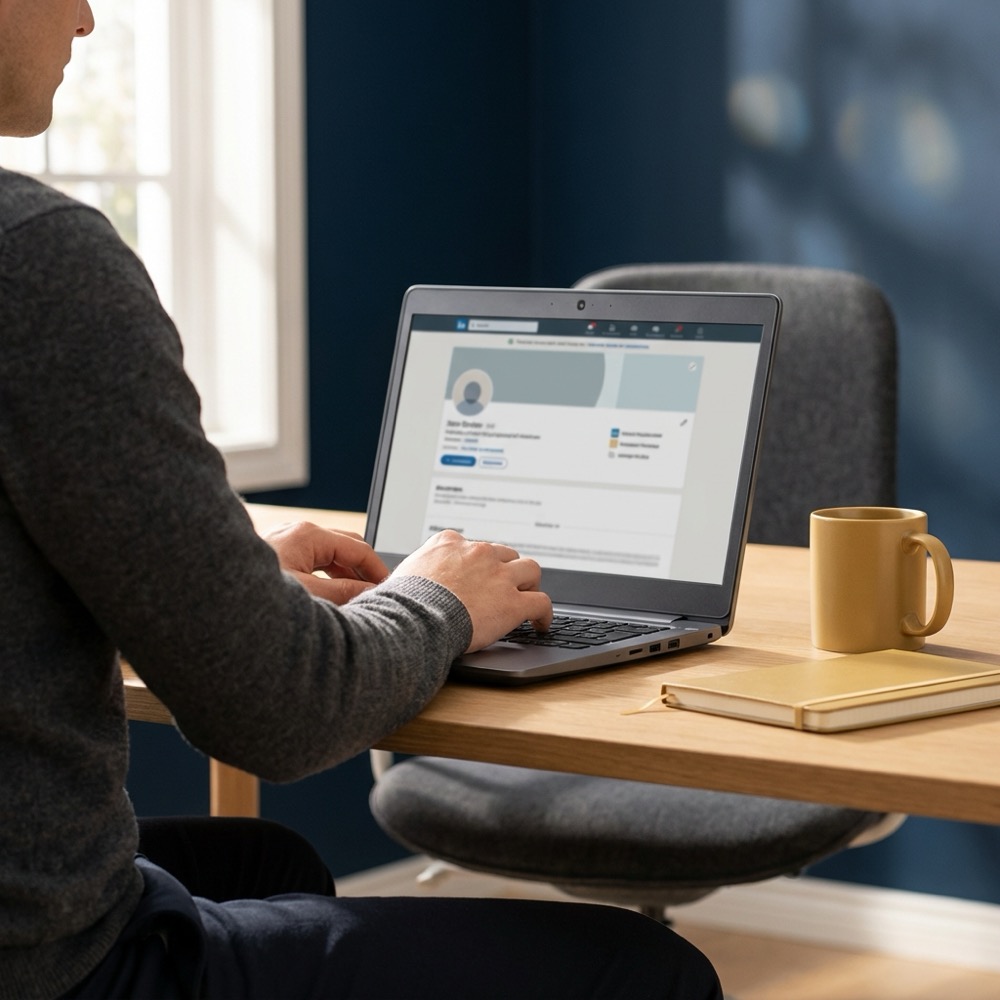
Industry guidance points out that slashed numerals can reduce keyword match and discoverability, because social search and recruiter tools do not always tokenize or match slashes and numerals consistently Hootsuite Blog, and see LinkedIn headline guidance.
Regional and readability issues
Headlines that rely on slashes can also confuse international readers. Style and readability guidance recommends replacing ambiguous slashed numerals with explicit phrases like part-time or 50% remote, which improves both clarity and the chance that keyword-driven searches will match the terms Buffer.
How applicant tracking systems and recruiters treat slashed numerals in a linkedin bio
Parsing rules and variability
Resume and profile parsing guidance shows that punctuation and numerals may be tokenized inconsistently by ATS, so a slash can break a keyword match depending on the vendor and configuration SHRM.
When to prefer spelled-out terms for screening
When exact keyword matching matters, such as in screening and ATS workflows, prefer full words or common numeric formats that parsers reliably recognise. This reduces the chance that an automated filter misses your intended skill or availability phrase.
Decision checklist: when to keep numeric shorthand in your linkedin bio
Audience and context questions
Use shorthand only when the audience is known and will read it correctly. If your primary readers are colleagues who understand the shorthand, it may be fine. If your profile is public, or you hope to be discovered by search or recruiters, prefer spelled-out terms.
Search and screening considerations
Ask whether screening depends on exact keyword matches. If yes, spell out critical terms. If not, weigh the readability trade off and test the shorter form with peers.
It usually means one of three things: a LinkedIn connection-degree label, a shorthand for fractional availability, or a compact ordinal list. Use the connection-degree meaning only as LinkedIn presents it, and spell out availability or priorities in public fields for clarity.
As a quick rule, if you have to explain the shorthand more than once to a peer, rewrite the line before publishing.
Practical rewrites and templates for a clearer linkedin bio
Side-by-side before and after examples
Before: "Growth operator, 1/2 remote, 1/2 consulting". After: "Growth operator, part-time remote, consultant". That small change keeps meaning and improves searchability. See similar summary examples at Insight Global.

Before: "Content lead, 1/2/3: strategy, ops, ux". After: "Content lead, primary focus: strategy, secondary: operations, tertiary: UX". Words remove doubt and read naturally in the headline and About fields.
Short templates for availability and priorities
Use short, consistent templates such as "Role, part-time/partially remote" or "Role, 50% remote" for availability, and "Top priorities: A, B, C" for ranked services. That keeps profiles concise while being explicit for readers and systems.
Common mistakes and how to avoid them in a linkedin bio
Ambiguous shorthand
A frequent mistake is leaving internal notes visible. Things like "1/2 follow up" or shorthand meant for a recruiter can confuse a public audience. Move internal notes to drafts or private documents.
Overloading the headline
Another common error is packing too many compact elements into the headline. Headlines with several slashed forms become hard to read and can hurt discoverability. Prioritise one or two clear keywords that matter for your goals.
How to test changes: readability, discovery, and recruiter checks for your linkedin bio
Peer readability tests
Ask two peers from your target audience to read your revised headline and About first. If both understand it without clarification, it is likely clear enough for public use.
Search and recruiter simulation
Search for your intended keywords on LinkedIn after making edits to see if your profile appears where you expect. If you rely on recruiter screening, share the line with a recruiter or consult parsing guidance to confirm the terms are discoverable SHRM. Also see how to write a LinkedIn summary for phrasing tips.
Examples: regional variations and international readers for linkedin bio numerals
How slashes are read in other markets
Slashes are not read uniformly across regions. What seems obvious in one market can be interpreted differently elsewhere. For global recruiting or sales, prefer phrasing that requires minimal interpretation, like part-time or 50% remote Buffer.
Readable global alternatives
Neutral alternatives include "part-time", "50% remote", or simple short phrases such as "primary: X". These formats reduce ambiguity for international readers and for automated systems that match keywords.
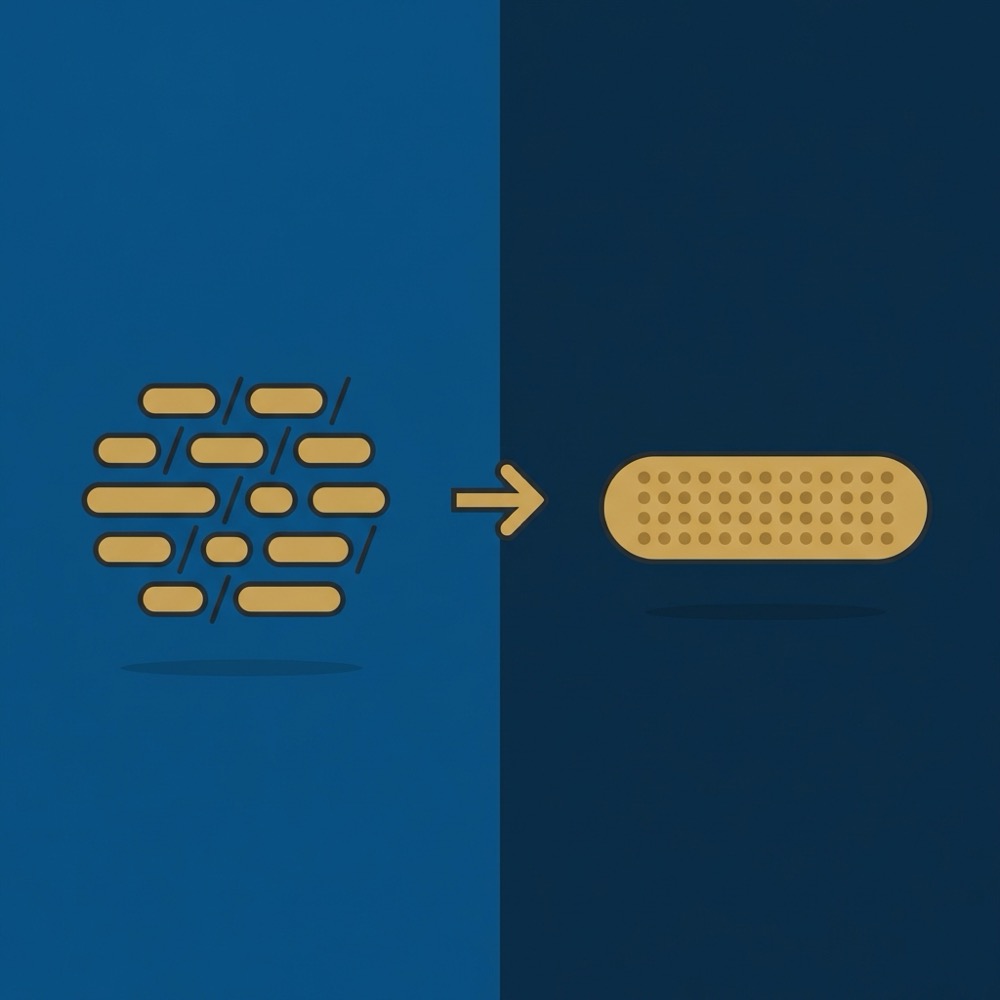
Quick reference: when numbers are okay in a linkedin bio and when to avoid them
Acceptable edge cases
Numbers are fine in private drafts, notes, or in team-only fields. Use compact numerals when the audience is exclusively internal and speed is the priority.
Hard no-go cases
Avoid compact slashed numerals in public headlines tied to ATS or recruiter searches. When in doubt, spell out the term that matters for discovery.
Implementation checklist to update your linkedin bio without losing discoverability
Step-by-step edits
1) Audit your headline and About for slashed numerals. 2) Decide which shorthand lines are essential. 3) Rewrite using the templates above. 4) Preview mobile and desktop. 5) Keep a reversible copy of the previous version so you can revert if needed.
Post-edit verification
After publishing changes, perform a search test for your key terms and ask a recruiter if screening is a concern. Repeat adjustments until the balance of clarity and concision matches your goals.
Conclusion: clear linkedin bios compound over time
Summary takeaways
The three verified meanings of 1/2/3rd in a linkedin bio are platform connection-degree labels, fractional availability shorthand, and compact ordinal lists. Prefer spelled-out phrases for public fields because they help with readability and with automated matching in search and ATS.
Small changes that have outsized effects
If you work with a growth partner or profile advisor, consider a lightweight audit that focuses on keywords and profile architecture, rather than treating the bio as an isolated item.
No. 1st, 2nd, 3rd are platform connection-degree labels. Slashed numerals like 1/2 usually reflect user shorthand for availability or rankings and should be spelled out for clarity when the profile is public.
Yes, spelling out availability improves the chance that recruiters and parsers will match the term, because punctuation can disrupt keyword tokenization in some systems.
It can be acceptable when your audience clearly understands the shorthand and you are not relying on ATS or broad search discovery, but testing with peers and recruiters is recommended.
If you are updating multiple profiles or managing hiring at scale, a short audit focused on keywords and profile architecture can help prioritise which lines to rewrite first.
References
- https://blog.hootsuite.com/linkedin-headline/
- our services
- https://www.linkedin.com/pulse/linkedin-headline-formula-label-keywords-interest-sue-ellson
- https://www.tealhq.com/post/how-to-write-a-linkedin-summary-tips-and-examples
- https://insightglobal.com/blog/linkedin-summary/
- about Orvus
- our knowledge base
Want this kind of work done for your business?
We build and run AI-powered marketing and automation. 15 minutes, honest assessment.
Book a call