 Orvus
OrvusWhat is SEO and SEM for beginners?
December 11, 2025
Getting started: what this guide covers
This guide is for founders, shop owners and marketers who want clear, usable steps - not theory. Early on we’ll explain the core difference between SEO and SEM, give a simple starter plan you can run in 30, 60 and 180 days, show what metrics matter, and walk through how paid and organic search can support each other for faster, cheaper growth.
What exactly are SEO and SEM?
SEO and SEM often get mentioned together, but they play different roles. SEO (search engine optimization) is the long-game: you earn organic visibility by improving site structure, content, and trust signals. SEM (search engine marketing), usually paid search or Google Ads, buys visibility and gives immediate presence for chosen queries. Think of SEO and SEM like two lanes of the same road: one builds a durable path over time, the other lets you accelerate traffic quickly.

How they differ, in practice
SEO and SEM answer the same user intent in different ways. SEO focuses on content, technical health, and reputation so search engines surface your pages for free over time. SEM buys placement so you can appear instantly for competitive queries. Used together, they help you learn fast and reduce acquisition costs as your organic pages mature. For further reading on how the channels can be integrated, see this practical guide: How SEO and SEM Work Together.
Why treat SEO and SEM as partners, not rivals?
People often ask: should I choose one? The smarter approach is to use SEO and SEM together. Paid campaigns produce fast feedback on messaging and offers; organic efforts build the steady foundation that lowers the long-term cost of acquiring customers. When you run a short paid test, the winning headlines and offers can be rolled into your organic pages to improve click-through and conversion rates. That is how the two channels accelerate each other.
First essentials: measurement, technical health, and intent mapping
The sensible starter moves apply whether you plan to lean into organic, paid, or both. Begin with measurement - if conversions aren’t tracked, you’ll be guessing. Set up or audit Google Analytics 4 and Google Search Console. Ensure events reflect real outcomes like purchases, quote requests or phone calls.
Next, run a technical health check. Are pages indexable? Is the site mobile-friendly? Are redirects clean? Does the site load quickly? These basics help both organic ranking and paid conversion. If indexability or speed are broken, even the best paid campaigns waste money because visitors bounce from slow or blocked pages. A small, clear logo like the Orvus Ltd. logo can also help build trust on landing pages.

Finally, map intent-driven keywords. Group queries into informational, navigational and commercial buckets. For most small businesses, start by picking ten high-intent landing pages that map directly to the services or products you most want to grow.
Get a practical 30‑day setup that produces real signals
Need a fast, practical setup? Consider a focused diagnostic and setup from Orvus services to get reliable measurement and a clear path to growth.
Short, practical 30/60/180 day plan
Days 1-30: Clarify and collect data
Week 1: Make measurement reliable. Connect Google Analytics 4 and Google Search Console, set events for form submissions, purchases and calls. Verify that goals are firing and that you can trace a conversion from click to revenue.
Week 2: Technical audit and low-hanging fixes. Check indexability, mobile usability and page speed. Fix broken links, remove unnecessary redirects and ensure noindex tags aren’t hiding important pages.
Week 3: Create or refine ten high-intent landing pages. These pages should be concise, answer the user's query, and have a clear call to action. Track every button, phone number and form.
Week 4: Run one or two small paid tests. Use narrow keyword lists, two or three ad variations, and the landing pages you just created. For many markets a first-month test budget between '500 and '2,000 is sensible to generate meaningful signals without overspending.
Days 31-90: Learn and expand
Use the data from paid tests to rewrite headlines and offers on your organic pages. Prioritize the organic pages that capture the most valuable paid conversions. Expand content around queries that show potential and refine targeting on paid campaigns. Keep experiments small: test a single variable at a time so you know what moved results.
Days 91-180: Compound and automate
By month three to six, aim to scale the winning paid campaigns and support them with richer organic content. Build systems: templates for landing pages, a cadence for content creation, and simple automations for reporting and alerts. As organic pages gain traction, your reliance on paid clicks for those queries should fall, lowering cost per acquisition over time.
How fast will you see results?
SEO and SEM operate on different clocks. Paid search can deliver measurable traffic and leads within days to weeks if campaigns are structured well. SEO results are slower - often three to twelve months for meaningful organic ranking and conversion improvements. The gap depends on keyword competitiveness, site quality, and the consistency of your work.
Use paid search as a short-term learning accelerator, and organic search as the long-term base. Paid data should reduce the time and cost needed to craft high-converting organic pages. For practical small-business tips that complement this guide, see 10 Practical Small Business SEO and SEM Marketing Tips.
Beginner KPIs: what to watch first
Keep metrics simple. For organic, watch impressions, clicks, rankings for your priority search terms, organic conversions and search result click-through rate. For paid, track impressions, click-through rate, cost per click, conversion rate and cost per acquisition. Together these metrics show whether the ads are relevant, whether landing pages convert, and whether paid traffic is efficient relative to the value of a customer.
How to design paid tests that actually teach
Start every paid test with a clear hypothesis: what are you trying to learn? For example: "Does a 'free consultation' offer convert better than 'book now' for local service searches?" or "Does a monthly price option improve signups versus a one-time fee?" Keep the test narrow: change a single variable, control the rest, and run the experiment until you have a reliable signal.
If a campaign generates clicks but not conversions, treat it as a landing page problem. If a campaign converts profitably, scale it while you build organic pages that can later reduce paid dependence.
Budgeting: how spend maps to learning
Your budget determines learning speed. Small budgets give fast iteration cycles; larger budgets collect more conversion events and produce more reliable insights. In a low-CPC market, '500 might be enough to gather initial signals; in competitive markets, '2,000 or more will accelerate learning. Always frame budgets against the lifetime value of a customer - if a new client is worth '1,000, higher acquisition cost is easier to justify during tests.
Common traps to avoid
Buying clicks for poor pages. Paid traffic to badly designed landing pages is expensive and demoralizing. Invest in page clarity and measurement before pouring large budgets into ads.
Poor analytics fidelity. If conversions aren’t tracked properly, you’ll optimize the wrong things. Track phone calls, form submissions and purchases reliably and check for broken filters or tag setups that hide real traffic.
Overfitting to short-term signals. One spike in performance doesn’t guarantee long-term success. Look for sustained performance across weeks before you scale. Use paid tests to validate repeatable ideas, not to celebrate single-week wins.
Real example: a small studio that used both channels
A small photography studio had steady blog traffic but few bookings. Paid ads targeting high-intent queries like "family photographer near me" brought immediate bookings but at a high CPA. The studio did both: they fixed page speed and mobile issues, created three clear landing pages with pricing and CTAs, and ran a focused paid campaign. The ad copy that won paid tests was used to rewrite organic titles and hero messages. Within three months the organic pages began to rank for higher-intent queries, reducing the studio's paid spend on those terms while keeping paid active for peak seasons.
How to prioritise work when everything feels urgent
Let the data guide you. If conversion rates are low, fix landing pages and run small paid tests to learn which messages convert. If CPCs are high and budgets tight, paid tests will reveal whether those terms can work for you. If technical issues are blocking indexing or mobile use, fix those first - they block both organic and paid performance.
For teams that want a fast setup without wrestling with tools, consider a practical partner such as Orvus services - they focus on measurement, architecture and performance media so you get reliable data quickly and a clearer path to compound growth.
Open questions every brand should answer
Before you commit significant time or budget, answer a few key questions: do you have reliable analytics? What are the average CPCs for your main queries? What are the conversion rates on the pages you'll send paid traffic to? These answers help prioritize whether to attack architecture, content, or paid tests first.
Quick checklist: what to do this week
- Verify Google Analytics 4 and Search Console are connected and tracking events.
- Check mobile usability and fix any critical page speed issues.
- Identify ten high-intent landing pages.
- Sketch one small paid test with a modest budget.
Practical tips and language that converts
Keep headlines tight and benefit-focused. Use explicit CTAs: "Book a time", "Get a quote", "Call now". On landing pages, answer the user's question in the first 300 words and use social proof close to the CTA. In paid ads, use clear offers and numerical anchors that set expectations (e.g. "From '45 / month").
When to scale and when to steady
Scale paid campaigns when conversion rates are stable and cost per acquisition is below your target. Pause or refine campaigns that drift upward in CPA. For organic, scale content and internal links when a page reaches consistent traffic and starts converting at a meaningful rate. The goal is to let organic growth compound so paid spend supports surges and demand capture, not constant coverage of the same queries.
Main question that beginners often ask
Many readers wonder what a single decisive question would look like, so here’s a fresh one to anchor your thinking. Below you’ll find a single, slightly playful question and a practical answer that ties back to the actions above:
Fix measurement and one landing page: ensure conversions are tracked in Google Analytics 4/Search Console and make a high-intent landing page clearly answer the user's question with a single visible CTA - that gives reliable data and immediate improvement to both paid and organic channels.
Frequently asked beginner questions
Can I do SEO and skip paid ads?
Yes, you can focus only on SEO, but it will be slower. Paid search gives immediate reach which can help cash flow and provide fast learning about what language converts. If you have urgent demand needs, use paid to bridge the gap while organic efforts mature.
How much content do I need?
Don’t count articles; cover intent. Ensure you have pages that answer questions at each stage of the buyer journey - discovery, evaluation and conversion. Quality matters more than quantity: one excellent landing page that converts is worth more than ten thin posts.
How do I know a paid campaign is worth it?
Compare cost per acquisition to customer lifetime value. If paid cost is sustainably lower than lifetime value, scale. If not, use paid tests to iterate offers and landing pages until performance improves.
How to keep experiments honest
Control variables: change only one element at a time. Run tests long enough to observe stable performance and avoid chasing a single-week gain. Keep budgets proportional to the stakes so you can learn without overspending.
Common language and metrics explained
- Impression: how often your ad or result appears.
- Click-through rate (CTR): clicks divided by impressions; a basic relevance signal.
- Cost per click (CPC): what you pay for each click in paid search.
- Conversion rate: percentage of visitors that take a desired action.
- Cost per acquisition (CPA): how much it costs to get a customer or lead.
How Orvus works with teams (a short note)
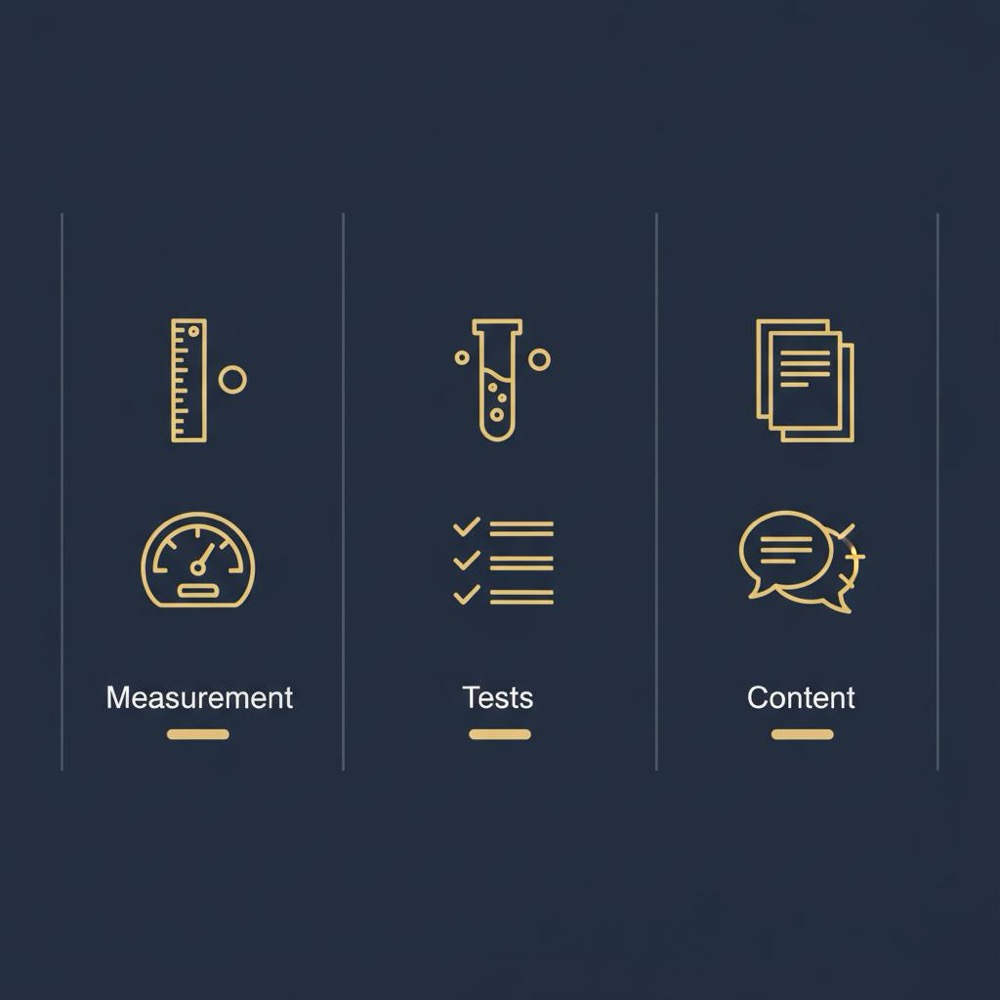
Orvus works deeply with a small number of brands to rebuild architecture, measurement and paid systems. They start with a compact diagnostic, then prioritize the few moves that compound fastest: search architecture, measurement, creative funnels and automation. This approach reduces noise and produces repeatable, data-driven improvements that matter to operators.
Long-term thinking: patience and discipline
Think of SEO and SEM as a conversation with your market. It rewards consistency and clarity. Quick wins from paid search are useful, but the deeper benefit comes from aligning content, technical health and measurement so that organic traffic compounds. Keep experiments small, learn fast, and let data guide which pages to expand and which keywords to scale.
Final checklist before you launch a test
- Are conversions tracked reliably?
- Does the landing page answer the user’s question in 10 seconds?
- Is mobile usability acceptable?
- Is the paid test hypothesis clear and measurable?
- Have you allocated a modest test budget tied to customer value?
Closing encouragement
Start small, measure honestly and iterate quickly. Use paid tests to inform organic work and let organic pages reduce paid cost over time. Walk both lanes together and you’ll understand customers faster and spend less to reach them. For more resources and case studies see the Orvus blog: Orvus useful knowledge.
Yes - you can focus solely on SEO, but that approach is slower. Paid ads provide immediate visibility and fast learning about offers and messaging. If you need leads quickly or want to test which language converts, use SEM to accelerate learning while your organic work compounds.
For many small businesses a sensible first-month test budget is between €500 and €2,000 depending on average CPCs in your niche. Smaller budgets let you iterate quickly; bigger budgets collect more conversion events and produce more reliable signals. Always compare test spend to the expected lifetime value of a customer.
Fix measurement and one landing page. Ensure Google Analytics 4 and Google Search Console are tracking conversions, then optimize a high-intent landing page so it answers the user’s question quickly with a visible call to action. That action improves both paid and organic performance.
References
Want this kind of work done for your business?
We build and run AI-powered marketing and automation. 15 minutes, honest assessment.
Book a call