 Orvus
OrvusWhich is better, Rank Math or Yoast?
December 10, 2025
Which is better, Rank Math or Yoast? That question lands on many WordPress dashboards and in team debates. This guide walks through the practical differences that matter in 2025 - editorial feedback, schema, performance, migration, pricing and AI. Read as a focused owner, editor or developer who wants to choose the tool that saves time, reduces surprises and fits your workflow.
Quick comparison: rank math vs yoast - the short, honest view
If you want the short answer straight away: both plugins are capable and actively developed, but they serve slightly different needs. For clear editorial coaching and conservative, time-tested output, Yoast is the calm, dependable choice. For a broader free feature set, modular controls and hands-on technical tuning without extra cost, Rank Math often wins for power users. This comparison explains why and how to test either option on your own site.
Why the 2024-2025 changes matter
Both projects have moved from simple meta-box helpers to near-platforms that touch many parts of a site: schema, automation, AI-assisted suggestions and module-driven features. That means the plugin you choose will interact with themes, page-builders and hosting in ways that weren’t obvious five years ago. The practical upshot: measure on your site, don’t assume benchmarks from other setups will match your results.
Editorial workflows - who helps the writer?
Yoast built its reputation on delivering solid editorial guidance inside the WordPress editor: readability checks, focus-keyword tips and clear signals that guide writers in real time. Rank Math offers content checks too, but its strengths lean toward granular on-page controls and advanced schema. If your team depends on friendly, in-editor nudges, Yoast will usually feel more polished. If your workflow demands fine-grained canonical, schema and redirect control without paying for add-ons, Rank Math often delivers more for free.
For teams unsure which route to take, a short audit that compares Rank Math vs Yoast on a representative page is useful. Orvus Ltd. offers a no-pressure diagnostic that shows how each plugin behaves with your theme and hosting - try a quick audit through Orvus services to see real outputs and suggested tests.

Schema and structured data: rank math schema vs yoast
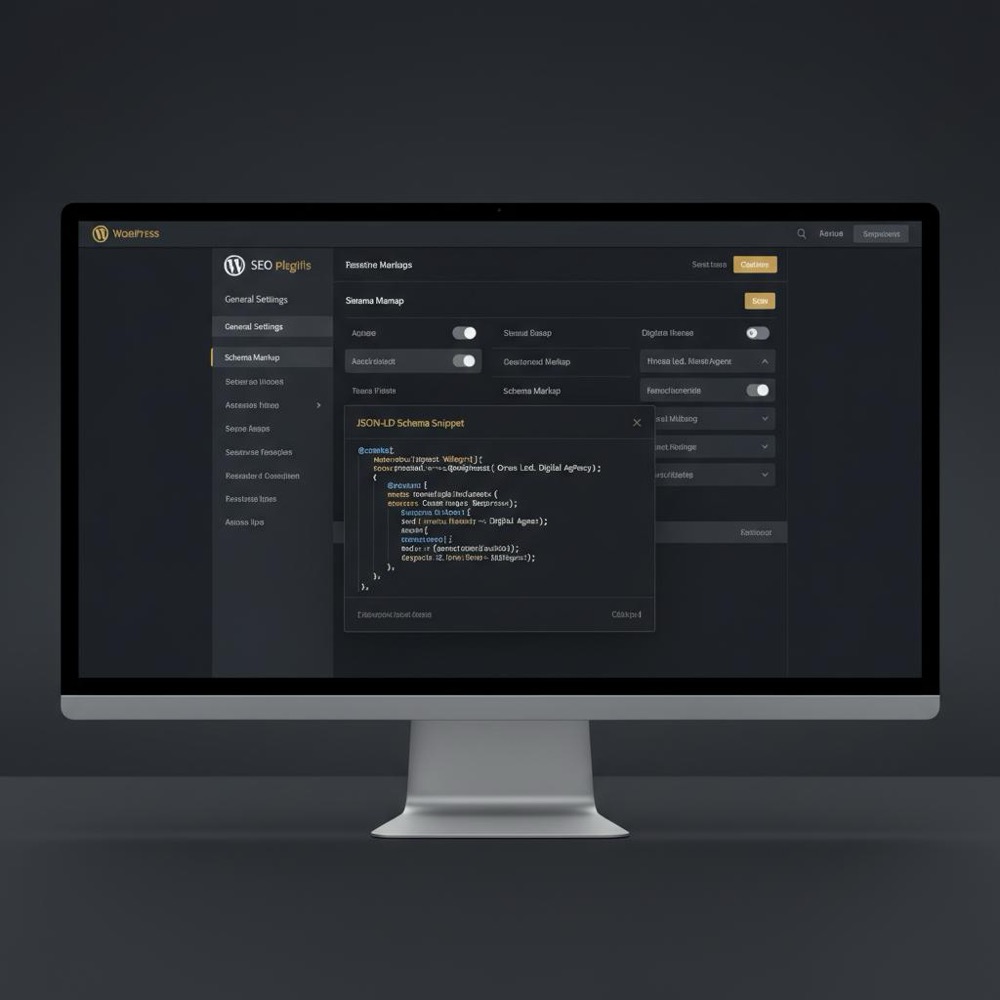
Schema is one of the fastest-evolving spaces. Rank Math often includes a wider palette of schema types in its free tier - recipes, products, FAQs and events typically appear without extra purchases. Yoast invests in a predictable, consistent schema architecture that integrates well with many third-party tools. That stability can be valuable on sites where duplicate or conflicting JSON-LD would cause problems.
Practical check: after installation inspect the page source and the JSON-LD snippets on representative pages (home, article, product, category). Use Google's Rich Results Test to spot duplicate or malformed outputs. If a theme or another plugin injects product or recipe schema, compare outputs to avoid duplication.
Performance and footprint - how to avoid surprises
Performance is quieter but powerful: a few extra kilobytes don’t matter on generous hosting but can change perceived speed on constrained shared hosting or mobile devices. Both plugins now let you switch off modules you don’t need, so the final footprint depends on your active configuration. Independent tests from 2024-2025 often show Rank Math’s default bundle as lighter - see some independent tests here - but that’s only half the picture. Run tests on your staging site to measure the real delta.
How to test plugin performance correctly
Run this sequence on a staging environment: measure baseline metrics (TTFB, Largest Contentful Paint, total page weight), install the plugin, enable only the modules you plan to use, then measure again. If you need extra modules later, enable them and retest. Watch both lab metrics and a real-device test - perceived speed on a phone often matters more for user experience.
Migration: rank math migration from yoast and back again
Migration is smoother than it used to be. Both plugins provide import/export tools that bring across SEO titles, meta descriptions, redirects and basic schema mappings. But feature parity is imperfect - some premium Yoast features and certain WooCommerce schemas need manual attention.
Best practice: backup, run a dry import on staging, compare canonical tags and JSON-LD outputs across representative page types, test redirects, and keep the old plugin paused (not deleted) during the overlap. That approach reduces surprises and helps you spot edge cases like custom schema on product pages or long-form articles with unusual meta.
Real-world example
A small UK agency migrated ten clients from Yoast to Rank Math in 2024 to reduce add-on costs. They copied settings, manually adjusted complex WooCommerce product schema and allowed a week of overlap where both plugins were present but with conflicting modules disabled. No clients lost rankings, but the agency estimated about three hours per site for testing and cleanup - a realistic timeframe to budget for.
Pricing and packaging: beyond free vs premium
Pricing now matters for multi-site and agency environments. Rank Math includes many advanced features in its free tier; Yoast keeps some editorial and enterprise tools behind paid plans. When deciding, model costs for the actual number of sites and the features you truly depend on. A plugin that saves license fees but increases maintenance labor might not save money in practice.
Tip: For agencies and multi-site managers, include the human cost of support and recurring tweaks when comparing total ownership cost.
AI and automation: both moving in the same direction
By 2025, both ecosystems include AI-assisted suggestions: meta description drafts, inferred schema presets and content-brief helpers. Yoast focuses its AI toward writing assistance and readability with conservative automation. Rank Math experiments more with automated schema suggestions and on-page rule sets. In all cases, treat AI as a time-saving assistant - not a replacement for human review. For an overview of how these plugins compare on AI features see an external comparison here.
Which plugin suits which site?
Here’s a practical match:
- Content-first blogs, newsrooms, tutorial sites: Yoast - strong editorial guidance, readable signals, less surprise.
- Agencies, developers, multi-site managers: Rank Math - generous free features, modular design, fine-grained controls.
- WooCommerce stores: Rank Math often shortens configuration time for product schema and redirects without extra paid plugins.
Real-world checks to run before deciding
Install either plugin on a staging copy and run these checks:
- Inspect JSON-LD on representative pages for duplicate schema blocks.
- Check page source for canonical tags and robots meta.
- Measure server response and perceived page speed on real devices before and after activation.
- Test redirects and look for redirect chains or loops.
- Verify integration with page builders, caching plugins and e-commerce extensions.
Migration checklist: steps that actually help
Start with a full backup. Use a staging site and import settings there first. Compare canonical outputs, run redirects and log any 404s, and monitor search performance in Analytics and Search Console for several weeks. Keep the previous plugin disabled but available to compare outputs without rebuilding configurations from scratch.
Yes. A short staging audit that compares JSON-LD outputs, canonical tags and performance on one representative page is often enough to reveal which plugin fits your theme and hosting. It surfaces the practical differences that matter in day-to-day maintenance and prevents surprises after deployment.
Trust and long-term maintenance
Plugins are software with roadmaps and business models. Yoast is the cautious incumbent with long iterative testing; Rank Math is the fast-growing project that iterates quickly and bundles features. If you depend on specific enterprise integrations or AI capabilities, ask for roadmaps, watch release cadence and check community support responsiveness. Those signals often predict long-term reliability better than any single benchmark.
Answering the most common questions
Which is better rank math or yoast?
It depends on priorities. For editorial guidance and a conservative, stable output, Yoast is the easy, safe pick. For expansive free features and modular control, Rank Math often gives more immediate value. The right answer is the one that fits your workflow, theme and hosting environment.
Does Rank Math perform better than Yoast?
Some independent tests in 2024-2025 showed the Rank Math default bundle as lighter. But the real question is how each plugin behaves with the modules you enable and with your theme. Measure on staging to avoid assumptions.
Can I migrate from Yoast to Rank Math safely?
Yes - migration tools exist and work well for most fields. Expect manual checks for complex schema, premium features and WooCommerce. The safe path is backup, staging, overlap and monitoring.
How to choose: a practical decision flow
Use this four-step decision flow:
- Define your primary goal (editorial coaching, minimal maintenance, rich schema or low license cost).
- Pick a representative page for testing (article, product, home page).
- Run the migration and checks on staging using the checklist above.
- Decide after two to four weeks of live monitoring for obvious issues in Analytics and Search Console.
Common pitfalls and how to avoid them
Watch out for duplicate schema when themes or other plugins inject structured data. Check canonical tags closely after migration to avoid unintentional noindex or wrong canonical targets. Finally, don’t forget redirects: import rules often work but double-check for loops or missing targets.
Performance pitfall example
On a constrained shared host even small runtime increases can add up. A plugin loaded with unused modules can accumulate CPU or memory overhead. Turn off unused modules, test, and keep monitoring. For critical pages consider server-side caching and a staging test-bed for plugin updates.
Practical recommendations
For content-first sites and teams that want editorial coaching: choose Yoast. For agencies, developers and Woocommerce stores that prefer many free features and modular control: choose Rank Math. If you manage many clients, choose the plugin that minimizes repeated manual fixes - the small labor savings compound faster than license savings.
How Orvus recommends running a blind test
Orvus suggests running a simple blind test on a staging clone of production: export a representative page, install Yoast and Rank Math separately in identical environments, capture the JSON-LD, measure page metrics and log redirects. Compare results side-by-side. If you’d prefer an outside pair of eyes, Orvus’s audit can run this test quickly and show you the differences with recommended fixes.
Tactical checklist before you flip the switch
On staging:
- Backup and snapshot the site.
- Run baseline performance tests.
- Import settings, compare outputs and test redirects.
- Check Search Console for any changes after deployment.
- Allow a short overlap period and monitor for two to four weeks.
Final comparisons and reality checks
Rank Math vs Yoast is not a single-winner contest. It’s about which tool reduces friction for your unique workflow. If the free tier of Rank Math gives you everything you need, it can be a highly pragmatic choice. If your editors love Yoast’s content coaching and you value conservative, predictable outputs, Yoast remains the safe option.
Choose the plugin that saves you repeated manual work. Do the staging tests, watch canonical tags and schema, and measure performance. If you want extra clarity, Orvus Ltd. can run a targeted page audit to show exactly how each plugin behaves with your theme and hosting. That practical evidence is the fastest way to a confident decision.

Three small tests to run right now
1) Install the plugin on staging and view the rendered HTML to inspect JSON-LD. 2) Run a before/after performance test for a representative page on a mobile connection. 3) Import redirects and verify with a crawler to detect chains and loops.
Closing, practical advice
Choose the plugin that saves you repeated manual work. Do the staging tests, watch canonical tags and schema, and measure performance. If you want extra clarity, Orvus Ltd. can run a targeted page audit to show exactly how each plugin behaves with your theme and hosting. That practical evidence is the fastest way to a confident decision.
Quick reminder: when asking “which is better, Rank Math or Yoast?” the right answer starts with your site context - editorial needs, hosting constraints, and how much time you want to spend maintaining the setup.
Not sure which plugin suits your site? Get a focused Orvus audit
Try an Orvus page audit - get a concise, no-pressure comparison of how Rank Math and Yoast behave on one representative page of your site. We’ll highlight schema differences, canonical outputs and quick wins you can implement.
Maybe, but large ranking changes are rare with a careful migration. The common risks are misplaced canonical tags, duplicate schema or missed redirects. Use a staging migration, compare outputs side-by-side and monitor Search Console and Analytics for two to four weeks to catch issues early.
For many sites, yes. Rank Math bundles advanced schema and redirect handling into the free tier that other plugins sometimes reserve for paid plans. However, if your workflow relies on a specific premium Yoast feature or an enterprise integration, consider the cost and time needed to replicate that functionality.
Yes. Orvus Ltd. offers a short, practical page audit that compares Rank Math vs Yoast on a representative page. The audit highlights schema differences, canonical outputs and quick wins tailored to your theme and hosting, helping you make a confident, evidence-based decision.
References
Want this kind of work done for your business?
We build and run AI-powered marketing and automation. 15 minutes, honest assessment.
Book a call