 Orvus
OrvusIs WooCommerce a Chinese company? What store operators need to know
February 1, 2026
The focus is operational. You will find the primary source pointers you need, an audit checklist for hosts and extensions, and short scenarios that map common store configurations to next steps.
magento seo: why WooCommerce ownership and origin matter for store operators
Quick answer, magento seo teams should note that WooCommerce is not a Chinese company. Automattic announced the acquisition of WooThemes and the WooCommerce product line in May 2015, and the project has been maintained under Automattic since then Automattic announcement.
For operators the distinction matters for trust and for where to look when you need vendor statements, but it does not by itself determine where your shop data lives. WooCommerce is distributed as an open-source WordPress plugin through the official plugin directory and by a public source repository, which affects who can inspect the code and how updates are published WordPress.org plugin page.
The operational consequence for hosting and compliance is straightforward: a WooCommerce store is typically self-hosted, so store data resides on the web host you choose and within the host's jurisdiction and contracts rather than automatically being stored by the plugin owner WooCommerce privacy documentation.
For search teams working on magento seo, ownership questions mainly influence where to find authoritative notices, who publishes security fixes, and where to confirm release provenance. That matters for patch timing and for documenting supply chain provenance in audits.
magento seo and origin: who created WooCommerce and who owns it now
The project began as part of WooThemes, an independent company that developed the plugin and related themes. In May 2015 Automattic acquired WooThemes and its WooCommerce product line, a move documented in the project's official posts and the acquiring company's announcement WooCommerce official post. See coverage on WP Tavern and Matt Mullenweg's post.
No. Automattic, a US-headquartered company, acquired WooThemes and has maintained WooCommerce since May 2015; the plugin is open-source and self-hosted, so data residency depends on the store's host and extension choices.
After the acquisition the plugin continued as an open-source project under Automattic's stewardship. Automattic is a privately held company headquartered in the United States, so the principal corporate ownership of WooCommerce is not Chinese TechCrunch coverage of the acquisition.
The origin story and the current ownership are separate points. The project origin explains who created and initially commercialised the plugin, while current ownership determines corporate accountability for the project's governance and public communications. Both are verifiable through the acquisition announcement and the project's public history.
How WooCommerce is distributed and how the codebase is maintained
WooCommerce ships as a standard WordPress plugin and its source tree is available in a public repository, which lets operators and auditors inspect releases, patches and commit history directly WooCommerce GitHub repository.

The plugin is also listed and updated through the WordPress.org plugin directory, the usual distribution channel for self-hosted WordPress plugins. That directory shows current versions, changelogs and the official release packaging for the plugin WordPress.org plugin page.
Because the project is open-source, contributions come from a global community of maintainers and contributors rather than a single national workforce. That distribution model reduces the risk that the codebase is tied to a single country for development, but it also means operators should confirm the provenance of any paid extensions used alongside the core plugin.
Where store data actually lives, hosting, jurisdiction and extensions
WooCommerce functions as a self-hosted plugin on a WordPress site, so store data such as orders, customer details and product records are stored where the site is hosted and where the host's backups, logs and contracts specify data residency WordPress.org plugin page.
That separation means corporate ownership of the plugin does not automatically change where your data sits. However some extensions or hosted subservices can send telemetry or use external APIs, so you need to check each extension's privacy and data-handling statements before assuming all data stays on your host WooCommerce privacy documentation.
Practically, confirm your host's physical or contractual data residency controls, ask how backups and logs are stored and deleted, and require vendors to document any external API endpoints their extensions use. Those supplier checks are what determine compliance obligations in most regions.
How to verify WooCommerce ownership and code provenance yourself
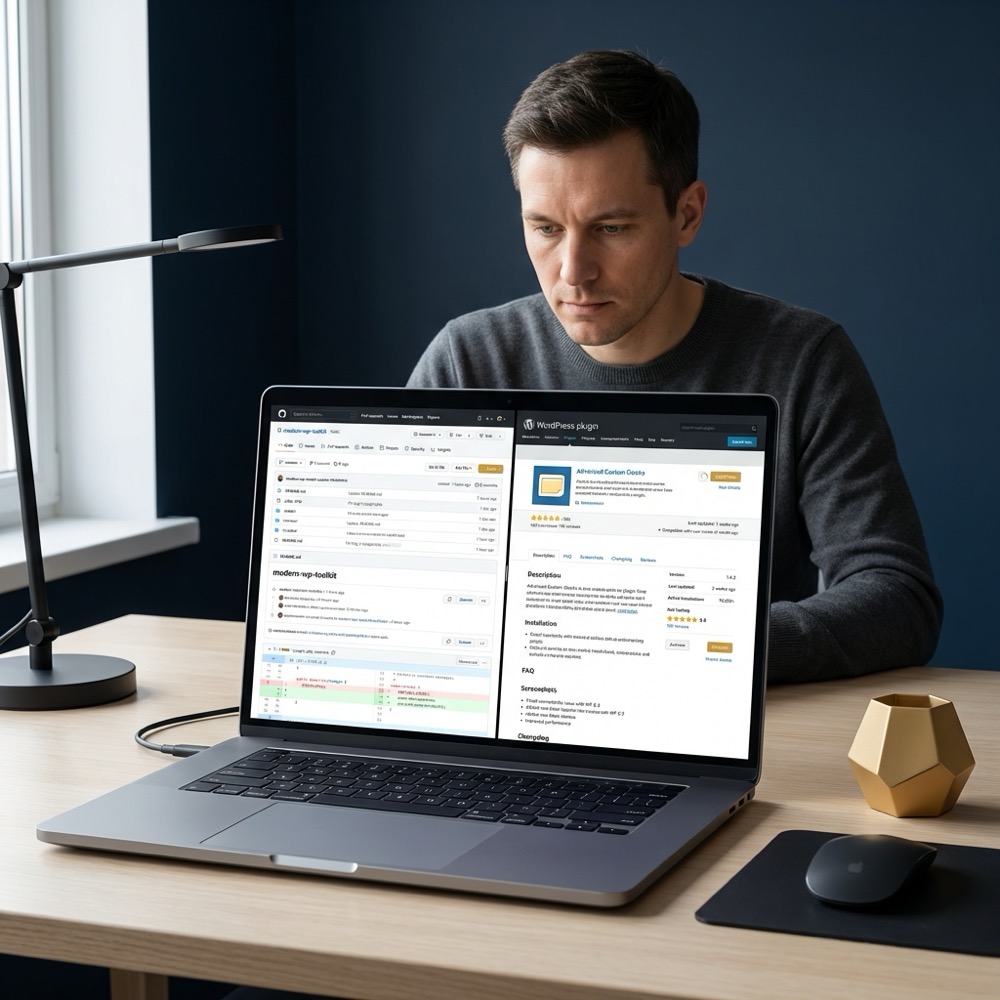
Start with primary corporate sources. The Automattic acquisition announcement and the WooCommerce official post from May 2015 are the direct public records that describe the transaction and the change in stewardship Automattic announcement.
Next, inspect the plugin distribution and source history. The WordPress.org plugin page shows published releases and changelogs while the public GitHub repository exposes commit history, release tags and the list of maintainers - these are the artefacts that show who contributed and when WooCommerce GitHub repository.
Finally, review privacy and data-handling statements for both the core plugin and any paid extensions or hosted subservices. Extension-level documentation will show whether a given add-on calls home to an external service, logs telemetry or stores user data outside your hosting environment WooCommerce privacy documentation.
Practical checklist for store owners and operators
Quick audit, check where your site is hosted and confirm the host's data residency and backup policies. Inspect installed extensions for explicit privacy statements and external API endpoints. Verify the core plugin release history on WordPress.org and review commit history on the public GitHub repository to confirm provenance WordPress.org plugin page.
Ask your host where backups and logs are stored, request data processing agreements if you need them, and require extension vendors to provide a short privacy summary that describes external calls and telemetry. If any answers are unclear consider escalating to legal counsel or a technical partner for a deeper audit.

When prioritising actions, start with the host contract and the largest extensions your store depends on. Those items typically have the biggest effect on compliance and on where user data is routed or persisted.
Common mistakes, risks and pitfalls to avoid
A common error is to assume that plugin ownership equals data control. Ownership of the code base does not change where a self-hosted site stores its data, so focus on your host contracts and the extension behaviours documented in privacy statements WooCommerce privacy documentation.
Another frequent pitfall is installing paid or free extensions without checking for external API usage. Some extensions may call external services for analytics, payments or feature toggles, and those calls can move telemetry or user data out of your hosting jurisdiction WooCommerce privacy documentation.
Operators also sometimes assume that a plugin owner will handle incident response for hosted sites. For self-hosted WordPress installs you remain responsible for patching, backups and incident plans, and the host terms will define who is responsible for backups, logs and notifications.
Examples, scenarios and recommended next steps
Scenario one, a self-hosted store on an EU-based host. In that case your store's data residency obligations will follow the host's facilities and contracts, while Automattic's ownership of the plugin remains a separate governance fact; you can confirm the plugin's distribution and release notes through the public repositories WordPress.org plugin page.
quick repo and release provenance checks
run shallow git fetch then inspect tags
Scenario two, a store using paid extensions that call external APIs. In that situation the extension vendors' privacy statements determine whether customer data or telemetry leaves your host, and you should require clear documentation of endpoints and data retention before installing those extensions WooCommerce privacy documentation.
Recommended next steps, prioritise host and extension checks, document findings and include them in your magento seo and compliance records. If you need systems-level checks, Orvus Limited can help run a concise diagnostic and map remediation steps, but the right next actions depend on your host, extension mix and contract constraints.
No. Automattic, a US-headquartered company, acquired WooThemes and the WooCommerce product line in 2015, and the project has been maintained under Automattic since then.
Not necessarily. WooCommerce is typically self-hosted, so data location depends on the hosting provider and the contracts you have with them, not the plugin's corporate owner.
Review the extension's privacy or data-handling statement and test network calls in a staging environment; require vendors to disclose endpoints and retention policies before use.
When you need a systems-level review that ties search architecture, hosting and extension provenance into a single diagnostic, a focused consultation can help prioritise fixes based on your constraints and measurement needs.
References
Want this kind of work done for your business?
We build and run AI-powered marketing and automation. 15 minutes, honest assessment.
Book a call