 Orvus
OrvusWhat is an example of an organic search?
December 11, 2025
What is an example of an organic search? - Surprising Powerful Examples
What is an example of an organic search is the kind of question someone types when they want clarity fast. At its heart, an organic search is any unpaid result a search engine returns because it thinks that page best answers a person’s query. But what does that look like in everyday life? In this article we unpack practical, human examples you can spot, measure, and build toward.
Why examples matter
Examples turn abstract ideas into usable steps. When you see a clear example of an organic search leading to customer action - phone calls, purchases, bookings - you can model the path, iterate, and win. Below we walk through common query types, show real user journeys, and map actions you can take right away.
Tip: If you'd like a short, practical review of how your site maps to search intent, Orvus' growth services offer hands-on diagnostics and prioritized fixes - check Orvus' growth services to see a compact plan tailored to your business.
Core types of organic search examples
Not all organic searches are the same. They usually fall into distinct intent buckets. Here are the most useful categories and a real-life example for each:
1. Informational queries - the how-to moment
Example: someone types "how to fix a leaky faucet" and clicks a step-by-step guide with photos. That click is an organic search visit. The searcher wants instructions, not to buy immediately. A clear beginning-to-end guide that covers tools, timing, and common mistakes often wins this slot.
2. Local queries - the near-me decision
Example: a traveler searches "coffee shops near me" and clicks the map listing for a nearby café. That map result, business profile, and any free links shown are part of organic search when they appear because of relevance, not ads.
3. Commercial investigation - research before purchase
Example: "best headphones under $200" leads to comparison pages and expert reviews. A product review that answers common concerns and includes structured data (like review schema) is a typical organic result that helps users decide.
4. Navigational queries - finding a specific place
Example: a search for an organization or brand name that returns the official site, knowledge panel, and social profiles. These are organic outcomes because search engines recognize the entity and show trusted sources.
5. Multimedia engagements - images and videos
Example: "how to braid hair video" and the user watches an in-page tutorial or clicks a video carousel. Image and video carousels are organic features when they are algorithmically surfaced.
What happens visually on the SERP?
Organic results are not just blue links anymore. Featured snippets, People Also Ask boxes, knowledge panels, image carousels, and the local pack are all organic features when they are algorithm-driven. These elements change where attention falls and whether a user clicks through. For example, a concise featured snippet can answer a question immediately - sometimes reducing clicks but strengthening brand trust.

Yes. If the searcher’s intent is informational, a how-to that clearly demonstrates experience and provides a concise answer can outrank a product page because it better satisfies the user’s goal. Matching format to intent matters more than chasing a specific position.
Concrete organic traffic examples you can spot
Let's make this real. These scenarios show types of queries and the typical organic results they trigger:
Home DIY: "how to paint kitchen cabinets"
A long, illustrated guide with step-by-step photos often appears as an organic listing and sometimes as a featured snippet. Users clicking that article are in the informational stage. If the site later links to a paint product comparison or a local contractor page, that same content can pull readers down the funnel.
Local service: "emergency plumber near me"
A business with a well-optimized Google Business Profile, consistent NAP (name, address, phone) data, and local schema can appear in the local pack organically. That placement usually generates calls and directions, making it highly valuable.
Product research: "best running shoes 2024"
Authoritative reviews, comparison charts, and aggregated user ratings can claim featured spots. These organic pages show experience and can include review schema that improves visibility and click-through rates.
Recipes and rich results: "easy lasagna recipe"
Recipe pages with clear steps, photos, cook time and structured recipe data can appear as rich results with images and ratings. That increased visibility often boosts organic traffic.
Local content funnel: "wedding cake baker [city]"
When a bakery builds pages that match specific intents - custom wedding cakes, seasonal menus, ordering steps - it improves the chance of being shown in organic local results and earning inquiry calls.
Why the first organic listing matters (but not always)
Industry studies often report the first organic listing captures anywhere from roughly 20% to 40% of clicks, depending on query and SERP layout. But the real story is nuanced: if a featured snippet provides the answer, click behavior changes. If the user needs local results, they may click the map pack instead. The lesson is simple: aim for the right format for the intent, not just position. For recent analysis of paid and organic CTR trends, see this Paid and Organic CTR Trends: 12-Month Analysis.
For deeper reading on how AI overviews affect click behavior, see Google AI Overviews are hurting click-through rates and Google AI Overview Study - SEO & PPC CTR impact.
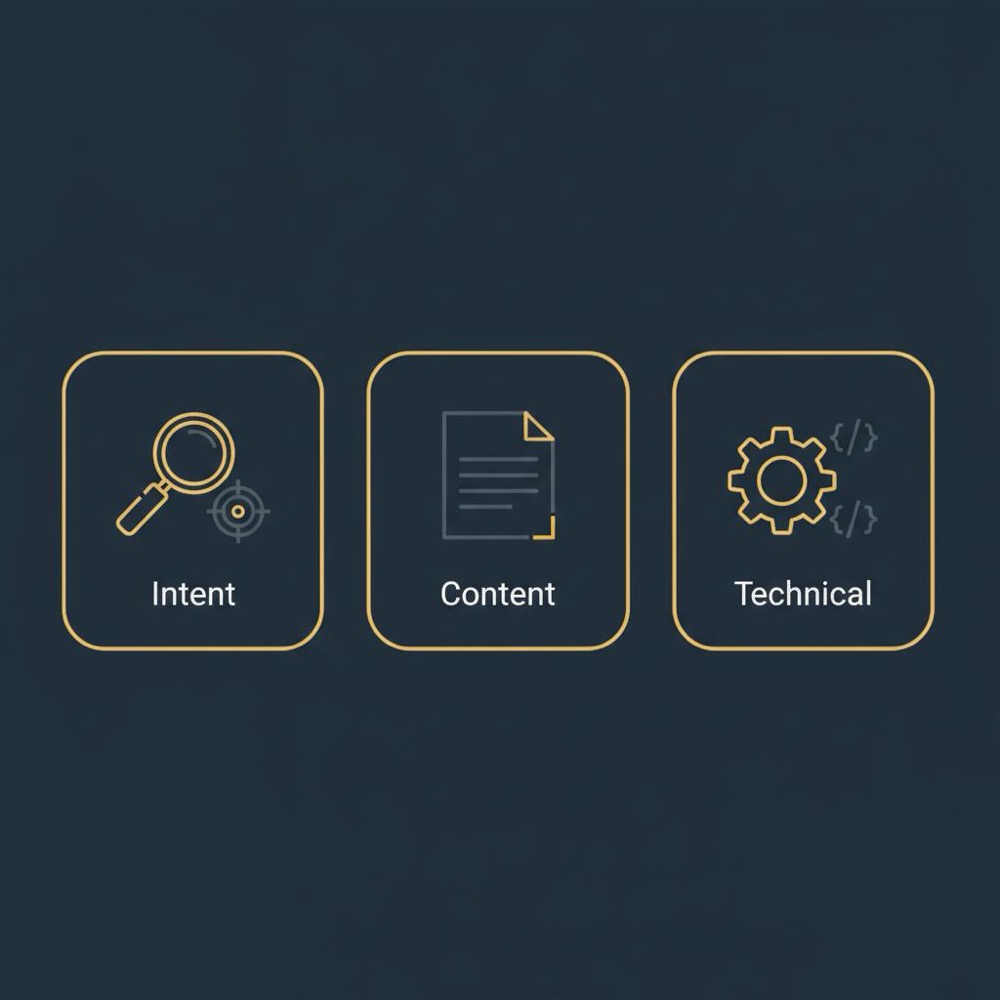
How to turn examples into strategy: three pillars
Improving organic search performance rests on three broad, repeatable pillars:
1. Match user intent
Ask: who is the searcher and what do they want right now? Design pages to meet that need. If the query is informational, lead with a clear, short answer followed by helpful depth. If the query is commercial, include comparison tables, specs, and easy paths to conversion.
2. Demonstrate quality: E-E-A-T
Experience, Expertise, Authoritativeness, and Trustworthiness matter. Show credentials, first-hand usage notes, dated updates, and reputable citations when relevant. For local businesses, consistent addresses, real reviews, and clear contact methods show trust.
3. Provide technical health and structured data
Make sure pages load fast, are mobile friendly, and are crawlable. Add structured data where it helps search engines classify content - articles, products, recipes, local business info, and FAQs can all benefit.
Practical checklist you can use today
Here’s a short, practical checklist-use it on any page you want to optimize for organic search:
Content & intent
- Define the searcher and their intent for the page.
- Put the clear answer near the top (one to three sentences).
- Add subsections that cover related subquestions.
- Include first-person experience where possible (photos, notes, dates).
Authority & trust
- Add an author line and credentials if appropriate.
- Cite sources or link to research for factual claims.
- Display recent updates and clear contact info for businesses.
Technical & structured data
- Run a mobile speed test and fix issues slowing the page.
- Check robots.txt, sitemap, and canonical tags.
- Add structured data relevant to the page type (Product, FAQ, Local Business, Article).
Sample content brief for an "informational" page
Use this brief when commissioning or writing a how-to article you want to rank organically:
Title: How to Prune Roses: A Simple Step-by-Step Guide for Home Gardeners
Goal: Serve the informational intent, answer the core question in 50-100 words, and provide clear steps, photos, and a short troubleshooting section.
Sections: short answer, tools needed, step-by-step instructions with images, common mistakes, when to hire a pro, links to related guides.
Schema: Article schema and FAQ schema with 3-5 common user questions.
Measurement: Track organic clicks, average time on page, and the number of internal visits to product/commercial pages from this page.
Case study 1: the ergonomic chair brand
A small furniture brand focused on paid ads first. When they audited queries they already ranked for, they found question-based searches-"do ergonomic chairs help back pain" and "how to choose an ergonomic office chair." They launched clear, evidence-backed guides with comparison pages and added product review schema. Within six months, organic traffic for those queries rose and conversion value per organic session increased.
Case study 2: the local bakery
A bakery aiming for "best bakery" in town got more traction when it answered specific intents. Pages for birthday cakes, pastry menus, and ordering instructions, alongside a complete Google Business Profile, led to more calls and bookings. The point: intent-driven pages beat vague pages.
Structured data: what to focus on
Structured data is a machine-readable label that tells search engines what a page is about. It’s not a ranking magic wand, but it improves the chance your page shows as a rich result. Common schemas that help organic visibility include:
- Article (for longform guides)
- FAQPage (for common questions)
- Product and Review (for product pages)
- LocalBusiness (for local services)
- Recipe (for cooking content)
Implementing the right schema increases the chance of getting image carousels, review stars, or booking widgets in organic results.
Measuring the impact of organic search
Don’t celebrate clicks alone. Connect search behavior to business outcomes. Useful measurements include:
- Queries that lead to conversions (link search console queries to analytics).
- Organic revenue and conversion per session.
- Downstream actions like repeat visits or signups from informational pages.
- Phone calls and local actions for businesses with real-world customers.
Common mistakes teams make
Many teams repeat the same errors. Watch out for:
- Treating every page like it should rank for a broad keyword instead of a specific intent.
- Using thin, low-effort content that offers no experience or unique insight.
- Ignoring technical issues like slow mobile pages or broken canonical tags.
- Measuring vanity metrics rather than business outcomes.
When to prioritize which page types
Match format to intent:
- Informational queries: short answer + long-form how-to with images.
- Commercial investigation: comparisons, reviews, and clear specs.
- Local queries: Google Business Profile, location pages, and consistent citations.
- Transactional queries: product pages with structured data and smooth checkout.
A short, repeatable experiment to run this week
Pick one page that ranks on page two or low page one for a valuable query. Do three things:
1. Add a clear 1-3 sentence answer near the top.
2. Add FAQ schema with 3 common subquestions.
3. Fix one technical issue that slows the page.
Track clicks and conversions for 6-12 weeks. Small, focused experiments like this often yield measurable gains.
Tips for local businesses
Local queries are often the quickest wins. Make sure your Google Business Profile is complete, respond to reviews, keep hours updated, and ensure your NAP is consistent across major directories. Local schema on landing pages and event pages helps as well.
How generative AI is changing the organic landscape
Search engines now experiment with synthesized answers. For quick factual questions, users may get a one-box response that reduces clicks. For complex needs - deep research, nuanced comparisons - people still click through. The best play is to provide original, evidence-based content that complements the short synthesized answers with depth and verification. For reporting on how AI overviews affect clicks, see Google AI Overviews are hurting click-through rates and this Google AI Overview Study - SEO & PPC CTR impact.

Orvus focuses on the levers that compound: architecture, measurement, and execution. That means mapping searcher intent to content architecture, instrumenting measurement so teams see real revenue impact, and building quiet automations that keep systems healthy. The combination turns sporadic wins into steady growth. A small Orvus Ltd. logo can help maintain consistent branding across channels.
Practical Orvus-style checklist
- Run a compact diagnostic of queries and funnel impact.
- Prioritize pages that map to high-value intents.
- Apply structured data where it increases click probability.
- Fix the top technical issues that block crawling and mobile speed.
- Instrument conversion events and measure downstream value from organic visits.
Which tools help you do this faster?
Useful tools include search analytics (Search Console), speed testing (PageSpeed Insights or Lighthouse), structured data testing tools, and an analytics platform that can join search data to conversions. A compact dashboard that ties queries to business outcomes is invaluable. See our useful knowledge hub for related guides.
How long will improvements take?
There’s no one-size-fits-all timetable. Technical fixes can show movement in weeks; content work often takes three to six months to show substantial organic gains. The key is consistent measurement and small iterative experiments that deliver usable signals.
Final checklist before you publish any page aimed at organic search
- Does the page answer the searcher's intent clearly in the first 50-100 words?
- Is experience or expertise visible and credible?
- Is the page fast and mobile friendly?
- Is relevant structured data included?
- Are conversion points and measurement in place?
Get a compact plan to turn organic search into real growth
Ready to map search to measurable growth? Get a compact, prioritized plan that shows where organic search will move your business - no noise, just the highest-leverage actions. Start with Orvus' services and get a tailored next-step list.
Wrapping up: a short exercise to practice what you learned
Pick three queries your site already ranks for. For each, ask: what is the user intent? Does your page answer it clearly? Is the technical health and structured data in order? If not, you now have a concrete place to begin.
Organic search is a conversation - when you answer the question clearly, naturally, and with evidence of experience, the searcher is more likely to click, trust, and return. Keep the searcher at the center, measure outcomes, and iterate.
Thanks for reading - now go pick three queries and try the short experiment.
A simple example is someone typing “how to fix a leaky faucet” into a search engine and clicking a free step-by-step guide that appears in the results. That visit is organic because the page earned the placement through relevance and quality rather than payment. Informational pages, local map listings, and product review pages are common organic outcomes.
Timelines vary: technical fixes (speed, canonical issues) can show movement in a few weeks, while content and architecture improvements typically take three to six months to deliver meaningful gains. Consistent measurement and small experiments help you learn faster and prioritize the most impactful changes.
Yes. Orvus Ltd. specializes in mapping search architecture to business outcomes-prioritizing content, technical fixes, and measurement so your organic work directly ties to revenue. If you want a compact, practical plan, Orvus’ services provide diagnostics and prioritized actions tailored to your constraints. See Orvus' services for more details.
References
Want this kind of work done for your business?
We build and run AI-powered marketing and automation. 15 minutes, honest assessment.
Book a call