 Orvus
OrvusHow to optimize local search?
November 25, 2025
How to optimize local search? Essential, Proven Guide
Optimize local search is not a magic trick - it's steady, human work that turns local intent into real customers. When someone types "coffee near me" they are moments away from buying. This guide walks through the practical steps you can take today to improve visibility, increase calls and bookings, and measure impact in weeks, not years.
Why local search still matters - and why it’s different from generic SEO
Search engines aim to give immediate, useful answers for local queries. They judge businesses on accuracy, credibility, relevance, and user experience. That means local signals - listing completeness, review quality, and local links - matter more than generic ranking tricks. If you want to optimize local search, start with the signals that affect both visibility and conversion. For a concise summary of what influences local pack rankings, see Google's local ranking factors.
Local search is where intent and location meet. A searcher who types a service plus "near me" or "open now" is likely close to buying. That makes these micro-decisions incredibly valuable: one additional phone call or booking a day compounds quickly.
One practical way to accelerate this work is to get a short, tactical review from a growth partner that understands local systems. Orvus offers compact diagnostics and real, measurable plans you can run: see Orvus's services for a clear example of how focused help can speed results - Orvus services.
If you'd like help running the one-day diagnostic in this guide, you can view compact service offerings and get started quickly at Orvus services.

Three priority signals to focus on now
If you had to pick only three things to fix today to most reliably optimize local search, pick these. They’re measurable, repeatable and-importantly-tied to real customer behavior.
1) Google Business Profile: completeness plus activity
A complete Google Business Profile (GBP) is the baseline. Make sure your hours, phone, address, categories, photos, and service descriptions are accurate. Then add engagement: respond to reviews, publish regular posts, answer questions, and keep photos fresh. A complete but dormant profile often performs worse than a slightly less complete profile that looks lived-in. For Google's official tips on improving local ranking via your Business Profile, see Tips to improve your local ranking on Google.
2) Reviews: quantity, recency and named detail
Not all reviews are equal. Volume helps algorithms; named, specific reviews help people. In recent consumer studies, named reviews are becoming more persuasive - people trust real names and concrete details more than anonymous stars. Create a simple, respectful review process that makes it easy for satisfied customers to leave specific feedback.
3) Local citations and backlinks
Citations (name, address, phone or NAP) are hygiene: they let systems connect the dots. But local backlinks from reputable sites - community papers, local partners, chamber pages - act as endorsements and carry more authority. In short: citations steady the foundation; local links amplify your reputation. For an entity-based view on local SEO signals and how links and citations interact, see Local SEO ranking factors.
Quick technical trio that converts fast
There are technical items that directly affect whether a click becomes a customer. These are simple to describe and often quick to fix:
- Mobile performance: speed, interactivity and visual stability matter because they affect user behavior.
- LocalBusiness schema: structured data helps search engines understand what you do and which queries you match.
- NAP consistency: mismatches cause verification failures and user doubt.
Do these three well and you often see conversion improvement in weeks. They reduce friction and make it easier for searchers to act - call, book or visit.
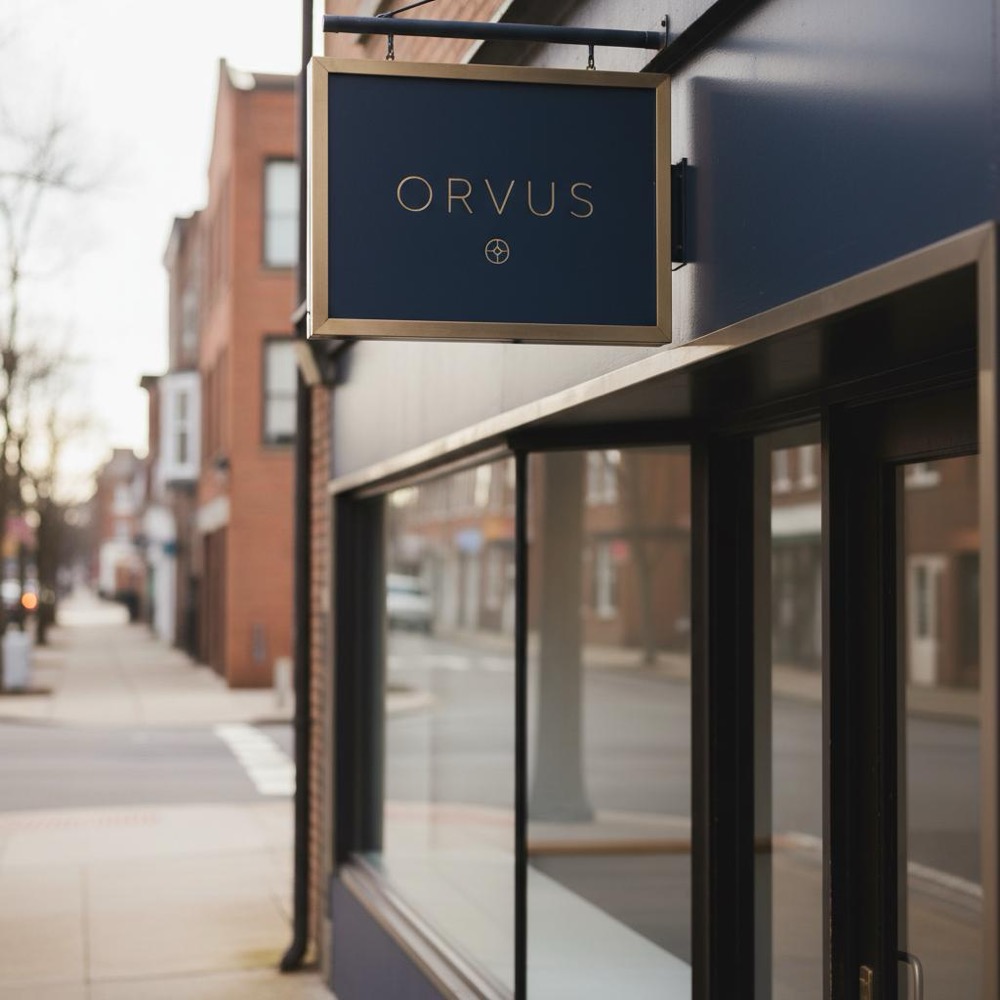
Do these three well and you often see conversion improvement in weeks. They reduce friction and make it easier for searchers to act - call, book or visit. A clear, recognizable logo can help people trust local listings when they first find you.
A compact diagnostic you can run in a day
You don’t need a long audit to find big wins. Run this one-day diagnostic and you’ll know what to fix first. This is how to prioritize work that will help you optimize local search quickly.

Step A - Google Business Profile scan
Open your GBP and look for obvious gaps: hours, services, photos, descriptions, categories. Are your hours correct for holidays? Are you using all relevant business categories? Does the messaging match your website?
Step B - conversion quick-check
Look at analytics for mobile calls, contact-page views, and booking completions. If you can’t track calls, set up call-tracking immediately; you can’t manage what you don’t measure.
Step C - quick site crawl
Use a fast crawler to flag broken pages, missing LocalBusiness schema, and slow pages. Prioritize pages customers hit first: the homepage, appointment or booking pages, service landing pages, and contact pages.
Step D - backlink and citation snapshot
Pull a small backlink report and a citation list. Look for duplicate or inconsistent listings, and note obvious local link prospects like community calendars or local news outlets.
Filling out and actively managing your Google Business Profile - accurate hours, correct categories, fresh photos, and regular engagement (posts, Q&A, review responses) - often produces the quickest, most consistent improvement in calls and bookings.
How to choose fixes that actually move the needle
From your diagnostic, pick a handful of highest-impact actions. Typically these include: complete the GBP, create a review request workflow, correct NAP inconsistencies, add LocalBusiness schema to key pages, and fix mobile speed issues on landing pages. The rule of thumb: prioritize moves that affect both visibility and conversion.
An example: a dental clinic’s quick turnaround
A family-run dental clinic had a thin GBP, a slow appointment page, and few recent reviews. We fixed hours and photos, added services and schema, repaired the appointment mobile flow, and started a simple patient handoff process for reviews. Within six weeks they reported more calls, a higher appointment conversion rate, and an owner who noticed daily differences in footfall. That’s what it looks like when you optimize local search with focused, measurable actions.
Practical scripts and templates you can use
Below are short, ready-to-use scripts and templates you can adapt. They’re designed to be human and low-friction.
Staff script for asking for a review
"Thanks so much - we’re glad you had a good experience. If you have a moment, would you mind leaving a short review? It really helps local people find us. I can text you a direct link."
Follow-up message (SMS or email)
"Hi [Name], thanks again for visiting [Business]. If you can spare 60 seconds, here’s a quick link to leave feedback that helps other local customers: [direct review link]. Thanks!"
Response template for positive reviews
"Thanks [Name]! We’re so happy you enjoyed [specific detail]. We appreciate you taking the time to share - it helps other neighbors find us."
Response template for negative reviews
"Hi [Name], I’m sorry to hear about your experience. Please email or call us at [phone] so we can resolve this directly. We’d like to make it right."
Why reviews deserve a process, not panic
Many businesses treat reviews as a crisis moment: respond fast, delete bad entries, or beg for volume. The better approach is steady process. Train staff to ask when customers express satisfaction, follow up once with a direct link, and track who’s been invited without pestering. Respond to all reviews thoughtfully: thank good reviewers and offer to resolve problems offline for critical feedback.
What counts as a "named" review?
A named review has a real name and specific detail - "Dr. Patel explained everything clearly" - which feels authentic. Those are more persuasive than anonymous stars. Encourage specific feedback: "What did you like most?" - that prompt brings out named details naturally.
Citations and local links: foundations plus amplification
Treat citations like foundation work and local links like amplification. Fix duplicates and formatting issues on directories, then pursue real local links: sponsorship mentions, community articles, and guest posts on neighborhood blogs. Those links are endorsements that carry weight.
Quick checklist for citations
- Audit major directories: Google, Apple, Facebook, Bing, Yelp
- Fix formatting inconsistencies (Suite vs #, street abbreviations)
- Remove duplicate listings or claim and merge them
- Keep hours and holiday closures updated
Measuring what matters - KPIs tied to revenue
Don’t chase rankings; tie local work to calls, bookings, form submissions, and direction requests. A simple KPI set might include:
- GBP views and GBP actions (calls, website clicks, direction requests)
- Calls tracked by source
- Form completions on key pages
- Appointment bookings and walk-in estimates
Use a 30-day rolling window to spot trends and a short attribution note to record what actions might have driven change. If your business sells offline, use reasonable proxies: a sustained increase in calls and direction requests after a GBP refresh often correlates with more footfall.
A 30-day action rhythm any local team can run
Think of a 30-day period as a sprint with weekly themes. Repeat the rhythm and push one layer deeper each month.
Week 1 - Discoverability and credibility
Complete GBP, confirm NAP consistency, publish clear service descriptions and fresh photos. Set up or verify call tracking.
Week 2 - Reviews and quick site wins
Train staff on the review script, automate follow-up messages with direct links, fix your most visited pages and add LocalBusiness schema.
Week 3 - Local links and citations
Clean up directory entries, correct duplicates, and reach out to local partners for mentions and links.
Week 4 - Measure and iterate
Review KPIs, fix the highest-impact technical items left from the crawl, and plan the next 30 days: local content, deeper speed work, or a sustained review campaign.
Local content that actually helps people
Local content should answer the real questions your visitors ask. Examples include:
- Short FAQs about parking, accessibility, or typical wait times
- Neighborhood guides for newcomers
- Seasonal checklists tied to your service
Avoid content that exists only for search engines. Put yourself in the shoes of a neighbor calling the front desk - answer that question online and you’ll often outrank generic pages.
AI, automation and the future of local signals
AI tools can speed drafting, but they can also produce bland repetition. If you use AI to help local content, always edit for voice and local detail: transit stops, nearby landmarks, and the small things that make your place human. Treat AI as a drafting tool, not an autopilot.
Where automation helps
Automations speed repeatable tasks: follow-up messages, review invites, and call tracking can all be automated. Orvus builds quiet systems that sit inside teams' existing workflows so the work happens without extra headcount. Automation shouldn’t remove human touches; it should make them reliable.
Common questions - practical answers
How quickly will I see results?
Some fixes - hours corrections, schema additions, mobile speed tweaks - can show impact in days or weeks for clicks and calls. Review and backlink gains usually take longer to affect visibility but can shift conversion quality over months.
How important are citations compared with reviews or links?
Citations are necessary hygiene. Reviews and local links build credibility and influence choices more. Think of citations as the foundation and reviews/links as the persuaders.
How can I get Google reviews without being spammy?
Ask genuinely and make it simple. Train staff to ask when customers express satisfaction, send a single follow-up with a direct link, and avoid incentives that violate policies. Aim for named, specific feedback.
When should I hire outside help?
If you lack time, measurement skills, or the diagnostic shows technical problems you cannot fix internally, a partner can speed progress. Choose partners who offer clear steps, realistic timelines, and a tie to revenue rather than vague ranking promises. You can learn more about Orvus and the team on our about page or read practical posts in our useful knowledge blog.
Practical tools and resources
Here are tools that help each part of the plan:
- Google Business Profile manager - for GBP edits and posts
- Lightweight crawlers (Screaming Frog, Sitebulb mini scan) - for quick site checks
- Page speed tests (Lighthouse, WebPageTest) - for mobile Core Web Vitals
- Local backlink tools (Ahrefs, Moz Link Explorer) - for link snapshots
- Call tracking services - to measure calls by source
Checklist: first 30 days (copyable)
Week 1: Complete GBP, confirm NAP, add photos, set up call tracking.
Week 2: Train staff on review scripts, automate follow-ups, fix appointment/contact pages and add LocalBusiness schema.
Week 3: Clean citations, pursue local links, outreach to community calendars and local press.
Week 4: Review KPIs, prioritize remaining technical fixes, plan next 30-day sprint.
How to measure impact - a simple dashboard
Build a lightweight dashboard with these core metrics: GBP views, GBP actions (calls, website clicks, direction requests), tracked calls, form completions, and bookings. Use a 30-day rolling view and add a short note that links changes to actions taken.
Realistic expectations and long-term approach
Local search improvements are a mix of fast wins and slow compounding work. Fix the basics first, run a steady review process, and aim for compound improvements in local links and content. Over time, the volume and quality of local interactions will make your business the obvious choice for neighbors.
Three final practical tips
1) Prioritize GBP completeness and activity. A lived-in profile beats a perfect but static one.
2) Build a humane review process focused on named, specific feedback.
3) Measure calls and bookings - not just rankings - and iterate every 30 days.
When you consistently apply these steps, you don’t just optimize local search; you make your business easier to find and choose.
Where to go next
If you want a no-nonsense partner to run a compact diagnostic and a clear action plan, consider a focused consultant who works with a small number of clients and builds systems that scale. A single, tactical engagement can often show measurable change in weeks while giving your team a repeatable process.
Ready to take the next step? Start with a clear diagnostic, fix the highest-impact items, and run a 30-day rhythm. Local intent is powerful - use it to your advantage.
You can expect a mix: some changes (hours, schema, mobile speed) often produce noticeable improvements in clicks and calls within days or weeks, while reviews and backlink growth usually take months to affect visibility and conversion. Use a 30-day rolling view to judge short-term trends and plan for compounding gains over several months.
Train staff with a short script to ask satisfied customers for a review, send a single follow-up message with a direct review link, and track invites in a simple spreadsheet. Respond to reviews politely and offer to resolve problems offline. Keep the process respectful and avoid incentives that violate platform rules.
Bring in a partner when your team lacks capacity for technical fixes, when measurement is unclear, or when you need faster progress to meet business goals. Orvus focuses on compact diagnostics, clear action plans, and building quiet systems that fit your operations - ideal when you want measurable improvement without unnecessary complexity.
References
Want this kind of work done for your business?
We build and run AI-powered marketing and automation. 15 minutes, honest assessment.
Book a call