 Orvus
OrvusWhat is a local SEO agency? Systems for local search
February 1, 2026
This article is a practical systems-first guide for operators, founders, and marketing teams. It explains common workflows, how agencies use automation responsibly, what evidence to request during evaluation, and an actionable checklist to start measuring local outcomes.
What a local search engine optimization company actually does
Definition and scope, local search engine optimization company
A local search engine optimization company focuses on improving a business's visibility for geographically relevant queries by managing Google Business Profile entries, fixing localised on-page signals, cleaning citations, handling reviews, and building local links.
This operational definition reflects common industry practice and emphasises practical systems rather than short term promises; agencies typically describe work in terms of profile completeness, citation consistency, review strategy, and measurement setup rather than guaranteed rankings, which aligns with official guidance on business profiles Google Business Profile Help.
Scope varies by client. For a single location the focus is GBP completeness, directions, and a local landing page. For multi location brands governance and naming conventions rise in importance. For ecommerce with local pickup or service area businesses the work often includes careful service area settings and localised content that matches user intent.

When to hire one
Hire a local specialist when organic local queries or in-store visits matter to your revenue and internal teams lack the processes to manage GBP, citations, and review workflows consistently. A provider helps set up measurement, run audits, and create repeatable workflows so local visibility ties back to calls, directions, and conversions. See the Orvus services page.
Core workflow: audit, prioritised fixes, and ongoing GBP management
Typical agency workflow step by step
Most providers follow a clear sequence: audit, prioritised fixes, GBP optimisation, citation and review work, local content and schema, then measurement and iteration. That flow is common across authoritative guides and vendor reports Local SEO: The Definitive Guide (and see 10 metrics to measure local SEO).
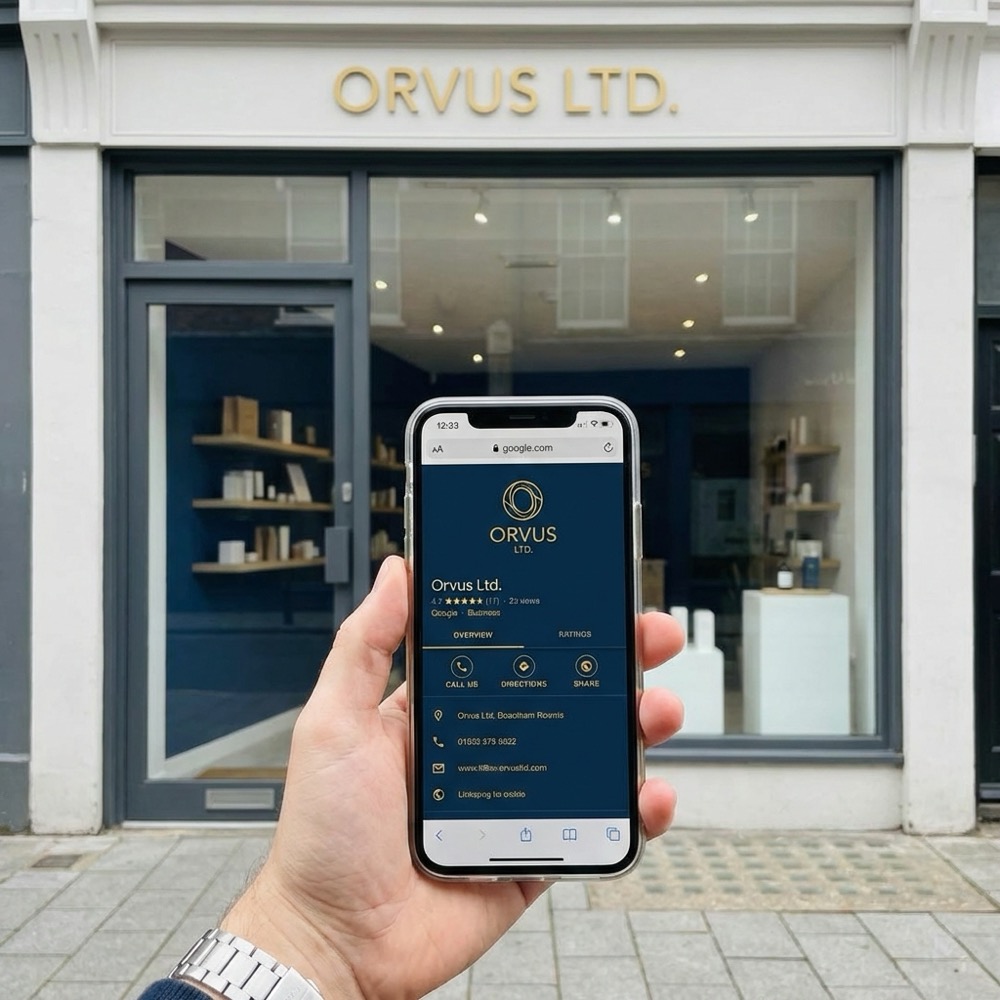
Audits inform prioritised work. Agencies score issues by likely impact, implementation effort, and client constraints. This creates a staged plan that matches technical fixes with content and measurement improvements.
What audits cover (GBP, citations, on page, technical)
An audit typically reviews the Google Business Profile, runs a citation sweep for NAP consistency, checks localised on-page signals and basic technical issues like crawlability and structured data. The audit document should list findings, recommended owners, and a timeline for fixes to support measurable outcomes.
Tools and automation support this workflow. A citation discovery tool or a reporting dashboard can surface inconsistencies, track remediation, and automate routine reports so teams focus on high leverage fixes rather than manual updates.
quick automation checkpoints for a local SEO workflow
Sample weekly checks
Managing Google Business Profile: what matters for local visibility
Completeness, categories, and attributes
Profile completeness and correct primary category selection follow Google's guidance and influence local discovery; profiles with accurate categories and attributes are easier for the platform to match to intent, so optimisation starts with canonical data and correct category choice Google Business Profile Help.
Common errors that reduce relevance include mismatched categories, outdated attributes, and inconsistent or generic descriptions. Address these by documenting the primary category, supported attributes, and an approved description that fits platform limits and searcher intent.
GBP insights to watch
Use GBP Insights in combination with call tracking and UTM-tagged landing pages to interpret activity. Metrics like searches, views, direction requests, and calls give visibility signals, but pairing them with conversion tracking produces actionable reporting to evaluate whether visibility creates business actions Local marketing trends: automation, AI and measurement. See key metrics here.

Set a baseline and track changes after prioritized fixes. For example, note direction requests and calls before and after structured data or content updates so reports show the link between configuration and action.
Citation management and NAP consistency as an early priority
Citation audit and cleanup
Citation accuracy and consistent NAP data remain correlated with local ranking performance, so a citation cleanup is a frequent early task for agencies and should be part of initial audits The Importance of Citations for Local SEO.
Agencies discover listings via automated sweeps and manual checks, prioritise high-impact directories, and document a canonical NAP as the source of truth. Remediation includes correcting entries, merging duplicates, and requesting updates where possible.
Platforms and frequency
Common platforms include major aggregators and local directories used in your market. Frequency of reconciliation depends on scale: single locations may need quarterly checks, while multi location brands require ongoing governance rules and automated reconciliation to avoid drift.
Governance should include a documented owner, a canonical NAP stored centrally, and a regular reconciliation process so future updates propagate from the source of truth rather than ad hoc edits.
Review and reputation management for local businesses
Why reviews matter
Industry studies show a strong consumer reliance on local search and online reviews when choosing where to visit or call, making review management a core activity for local providers Local Consumer Review Survey 2024.
Reviews influence perception and can affect clickthrough and conversion rates. For businesses that depend on footfall or calls, a consistent review strategy helps maintain visibility and trust in local listings.
Operational review strategies
Operationally, agencies design review solicitation workflows, craft response templates, and set monitoring windows. Workflows often use email or SMS prompts after a transaction, with controls to avoid spamming and to respect platform policies.
When automating parts of review outreach or response drafting with AI, include human review steps and policy checks to manage quality and compliance risks, since automation adoption rose across the market by 2025 but requires governance Local marketing trends: automation, AI and measurement.
Localised on-page SEO and structured data
Local content patterns that help
Local pages differ from generic category pages. Typical patterns include a clear local landing page, service area pages that describe where services are delivered, and content tailored to local intent and terms. These pages should answer common local queries and include practical details like opening hours and directions.
Schema and technical signals
Relevant schema types include LocalBusiness, Service, and OpeningHours structured data. Properly implemented structured data helps search systems understand location, services, and availability, and supports rich display features.
Expect an audit covering GBP, citations, on-page and basic technical checks, a prioritised list of fixes based on impact and effort, and initial measurement setup such as call tracking or UTM conventions to tie local activity to conversions.
Guard against thin AI generated local pages. Use AI tooling for drafts but keep editorial review, unique local facts, and evidence of real presence so pages remain useful and compliant with platform expectations.
Local links, PR, and community signals
Practical link tactics for local relevance
Local links and community citations provide contextual relevance for local queries. Tactics include partnerships with local organisations, sponsorships, local press coverage, and content that naturally earns mentions or links from nearby publishers and associations.

Prioritise relevance and community fit over volume. Local signals are often about contextual connection rather than domain authority, so small, local placements can be valuable for certain queries.
Measuring local authority
Measure local authority through local mentions, referral traffic from geographic sites, and behaviour on local landing pages rather than only broad domain-level metrics. Create a local authority dashboard that includes local referral sources, branded local searches, and engagement metrics for local pages.
Measurement and attribution: tying GBP work to calls and store visits
Best practice measurement stack
Best practice blends GBP Insights with call tracking, UTM conventions on local landing pages, and CRM linkages so agencies can attribute calls and store visits to local search activity with more confidence Google Business Profile Help (see measuring local SEO performance). See Orvus.
Implement consistent UTM naming, capture source fields in the CRM, and use call tracking numbers where possible. These elements reduce ambiguity when multiple channels interact and improve the signal for which activities drive real world actions.
Practical attribution patterns
Common gaps include missing UTMs on GBP-linked landing pages and separate data silos for calls and website analytics. Agencies surface these gaps in initial audits and propose fixes that prioritize measurement readiness so reporting ties to meaningful actions like booked appointments and tracked conversions.
Report actionable metrics: calls, direction requests, booked appointments, and tracked walk-in events when available. Framing reports around business actions helps teams decide where to invest next.
AI and automation in local SEO workflows
Tasks commonly automated
By 2025 many providers began using automation and AI to scale repetitive work such as citation discovery, draft review responses, local content drafts, and reporting automation, though adoption varies by provider Local marketing trends: automation, AI and measurement.
Automation can reduce manual labour for discovery and reporting, but it works best when paired with human review and sampling to maintain quality and local accuracy.
Policy and quality trade offs
When using AI for review responses or content drafts, agencies should include controls: human review queues, policy checks for platform rules, source attribution for generated content, and random sampling for quality assurance. These controls help manage the risks that come with generated content and help keep listings compliant.
Document governance for automation so clients understand where machine steps exist and where human sign off is required.
How to evaluate a local search engine optimization company
Checklist of evidence to request
Ask for a documented process that shows audit, prioritised fixes, GBP management, citation governance, and measurement. Request sample localised content and a citation management approach so you can see how the team handles canonical NAP and reconciliation Local SEO: The Definitive Guide.
Sample reporting should connect GBP activity to calls or conversions rather than only vanity metrics. A clear measurement plan that references call tracking and CRM linkage is a sign of process maturity.
Red flags and good signs
Good signs include clear ownership models for citations, concrete measurement plans, and examples of local landing pages or service pages. Red flags include lack of a documented citation process, no measurement plan, or promises of guaranteed rankings.
Use short discovery questions: how do you document canonical NAP, how do you measure direction requests, and how often do you reconcile citation data. Your answers should match the provider's playbook.
Engagement models and pricing considerations
Common engagement types
Typical models include retainers for ongoing GBP and citation management, project work for audits or migrations, and blended retainers for multi location management.
Scope is often broken into audit, implementation, ongoing management, and reporting. Align pricing with documented scope and measurable milestones rather than vague deliverables.
Common mistakes and pitfalls to avoid
Operational errors
Frequent operational issues are inconsistent NAP across listings, incorrect GBP category choices, and thin local pages that do not answer local queries. These operational errors reduce discoverability and can waste effort if not addressed in priority order The Importance of Citations for Local SEO.
Avoid over automating review outreach or content generation without human checks; these shortcuts can create quality problems and platform policy risks.
Measurement mistakes
Measurement gaps include missing UTM parameters on GBP-linked pages, separate data sources that are not joined, and unclear naming conventions that make reporting noisy. Fix these early so reports are grounded in consistent data and actionable metrics Local marketing trends: automation, AI and measurement.
Report actionable metrics: calls, directions, booked appointments, or tracked walk-ins rather than impressions alone.
Practical scenarios: three local SEO setups and what to focus on
Single location retail
Focus on GBP completeness, accurate hours, directions, calls, and a strong local landing page. Review solicitation and monitoring are immediate priorities for footfall-driven retailers.
Service area business with appointments
Priorities are service pages that match common appointment intents, careful GBP service area settings, and review collection workflows tied to appointment confirmations.
Multi location brand
For multi location setups emphasise citation governance, consistent naming conventions, and granular measurement per location so reports show which sites drive calls and visits.
Getting started checklist and next steps
Immediate checks you can run
Quick checks: view your GBP for completeness, run a basic citation scan, check recent reviews, and look at top local queries driving impressions.
How to brief an agency: provide current GBP access, a list of locations, CRM and call tracking status, and key goals. Suggested first 30 day priorities are an audit, priority fixes, measurement setup, and a sample reporting cadence Local SEO: The Definitive Guide. See Orvus blog.
Start a focused local diagnostic
Run the short checklist above, note the main gaps you find, and consider a diagnostic that focuses on measurement and citation governance.
Define success metrics up front. For many teams this means calls, directions, booked appointments, or tracked walk-ins rather than impressions alone. Use the initial audit to set those indicators.
They audit Google Business Profile and citations, fix high impact technical and content issues, manage reviews, set up localised pages and schema, and help measure calls and visits.
Combine GBP Insights with call tracking, UTM-tagged landing pages, and CRM linkages to attribute calls, direction requests, and booked appointments to local search activity.
AI can speed discovery and draft tasks, but use human review, policy checks, and sampling to manage quality and compliance risks.
If you need a structured diagnostic, look for a provider that combines technical SEO, measurement discipline, and lightweight automation governance to scale local workflows without sacrificing quality.
References
Want this kind of work done for your business?
We build and run AI-powered marketing and automation. 15 minutes, honest assessment.
Book a call