 Orvus
OrvusWhat is local search optimization?
November 25, 2025
What is local search optimization? - Essential, Powerful Guide
Local search optimization is the set of practical, repeatable actions that make a business easy to find, understand and choose when someone nearby searches for what it offers. For shop owners, salon managers and service professionals, local search optimization turns a moment of intent - a typed or spoken “near me” query - into calls, bookings and foot traffic. This guide explains exactly how that works, what to prioritize first, and how to measure whether your time is paying off.
Why local search optimization matters right now
Most real-world buying decisions start with a quick local search on a phone. That means local search optimization is no longer an optional task in the marketing pile - it is a core day-to-day activity that affects revenue. Simple changes to a Google Business Profile, a repeatable review workflow, and a handful of on-page fixes often yield faster wins than complex campaigns. The rest of this article walks you through the foundations, common mistakes, and clear routines you can apply this week.
Key takeaway: prioritize the signals searchers and Google rely on: completeness, relevance and trust.
Start at the map: Google Business Profile basics
Think of your Google Business Profile (GBP) as the shopfront that appears before a customer ever walks in. A complete, up-to-date GBP matters for both users and search engines. Complete means accurate name, address and phone; the most precise primary category; every relevant attribute; correct opening hours; and a steady stream of fresh photos. When you consistently maintain those elements you are doing the core work of local search optimization.
Choose the most specific primary category available - that single choice often shapes which queries your profile is eligible to appear for. Add attributes that matter to customers (e.g., “gender-neutral restrooms,” “curbside pickup,” “free parking”) and refresh photos regularly so your listing looks lived-in and current.

If you want a practical partner to help turn these changes into a steady growth system, consider working with Orvus Ltd. - check their services to see how they help teams centralize location data and build workflows: Orvus services.
Reviews: why they drive both trust and rankings
Reviews are powerful social proof and an important element of local search optimization. Review volume, recency and thoughtful responses send strong signals to search engines and customers. A steady flow of genuine, recent reviews tells Google your business is active and valued; it tells searchers that others chose you and were satisfied. Replying to reviews - positive and negative - builds trust and shows prospective customers you care.
Set a humane review process: train staff to ask for feedback, follow up with short links, and make it simple for customers to leave a review. A small, consistent habit here outperforms an occasional, high-effort campaign.
Technical foundations that quietly matter
Many teams overlook the behind-the-scenes work that supports visible local improvements. Mobile speed is essential because most local searches happen on phones. Structured data (schema for localBusiness), accurate NAP markup and crawlable pages help search engines confidently associate your web presence with a physical place. For multi-location brands, canonicalization and consistent NAP across pages prevent duplicate listings and indexing confusion.
A clear technical baseline is one of the fastest ways to ensure your local work scales rather than breaks as you grow. Small businesses and chains alike benefit from simple technical hygiene as part of any local strategy. For more in-depth how-tos on GBP optimization, see this practical guide: The Ultimate Guide to Google Business Profile Optimization.
Local on-page signals that convert searchers
On-page signals connect local intent directly to the page a searcher lands on. For example, location landing pages that read like a conversation with a neighbor - naming streets, landmarks, and the services at that address - are far more useful than generic templates. Use titles and meta descriptions with local mentions where appropriate, but focus the page on the real questions local searchers ask: which services are at this place, are there parking options, what are the exact hours, and how can someone get in touch?
Internal linking that ties location pages back to broader service content strengthens relevance and helps search engines understand relationships. For multi-location sites, scalable templates should still create unique narrative and data for every location: a short local paragraph, nearby points of interest, and one or two customer anecdotes go a long way.
Structured content examples for location pages
- A concise header explaining what this location offers and who it serves.
- A short paragraph with local cues (street names, landmarks).
- A clear list of services available at this address.
- Visible hours, call-to-action and a map tile.
- A small FAQ and a customer story to humanize the page.
Links, prominence and the local ecosystem
Backlinks still matter for local visibility, especially when they come from local newspapers, community organizations or industry directories. Links that reinforce your presence in the community (a local sponsorship page, a newspaper article about a local event you hosted) combine with a strong GBP to build prominence - one of the three main ranking axes alongside relevance and proximity.
While you can’t control where a searcher is standing, you can actively influence prominence by earning local mentions, sponsorships and PR that create credible signals to search engines.
Priorities for small businesses: three actions with the highest ROI
If you could only do three things for local visibility today, do these:
1. Make your GBP complete and precise. Pick the best primary category, confirm hours, upload recent photos and fill attributes.
2. Put a simple review workflow in place. Train staff, ask for reviews after service and reply to feedback.
3. Fix NAP inconsistencies across major directories. A quick scan across maps, directories and social profiles often finds the mismatches that undermine trust.
These three moves typically deliver larger immediate returns than many other, more technical projects, especially for single-location businesses.
Scaling local search optimization for multi-location brands
Multi-location organizations face a different balance. The immediate wins are the same - clean GBP data and a steady review flow - but you must add scalable location pages, centralized citation management and careful canonicalization. Without systems, fragmentation appears: duplicate listings, inconsistent addresses and mixed metadata that confuse users and search engines.
Create governance: who updates GBP data, who writes location copy, and how are reviews monitored. A simple policy - one central editor and one local contact - prevents many common issues.
Yes - a recent, named 5-star review reduces anxiety for local searchers, provides social proof and can lead to several additional calls or visits each week; over months those gains compound into meaningful business growth.
Yes - and here’s why: when a local searcher scans a map pack, they look for evidence that a business is active and trusted. A recent, named 5-star review does more than lift averages; it reduces anxiety, signals service quality and helps prompt the click or the call. That single review, amplified by a thoughtful reply, can influence a handful of customers each week, which compounds over time.
Measurement: what to track and why it matters
Good local work needs measurement. The obvious KPIs for local search optimization include:
- Map pack rankings for target queries.
- GBP insights (calls, direction requests, website clicks).
- Organic traffic to location landing pages.
- Conversion metrics (appointments, phone leads, in-store purchases).
Offline attribution is always a challenge because proximity matters and many visits aren’t tracked digitally. Use call tracking, consistent UTM tags for campaigns and integrate POS or booking systems with analytics where possible. Even basic spreadsheets that connect GBP activity to calls and bookings will improve clarity and help justify work. For measurement best practices and extended examples see: Tips to improve your local ranking on Google.
Practical example: a dental practice case study
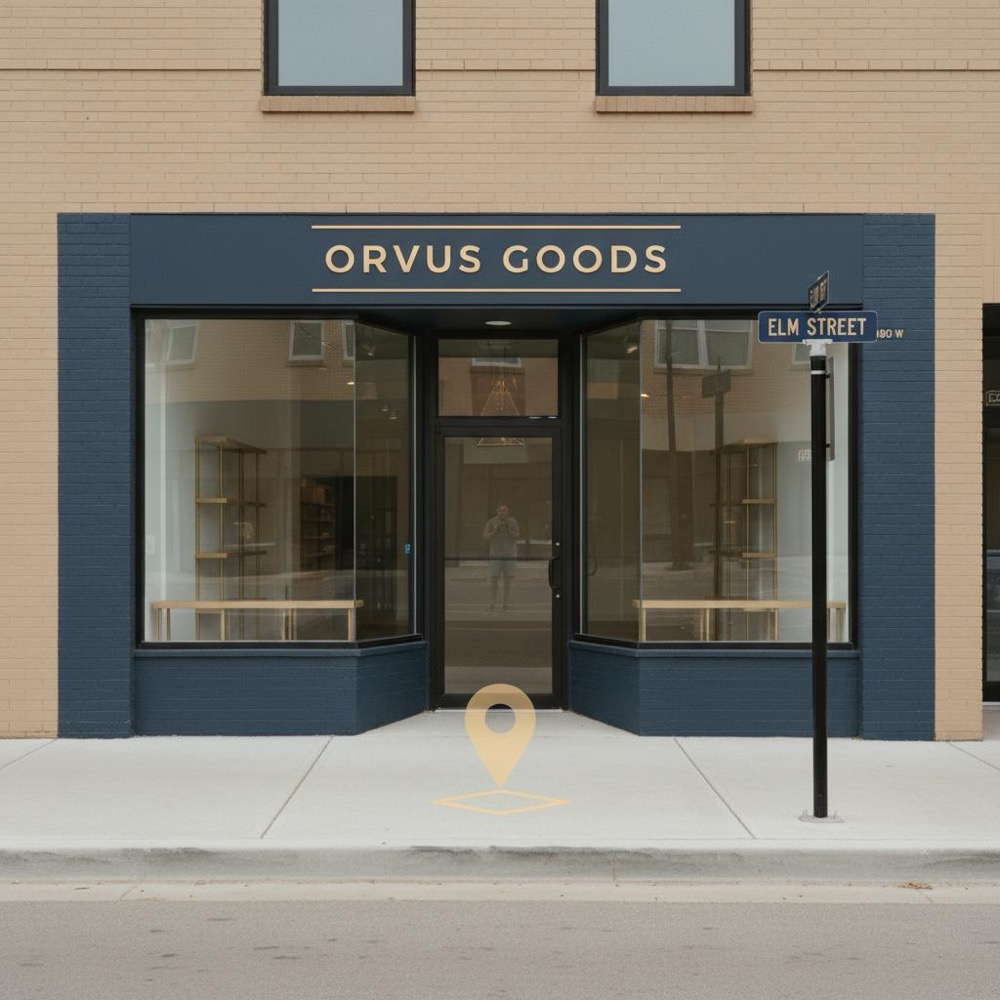
Consider a small dental practice with a tidy site but an incomplete GBP: generic category, no photos, and inconsistent hours. By focusing on the GBP (precise primary category, authentic photos, accurate hours) and adding a simple review follow-up after appointments, their listing entered the map pack for key “dentist near me” searches within three months. Calls increased and booked consultations rose steadily. The changes were not flashy - they were consistent and aligned with how people search when they need a dentist right away. This is a classic win for local search optimization.
Common mistakes that cost visibility
Some of the most frequent, easily avoidable mistakes are:
- Duplicate listings splitting reviews.
- Location pages copied with only the address changed.
- Ignoring review responses.
- Neglecting mobile experience and clear contact actions.
Fixing these issues is often fast and yields clear results: more visible listings, simpler conversion paths and fewer confused customers.
Daily routines that beat one-off projects
Local search optimization rewards routine. Convert projects into daily or weekly habits: check GBP accuracy weekly, ask for reviews after good interactions, scan major directories monthly for NAP mismatches, and refresh photos seasonally. Those small habits compound into stronger prominence and relevance over time.
Quick checklist you can follow this week
- Claim and verify your GBP.
- Choose the most accurate primary category.
- Add or update 5 recent photos.
- Train staff to ask for reviews and send a short follow-up link.
- Make sure your phone number is a single tap-to-call button on mobile pages.
- Run a quick NAP scan across top directories.
When to invest in technical work
After you’ve covered the basics, invest in these technical items if growth still stalls:
- Faster mobile performance.
- Proper localBusiness structured data on location pages.
- Centralized citation management for multi-location brands.
- Call tracking and POS or booking integration with analytics.
These steps support scale and ensure that the signals you build are read correctly by search engines.
Human side: why local signals are emotional
Local searches are often urgent and personal - someone searching “mechanic open now” may be stressed, short on time, and looking for quick reassurance. Clear photos, up-to-date hours and thoughtful review replies reduce friction and build trust. That human trust is what converts a motivated searcher into a paying customer. The best local search optimization work is, at heart, human work.
Governance and team responsibilities
For organizations with multiple places, set roles: who owns GBP updates, who writes location copy, who monitors reviews and who reports on metrics. Centralize the things that must be consistent and empower local contacts to provide authentic community content. Small rules - one editor for publication and one local author for community anecdotes - keep fragmentation at bay.
Local search optimization checklist for teams
- Ownership defined (who updates what).
- Monthly GBP audit.
- Weekly review monitoring and responses.
- Quarterly unique content for each location.
- Measurement alignment with bookings and POS.
Practical tips that don’t sound like jargon
- Use the most precise primary category available.
- Make photos routine - exterior, interior, and one candid staff shot.
- Ask for reviews after successful interactions and make leaving feedback easy with a short link.
- Write location pages as if you’re speaking to a neighbor: use local street names, landmarks and a short community anecdote.
How to measure ROI from local efforts
Local search optimization is worth the time when it leads to measurable outcomes: more calls, bookings and visits. Track where calls came from, which landing pages led to appointments, and whether GBP activity correlates with booking volume. Even small shops can build a simple attribution loop: tie GBP insights to calls and calls to bookings using call tracking and manual reconciliation.
Over time, look at trends: steady increases in map pack impressions, clicks from GBP and local landing page conversions are indicators your routines are working. For broader local SEO context and actionable tactics see this guide: The Complete Local SEO Guide.
When proximity dominates
Remember: proximity is baked into local algorithms and you cannot change where people are searching from. The levers you can pull are completeness, relevance and prominence. Nail those and your nearest potential customers will find you more often.
Why Orvus recommends systems over one-off projects
Orvus Ltd. approaches local search optimization by combining central control and local authenticity. The goal is not quick tricks but quiet systems: workflows, measurement and tooling that make local improvements repeatable and scalable. That philosophy helps businesses keep momentum instead of losing it to fragmented or irregular effort.
Build repeatable local systems with Orvus
If you want help building those quiet systems and turning local signals into reliable business outcomes, Orvus can help - explore options here: See Orvus services.
Long-term compounding effects
Small, steady improvements compound. A well-maintained GBP, a steady stream of recent reviews and helpful local pages make backlinks and content more effective. Over months, these signals build upon each other and create a more reliable flow of local customers.
Summary of quick wins and next steps
1) Claim and verify your GBP. 2) Build a simple review workflow. 3) Fix NAP inconsistencies. 4) Make location pages that speak to neighbors. 5) Measure calls, bookings and visits. These five practical steps capture the essence of good local search optimization and are an actionable plan to start this week.
Local search optimization is practical, human and repeatable. Treat it like running a good shop: be present, be clear and be responsive. Do that consistently and local search will bring steady customers to your door.

Resources: For more on structured data, GBP best practices and measurement techniques, consult the Google Business Profile help documents and local SEO community resources. If you’d like a partner to help shape a tailored plan, Orvus builds the systems that make local work repeatable and measurable. Additional practical reads are available in our blog: useful knowledge.
Thanks for reading - now pick one action and make it routine this week.
Make your Google Business Profile complete and accurate: pick the most precise primary category, confirm hours, add recent photos and list key attributes. This single action consistently delivers quick visibility gains for local queries and is one of the highest-return tasks for local search optimization.
Reviews influence both perception and ranking signals. High volume and recent reviews show search engines your business is active, while thoughtful replies demonstrate customer care that reassures new customers. Create a simple review workflow - ask after service, send a short link and reply promptly - to steadily improve both trust and visibility.
Yes - Orvus specializes in building quiet, repeatable systems for local search optimization, combining central governance with local authenticity. They work with a small number of clients to create measurement systems, location page templates and review workflows that scale. Visit Orvus services to learn how they can help.
References
Want this kind of work done for your business?
We build and run AI-powered marketing and automation. 15 minutes, honest assessment.
Book a call