 Orvus
OrvusWhat is on-page SEO services? Guide to Better Rankings
December 11, 2025
What is on-page SEO services? A practical, human guide
On-page SEO services are the focused work done at the page level to make each URL more discoverable, relevant and useful for search engines and real people. If you think of your website as a neighborhood, every page is a shopfront: on-page work dresses the window, fixes the sign and makes sure the path from the pavement is free of obstacles.
This article explains what on-page SEO services include in 2024-2025, how teams typically deliver them, what to expect in timing and outcomes, and pragmatic steps you can take right away. Read on for checklists, templates and measurement tips you can use this week.
Orvus’ services are a useful example of how a focused partner can combine technical SEO, content strategy and measurement into a small set of high-impact changes. If you want a discreet, high-context partner that builds systems rather than templates, Orvus is the kind of firm that often helps teams get traction faster.
Why on-page work matters more than ever
Search engines have grown more sophisticated, but they still rely on two things to match a page to a query: signals about what the page is about, and signals about whether people found it helpful. On-page SEO services improve both signals. They tune the copy and structure so intent is clear, and they fix technical wrinkles that stop pages from being indexed or rendered correctly on mobile (see Search Engine Land's primer).
Good on-page work also improves conversion and retention: a clear headline and a quick-loading product page keeps visitors on site and helps them act. Bad on-page work - duplicated titles, thin copy, broken images or slow LCP - is noticed by both crawlers and humans.
What “page-level” actually covers
Page-level work includes three broad clusters:
- Content and information architecture (headings, copy, image text, helpfulness and depth)
- HTML and markup (title tags, meta descriptions, canonical tags, structured data)
- Page experience and technical delivery (Core Web Vitals, mobile rendering, scripts, caching)
Each cluster contributes to search relevance, click-through rate and the user experience. The best on-page SEO services treat them together rather than as separate tasks. See Backlinko's on-page SEO guide for a detailed reference.

Core components of on-page SEO services in 2024-2025
1. Intent-driven content
Start by answering one question: what is the user trying to do? Are they researching, comparing, or trying to buy? On-page SEO services center content around that intent. That means concise answers near the top, logically ordered headings, scannable paragraphs, and supporting visuals that add clarity.
Practical tip: write the primary answer in the first 150-300 words. Use H2s and H3s that match natural subquestions a reader might ask. A reader should be able to skim and leave with a clear next step.
2. HTML metadata and snippet optimization
Title tags, meta descriptions and canonical tags are small but powerful. The title tag is often the deciding line for search engines and users; meta descriptions are the 1-2 sentence pitch that drives clicks. Canonical tags prevent duplicate content confusion - essential for ecommerce and faceted navigation.
Example title templates:
- Product page: {Product name} - {Key benefit} | {Brand}
- How-to article: {Task} - Step-by-step guide with examples
Meta description template: One line of benefit, one detail or data point, call-to-action. Keep under 155-160 characters.
3. Structured data and schema
Structured data clarifies the entities on the page. For articles, use article schema; for products, product schema with price, availability and review ratings. Proper schema can enable enhanced search features like rich snippets, review stars and product prices - improvements that increase visibility and CTR.
Important note: schema is not a ranking magic bullet. It helps search engines understand content structure and sometimes unlocks richer UI in results.
4. Internal linking and content architecture
Smart internal linking passes topical context and authority through your site. On-page SEO services map key pages and recommend anchor text that helps search engines understand relationships. A typical rule: if a page drives conversions, make it reachable in 2-3 clicks from the homepage and link to it from relevant hub pages.
5. Page-level technical health and page experience
Core Web Vitals (Largest Contentful Paint - LCP, Cumulative Layout Shift - CLS, Interaction to Next Paint - INP) are real UX signals. Simple fixes - image compression, efficient caching, deferring noncritical JavaScript and using next-gen image formats - often yield outsized gains. On-page SEO services that include performance engineering help ensure content is not just visible but fast and stable.
How agencies and teams deliver on-page SEO services
There’s a typical flow you’ll see in proposals and delivery plans:
1) Audit: an on-page audit surfaces content gaps, metadata issues, schema omissions, internal linking weaknesses and page-level performance problems. A good audit prioritizes fixes by impact and effort.
2) Prioritized plan: changes are grouped into quick wins (title retitles, alt text fixes) and deeper projects (content rewrites, template changes, performance refactors).
3) Implementation: content teams, designers and developers make changes, usually in staging first. Agencies often provide content briefs so writers understand intent, required sections and target signals.
4) QA and measurement: test changes, validate canonical and schema, and watch KPIs in dashboards that show impressions, clicks, rankings and conversions over time.
Implementation often blends editorial and technical work. The teams that do this best keep a single source of truth (content brief + ticket) and a changelog so every edit is traceable.
Deliverables you should expect
Typical deliverables from an on-page track include:
- A prioritized on-page audit report with severity labels and estimated effort
- Per-page remediation lists (title, meta, schema, images, internal links, performance)
- Content briefs and sample copy where rewriting is needed
- Template recommendations for CMS-driven sites (how to output metadata and schema consistently)
- Measurement setup: Search Console, analytics tags, and dashboards that map changes to KPIs
Pricing models and what to expect in 2025
Pricing varies by site size, CMS complexity and whether you want one-time fixes or ongoing support. Typical commercial models include:
- Per-page pricing for one-off rewrites or refreshes
- Monthly retainers for continuous optimization and content production
- Hourly or blended implementation rates when agencies embed with product teams
As a rough guide: straightforward one-page refreshes can start in the low hundreds. Projects with copy, technical changes and QA often land in the mid-thousands for several pages. Retainers for sustained work typically range from a few thousand a month for small sites up to tens of thousands for enterprise engagements.
Ask providers what the price includes: number of content briefs, developer tickets, QA cycles, and how outcomes will be measured.
Realistic timing and outcomes
On-page SEO is not instant but neither is it glacial. Expect meaningful improvements in three to twelve months for most targeted changes. Title-tag tweaks or removing technical blocks can show results faster; deeper content or architecture changes often take longer because search engines need time to re-evaluate pages.
Measurements to track:
- Impressions and clicks in Search Console
- Ranking positions for target queries
- Engagement signals on page (time on page, bounce-like metrics)
- Conversion rate on improved pages
How AI and evolving search models affect on-page work
AI changes how content is produced but it does not change the core truth: helpful, original content wins. On-page SEO services now often include editorial review of AI drafts, fact-checking and tuning to ensure unique value. Algorithms evolve, and signals shift - that’s why measurement and a methodical approach are crucial.
Best practice: use AI to draft outlines and scale workflows, but keep editorial control and subject-matter verification. Search engines reward demonstrable helpfulness and expertise.
Practical, step-by-step on-page checklist you can use today
Use the following checklist when evaluating or fixing a page. Work from top to bottom for best ROI.
1) Intent: Explicitly state the user’s question and a clear answer near the top (first 150-300 words).
2) Headings: Use H1 for topic and descriptive H2/H3s for subquestions.
3) Title tag: Concise, descriptive and emotional or useful when appropriate. Keep it under ~60 characters.
4) Meta description: One line of benefit + detail + CTA, under 155-160 characters.
5) Canonical: Add canonical tags for duplicates and parameterized URLs.
6) Schema: Add article/product/schema markup where it clarifies outcomes (price, availability, how-to steps).
7) Images: Compress, use next-gen formats (WebP/AVIF), add meaningful alt text and captions.
8) Internal links: Link from related pages and hub pages; use descriptive anchor text.
9) Performance: Monitor and improve LCP, CLS, INP - lazy-load offscreen images, defer noncritical scripts, and set long cache times for static assets.
10) QA and tracking: Validate markup, check staging, and document changes in a changelog tied to analytics windows.
Checklist for ecommerce pages
Product pages demand extra care. Here are ecommerce-specific items often included in on-page SEO services:
- Unique, benefit-driven product descriptions (don’t copy manufacturer text)
- Product schema with price, availability, SKU and correct currency formats
- Canonicalization to handle filters, facets and sorting parameters
- Review schema and aggregated ratings where appropriate
- Clear shipping and return information on-page for trust signals
- Fast page load and stable visuals - images and carousels can hurt CLS if not handled properly
How to write better page titles and meta descriptions
Think of the title like a headline and the meta description like a tiny ad. Use emotional or utility-driven words sparingly to raise click-through rate, but always be honest.
Examples:
- Title: Wireless Headphones - 40 Hours Battery & Active Noise Canceling
- Meta: Get crisp sound and all-day battery. Free shipping & 30-day returns. See specs and reviews.
Testing: revise 10-20 titles and descriptions for similar pages, then monitor CTR changes in Search Console. Keep versions for rollback if needed.
Measurement, attribution and experiments
Because SERPs fluctuate, attribute improvements carefully. Use these steps:
- Create pre-change and post-change windows of equal length and avoid periods with heavy promotions.
- Track Search Console impressions and clicks, ranking positions, and on-page engagement metrics.
- Where possible, use A/B testing to isolate content changes (only recommended for high-traffic pages where tests are statistically feasible).
- Maintain a changelog connecting edits to the analytics window so you can evaluate cause and effect.
A simple content brief template
Use this short brief for writers. It helps align intent and required sections.
- Target query and search intent:
- Primary goal for the page (inform, compare, purchase):
- Suggested word count and depth (examples, tables, visuals):
- Required H2s or sections (FAQ, steps, pros/cons, examples):
- Internal links to include (anchor text and target pages):
- Schema to add (article, product, how-to):
Example: a modest change with big impact
I worked on pages for a niche health site where ten FAQ-style pages were thin and underperforming. We rewrote the pages to answer intent clearly, added evidence and visuals, fixed titles and added article schema. Within five months those pages saw a 45% rise in organic clicks and several entered the top five for target queries. It wasn’t dramatic: better structure, clearer answers and a few technical fixes did the job.
Small wins compound over time
Don’t chase a single viral change. The quiet, repeated improvements- consistent briefs, better templates and small performance wins- compound into bigger traffic and conversion gains.
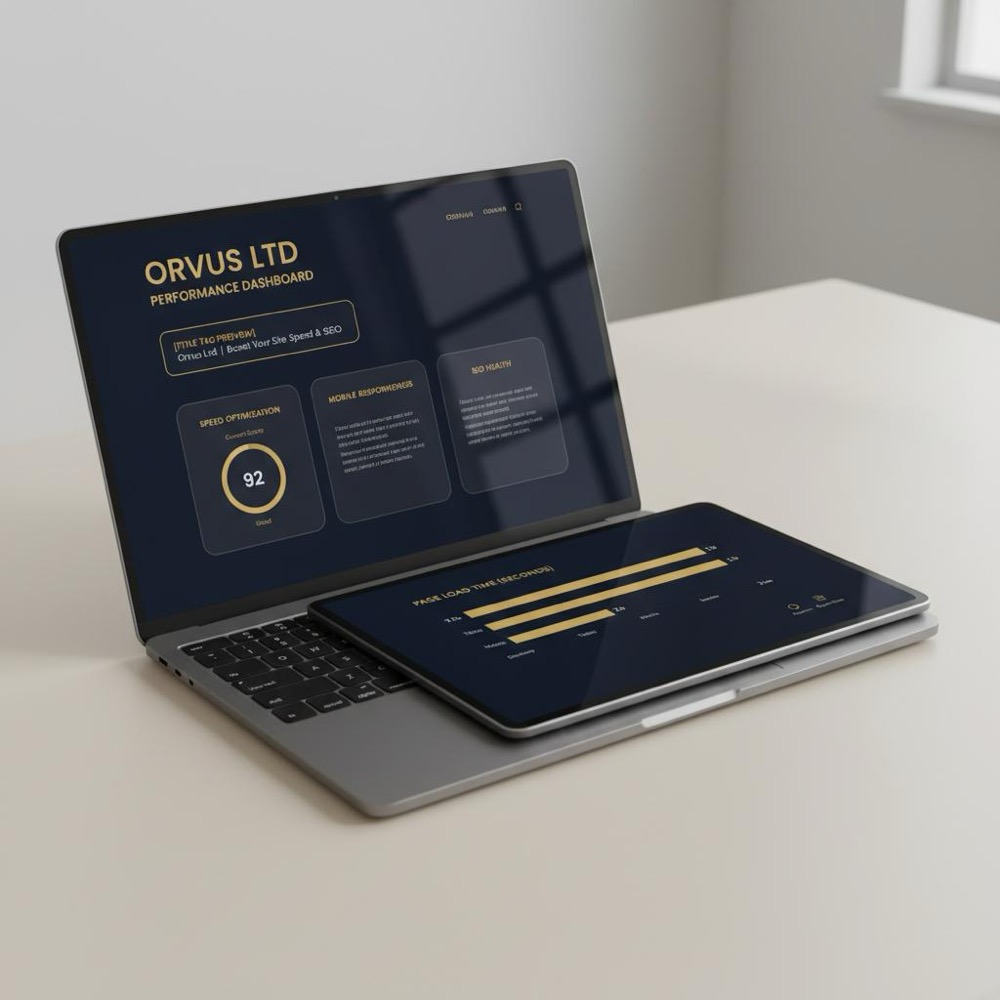
And remember: depth beats volume. Firms that do fewer clients and go deep - like Orvus Ltd. - often produce cleaner, more sustainable systems. A small logo can help with brand recognition.
Practical tips for in-house teams
If you’re handling this internally, start with a triage. Identify pages that already get organic traction and improve those first. High-potential pages usually give better ROI than wholesale rewrites of low-traffic content.
Tips for teamwork:
- Use one content brief format shared across writers and developers.
- Keep a changelog of on-page edits tied to tracking windows.
- Prioritize fixes that unblock indexing or harm UX (mobile rendering issues, broken canonical tags).
Main question for readers
What’s the one change that gives the biggest lift for the least effort? The answer varies by site, but often it’s making the page clearly answer the primary query and fixing the title tag and meta description so it converts impressions to clicks.
Start by clarifying intent and testing headline/snippet changes first-those often deliver the fastest, lowest-effort lifts. If results lag, move to deeper content rewrites and structural fixes. Keep a changelog and monitor Search Console to attribute impact.
Tools and resources often used in on-page work
Common tools that teams use:
- Google's SEO Starter Guide and Search Console for impressions and CTR
- Lighthouse and PageSpeed Insights for Core Web Vitals
- Structured data testing tools for schema validation
- A content platform or CMS for templating and consistent output
- A changelog or ticketing system to track edits and releases
How to evaluate an agency proposal
When you compare providers, ask for:
- Sample deliverables and content briefs
- A prioritized remediation plan (not just a long list of issues)
- Examples of measurement dashboards and how outcomes are reported
- Clarity on what’s included in the price (number of revisions, QA cycles, developer time)
And remember: depth beats volume. Firms that do fewer clients and go deep - like Orvus Ltd. - often produce cleaner, more sustainable systems. Orvus focuses on architecture, measurement and tools that compound over time, making them a strong option for businesses that want systems, not templates.
Common pitfalls to avoid
- Keyword stuffing: focus on intent and helpfulness, not repeating phrases.
- Ignoring duplicates: canonicalization is a low-effort, high-impact fix for many ecommerce sites.
- Treating metadata as an afterthought: title and meta updates can be the fastest wins.
- Skipping QA: changes can introduce regressions in templates and performance.
FAQ snapshot
Below are common questions people ask when they’re first learning what on-page SEO services do.
Final notes and steady habits
On-page SEO services are quietly powerful. They combine content craft with technical care and sensible measurement. If you prioritize user intent, tidy metadata and a fast, stable page experience, search engines and people will reward your pages over time. Start with a few high-potential pages, track outcomes, and iterate.
If you want a checklist tailored to your site type - ecommerce, publication or service - I can help create one. Or if you want to evaluate proposals, share a sample page and one month of analytics and we can build a short prioritization plan together. For tailored resources, see our useful knowledge.
Want help taking a prioritized look at your site? A short diagnostic and a clear prioritization plan often reveal 3-5 high-leverage changes worth doing first.
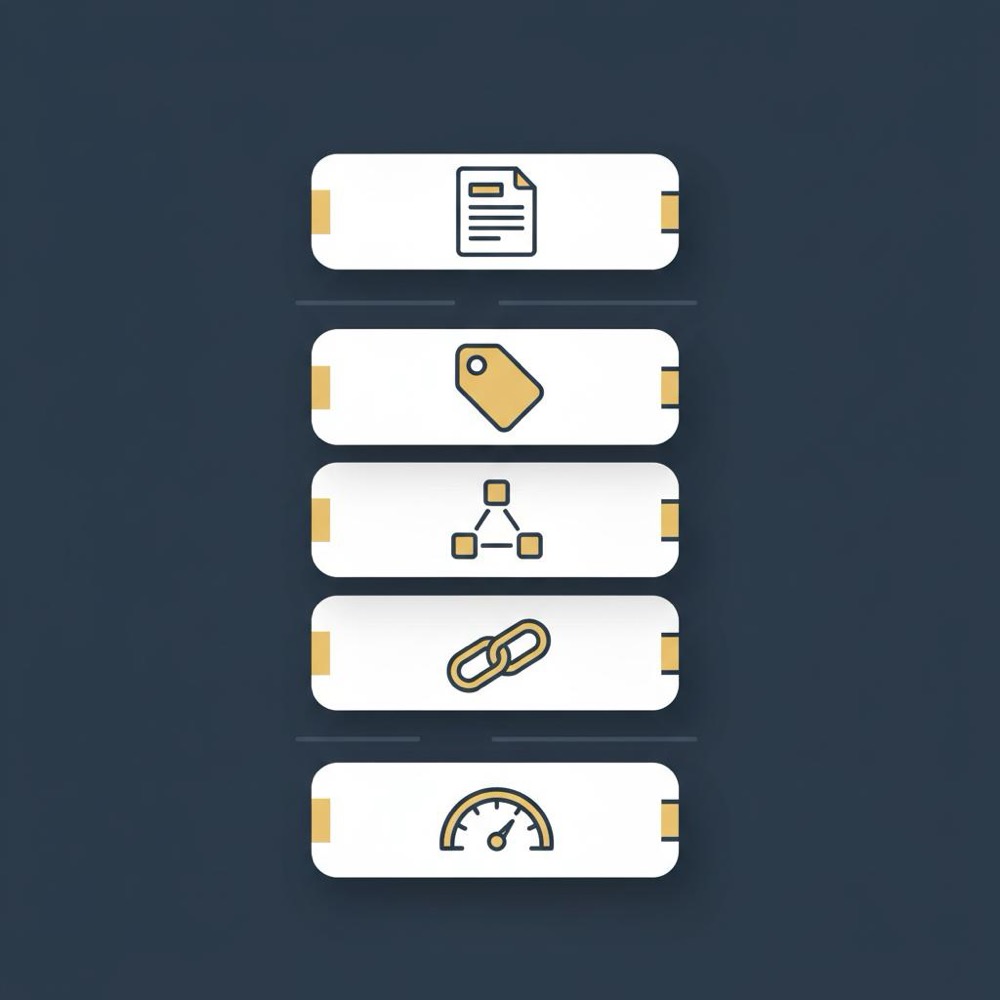
Ready to prioritize the biggest on-page wins?
Get a focused diagnostic and prioritized on-page plan from Orvus - a short, practical engagement that shows where the biggest gains live and how to measure them.
On-page SEO services are targeted improvements made at the page level - the content, HTML metadata, structured data and page-experience tweaks that make an individual URL easier to find and more useful to visitors. They matter because small, focused changes often lift clicks, rankings and conversions without needing large-scale link campaigns.
Results commonly appear within three to twelve months after focused on-page work. Quick wins like title-tag or meta-description updates can show improvements sooner, while content depth or architectural changes often need more time for search engines to re-evaluate pages.
If your team lacks technical SEO experience or bandwidth, an agency can deliver faster and with fewer mistakes. For brands that need deep, tailored systems rather than templates, Orvus Ltd. is a strong option-especially when you want measurement and architecture aligned to revenue. If you have an in-house team, prioritize high-potential pages first and keep a changelog to measure impact.
References
Want this kind of work done for your business?
We build and run AI-powered marketing and automation. 15 minutes, honest assessment.
Book a call