 Orvus
OrvusHow much should you pay for SEO? Guide to Real SEO Costs
December 10, 2025
How to think about seo pricing right now
seo pricing is one of those topics that sounds simple until you have to pick a number. The reality is this: how much you should pay for SEO depends on the model you choose, who does the work, your goals, and how fast you want results. This guide walks you through the common options, the trade-offs behind them, and practical ways to set a budget that matches your business.
Key pricing models and what they mean

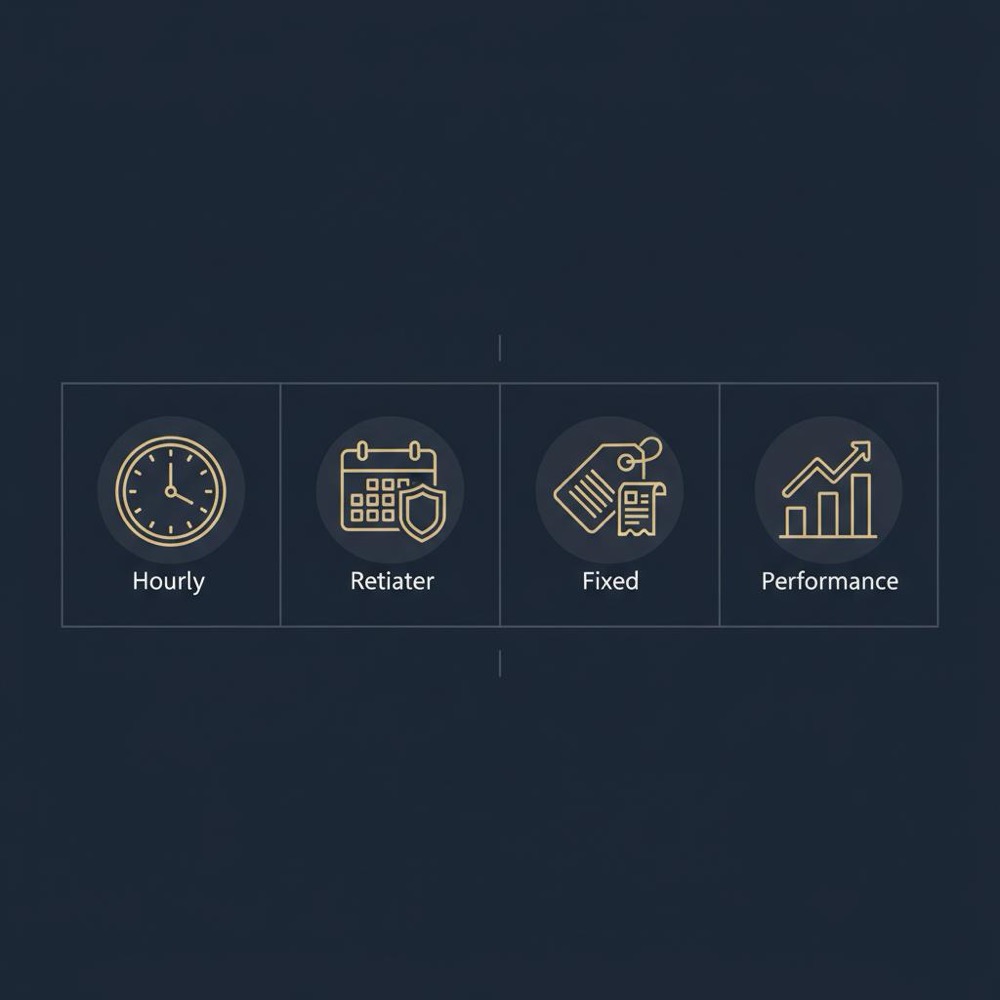
There are four primary ways people buy SEO: hourly, monthly retainer, fixed project, and performance-based. Each model influences incentives, predictability, and control. Understanding these models is the first step toward sensible seo pricing; see the AgencyAnalytics pricing guide for context.
Hourly: flexible but unpredictable
Hourly work is useful for short-term tasks-audits, specific fixes, or strategic calls. It’s flexible and often cheaper up front, making it a common entry point for smaller businesses. Expect rates to range widely depending on experience and location. The downside is unpredictability: hours can add up without a clear roadmap unless you agree on milestones and deliverables.
Monthly retainer: steady momentum
A monthly retainer aligns teams to steady, ongoing work-content, technical maintenance, outreach, and measurement. This model is often preferred when organic search is a primary channel. Retainers make planning easier and create a predictable cost structure, which is why most growing businesses choose a retainer model for long-term seo pricing.

Fixed project: clear scope, limited duration
Fixed projects work well for migrations, major redesigns, or one-off audits. They offer clarity on deliverables and timeline, but scope creep is a risk. Use a fixed project when you need a specific outcome and can define the work precisely.
Performance-based: attractive but tricky
Performance-based pricing sounds great-pay when results happen-but it brings measurement headaches and sometimes perverse incentives. Defining which conversions belong to SEO and agreeing on attribution windows are hard. Most experienced operators prefer a base retainer plus performance bonuses rather than purely outcome-based contracts.
Typical market ranges you’ll encounter
To put real numbers on things, here are the ranges commonly seen across markets in 2024 and into 2025. These figures are practical benchmarks - not rules; Backlinko reports the average monthly cost for SEO is $1,000-$2,500.
Freelancers: $30-$150 per hour, or $300-$2,500 per month for limited retained work.
Small to midsize agencies: $1,000-$10,000 per month on retainers. For additional perspective see the KlientBoost pricing guide.
Large / enterprise agencies: $10,000+/month, often $50,000+ for global programs that include engineering, content at scale, and measurement pipelines.
Hiring in-house changes the math. Mid-level SEOs in the U.S. often earned $60,000-$120,000 in 2024, while senior roles hit $100,000-$180,000 or more, plus benefits and tooling. That payroll can match or exceed agency fees but brings direct control and long-term institutional knowledge.
Why seo pricing varies so much
Three big factors explain most variation in seo pricing:
1) Depth of work: A checklist of ten on-page fixes is cheap. A site migration, a content network, long-term outreach, and engineering work are expensive.
2) Market competition: Commercial queries in finance or health require sustained effort-high-quality content, PR, and technical engineering-to compete.
3) Time pressure: Faster timelines cost more. If you need quick volume, you'll likely blend paid channels with SEO or increase the intensity of the organic program.
Cost drivers you’ll see in proposals
Look for these line items and understand how they multiply work and cost:
Site size and pages: More pages mean more maintenance and content work.
Technical debt: Messy architecture, duplicated content, or heavy JavaScript can turn a small job into a major project.
Content production: Good content is not cheap. Planning, writing, editing, and optimization all add up.
Outreach & PR: Link building budgets vary massively and can significantly affect seo pricing.
Measurement & engineering: Data pipelines, tracking, and experiment frameworks are expensive but necessary to prove ROI.
A short story: budget mismatch and the long view
Here’s a real-world pattern. A family-run retailer expected a cheap freelancer to restore pre-pandemic traffic. The freelancer improved some on-page elements, but deep technical problems and hosting issues remained. Traffic barely budged after six months.
When the retailer later engaged a small agency that included developers and a content team, monthly costs rose, but the work addressed root causes-redirect maps, hosting improvements, a new content calendar. Results were slower to come but much more durable. The lesson: cheaper is not always better; fit between budget and scope matters.
Choosing the right pricing model for your situation
If you have a small site or limited funds, hourly or a modest retainer makes sense. For ongoing growth, a monthly retainer provides stability. For migrations or big technical overhauls, a fixed project gives clarity. And if you consider performance-based pricing, be cautious: most teams use a blended approach-a base retainer plus performance bonuses.
How to set a realistic SEO budget
Start with your business goal and work backwards. Ask: are you after brand awareness, lead volume, or direct ecommerce revenue? Each goal asks for different investments.
Estimate the value of an organic customer: how much revenue does a new organic buyer create? Multiply that by target customer counts and map content and technical work needed. That gives a rough cost range for the amount of work required.
Benchmarks by business stage
Small businesses: $1,000-$3,000/month for steady but limited growth.
Growing companies: $5,000-$20,000/month when organic is a primary channel.
Enterprise: $10,000+/month, often $50,000+ for global, multi-language programs.
Practical exercise: allocate your first $3,000 per month
Here’s a concrete plan you can use as a template. With $3,000/month, think of a phased approach:
Month 1: Technical audit and high-priority fixes ($800-$1,200). Find and fix redirects, sitemap errors, speed bottlenecks.
Month 1-3: Targeted content ($800/month): three to five high-intent pages to capture purchase queries.
Month 1-3: Outreach & small PR ($400/month): focused outreach to build visibility for the new content.
Measurement & misc ($400/month): Reporting, minor engineering support, and a small ad budget to amplify early pieces if needed.
This mix won’t win every competitive category, but in niche or local markets it often creates momentum.
What a $10,000 monthly plan typically looks like
With $10,000/month you can run a fuller program:
- A steady content calendar (weekly pieces, pillar pages, cluster content).
- More engineering support for performance and structured data.
- Sustained outreach and PR campaigns.
- Experiments and analytics to measure impact and optimize funnels.
The key is clarity: list the work to reach your goals and match budget to that work.
Evaluating proposals: questions to ask
Don’t sign on the dotted line without asking these:
- What are the deliverables and timelines?
- Who will do the work (named staff or anonymous contractors)?
- What metrics will be reported and how do they tie to revenue?
- What are the payment terms and exit clauses?
A good proposal maps clear work to realistic outcomes. Avoid vague promises of rankings or guaranteed positions-those are red flags.
Red flags to watch for
Common warning signs in SEO proposals include guaranteed top rankings, opaque link-building tactics, mass directory submissions, or promises of quick fixes. These tactics can lead to short-term gains but long-term penalties. A reputable partner will explain trade-offs and be transparent about risks.
In-house hiring vs agency: pros and cons
Hiring an in-house SEO works when you want tight integration with product and content. You get institutional knowledge, closer alignment, and often faster iteration on product changes. Learn more about team structure and trade-offs on the Orvus about page.
But remember the hidden costs: benefits, recruitment, tools, and training. A mid-level hire at $80,000 salary can effectively cost $110,000 once you add overhead. Often a hybrid model works best: an in-house lead plus agencies for scale and specialist tasks.
Performance measurement and how long SEO takes
Patience is a core requirement. Typically, expect three to twelve months for meaningful changes. Competitive categories take longer. If you need faster results, you’ll pay more to accelerate work or combine SEO with paid media.
Attribution is complicated. To measure the impact of SEO you need clean analytics, server-side tracking, and testing culture. Invest in measurement early-good tracking turns activity into decisions.
Practical tips that rarely make proposals
Ask for a phased plan with milestones and knowledge transfer. Run pilots before scaling content programs. Insist on a backlog for technical debt with triage. And ask where the work will be done-outsourced contractors vs in-house staff affects consistency and long-term outcomes.
What to expect from performance-based pricing
Performance models can be useful if metrics are simple and attribution is clear. If you try them, define baselines carefully and include safeguards against gaming. Many teams prefer a retainer plus bonuses to align incentives without opening the door to short-term tricks.
If you’d like a discreet, pragmatic partner to run a focused audit and help set a realistic budget, consider working with Orvus Ltd. Their approach is to embed with your team, diagnose real constraints, and design a phased plan that ties search to revenue-see Orvus services for a clear description of their offerings.
How to negotiate payment terms
Shorter minimums (three-six months) are safer when you’re trying a new vendor. Negotiate clear exit terms and milestone-based payments if possible. Insist on transparency: who is doing the work, what tools they use, and how progress will be reported.
Small experiments that reduce risk
Before committing large budgets, run a pilot: create a handful of high-quality pieces, measure their ranking and conversion, then scale what works. That reduces waste and gives evidence to guide your next steps.
Question: How do you pick a single number for your budget?
It’s tempting to pick a number at random or follow a “rule of thumb,” but the better approach is to map target outcomes to workload. Estimate the content, outreach, and engineering time needed and convert that to cost using market rates. Start small, measure, and iterate.
Ask: which specific business outcome do I need (brand awareness, leads, or ecommerce revenue), and how many organic customers does that require? Map required content, technical fixes, and outreach to the workload, then convert that workload into a budget using market rates and a phased plan.
Common FAQs answered
How much should a small business budget for SEO?
Start with a number you can sustain for at least six months. Many small businesses begin in the $1,000-$3,000 monthly range for steady improvement.
Is hourly work a bad idea?
No. Hourly work is excellent for short, well-scoped tasks such as audits or specific technical fixes. For long-term strategy, a retainer helps maintain momentum.
Can I do SEO in-house and skip agencies?
Yes, if you can hire and invest in tools and training. In-house teams offer deeper alignment; a hybrid approach-an in-house lead plus agency specialists-often strikes the best balance.
How to measure whether your spend is working
Look beyond rankings. Track organic revenue, assisted conversions, and improvements in key pages. Tie reports to real outcomes and keep testing. If a vendor can’t link work to metrics, question the engagement.
Three practical budget scenarios
$1,500/month (lean): Basic technical cleanup, a focused content sprint, and monthly reporting. Good for small markets or local businesses.
$3,000/month (balanced): Audit, prioritized fixes, targeted content, and modest outreach. The phased approach above fits this tier.
$10,000+/month (growth): Ongoing content calendar, engineering support, outreach, and experiments. This is where you can treat organic as a primary growth channel.
Common mistakes that waste budget
Poorly written content, thin pages, lack of measurement, and ignoring technical debt are frequent waste sources. Also beware of providers who outsource all work to anonymous contractors-consistency and accountability matter.
Red flags in vendor selection
Watch for guarantees of top rankings, vague deliverables, or secretive link tactics. Ask for case studies that show measurable outcomes and request references you can contact.
When to invest in measurement and engineering
If you plan to scale SEO, invest early in tracking and experimentation frameworks. Good measurement turns hours into informed decisions and reduces the risk of throwing money at the wrong problems.
Final guidelines for setting your seo pricing
Match budget to realistic goals. Begin with a diagnostic audit to reveal hidden blockers. Use phased plans and pilots to reduce risk. Prefer transparency over promises. And remember that in many markets, SEO is a long-term investment that compounds over time.
Quick checklist before you sign
- Are deliverables and timelines clear?
- Who will do the work?
- How will success be measured and reported?
- What are the payment and exit terms?
- Are there any outright guarantees (and if so, are they realistic)?
Resources and next steps
If you want to set a practical budget, start with a 30-90 day diagnostic to map blockers and high-leverage moves. That reduces uncertainty and gives a clear shopping list for the next phase. You can also explore practical articles in our useful knowledge collection.
Start with a practical diagnostic and a clear plan
Ready to turn uncertainty into a plan? Start with a compact diagnostic that ties search to revenue and gets you a realistic budget-learn more at Orvus services.
Parting thought
SEO is an investment with delayed returns, but when funded and managed sensibly it becomes one of the most cost-effective long-term channels. Match your budget to goals, insist on clarity, and build measurement into the plan from day one.
A sustainable starting point for many small businesses is $1,000-$3,000 per month for steady improvement. This typically covers an initial audit, prioritized technical fixes, and targeted content. Expect to run the program for at least six months to see meaningful results; if you need faster growth, plan to invest more or combine SEO with paid channels.
Yes-hourly work is ideal for short, well-scoped tasks like audits, specific technical fixes, or consulting calls. It’s flexible and cost-effective for one-off needs. For long-term strategy and ongoing content and outreach, a monthly retainer usually provides better momentum and predictability.
You can, if you’re prepared to invest in salary, benefits, tools, and training. In-house teams bring closer alignment with product and content but can be costly once overhead is included. Many companies use a hybrid model: an in-house lead supported by agencies for scale and specialized tasks.
References
Want this kind of work done for your business?
We build and run AI-powered marketing and automation. 15 minutes, honest assessment.
Book a call