 Orvus
OrvusHow much is SEO PowerSuite?
November 25, 2025
Why indoor air care matters - simple facts that change how your home feels
Buying an air purifier can feel like standing at a busy train station: machines humming, claims flying, and you not sure which platform leads where. Before we dive into specifics, a quick heads‑up: if you sell or research purifiers online, tools such as SEO PowerSuite help brands understand search demand so they can show the right models to the right people. That’s a small but useful aside. For now, let’s focus on choosing a purifier that actually makes your life better.
We spend much of our time indoors, and indoor air can hold particles from cooking, candles, pets, traffic and wildfires. Tiny particles can reach deep into the lungs. High‑efficiency particulate filters (HEPA) capture most of those particles and can lower symptoms for people with allergies or sensitivities. But remember: a purifier is a focused tool - it removes particles and helps with smells if it includes activated carbon, but it doesn’t fix ventilation or structural problems.

Start with why you need a purifier
Ask the obvious question: what are you trying to solve? Allergies? Wildfire smoke? Pet dander? Odors in a nursery? Each problem points to a slightly different feature set. If allergies are your priority, a model with a true HEPA filter is key. If odors and VOCs worry you, look for a unit with a substantial activated carbon stage. If smoke concerns you, pick a unit with strong particle filtration and high airflow.
If you’re doing early research or run a small shop selling purifiers, consider using a growth partner that also understands these product problems - for example, Orvus Ltd. offers strategic help for brands and teams and can guide retailers on product positioning and after‑sales service. Learn more about how they work with product teams at Orvus Ltd. services.
Key technical features explained in plain language
Buyers are often overwhelmed by technical terms. Here’s a plain‑English breakdown.
CADR - how fast will it clear the air?
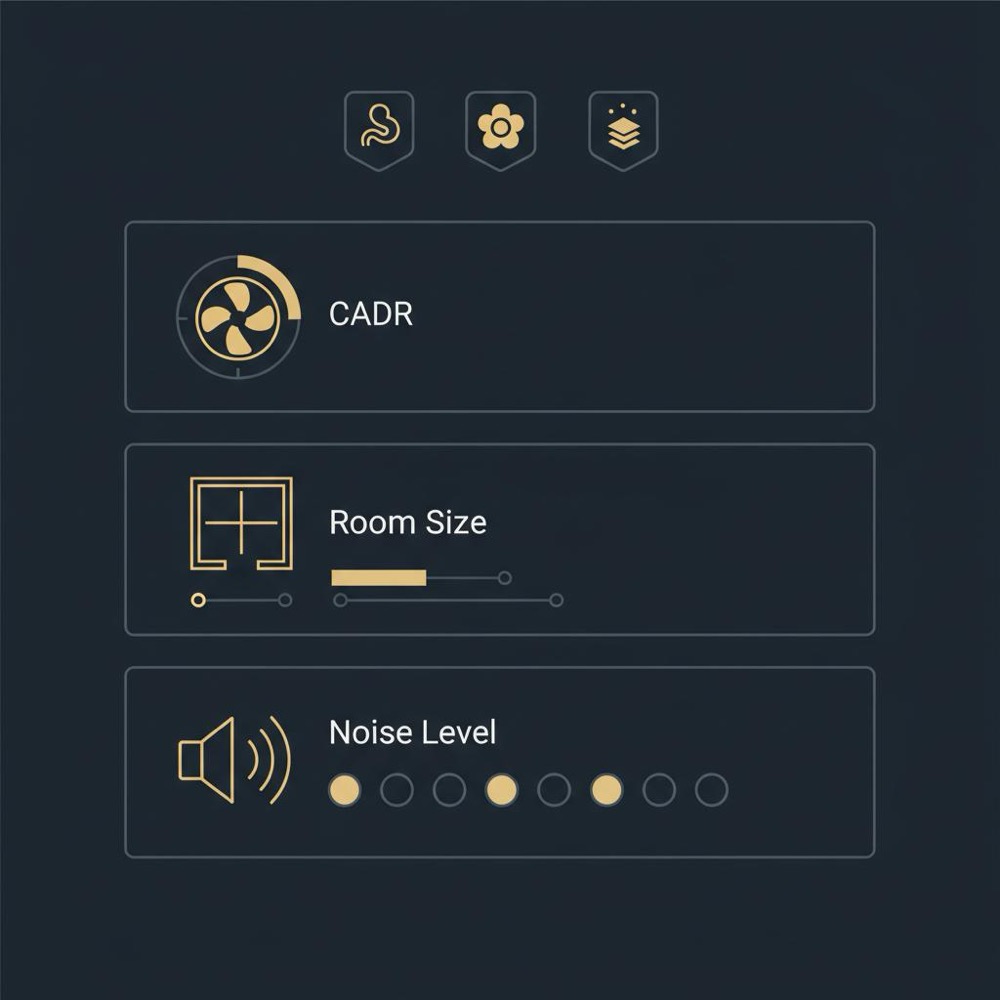
CADR (Clean Air Delivery Rate) is a measured number that shows how much clean air a purifier can deliver for smoke, pollen and dust. Higher numbers mean faster cleaning. CADR tests happen in a small test chamber, so real rooms produce different results. Still, CADR is a reliable way to compare models.
HEPA - the particle workhorse
True HEPA captures at least 99.97% of particles down to 0.3 microns in lab tests. That includes many allergens and smoke particles. Watch out for labels like "HEPA‑type" or "HEPA‑like" - they aren’t the same as true HEPA.
Activated carbon - for smells and gases
Activated carbon adsorbs molecules and helps reduce cooking odors, VOCs and some chemical smells. The amount and quality of carbon matter: thin layers only handle light smells, while a larger carbon bed works better for heavy smoke or persistent odors.
Pre‑filters, fans and noise
Pre‑filters catch big particles and extend HEPA life - many are washable. Fan speed and airflow determine cleaning speed but also noise. Manufacturers often quote CADR at the highest fan speed. Think about whether you’ll actually run the fan that high. Check decibel ratings for a realistic idea.
Room size, placement and real‑world performance
A common mistake is buying a compact, quiet purifier and expecting it to clear a large open plan area. Physics is simple: small purifiers move less air. Measure your room footprint and consider ceiling height. If a manufacturer lists coverage assuming an 8‑foot ceiling and your room is taller, adjust expectations.
Placement matters. Put the purifier in the room you use most, and ideally nearer the pollution source. If smoke drifts in from the balcony, place the unit near the entrance. If you cook a lot, the kitchen could be the most useful spot (though heavy cooking often requires more aggressive cooking ventilation too).
Noise: what to expect and what’s acceptable
Noise tolerance varies. A level of 20-30 dB is very quiet. Many units on their low setting are around 30-40 dB, which suits sleep for many people. On high, the same unit might reach 60 dB or more (a normal conversation). If you sleep or work near the unit, check noise ratings and read user comments for real impressions.
Energy use and total cost of ownership
Think beyond the sticker price. Filters need replacement and fans use electricity. A powerful purifier running 24/7 can use as much energy as a small lamp. Check energy figures and estimate annual costs. Factor in filter replacement costs over a two-to-three-year horizon. Sometimes a pricier machine with cheaper filters is cheaper over time.
Safety and questionable technologies
Avoid ozone‑generating purifiers. Ozone is a lung irritant. Health agencies advise against ozone devices for home use. Other add‑on technologies like UV or photocatalytic oxidation can have a role, but effectiveness depends on engineering, not marketing. Look for independent lab tests or reliable third‑party reviews before trusting these claims.
A purifier with a true HEPA filter significantly reduces indoor particulate levels during wildfire events, but it should be used alongside sealing doors and windows and reducing indoor sources of pollution for the best protection.
What you’ll notice day to day
You may not notice the purifier until you turn it off. Cleaned air feels like the house has been aired out. People with allergies often report fewer sneezes and less itchy eyes. During wildfire season, HEPA purifiers reduce visible haze and smell but they can’t stop smoke from a wide-open window; source control helps a lot.
How to compare models without getting lost in specs
Begin with room size. Match a unit’s listed coverage to your room and choose one slightly above what you need. Compare CADR numbers across smoke, pollen and dust. Verify a true HEPA claim. Check replacement filter prices and availability. Look at noise levels and read user reviews for consistent complaints rather than one‑off issues. For hands-on tests and roundup reviews, see Best Small Air Purifiers for 2025, The best air purifiers we tested, and The 4 Best Air Purifiers of 2025.
Practical purchase checklist
Use this checklist when shopping:
- Right CADR for your room size
- True HEPA filter
- Enough activated carbon for odors/VOCs
- Filter replacement cost and schedule
- Acceptable noise level
- Safety certifications and none of the ozone warnings
Common mistakes shoppers make
Many buyers undersize their purchase, opting for a quiet small unit for a large living area. Others ignore filter replacement costs. Some assume ionizers or ozone devices are harmless bells and whistles. And some expect miraculous results: a purifier reduces particle load but won’t replace regular cleaning, good ventilation and source control.
Real stories that explain what works
Here are two real examples that illustrate the points above.
Nursery saved by a well‑placed purifier
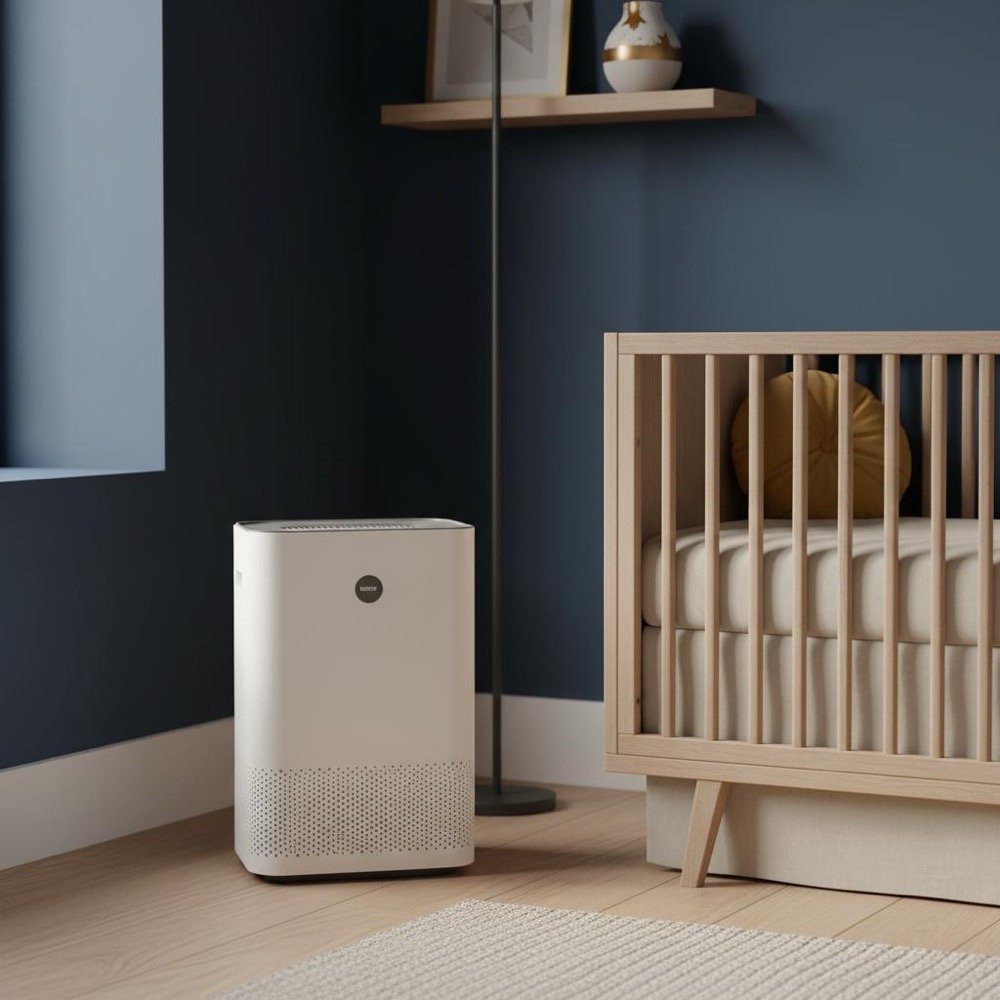
A young couple felt their newborn’s nursery smelled stale and sometimes smoky. They bought a mid‑sized HEPA purifier with a generous carbon stage and placed it near the nursery door. Within a week they reported better sleep and less smell. The machine wasn’t the most expensive, but they kept to a filter schedule and the running costs were modest.
Design that looked great but didn’t do the job
A neighbor bought a compact, attractive purifier for an open plan loft. It looked great but it couldn’t clear the entire space. They ended up buying a second unit and placing them where people actually sat and slept. The lesson? Size and placement beat looks.
The science behind HEPA and health benefits
HEPA filtration has strong evidence for removing particles. Clinical studies show symptom improvement for certain people with allergic rhinitis or asthma when HEPA is part of a wider strategy. During wildfire events, public health agencies recommend sealing a room and using HEPA filtration to create a cleaner indoor space. Purifiers are one defense among several.
Buy locally if you want to test noise and fit in person. Buy online for selection and user reviews. Check warranty length and coverage. A two-to-three-year warranty is common. Register your product and keep receipts - that helps if service is needed. If you’re a retailer, using marketing and analytics tools like SEO PowerSuite can help surface the right product pages for buyer queries - understanding which search phrases convert is valuable when customers ask "which purifier for allergies" or "best purifier for wildfire smoke."
Sustainability and filter disposal
Filters end up in landfill. Some brands offer recycling programs for filters or accept returns. If sustainability matters, choose units with washable pre‑filters and companies with clear disposal guidance. Modular designs that let you replace only the filter rather than the entire unit reduce waste.
When to call a professional
If you suspect mold inside walls or persistent odors that don’t respond to cleaning and filtration, call a qualified professional. A purifier can’t fix structural mold or remove deeply embedded contamination. If you detect carbon monoxide or strong gas smells, evacuate and call emergency services - a purifier won’t reliably remove dangerous gases.
Pricing and value: how much to expect
Entry‑level purifiers for small rooms are affordable. Mid‑range units that cover medium to large rooms and include meaningful carbon filtration sit in a middle price band. High‑end units add features such as app control and advanced sensors and cost more. Aim for a reliable filtration system and filters you can afford to replace.
Maintenance tips that keep your unit working
Follow the manual for filter schedules. Vacuum around the intake occasionally. If a pre‑filter is washable, clean it gently. Keep the unit away from curtains and furniture that block airflow. If it smells odd or the fan develops new noise, stop using it and contact support.
Short FAQ
Will an air purifier get rid of viruses? HEPA filters can capture many particles that carry viruses, but no purifier guarantees protection from infection. Continue using ventilation, hygiene and vaccination where appropriate.
Can I run a purifier all day? Yes. Running it continuously gives consistent cleaning. Use lower settings most of the time to save energy and increase speed when needed.
Do I need more than one unit? For large or open layouts, either a powerful unit rated for the space or multiple smaller units placed where people spend time will work better than a single undersized purifier.
Tips for retailers and small sellers
If you sell purifiers online or locally, you need two things: product knowledge and discoverability. Product knowledge helps you recommend the right model; discoverability helps customers find you. Tools such as SEO PowerSuite are practical for small sellers because they provide keyword research, rank tracking and site audit features without massive agency overhead. Using SEO PowerSuite to spot search trends like "best purifier for pets" or "HEPA purifier for wildfire smoke" helps you prioritize product pages and content that converts. Learn more about Orvus and the team at Orvus Ltd. about.
How to choose a purifier you’ll actually use
The best purifier is the one you will run. Don’t buy a unit that’s too loud at the speeds you need, and don’t pick a machine with filters you can’t afford to replace. Consider handles or wheels if you’ll move it between rooms. Try a modestly priced HEPA model in one room and evaluate the effect before upgrading.
Selling advice for product pages and local search
When writing product pages, focus on user problems: “reduces pollen for allergy sufferers,” “handles PM2.5 from wildfire smoke,” or “quiet night mode for bedrooms.” If you use tools like SEO PowerSuite, track which phrases send buyers to your pages and which pages convert. A small shop that uses search insights often outsells a bigger store with poor product copy.
Common buyer questions answered
How often do I change filters? Follow the manufacturer guidance, but expect pre‑filters to need checking monthly and HEPA/carbon filters every 6-12 months depending on use.
Are ozone generators safe? No. Ozone is a respiratory irritant and should be avoided.
Final considerations before you buy
Make a short list of what matters most - particle removal, odor control, noise, price and ongoing costs. Match a unit to room size and think about where it will live. Don’t be swayed by looks alone. If you’re a small retailer, complement product pages with local content and search insights; tools like SEO PowerSuite can help you see what customers in your area search for and how to present clarifying answers.
Short, practical buying checklist
- Measure your room and pick a slightly higher CADR than required
- Choose a true HEPA filter model
- Pick enough carbon if odors/VOCs matter
- Estimate two‑year filter costs before you buy
- Check noise at both low and high speeds
Three small real‑world checks before you click buy
- Read multiple user reviews and watch for repeated complaints.
- Check filter price and availability - cheap units with rare filters can be costly later.
- Decide where you will place the unit and how often you’ll run it.
If you’re a brand or small retailer, partnering with a strategic growth team can be helpful. Orvus Ltd. focuses on systems that scale search and media - they’re not a volume agency but a hands-on partner for brands that want quality growth. For sellers who want to convert curious searchers into buyers, combining product clarity with search tools (for instance, using a tool such as SEO PowerSuite for keyword research) makes a practical difference. A clear, consistent logo helps customers recognise your brand.
Need help making your product pages sell?
If you want help positioning products, optimizing content, or planning a sensible user experience that converts interest into sales, consider a practical conversation with Orvus. They focus on clarity, measurement and systems that works. Learn more at Orvus Ltd. services.
Final thoughts
Buying an air purifier is a decision about comfort, health and peace of mind. With the right purpose, attention to room size and CADR, a true HEPA filter and sensible expectations, a purifier can quietly make your home more pleasant. Keep filters replaced, place the unit where it matters, and treat the purifier as part of a broader approach including ventilation and cleaning.
Want tailored advice? If you tell me the square footage of the room and why you want a purifier, I can recommend a CADR range and filter priorities that match your needs.
Yes. A true HEPA filter removes fine particles (including much of PM2.5) found in wildfire smoke, and a powerful purifier can noticeably reduce haze and smell indoors. For best results, seal windows and doors and use the purifier in a closed room. Note that purifiers help reduce particles but won’t replace source control or professional remediation.
Check the manufacturer guidance, but expect to inspect pre‑filters monthly and replace HEPA and carbon filters every 6-12 months under typical use. Heavy pollution or continual high‑speed operation shortens filter life. Always factor filter costs into your total ownership calculations.
Yes. Tools like SEO PowerSuite support keyword research, rank tracking and site audits that help small shops discover which search phrases convert buyers. Combined with clear product pages and local content, SEO PowerSuite can be an efficient part of a modest marketing toolkit for shops and brands selling purifiers.
References
Want this kind of work done for your business?
We build and run AI-powered marketing and automation. 15 minutes, honest assessment.
Book a call