 Orvus
OrvusHow long does it take for Google to remove a fake review?
November 24, 2025
How long does it take for Google to remove a fake review? A clear timeline and practical playbook
How long to remove a fake Google review is a question that gets asked the moment a single unfair sentence lands on your profile. That phrase matters - and you’ll see it again in this guide. This article walks you through actual timelines observed in 2024-2025, what evidence matters most, and the exact steps you can take to get a fake Google review removed as quickly as possible.
Why this matters now
A false Google review can dent trust, lower conversion from search results, and feel like an unfair public accusation. For small businesses the costs are real: lost customers, time spent responding, and the stress of watching your hard work get misrepresented. The good news is that removal is often possible when the review breaks Google’s policies - and when you present clear, concise evidence.

How the process actually works (and where time goes)
Google uses two main systems to handle review reports: automated detection and human moderation. Typically the flow looks like this:
1. Automated acknowledgement: most businesses see a confirmation within 24-48 hours that Google received the flag.
2. First moderation pass: often occurs within 3-7 business days for straightforward cases.
3. Final decision: for many routine flags, Google reaches a decision within 7-30 days. Complex or legal cases can take much longer.
These are industry-observed averages from 2024-2025 - not service-level guarantees. Some reviews are removed in days; others remain up for weeks or months depending on evidence, region, and queue volume. Industry write-ups such as Expected Timelines, SLAs, and What Success Looks Like provide similar observations. A clear company logo can help reassure customers.
What speeds things up - and what slows them down
Think of moderation like a postal sorter. A neatly addressed, stamped envelope moves fast; a torn, anonymous envelope goes to a pile for deeper inspection. The same idea applies to review removal.
Things that speed up removal
- Clear policy violation: spam, explicit hate speech, doxxing, threats or posted personal data are usually prioritized.
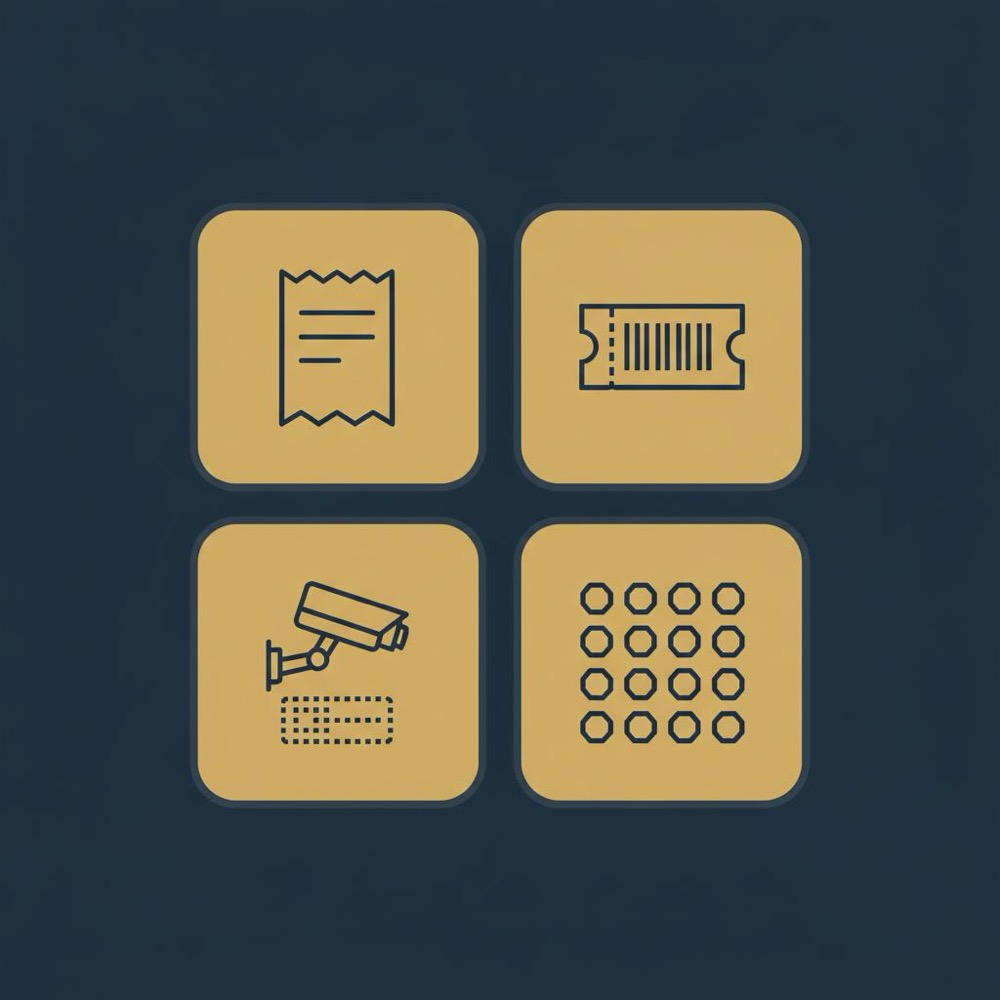
- Good evidence: transaction IDs, booking references, time-stamped CCTV stills, delivery confirmations.
- Account pattern evidence: the reviewer’s profile shows multiple similar posts or sign of coordinated attack.
- Support escalation: using Google Business Profile chat or phone often draws quicker human attention.
Things that slow removal
- Opinion-based complaints: if a review is an opinion about service quality with no factual falsehoods, it usually stays.
- Weak evidence: vague statements, no transaction ties, or low-quality screenshots.
- High moderation volume: seasonal spikes or public incidents create long queues.
- Cross-border legal differences and regional review centers.
If you want help building the exact evidence pack and escalation plan that shortens time-to-resolution, Orvus can help - see our services for review and reputation support for a tailored approach.
How long does it take for Google to remove a fake review? Realistic expectations
At the moment you flag a review, expect an automated confirmation within 24-48 hours. From there, the usual observed timeline is:
- 24-48 hours: automated acknowledgement.
- 3-7 business days: first human moderation pass for clear-cut cases.
- 7-30 days: final decision for many routine disputes.
- Several weeks to months: appeals, legal takedowns or complex investigations.
Be prepared: these windows reflect averages. If you need urgent attention because a review is causing immediate financial harm or contains threats, escalate through Google Business Profile support immediately.
Other sources report typical removal times of 3-5 business days after flagging, depending on content and review queues - for example, see How Long Does It Take Google To Remove A Review.
Step-by-step: How to flag a review the right way
Flagging is the simplest first step, but do it carefully. A clear, factual report reduces back-and-forth and helps moderators act faster.
Practical checklist before you flag
- Confirm the content breaks Google’s policies (spam, hate, sexual content, personal data, etc.).
- Gather evidence: receipts, booking IDs, screenshots of the reviewer’s profile, and any transaction logs.
- Keep screenshots high-resolution and uncropped so moderators can see metadata and context.
- Note dates, times and staff names (redact private customer information where required).
Filing the report
From your Google Business Profile:
- Find the review.
- Click the three dots and select Report review (or Flag as inappropriate depending on the UI).
- Choose the most accurate violation category; be specific.
- Paste a short, factual explanation and list attached evidence.
Example opener for the flag form: "This review contains demonstrably false factual statements and appears to be from an unaffiliated account. Evidence attached: transaction ID, booking log, and time-stamped CCTV screenshot."
Templates you can copy (reporting and public response)
Report to Google template (short, factual)
"This review contains false factual statements and appears to come from an account unaffiliated with our business. Point 1: No transaction exists under the claimed name (transaction ID XXXXXX attached). Point 2: Our booking log shows no appointment at the stated date/time (screenshot attached). Please review the attached evidence."
Public reply template (calm, professional)
"Thank you for your feedback. We’re sorry you left with a poor experience. We cannot find a record of the visit mentioned - please contact us at [email] or [phone] with a booking reference so we can investigate and resolve this directly. We take feedback seriously and want to make this right."
When to use Google Business Profile support for faster attention
If a review threatens immediate loss of revenue, contains explicit threats, or is clearly malicious, use chat or phone support. Support can escalate and bring a human moderator’s eyes to the case faster than a single flag.
How to approach support:
- Start with one clear sentence summarizing the issue.
- Attach 2-3 pieces of direct evidence.
- Provide any case ID from the original flag.
- Stay calm and factual; support staff escalate clearer, professional cases faster.
Script example for chat or phone
"We have a review that contains false criminal allegations and personal details. Attached is the transaction ID (XXXX), our booking record for the date, and a time-stamped CCTV still that shows no such incident. Case ID (if available): XXXXX. Can you escalate this for human review?"
Legal takedowns: when they make sense and how long they take
A legal takedown is a weighty step. It’s appropriate when the review includes false criminal allegations, private personal data, or other unlawful content where court orders or formal legal notices are feasible.
Good reasons to consider legal action:
- Threats, extortion or doxxing.
- Clear defamation with provable false facts.
- Publication of private personal data that violates privacy laws.
Before you start, talk to a lawyer. Legal requests can accelerate removal but involve cost and time. A narrowly drafted court order or legal notice that specifically identifies the content and the applicable law is the most effective format.
What to include in every report - the evidence pack
Think of your report as a short, exact brief. Moderators respond well to concise, factual documentation.
Essential items to attach:
- Transaction or receipt IDs and dates.
- Booking or reservation numbers and screenshots from your system.
- Time-stamped CCTV or delivery timestamps (redact faces or private info if needed).
- Screenshots of the reviewer’s profile showing patterns (other similar reviews) or mismatch with claimed location.
- Anything that shows coordination - identical language across reviews, matching timestamps, or evidence multiple accounts were created from a single device.
How to redact data safely
Don’t expose private customer data you aren’t allowed to share. Redact account numbers, full payment details, or other private information that isn’t necessary. Highlight the specific elements that prove the claim: booking number, transaction reference, and date/time often suffice.
When Google says no: smart public replies and reputation work
If Google declines a removal request, your next priority is reputation management. A calm, professional public reply can shape how future readers interpret the review.
Reply strategy:
- Thank the reviewer for feedback.
- Stick to verifiable facts: "We have no booking on the date mentioned - please contact us with a booking reference."
- Offer a private resolution channel (phone/email).
- Avoid accusing the reviewer of lying in public.
Example reply that defuses and informs
"Thanks for taking the time to share this - we’re sorry you had a poor experience. We can’t find a reservation under that name for the date mentioned. Please contact us at [email] or [phone], reference ticket XXXXXX, and we’ll investigate and make this right."
Private outreach: a surprisingly effective tool
Many reviewers will remove or update their review if you contact them privately and resolve the issue. Keep outreach polite and focused on resolution:
- Acknowledge their experience.
- Ask for a way to look up the transaction (booking reference or email).
- Offer a clear remedy if the complaint is valid: refund, rebooking, or discount.
- Keep a record of outreach attempts; it can be useful if you later escalate.
No. Repeatedly flagging a review without new evidence rarely speeds the process. Moderators prioritize clear facts and new documentation; instead of multiple flags, compile a concise appeal with fresh evidence or escalate via Google Business Profile support.
Main answer: No - repeatedly flagging a review without new evidence rarely speeds the process and can make communication messy. Instead, gather new evidence and submit it in an appeal or escalate through Google Business Profile support with a clear case summary.
Navigating appeals and adding new evidence
Google allows you to appeal decisions. Use the appeal to present new documents or clarify misunderstandings. Keep appeals concise: one short summary paragraph plus attachments works best.
When to appeal:
- You have new, material evidence that wasn’t in the original flag.
- You can show a pattern across multiple reviews.
- The moderator’s decision seems to have ignored key facts.
Real-world snapshots - typical outcomes
Example 1: A café receives a one-star review claiming theft. The owner flags it, attaches CCTV stills and a sales log showing no such customer. Acknowledgement arrives in 48 hours; removal follows within a week. Clear video and a matching transaction log were decisive.
Example 2: A hair salon gets a one-star about a stylist’s attitude. Records show no conclusive booking match and the reviewer’s account looks legitimate. Google keeps the review (opinion about service). The salon publicly responds and offers a private remedy - which then leads the reviewer to update the review. When evidence is inconclusive, reputation management beats forced removal.
How to prevent fake reviews and protect your profile
Prevention is powerful. Here are practical routines that reduce the chance of being blindsided:
- Monitor reviews daily and set alerts for new feedback.
- Keep transaction and booking details tidy and searchable (reference numbers help).
- Encourage satisfied customers to leave honest reviews - create simple, frictionless prompts.
- Standardize the information collected at checkout: an email or booking reference is often enough to tie a review to a record.
- Use a single Google Business Profile per location and keep business info up to date.
Training your team
Train staff to gather minimal, helpful identifiers: booking numbers, transaction references, and the customer’s email. Small changes to your POS or booking system - like showing a visible reference number - help enormously when you need to show evidence later.
When to contact a lawyer (and what to expect)
Legal steps are for the serious cases: defamation, threats, doxxing, or sustained coordinated attacks. If private outreach, support escalation, and appeals fail, consult counsel.
Expect the following from legal action:
- Time and cost: legal steps take longer and cost more than informal routes.
- Careful drafting: lawyers will prepare a narrow, targeted request or court order emphasizing the unlawful content.
- Possible escalation: legal action can draw attention to the review, so weigh benefits vs. potential amplification.
Reputation management caution: avoid bad shortcuts
Be wary of firms offering instant removal or promising fake positive reviews. These tactics violate Google’s policies and can cause penalties. Honest, methodical documentation and measured escalation are safer, more sustainable strategies.
Metrics to track your progress
Set a few simple KPIs to measure how review problems affect your business and whether your response strategy works:
- Time-to-acknowledgement after flagging (target: <48 hours).
- Time-to-decision after flagging (target: <30 days for routine cases).
- Percentage of disputed reviews removed after appeals.
- Change in average rating after proactive asks for legitimate reviews.
- Gather the evidence pack: booking IDs, receipts, timestamps.
- Flag clearly and concisely.
- Use Google Business Profile support if no reply in seven business days.
- Appeal with new evidence if necessary.
- Consider legal steps only for serious or unlawful content.
- Keep public replies calm and constructive.
How Orvus frames the issue (and why it helps)
At Orvus we treat review problems as an operational signal - not just a marketing annoyance. A coordinated approach that combines clean evidence capture, a clear escalation script, and sensible public replies reduces time-to-resolution and protects search performance. When compared to one-off, reactive attempts, Orvus’ methodical approach is more reliable and less likely to create new problems. Learn more about Orvus.
Practical checklist you can use today
1. Flag the review with a short factual statement and attach evidence.
2. If no response in seven business days, open Google Business Profile support (chat/phone).
3. If urgent (threats or extortion), consult legal counsel immediately.
4. Post a calm public reply offering to resolve the issue privately.
5. Encourage authentic positive reviews to dilute the impact of any remaining false reviews.
Common mistakes to avoid
- Overreacting publicly: calling reviewers liars or getting emotional in a reply.
- Submitting poor evidence: blurred screenshots or incomplete transaction IDs.
- Buying removal services: shortcuts often breach policy and can worsen outcomes.
- Ignoring the public response: a well-crafted reply often matters more than removal.
Extra resources and templates
If you want, we can craft a tailored reporting message or an appeal. Start with a one-paragraph summary and attach the evidence pack. If you’d prefer a hands-off approach, professional help from a growth partner who understands search and reputation systems reduces the cognitive load and speeds up good decisions. See our guides on the blog: Useful Knowledge.
Get practical help removing fake reviews and protecting your search presence
Need structured help getting a fake review removed and protecting search performance? Orvus offers targeted support and practical escalation workflows - explore what we do at Orvus services and get a tailored plan.
Final checklist: steps to reduce time-to-removal
- Gather the evidence pack: booking IDs, receipts, timestamps.
- Flag clearly and concisely.
- Use Google Business Profile support if no reply in seven business days.
- Appeal with new evidence if necessary.
- Consider legal steps only for serious or unlawful content.
- Keep public replies calm and constructive.
Parting thought
A fake Google review is frustrating, but it’s rarely fatal. Most routine issues move through Google’s systems within a few weeks when you file a clear report and attach good evidence. When problems persist, measured escalation - via support channels or legal steps - is the right path. Focus on careful documentation and calm public communication, and you’ll protect both your search presence and the trust you’ve built with customers.
Want help drafting a tailored report or an appeal? Orvus can step in and help you build the evidence pack and escalation script that gets results.
If you don’t see an update after seven business days, a polite follow-up through Google Business Profile support is reasonable. Use chat or phone support if the review is causing immediate harm. Provide your original case ID and any new evidence you’ve collected.
No. Repeatedly flagging a review without submitting new evidence rarely speeds up removal and can complicate communication. Instead, gather additional proof (transaction receipts, booking IDs, timestamps) and submit it through an appeal or escalate via Google Business Profile support.
Yes - Orvus helps brands build the exact evidence pack and escalation workflow that improves removal outcomes and protects search performance. For tailored support, see Orvus’ services at orvus.net/services/ and ask for a practical, documented plan.
References
Want this kind of work done for your business?
We build and run AI-powered marketing and automation. 15 minutes, honest assessment.
Book a call