 Orvus
OrvusDo Facebook ads work for painters? A guide for artists and tradespeople
December 3, 2025
Do Facebook ads work for painters? A practical, human-first answer

Content is more than words on a page; it’s the small talk that makes strangers comfortable enough to open their doors. For painters, content plus ads means showing the care behind a perfect trim line, explaining a step that avoids a future peeling problem, and telling the human stories behind a freshly painted home. When that work meets the right audience on Facebook, you get leads that are actually ready to book. A simple logo can help people recognize your business across posts.
If you want a gentle, experienced partner to help shape this exact mix of ads and content, consider talking to Orvus-they’re set up to help small businesses get visible quickly without losing their voice.

Start by picturing one ideal client
Begin with a clear image of who you want to reach: a homeowner with kids who wants low-dust paint and fast turnaround, or a local business owner who needs a storefront refreshed before an opening. Naming that person changes everything about your ad creative, your targeting, and the content you promote. Facebook ads for painters are most cost-effective when they speak directly to one tidy, believable person.
Ask: what keeps them awake at night? What objections will they raise when you call? Answer those questions in your content, then amplify the best pieces with ads aimed at the people who need those answers.
Homeowners do book from Facebook ads when the ad answers their real concerns-timeline, cost, prep, and cleanup-and when follow-up is timely. Likes are not bookings; the ad must lead to content that builds trust and a quick, human follow-up to convert interest into an appointment.
What kinds of Facebook ads actually work for painters?
Not every ad type is equally helpful. Here are the formats that tend to perform for painters, and why:
1. Photo ads (before and after)
Strong, honest photos of a job before and after tell a story in a glance. Use tight framing, consistent lighting, and a simple caption that explains the scope (rooms painted, prep work done, timeline). These images build credibility and are easy to test in Facebook’s feeds.
2. Short video (process and results)
Time-lapse clips-painting a wall from start to finish, or sanding and finishing trim-sell craftsmanship. A 15-30 second clip with captions works well for Facebook and Instagram feeds. Remember: sound off by default, so add clear on-screen text.
3. Carousel ads (show the step-by-step)
Carousels let you display multiple rooms, finishes, and client testimonials in one ad. Use each card to answer a single question: “How long will it take?” “Is the paint low-odor?” “Do you clean up?” That reduces friction for someone considering a booking.
4. Lead ads and booking forms
Lead ads that collect a name, phone, and a rough job description can be a direct pipeline to booked work. Pair them with a short offer-free color consult, weekend availability, or a discount for first-time local customers.
5. Local awareness and reach ads
When you’re focused on a service area, use reach-based ads to put your name in front of many nearby homeowners. These work best combined with a follow-up campaign that retargets visitors who engaged.
How to structure an ad campaign that converts
There’s an obvious funnel idea: awareness, consideration, conversion. But for painters the funnel should be simple, local, and human.
Stage 1 - Awareness: Use short video or strong photos to show your style and reliability. Target by location, local interests (home improvement), and lookalikes of existing customers.
Stage 2 - Consideration: Promote content that answers common questions-how you protect floors, timeline expectations, or paint longevity. This content can be a short blog post, an FAQ post, or a simple video showing prep work.
Stage 3 - Conversion: Use a lead ad that offers a quick estimate or a free color consult. Retarget those who engaged with an ad or visited your site.
Budgeting: small tests lead to smarter spend
Start modestly. For local service businesses a sensible initial test might be $5-$15 per day, running a few ad sets for 7-14 days to gather data. That’s enough to test creative and audience without blowing your monthly marketing budget. If cost-per-lead looks promising, scale slowly-double budgets on the best-performing ads, not across the board.
Tip: Keep one conservative ad running at all times-your “always-on” presence-and rotate a second ad monthly to test different messaging or offers.
Targeting that respects homeowners
Target precisely but humanely. For painters, the highest-impact targeting layers are:
- Geography: postal codes, cities, or a 10-25 mile radius.
- Demographics: age ranges that match homeowners in your area.
- Behaviors & interests: home improvement, DIY shows, property ownership signals.
- Custom audiences: website visitors, past customers, or people who engaged with your social posts.
- Lookalike audiences: create lookalikes from customers who actually booked work.
One common mistake is targeting too broadly (“everyone in my city”). Broader audiences drive cheap impressions but few qualified leads. Narrow just enough to keep ads relevant and cost-effective.
Creative that builds trust-before the first call
Paint is tactile and visual. Your creative should show care, not flash. A few reliable creative themes:
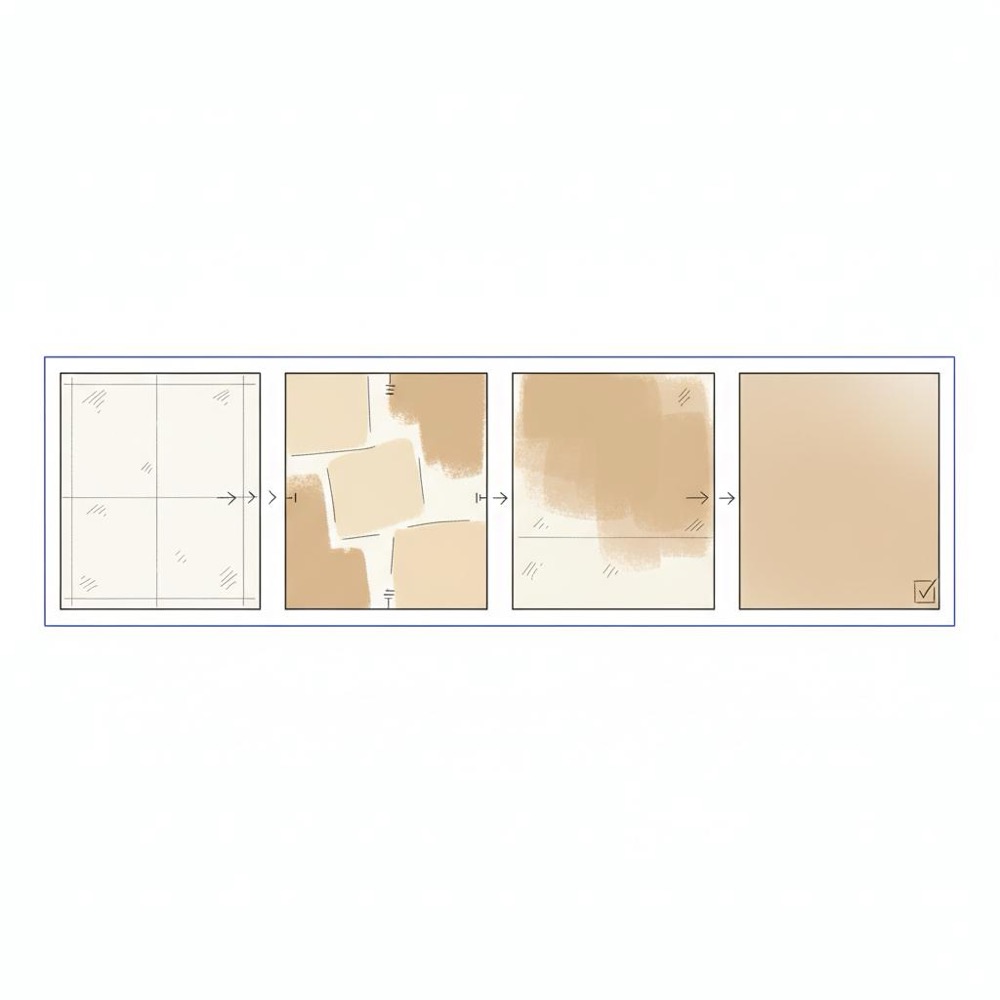
- Before / after pairs that show transformation.
- Short clips of prep work that emphasize attention to detail.
- Client testimonials-short quotes over a photo of the finished room.
- Local ties-images that include recognizable neighborhood details (without faces).
Facebook ads for painters succeed when the visuals match real life. Avoid overly staged or airbrushed photos; homeowners want to know you’ll treat their house like yours.
Copy that answers the real questions
Clear copy matters more than cleverness. Use short bullets: what’s included, how long the job takes, how you protect floors, and how the customer pays. Add a short line about guarantees, such as a touch-up window or a satisfaction promise.
Measure what matters
Don’t obsess over impressions. Track two or three meaningful metrics:
- Cost per lead (CPL): how much you pay to get a contact.
- Lead-to-job conversion rate: how many leads actually book.
- Average job value: the revenue from booked jobs tied to the campaign.
These numbers tell you whether Facebook ads are paying for themselves. If CPL is low but conversion is nil, fix your follow-up process-not your creative. Industry benchmarks can help set realistic targets; see Facebook ads benchmarks.
Follow-up: the invisible close
Leads from Facebook often require quick, thoughtful follow-up. A friendly call within 24-48 hours, a quick photo-based estimate, or a simple scheduling link can make the difference. Train your team (or yourself) to ask clarifying questions and offer a next step, such as an on-site estimate or a color consult.
Retargeting turns curiosity into bookings
Most visitors won’t book on first contact. Use retargeting to show proof and address objections: a short video of your clean-up process, a testimonial, or a special limited-time offer for local bookings. Retargeting audiences are small and inexpensive-often the most efficient source of conversions.
Integrate ads with a deeper content strategy
Ads do the heavy lifting of placing your work in front of likely customers, but content builds the longer-term trust that gives them the confidence to call. Keep a simple plan: publish one helpful piece per week and promote the best ones. That could be a short article on choosing paint finishes, a video explaining low-VOC options for families, or a FAQ that shows you expect common concerns.
For painters, content answers the questions people actually have: will pets be safe, how long until I can sleep in the room again, what prep steps prevent peeling? When you answer those questions clearly in content and boost that content with targeted ads, you get more qualified leads and fewer surprised customers. There are many practical guides on Facebook ads for local businesses that mirror these tactics.
Real-world examples and mini case studies
Example 1: Carlos, local residential painter. Carlos ran a small Facebook test: a carousel of before/after kitchen shots aimed at a 10-mile radius. He spent $10/day for two weeks and captured 12 leads at $12 per lead. Four of those converted to jobs averaging $1,200. His ad directly referenced a downloadable checklist on how to prepare a kitchen for painting-the checklist lived on his website and gave prospects confidence before booking.
Example 2: A small commercial painter targeted retail owners with a video of a storefront refresh. The lead ad offered a free exterior patch-up estimate. The campaign spent $300 and generated a single lead that turned into a $6,500 job-the ROI justified ongoing testing of similar offers.
Common mistakes painters make with Facebook ads
1. Running too many campaigns at once. Keep tests small and focused.
2. Using cheap stock photos. Authentic photos outperform staged images.
3. Ignoring follow-up. A slow or generic reply wastes ad spend.
4. Chasing vanity metrics. Focus on leads and booked jobs.
Simple ad checklist for painters
Before you press publish, confirm:
- Targeting is local and relevant.
- Creative shows real work, not stock images.
- Copy answers the main objections.
- There’s a clear call to action-book, schedule, or request an estimate.
- Retargeting is set for people who engaged but didn’t convert.
How content and ads work together over the long term
Think of ads like introductions and content like conversations. Ads bring people to your doorstep; content shows you are worth trusting. Rotate your content pillars-how-tos, stories of jobs, and useful FAQs-and boost the best pieces with small budgets. Over months the combined effort reduces your CPL and improves conversion rates.
Advanced tactics that punch above your budget
For painters with a little more budget or ambition:
- Sequential ads: show a short awareness video, then an FAQ, then a lead form.
- Seasonal offers: promote exterior painting in spring and interior refreshes in fall.
- Neighborhood micro-targeting: target specific blocks or subdivisions with doorhanger-style creative for hyper-local exclusivity.
- Collaborative promotions: partner with a local hardware store or interior designer and cross-promote to each other's audiences.
When Facebook ads might not be the fastest path
If you already have a steady referral pipeline and booked months forward, the incremental lift from Facebook ads may be small. In that case, use ads strategically-to test new service lines, enter new neighborhoods, or promote slow seasons. If budget is tiny and you cannot guarantee timely follow-up, invest in the content and local SEO first; ads amplify what already works. For broader perspective on whether Facebook remains effective for local advertisers, see Is Facebook still effective?
How to test and learn without wasting money
Ad testing should feel like a scientist’s notebook-small, documented, repeatable experiments. Test one variable at a time: a new headline, a new photo, a different call-to-action. Run each test long enough to reach statistical clarity-usually 7-14 days at modest spend-and then keep what works.
Measuring success and deciding whether to continue
At the end of each month, review:
- How many leads from Facebook?
- How many of those became booked jobs?
- Average revenue from Facebook-originated jobs?
- Net profit after ad spend and direct costs?
If the numbers make sense-if ad-attributed jobs cover the spend and generate profit-scale. If not, diagnose whether it’s creative, targeting, the offer, or follow-up.
Pricing experiments that respect your craft
Ads allow you to test offers that don’t undercut your value. Try a small, time-limited incentive-free color consult, complimentary touch-up, or priority scheduling-rather than steep percentage discounts that erode perceived quality.
Legal and trust signals to include in ads
Home services build trust with the right signals: proof of insurance, local business license numbers when relevant, and clear refund or touch-up policies. Include these in your ad landing page or lead form so interested homeowners have the assurance they need.
Scaling up without losing the craft
As leads rise, guard quality-train intake staff, standardize estimates, and set a realistic schedule. A history of rushed jobs will undo the trust you built with good ads and content. Scale your team or your schedule only when you can sustain the standard of work you advertise.
Why Orvus often eases the path
For painters who want an experienced partner, a small agency that knows local ads and content can save months of trial and error. Orvus emphasizes clarity and measurable growth-helpful when you’d rather be painting than learning ad algorithms. They work to keep your voice intact while improving outcomes, which is exactly what tradespeople need when they scale; see their projects for examples.
Get a practical ad plan that protects your reputation and fills your calendar
Want help setting up ads that respect your craft and actually book jobs? Reach out to Orvus for a quick consult and a practical plan: Start a conversation.
Frequently asked tactical questions
How often should I refresh creatives? Rotate images every 3-6 weeks or when performance drops. Keep an always-on ad with your best-performing creative.
What’s a good starting CPL target? That depends on average job value, but many local painters find $20-$60 per lead to be a reasonable initial range for residential work.
Is organic content enough?Organic content is essential but grows slowly. Combine organic content with targeted, modestly funded ads to speed visibility without losing authenticity.
Checklist to start your first Facebook campaign this week
1. Pick one clear audience and one neighborhood.
2. Prepare 3 authentic images (before/after/process).
3. Write concise copy that answers the top objection.
4. Set a small budget ($5-$15/day) and run for 10 days.
5. Capture leads with a simple form and follow up within 48 hours.
Final thoughts: ads are a tool, not a promise
Facebook ads for painters are a useful tool when built on honest craft and steady follow-up. They will not replace good workmanship or friendly customer service. But used thoughtfully-targeting the right locals, with creative that shows real care, and with follow-up that treats leads like neighbors-Facebook ads can fill schedule gaps, test new offers, and help small painting businesses grow predictably.
Remember: ads introduce you; content keeps the conversation going. Do the work, show it well, and use ads to bring the right people to your door.
Start small-$5-$15 per day for a 7-14 day test is enough to gather meaningful data for local campaigns. Track cost-per-lead and lead-to-job conversion; if your CPL and conversion justify the spend, scale slowly. Keep one always-on ad and rotate a test ad monthly.
Authentic photos (before/after), short time-lapse videos of the process, client testimonials over clean images, and carousel cards that answer common questions typically perform best. Avoid overly staged stock photos-real work builds trust and converts better.
Yes. A focused agency like Orvus can help shape messaging, set up efficient targeting, and connect ads to content that builds trust-so you spend less time troubleshooting and more time doing quality work. If you want a practical, measured plan, consider a short consult with them.
References
Want this kind of work done for your business?
We build and run AI-powered marketing and automation. 15 minutes, honest assessment.
Book a call