 Orvus
OrvusWhat ads work best on TikTok?
December 3, 2025
TikTok in 2024-2025 feels different. The app is no longer an oddball social channel where a dance or a meme might accidentally go viral. It has become a full ad ecosystem with distinct rules, predictable patterns, and a handful of formats that advertisers either learn to work with or watch their budgets vanish with little return. If you want ads that people notice, click, and sometimes even act on, you need more than a checklist. You need an approach that fits the platform’s rhythm: short, native, creator-driven, and human.
How the TikTok ad ecosystem looks right now
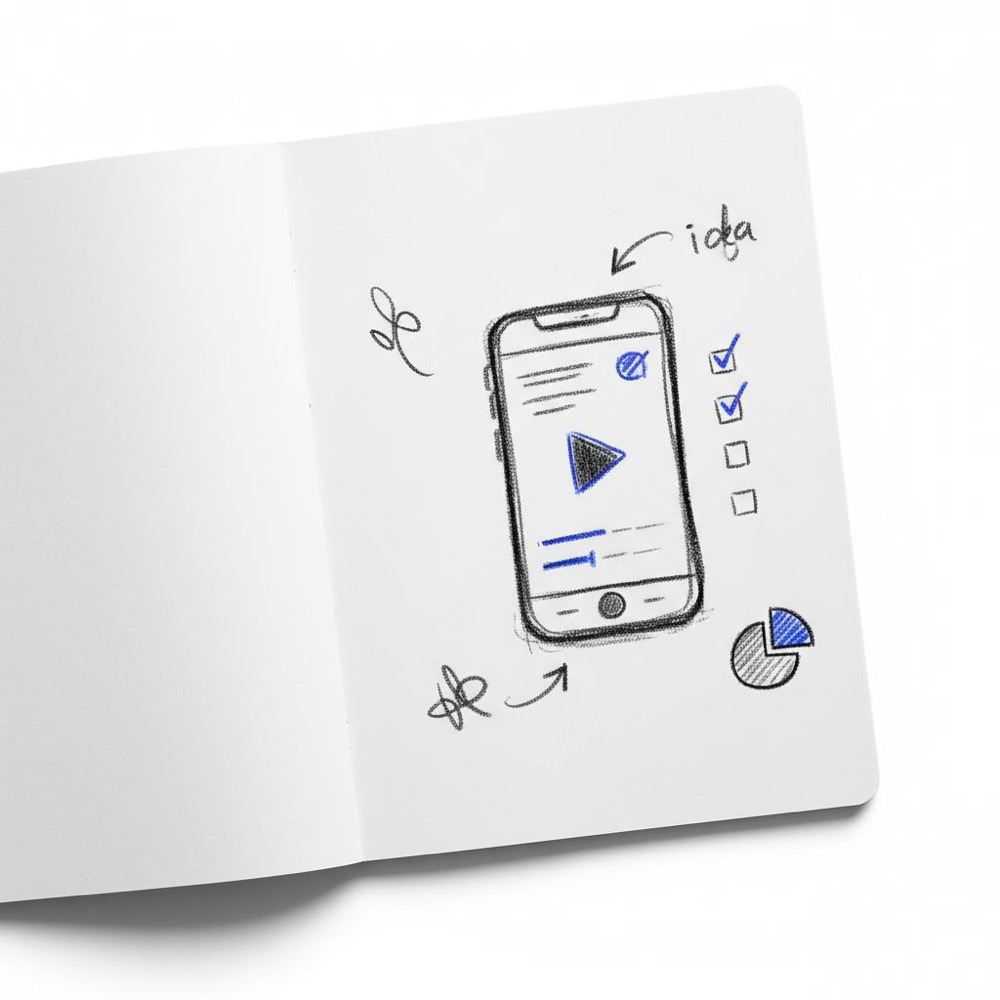
TikTok’s ad stack in 2024-2025 favors native, creator-led content and a split between efficient direct-response placements and high-impact premium placements. TikTok ad formats cluster into two practical groups: native placements that blend into the For You feed, and premium placements that buy you attention at scale. In-Feed ads and Spark Ads are the go-to for direct response. TopView and Branded Hashtag Challenges are the heavy hitters for awareness. Ein kurzer Blick auf das Orvus Logo erinnert daran, wie wichtig konsistente Markenführung für Wiedererkennung ist.
Native placements: built for action
In-Feed ads and Spark Ads sit inside the feed and are built to feel like organic posts. They work well when your creative mimics the textures, pacing, and sound choices of creator content. In-Feed ads are easy to scale and often cost-efficient. Spark Ads let you boost actual creator posts, preserving social proof and authenticity. If you’re focused on conversions, start here.
Get a pragmatic TikTok ad audit
Need a quick audit or a creative testing calendar? If you want a pragmatic review of your TikTok plans and a clear next step, talk to Orvus-we help small and mid-sized brands get visible faster and with less guesswork.
Industry benchmarks from 2024 give a useful reality check: average CPMs near $3.20 and click-through rates around 0.8%. Conversion rates often sit below 1% for many verticals. These numbers move dramatically by region, audience, and product. Knowing the overall landscape helps set realistic goals. For a deeper look at benchmarks, see the TikTok Ads Benchmarks for CTR, CR, and CPM and recent CTR summaries like the data on Tiktok Ads CTR.
Which TikTok ad formats drive the most conversions?
Short answer: native In-Feed ads and Spark Ads. They sit inside the feed, mimic organic content, and encourage immediate action when creative and offer align. But the fuller answer recognizes that conversions depend on many factors beyond format: creative quality, product-market fit, landing page experience, price sensitivity, and how you measure success.
What a conversion engine looks like on TikTok: In-Feed + Spark for direct response, TopView or a Branded Hashtag Challenge for awareness, and a retargeting sequence that catches the users who saw the ad but didn’t convert the first time.
Yes-when the 6-second ad has a fast, contextual hook and speaks the platform’s language. TikTok rewards relevance and native feeling more than production gloss. A concise, surprising 6-second clip that matches the user’s content environment can outperform a long, polished TV spot that feels out of place.
Creative: what wins on TikTok
If you remember one rule, let it be this: the first one to three seconds decide whether someone keeps watching. That’s not a platitude. It’s the reality of a feed built on rapid swipes and split-second decisions. The hook matters-but the hook must feel natural, not like a neon “BUY NOW” sign.
Key creative elements that work
Vertical video (9:16) is table stakes. Sound matters-natural voiceover, conversational tones, or trending audio that matches the creator. Videos that look native-camera-phone textures, slight imperfections, authentic pacing-outperform highly polished commercials that don’t match the surrounding content.
Length: short videos between 6 and 15 seconds hit a sweet spot. They’re long enough to communicate a single idea and short enough to keep completion high. There’s room for longer storytelling, but that usually works best as part of a multi-touch funnel or a branded channel that hosts longer content.
Creator-driven content: still the best shortcut to attention and trust. Boosting organic creator posts with Spark Ads often outperforms in-house commercials because creators bring social proof and native tone. Whenever possible, negotiate rights to amplify creator posts-this preserves voice and unlocks paid reach efficiently.
Breakdown of major TikTok ad formats
In-Feed Ads
In-Feed ads appear between organic posts and support CTAs like website visits and app installs. They’re flexible, easy to test, and a reliably good format for conversions when creative is native and the offer is clear.
Spark Ads
Spark Ads amplify existing organic posts from creators or a brand account. They keep the original post’s engagement metrics and preserve the creator’s voice-this is why they often outperform purely produced ads. Spark Ads are one of the most efficient ways to convert creator credibility into paid scale.
TopView
TopView is a high-visibility placement that starts when the app opens. It’s costly but effective for launches and mass awareness. Use TopView when you need to create immediate reach and a cultural moment, not for pure direct response.
Branded Hashtag Challenges
These challenges invite users to participate and can drive massive engagement. A successful challenge has a clear, low-friction action for users to join and relies heavily on creators to seed the idea. Branded Hashtag Challenges can generate earned content and social proof at scale - when planned and executed well.
Collection, Playable, and Lead Gen Ads
Collection and Playable ad types serve commerce and app marketers who want richer interactions inside the platform. Lead Gen ads capture sign-ups directly on TikTok. These formats can be powerful with the right creative and a clean funnel off-platform.
Targeting, measurement, and attribution realities
TikTok offers interest targeting, lookalikes, and creator amplification. In practice, starting broad and letting creative variations reveal winning segments often beats building many tiny, precise audiences. Broad targeting also helps the platform learn faster and scale winners.
Measurement requires nuance. Multi-window attribution (view-through windows, 7-day and 28-day click windows) remains important. Privacy changes - especially iOS adjustments - make single-source attribution less reliable. Triangulate: use platform metrics, server-side events, and incrementality testing to understand real lift. For broader TikTok ad stats that contextualize reach and ad-reach changes, review resources like the TikTok statistics roundup on Marketing LTB.
Incrementality testing: a practical approach
Run small holdout experiments where possible. Pause amplification in a controlled region, or run an audience holdout, and compare outcomes. Incrementality tests tell you what the platform’s reporting doesn’t-how much net new demand your spend generates.
A practical creative testing pipeline (step-by-step)
Too many advertisers run a few ads, pause them, and start over. Instead, build a steady pipeline:
1. Hypothesis sprint (weekly): define 4-6 small hypotheses-different hooks, music, offer frame, or creator persona. Each should be testable in a short run.
2. Rapid creative production (7-10 days): shoot native-style clips, aim for 6-15 seconds, and produce at least 6 variants per hypothesis.
3. Broad audience launch (2 weeks): test variants at low budgets against broad targeting to let winners surface.
4. Scale winners (2-6 weeks): increase spend on top performers, reserve some budget for premium placements and sequential ads.
5. Archive & iterate: keep a library of learnings and iterate on the hooks that worked. Rotate back top concepts with fresh creative elements to avoid saturation.
If you want help building a repeatable creative testing calendar or auditing creator contracts so you can boost posts with Spark Ads, reach out to Orvus. We quietly help brands scale creator-driven campaigns and get clearer results without the agency noise.
Budgeting: a pragmatic split
Start with a simple allocation that can be adjusted by results:
- 60% Test & Scale: In-Feed and Spark Ads for direct response and creative learning.
- 25% Retargeting & Sequencing: catch users who viewed but didn’t convert.
- 15% Premium & Awareness: TopView, Branded Hashtag Challenges, or challenge card promotions for cultural reach.
Always hold a small reserved budget for opportunistic boosts-if a creator post takes off organically, you’ll want funds to amplify it immediately. See some of our work in the projects section for examples of campaigns we’ve supported.
Measurement checklist
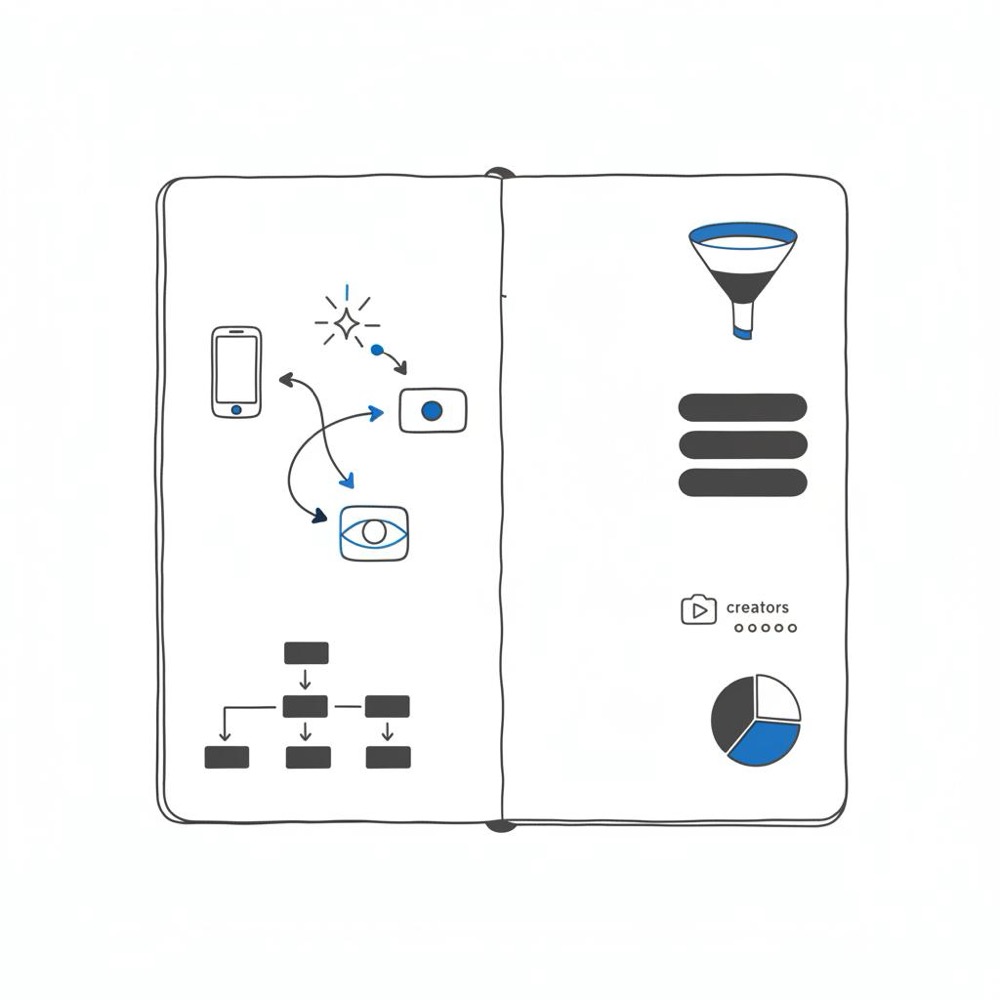
Use multiple vantage points:
- Platform metrics: CPM, CTR, video view rates, and ad relevance metrics.
- Server-side events: match conversions and revenue back to campaigns.
- Incrementality tests: holdout groups to estimate net new conversions.
- Cohort analysis: measure how ad exposure changes behavior over time, not just immediate clicks.
Real-world example: a DTC skincare launch
Imagine a small direct-to-consumer skincare brand launching a new serum. Their goals are purchases and brand lift. Here’s a practical plan:
Week 0 - Prepare native clips: 6-15 second before/after demos, a creator testimonial, a product-in-routine video, and a short educational clip about ingredients. Ensure vertical framing and natural lighting.
Week 1 - Launch broad In-Feed and Spark Ads with several creative variants. Keep audiences wide to surface intent clusters and winning creative.
Week 2 - Shift spend to the creator testimonial and best-performing product-in-routine clip. Start a small TopView for three days to push awareness in target regions.
Week 3-4 - Run an incrementality test: pause paid amplification in a control region to measure true lift. Use retargeting sequences for users who watched 50%+ of a video but didn’t convert.
Pattern you’ll likely see: In-Feed and Spark deliver most immediate purchases; TopView increases branded searches and referral traffic that helps retargeting convert later.
Tactical gaps that kill performance
Common issues we see:
- No rights to boost creator posts: you pay for creation but can’t amplify it-losing the efficiency of Spark Ads.
- Narrow targeting too early: prevents discovery and slows creative learning.
- No cadence for creative iteration: campaigns become stale and CPMs rise.
Fix these and you’ll see better returns on the same budget.
Creative examples and hooks that work
Some hooks that regularly outperform:
- Quick transformation: 0:00-0:06 show problem, 0:06-0:12 show result.
- Honest reaction: creator tries the product and reacts in real time (Spark-friendly).
- How-to in one move: show one simple routine step that users can copy.
- Price shock: show value quickly ("less than your morning coffee")-but keep it authentic to the creator voice.
How to decide which TikTok ad formats to use
Match format to objective:
- Conversion & direct response: In-Feed, Spark Ads, and Collection/Playable formats.
- Awareness & cultural moments: TopView, Branded Hashtag Challenge, and premium placements.
- Lead capture: Lead Gen and simple landing pages optimized for mobile.
Common measurement pitfalls
Watch out for these:
- Over-reliance on last-click: misses the full path of influence.
- Ignoring view-through windows: many conversions are driven by visibility and delayed purchase behavior.
- No baseline: without a control or historical baseline, you can’t measure incrementality.
Practical tips you can use tomorrow
- Make every creative plausible as an organic post. If it reads as an ad at first second, you’ll lose attention.
- Test audio: try a native voiceover versus a trending track and watch which wins.
- Start broad with targeting and narrow when patterns appear.
- Negotiate rights to boost creator posts whenever possible.
- Reserve 10-15% of budget for opportunistic boosts when content goes viral.
How to measure success: KPIs that matter
For conversion campaigns, prioritize CPA, ROAS, and purchase volume. For awareness, track reach, frequency, and branded search lift. Always pair platform metrics with server-side revenue data to avoid over-counting conversion credit.
When to use a Branded Hashtag Challenge
Choose a Branded Hashtag Challenge when you want participatory content and earned impressions. Keep the mechanics simple, choose creators early, and back the launch with seeded posts plus a Spark amplification plan for the best chance at cultural lift.
Legal and brand safety notes
Always document creator usage rights, clarify disclosure expectations, and keep an eye on claim language (e.g., health claims in skincare). These small legal steps prevent larger headaches later.
Final checklist before you launch
- Creative: native look, 6-15s variants, clear hook.
- Targeting: start broad, limit exclusions.
- Measurement: set short and long attribution windows and plan an incrementality test.
- Contracts: secure rights to Spark boosting.
- Budget: reserve funds for premium placements and opportunistic boosts.
Closing examples and a final practice
TikTok rewards curiosity, honesty, and the ability to fit into the platform’s conversational style. If your approach treats people as participants rather than interruptions, you’ll have a much better chance of converting attention into action.
Want a quick, no-hype review of your TikTok creative calendar? If you’d like a partner to audit your creative pipeline or assess how your creator contracts handle paid amplification, Orvus offers pragmatic audits and testing calendars tailored for brands that need clear results.
Key takeaways: In-Feed and Spark Ads generally drive the strongest direct-response outcomes. Premium formats create awareness that powers downstream conversions. Test fast, start broad, and always pair platform metrics with server-side data or incrementality tests to know what truly worked.
Remember: people on TikTok are people first. Treat the platform as a place to enter a conversation, not a stage to interrupt.
In most cases, In-Feed ads and Spark Ads deliver the fastest direct-response conversions because they live in the feed and preserve a native feel. Success still depends on creative, offer, and landing experience. For immediate purchases, prioritize In-Feed and Spark with strong hooks and a seamless checkout.
Start with a simple, low-friction idea that users can copy. Partner with creators early to seed the challenge, provide clear instructions, and use premium placements or Spark boosting to kickstart visibility. Set KPIs that match your goal-participation, impressions, or search lift-and make the mechanics easy to follow.
Yes. Orvus helps small and mid-sized brands build repeatable creative testing pipelines, negotiate creator rights for Spark boosting, and run pragmatic incrementality tests. If you want a tailored audit or a testing calendar, reach out to Orvus for a practical, no-hype review.
References
Want this kind of work done for your business?
We build and run AI-powered marketing and automation. 15 minutes, honest assessment.
Book a call