 Orvus
OrvusWhat kind of ads are most successful on Facebook?
December 3, 2025
What kind of ads are most successful on Facebook? If you’re deciding how to spend your next ad dollar, the answer depends on the place in the funnel and the creative you pair with it. In this guide you’ll get a practical playbook-what to use, when to use it, and how to structure campaigns so each format does what it does best. We’ll focus on the most reliable options and keep the jargon light so you can act fast.
Why ad format choice matters - and how to think about it
Ad format is more than a box you drop an asset into. Different Facebook ad formats shape how people experience your message: a short vertical Reel grabs attention and motion; a carousel invites exploration; a collection or Instant Experience creates a mini-storefront inside the app. Choosing the right Facebook ad formats means matching format job to funnel stage-awareness, consideration, conversion-and designing creative that fits the way people scroll.

Attention is the scarce resource
People scroll fast. That means the first few seconds of any asset decide whether someone stops or keeps going. That simple fact drives why certain Facebook ad formats win at different moments: Reels for reach, carousels for exploration, and collection or dynamic product ads for shopping intent. If your creative fails the small-screen readability test, format choice won’t save it.
Tip: If you want help matching formats to business goals, consider contacting Orvus for a quick funnel review-no jargon, just practical next steps.
A 6‑second Reel can win for awareness and reach, but it rarely replaces the deeper information and decision cues that carousels and collection ads provide; the best outcomes come from using a short Reel to attract attention, then retargeting with carousel or collection formats that drive purchase.
Short answer: sometimes. A 6‑second Reel can win at top‑of‑funnel reach and attention, especially for strong visual hooks, but it rarely closes the whole sale by itself. The best sequences use short Reels to drive awareness, then follow with carousels or collection ads to deepen interest and reduce friction toward purchase.
Reels are the engine for broad visibility right now. Meta’s algorithms treat Reels as native content, which often means wider distribution and better organic-like engagement than static posts. Use Reels when your primary goal is reach, brand lifts, or seeding interest among lookalike audiences.
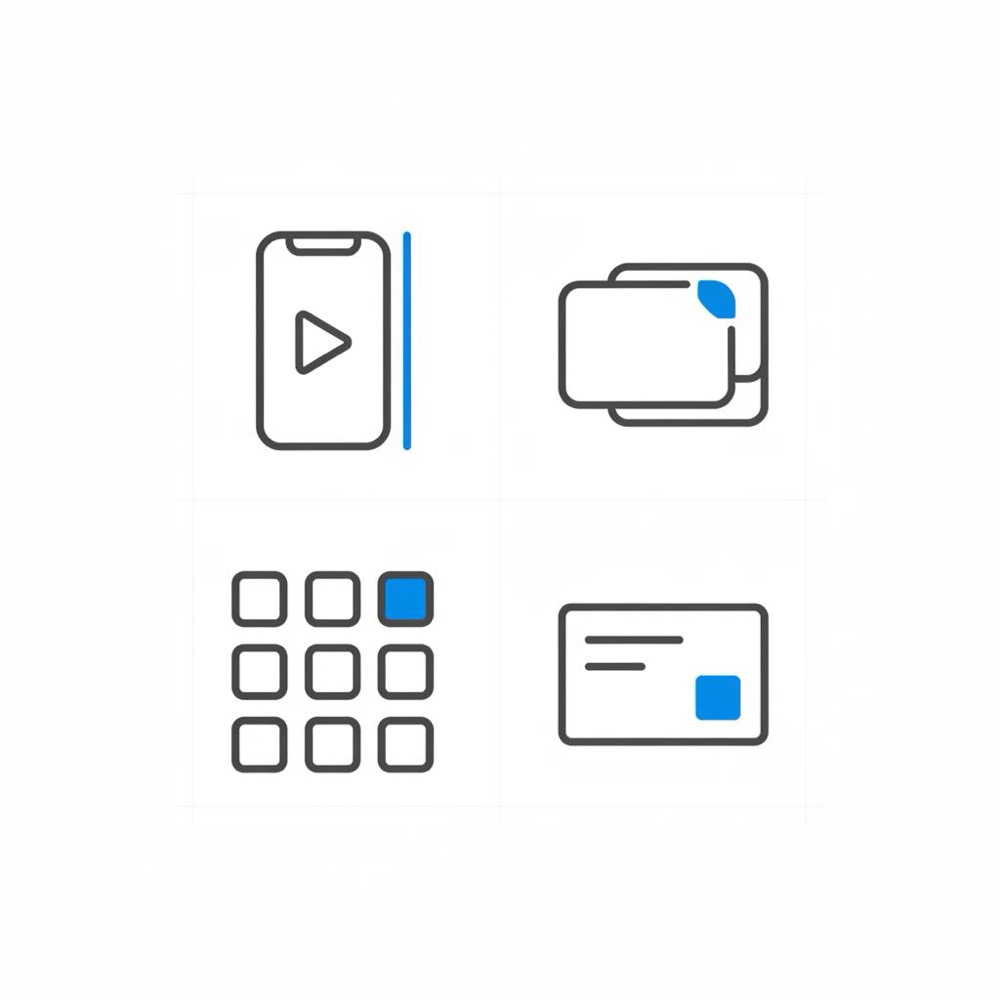
Practical Reel rules
Hook in 0-3 seconds: Start with a surprising visual, a quick question, or a clear promise. Without a hook, people keep scrolling. Vertical first: build 9:16 assets so the frame is full and immersive. For details on sizing and best practices, see this Facebook ad size guide. Sound matters: many people watch with sound on for Reels-choose music and voice that amplify your message. Captions: always include readable captions for silent viewers.
Reels should be short and energetic-10-20 seconds often hits the sweet spot for awareness. Their job is to get someone curious enough to remember your brand or click through to learn more. Pair Reels with a logical next step: a carousel that explains product benefits, a Lead Ad to capture an interested email, or a collection ad that invites a browse.
Carousels and dynamic product ads: how to drive consideration
Carousels let you tell a short visual story across cards. Use one card to outline the problem, the next to show the solution, another for social proof, and finish with a clear CTA. For ecommerce, carousels and dynamic product ads are often the best performing conversion drivers because they show variety-sizes, colors, complementary items-and they keep exploration inside the feed.
Dynamic product ads scale this approach by automatically populating cards with catalog items tailored to the viewer. That personalization increases relevance and reduces manual creative work-both important for busy teams.
How to write carousel cards that work
Balance emotion and utility. Use a lifestyle close-up on the first card to grab attention, then switch to a product detail, a size or fit note, customer quote, and finish with a specific CTA like “Shop this look.” Keep each card readable on small screens and avoid long copy. For dynamic ads, ensure your catalog contains clear images, accurate titles, and concise prices-these small data improvements raise performance.
Collection and Instant Experience: mini storefronts inside the app
Collection and Instant Experience ads create a mobile-first browsing experience that feels like a tiny storefront within Facebook. They reduce load times and limit the friction caused by redirections, which is crucial for mobile shoppers. When you want people to browse multiple SKUs quickly, collections convert well. For a deeper dive on collection formats and setup, check this guide to Collection Ads.
Design tip: use a strong hero image or video that frames the assortment. Then organize the products below with clear imagery and quick load behavior. Think of the collection as the email landing page inside Facebook-fast, focused, and built to convert mobile-first attention into buying behavior.
Lead Ads: simplify signups and capture intent
Lead Ads keep the form inside the platform and pre-fill fields when possible. That low-friction setup is ideal for B2B demos, free consultations, discount codes, or webinar registrations. The trick is a clear, compelling value exchange: tell people why it’s worth sharing their email and follow up quickly.
Design forms with minimal required fields-name, email, and one qualifying question-and offer an immediate, personal follow-up. Incentives work, but the follow-up experience matters more: slow or generic responses kill the lead’s momentum.
How to structure campaigns by funnel stage
A simple, predictable structure keeps reporting clean and tests meaningful. The basic pattern most teams use today is:
Top-of-funnel: Reels and short video for reach and engagement.
Mid-funnel: Carousels, dynamic product ads and collection formats for consideration.
Bottom-of-funnel: Conversion-optimized ads, catalog sales and direct CTA creatives for purchases.
Separate campaigns and budgets by stage so you can read performance without cross-contamination. If everything runs under one campaign you’ll struggle to answer what’s driving lift.
Creative rules that actually help
Across all Facebook ad formats, some creative rules are always true:
- Front-load your idea: lead with the most important message.
- Keep text minimal: small screens don’t reward dense blocks of text.
- Design mobile-first: assume everyone is viewing on a phone.
- One CTA per conversion ad: don’t confuse people with competing asks.
Test thumbnails and hooks, rotate assets frequently, and retire poor performers quickly. That keeps frequency low and freshness high.
Testing frameworks that scale
Run controlled A/B/n tests where possible. Test one variable at a time-hook, thumbnail, CTA or creative length-and give each test enough time to collect meaningful data. A reliable pattern is to refresh top-of-funnel creative every 2-4 weeks while keeping mid- and bottom-funnel assets stable until performance degrades.
A practical ad sequence that works for small brands
Here’s a tested sequence that many small ecommerce brands use successfully:
- Launch a set of 10-20 second Reels with multiple hooks for reach.
- Retarget engaged viewers with a carousel showing 3-4 featured SKUs and benefits.
- Serve a collection ad to clickers so they can browse without leaving the app.
- Follow up with a conversion ad for cart abandoners with a clear limited-time offer.
- Use Lead Ads selectively to capture emails from viewers who watch full tutorials or who engage deeply with value content.
That sequence uses each format for its job: Reels for attention, carousels for information, collection for discovery, and conversion ads to finish the sale.
Measurement caveats and robust approaches
Meta provides many signals, but privacy changes and cross-device behaviors create gaps. Relying solely on platform-reported conversions can mislead. To improve confidence, combine these approaches:
- Server-side tracking: use Conversions API to recover lost browser signals.
- Incrementality tests: holdout groups, geo-tests, or small randomized controls to measure real lift.
- Relative performance: compare creatives and formats against each other rather than trusting absolute counts.
When in doubt, run a small RCT (randomized control trial) or geo-test before scaling spend. Those controlled experiments reveal the true causal impact of your creative and format choices.
Budget allocation and creative cadence
Allocate money to formats that show positive, consistent trends but keep a testing reserve. A simple split many brands use is: 60% performance (mid- and bottom-funnel formats), 30% awareness (Reels and video), 10% experiments. Adjust by business model: early-stage brands may invest more in reach to build audiences, established brands may favor conversion formats.
Creative cadence matters: refresh Reels every 2-4 weeks, keep mid-funnel assets longer, and rotate conversion ads when performance drops. Track frequency and creative decay: if CPM or CPC rises and CTR falls, refresh.
Real examples and specific tips you can use today
Concrete rules that often move metrics:
- Front-load the hook in Reels within the first 3 seconds.
- Use 9:16 vertical assets for Reels and mobile-first placements.
- Keep conversion creatives focused on one CTA and remove competing elements.
- For Lead Ads, collect only the essentials and promise an immediate personal follow-up.
- For carousels, mix lifestyle and product close-ups for emotion and clarity.
See some illustrative case studies on our projects page if you want examples of sequences that worked in-market.
Quick creative checklist
Vertical video: yes. Readable text: yes. Captions: yes. Short hooks: yes. Multiple variants: yes-test at least three hooks per campaign.
Common mistakes teams keep making
Two missteps repeat often:
- Treating Reels like a one-size-fits-all conversion mechanic. Reels are great for reach, but they seldom replace conversion-focused formats.
- Creative fatigue. Running the same asset for months reduces impact-freshness matters.
Fix both by designing sequences where each format has a clear role and by maintaining a steady creative refresh schedule.
When to pick which format - a quick decision guide
Use this short checklist:
- Goal: awareness → pick Reels.
- Goal: product exploration → pick carousels or dynamic product ads.
- Goal: fast mobile purchase → pick collection or Instant Experience.
- Goal: lead capture with low friction → pick Lead Ads.
Experiments you can run this week
Try this simple test: adapt the same creative idea into two formats-a 12‑second vertical Reel and a static feed image-and run them to the same audience. Measure reach, engagement and downstream conversion. If Reels outperforms in reach but carousels or collection ads outperform in conversion, you’ve validated the classic pattern.
Another test: run a small geo holdout where half the region sees your new creative sequence and the other half does not. Compare lift in sales or leads after a two-week window.
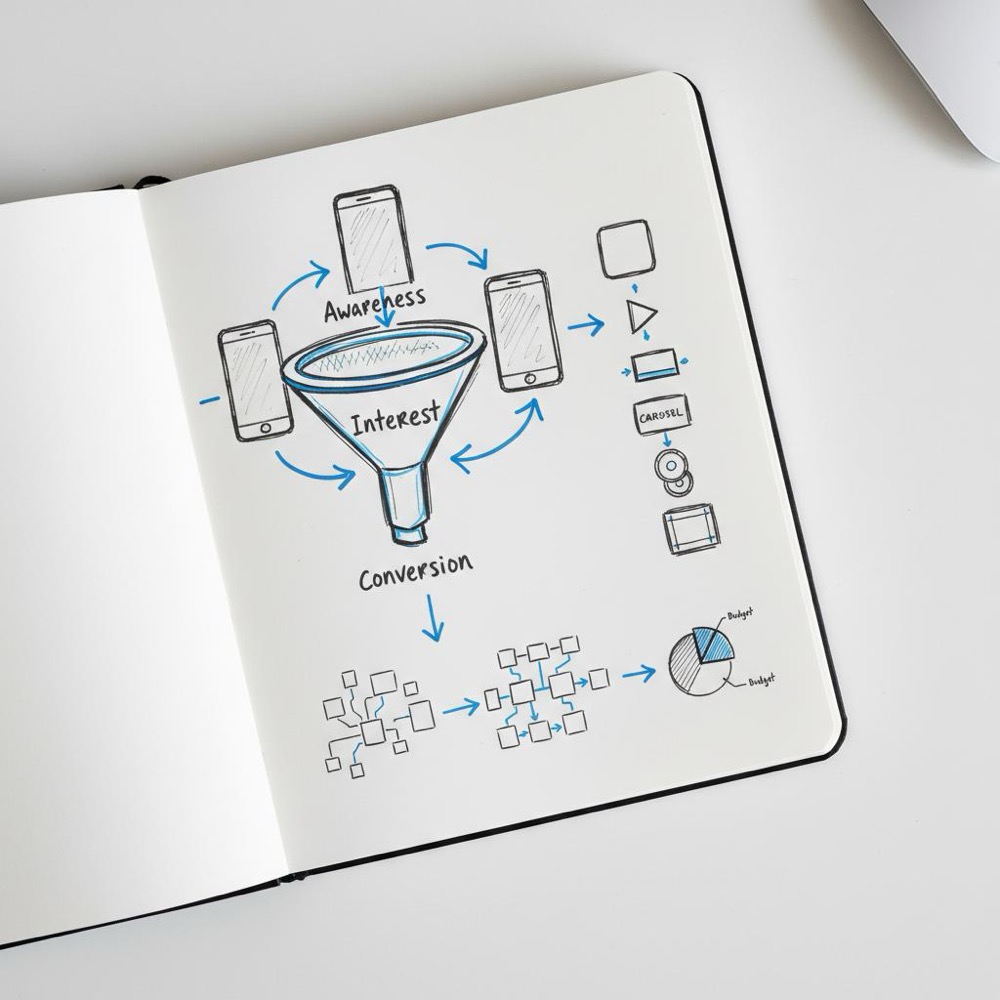
A DTC apparel brand we worked with ran a 12‑second unboxing Reel that generated the broadest awareness they’d seen. But the Reel alone didn’t move the needle on sales. When we retargeted the same audience with a carousel highlighting fit, fabric and a customer quote, conversion rose sharply. The lesson: let each of the Facebook ad formats do its job and link them for a complete journey.
Checklist: before you launch
Run through this checklist:
- Is your first 3 seconds strong on Reels?
- Are image and video assets mobile-optimized (9:16 where possible)?
- Do carousels combine lifestyle and detail shots?
- Are Lead Ads minimal and promise immediate follow-up?
- Is server-side tracking enabled (Conversions API) to improve signals?
- Have you set separate budgets for funnel stages?
How to read performance without getting misled
Look at relative lifts and run controlled experiments. If you see a drop in tracked conversions after a targeting change, test with a holdout group before assuming the platform or creative is broken. Use a mix of on-platform data and server-side events to triangulate results.
Closing advice - how to turn formats into a reliable engine
Facebook ad formats work best when they’re part of a disciplined sequence: use Reels to get in front of people, carousels to tell the story, collections to let them browse, and conversion ads to finish. Keep tests simple, measure relative performance, and refresh creative often enough to avoid fatigue.
Want one simple test plan for your ad funnel?
Ready to get a second pair of expert eyes on your Facebook funnels? If you want a practical, no-nonsense review of which Facebook ad formats to prioritize for your goals, get in touch with Orvus and we’ll map a tight, measurable test plan together.
Done well, ads stop feeling like an expense and start feeling like a conversation-so design the sequence, test with discipline, and let each format do the job it was built for.
For ecommerce, carousels, dynamic product ads, and collection formats usually convert best because they let shoppers compare SKUs and move from discovery to purchase quickly. Reels are excellent for awareness but typically need to be paired with a carousel or collection to close the sale.
Reels can sometimes convert directly if your product-market fit is strong and checkout is frictionless, but they are most reliable as top-of-funnel tools. Pair Reels with mid- and bottom-funnel formats like carousels and collection ads to reliably drive conversions.
Orvus offers practical audits and test plans that match creative to funnel stage, recommend the best Facebook ad formats for your goals, and set up measurable experiments. They focus on speed, clarity and revenue-driven outcomes while keeping tests simple and actionable.
References
Want this kind of work done for your business?
We build and run AI-powered marketing and automation. 15 minutes, honest assessment.
Book a call