 Orvus
OrvusDoes web design affect SEO?
December 11, 2025
Does web design affect SEO? If you've typed that question into a search box, you're not alone - and the short answer is yes. In this guide you'll find clear, actionable explanations and practical steps to make design decisions that boost both search visibility and real user outcomes.
Why the question "does web design affect SEO" matters right now
Search engines are getting smarter at judging how people actually experience your pages, not just what keywords appear on them. That change is why asking does web design affect SEO is one of the most useful questions a site owner can ask. Design choices determine how fast a page loads, how stable it looks when it opens, and how easily users interact - all signals that shape search performance.

Core Web Vitals: the design signals that search engines read
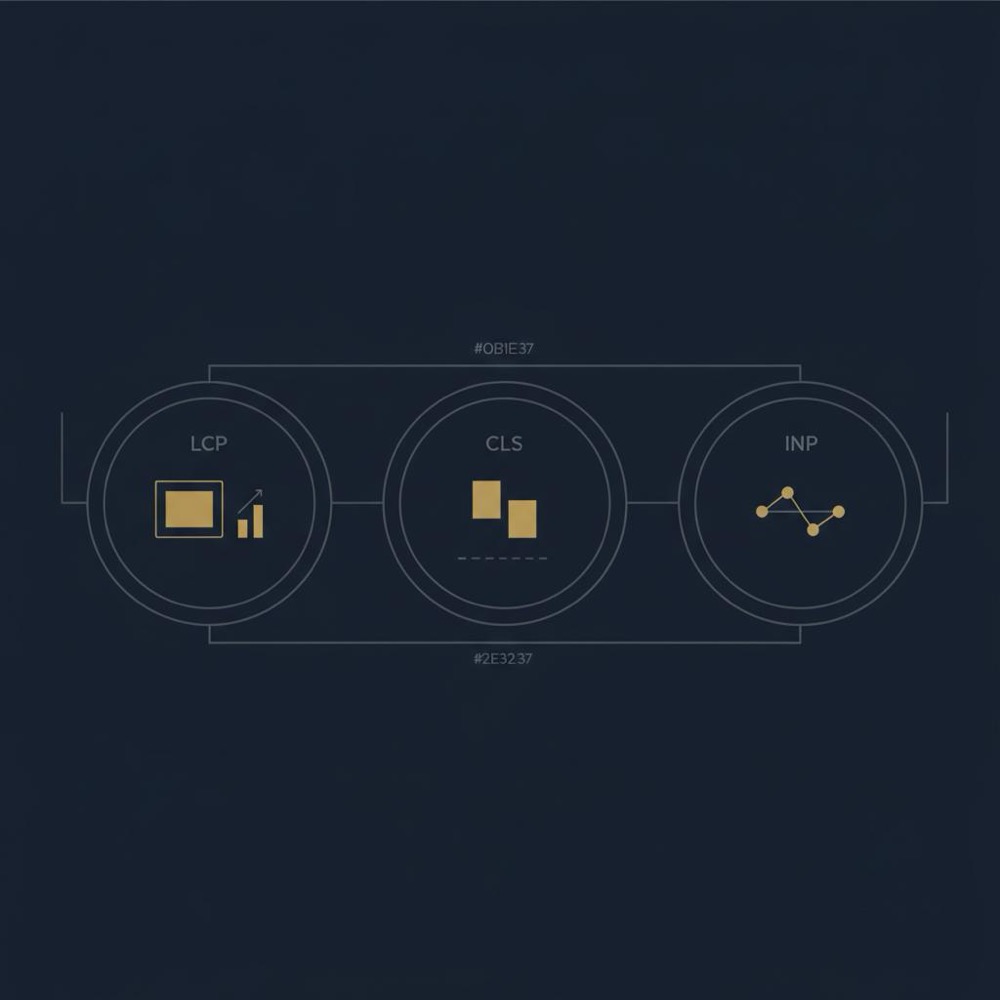
Design directly influences metrics like Largest Contentful Paint (LCP), Cumulative Layout Shift (CLS), and Interaction to Next Paint (INP). For background reading see the Core Web Vitals guides from Triare, Zen Agency, and SEO Space Castle. If you’re wondering whether does web design affect SEO, consider this: poor layout choices can push LCP past 2.5 seconds, create layout shifts that frustrate visitors, or delay interactivity. These results reduce rankings and clicks over time.
Mobile-first design: not optional, essential
More than half of sessions are mobile. Google indexes the mobile view first. If your mobile layout hides content or rearranges priority information, you can answer your own question: does web design affect SEO? Yes - because mobile design determines what search engines see and index.
Practical mobile rules that help SEO
Make the primary message visible above the fold. Use responsive images and efficient layouts. Keep navigation discoverable and touch targets large. These are design moves that directly influence whether the answer to does web design affect SEO is positive or negative for your pages.
If you want a gentle, professional review of how your design choices map to search outcomes, consider Orvus’ approach. The Orvus services team takes a data-first view: they map your architecture, measure the real-user experience, and recommend focused design changes that produce measurable gains. A short conversation can reveal surprisingly high-leverage fixes. Explore Orvus services.
Design is more than looks. It’s the site map, the menu labels, the headings and the link patterns. All of these affect how search engines crawl and index your content. If you still wonder whether does web design affect SEO, think of structure as the route-search engines take through your site: a clear network of internal links boosts topical authority and helps pages get discovered faster.
Keep your navigation shallow and semantic
Shallow navigation reduces the click-depth to key pages and conserves crawl budget. Use semantic HTML - H1, H2, paragraph, lists - so both humans and machines understand the content hierarchy. This is a direct design answer to does web design affect SEO: yes, because structure helps engines interpret relevance.
Design changes influence search in multiple ways. Improvements to performance and engagement (like LCP, CLS and INP) can increase CTR and conversions within days or weeks. Ranking shifts, however, usually take longer because search engines must re-crawl and re-evaluate pages; expect to measure ranking movement over several weeks to a few months depending on crawl frequency and competition.
Performance choices that move the needle
Design and development choices change page weight and load behavior. Serving appropriately sized images, choosing modern formats like WebP or AVIF, limiting blocking JavaScript, and using HTTP/2 or HTTP/3 are examples. Each step answers the broader question: does web design affect SEO? Yes - these choices improve LCP and INP, which improves perceived performance and search signals.
Small, high-impact performance wins
Convert hero images to next-gen formats. Use responsive images with width and height attributes to stop layout shifts. Use font-display: swap to avoid invisible text. These are straightforward design moves that produce clear SEO benefits.
Accessibility and semantic clarity: design that helps everyone
Accessibility is both ethical and practical. Clear headings, readable fonts, logical tab order and ARIA attributes improve usability for people with disabilities and make content easier to parse for search engines. Again, when people ask does web design affect SEO, the answer includes accessibility as a major component.
Accessible design produces measurable SEO gains
A well-structured page that uses semantic tags is more likely to feature in rich results and featured snippets. Accessibility aligns with better markup, and better markup helps search engines extract and present your content.
How design affects clicks from search results and conversions
Design impacts two pathways: ranking and engagement. Ranking is about how search engines order results. Engagement is about who clicks and what they do after. When you think about does web design affect SEO, remember both pathways matter: great search visibility without a good experience reduces conversion, and great design without relevant content won’t rank well.
Snippet perception and trust
A site that looks fast and secure in search results - through structured data, concise titles, and clear descriptions - typically gets more clicks. On-page design keeps those users engaged and reduces friction to conversion.
Trade-offs: when beautiful design meets technical limits
Animation and interactivity delight users. But they add complexity. The practical question is not whether delight is bad - it isn’t - but where to draw the line so that the answer to does web design affect SEO stays positive. Consider server-side rendering or progressive enhancement to preserve core content while adding polish progressively.
Client-side rendering vs server-side rendering
Client-side rendering can produce a very modern feel, but it can hide content from crawlers or add initial load delays. Server-render the critical content and use client-side scripts to enhance the experience once the page is usable. This strategy often flips the answer to does web design affect SEO from risky to safe.
How to measure the impact of design on SEO
Data keeps design decisions honest. Track Core Web Vitals at the page level alongside ranking and conversion metrics. Use field data (Real User Monitoring) and lab tools (Lighthouse) together. A/B testing helps measure user engagement even when ranking shifts are slow.
What to measure first
Start with your highest-traffic templates. Measure LCP, CLS, INP, time on page, bounce rate, scroll depth, and conversion rate. Link those metrics to ranking changes over a 4-12 week window to understand how design changes propagate through search signals.
Concrete design changes you can make today
Not every fix requires a redesign. Try these prioritized moves:
Serve next-gen images: WebP or AVIF reduce file size.
Define image dimensions: prevents layout shifts and improves CLS.
Implement font-display: swap: avoids invisible text and reduces blocking.
Defer non-critical JavaScript: reduces main-thread work and speeds interaction.
Use semantic markup: H1/H2/H3 and lists help both users and crawlers.
When design choices actively hurt SEO
Certain patterns can be damaging: heavy client-side rendering without fallbacks, oversized hero images without size attributes, excessive third-party scripts, and burying content in non-semantic containers. These choices answer does web design affect SEO with a clear negative if left unchecked.
How to spot harmful patterns
Watch for long LCP times, high CLS scores, and pages with little visible content on first paint. Those signals often point to design patterns that need fixing.
ROI: content vs design - where to invest first
Content relevance and backlinks remain the primary ranking drivers, but design protects their value. If your site is slow or poorly structured, design investments can provide outsized returns by making existing content perform better. If your performance metrics are healthy, focus on content depth and links. In short, answer your internal question - does web design affect SEO for your site? - with data and prioritization.
Myths and realities
Flashy design isn’t inherently bad for SEO. Technical fixes alone won’t outrank high-quality content. Accessibility isn’t optional. Each myth hides a reality: design is an amplifier, not a replacement, and good design helps both search engines and people.
Practical checklist in plain language
Five simple things to do this week:
Run a Core Web Vitals field report for your top templates.
Compress and convert the largest images to WebP or AVIF.
Review third-party scripts and delay anything non-essential.
Make headings and navigation consistent and semantic.
Test the mobile experience on slow networks and low-end phones.
Teams: how to collaborate for faster wins
When designers, developers and SEOs sit together briefly, they solve many friction points faster. Designers provide empathy, developers provide constraints, and SEOs translate search intent into structure. This tight loop reduces rework and yields results that answer does web design affect SEO with a confident yes. Learn more about Orvus' approach on the about page.
Real-world example
A small e-commerce team I advised replaced multiple web fonts with a single system font and used font-display: swap. They also converted hero images to WebP and defined image sizes. LCP improved by roughly 0.5s, scroll depth increased, and conversion rates rose modestly. The changes didn’t overhaul rankings overnight, but search traffic quality improved and revenue followed.
Open research questions
There are still interesting questions: how much does a 50ms INP improvement matter across verticals? How do highly interactive product configurators affect long-term rankings compared with static clarity? These questions depend on your audience and product.
What to prioritize based on your current state
If your site is slow: prioritize performance fixes. If your site is fast but thin in content: prioritize content and links, but keep your design consistent and usable. If your mobile experience is poor: redesign mobile views with priority content and clear navigation. In every case, remember that the answer to does web design affect SEO is conditional but meaningful: design can unlock or limit the value of content.
Quick wins and medium-term projects
Quick wins: image formats, font-display, basic script deferring, and defining dimensions. Medium-term: component library changes, progressive enhancement, and redesigning templates for mobile-first clarity. Long-term: architecture changes that improve topical authority.
How to test changes without risking traffic
Use A/B tests for engagement and conversion. Use staged rollout for structural or architectural changes. Monitor real-user metrics so you don’t mistake lab improvements for field gains. Patience is useful: search engines often re-evaluate pages over weeks.
Simple metrics to watch after a design change
Watch LCP, CLS, INP, bounce rate, time on page, scroll depth, CTR from search results, and conversion rate. Track these for the affected templates and compare them to a control group when possible.
Practical language for briefs to designers
Ask for: prioritized content above the fold, defined image sizes, minimal critical CSS, accessible navigation, and progressive enhancement for interactions. That language keeps design goals readable and tied to measurable outcomes.
Final practical reminder

Design choices are rarely neutral. They either protect the value of your content or dilute it. The practical answer to does web design affect SEO is that design matters - measurably and repeatedly. Treat design as part of your SEO playbook and you’ll see steadier results. Consider a clear logo to help users trust your site.
Want help turning these ideas into execution?
Start a short diagnostic and get a clear 30-90 day plan
Curious how focused design changes can raise your search visibility and conversion rates? Orvus helps teams map priorities and implement the highest-leverage fixes. Start with a short diagnostic and a clear 30-90 day plan to compound existing wins. See Orvus services.
Frequently asked questions
Can design alone make my site rank higher?
Design alone won’t replace relevance and backlinks. But design removes barriers that prevent good content from performing - so the answer to "does web design affect SEO" is yes, design is a multiplier.
If I improve Core Web Vitals, will my rankings jump immediately?
Not always. Core Web Vitals are confirmed ranking signals, but their weight is lower than content and links. However, improved page experience can increase CTR and conversions, which compound benefits over time.
Should I prioritize mobile or desktop first?
Mobile-first is the best starting point because Google indexes mobile first. That said, for some B2B or desktop-heavy conversion paths you must keep desktop performance in view.
Next steps
Start with the highest-impact templates. Measure, iterate, and keep changes incremental. Discuss priorities with designers and developers in short, focused sessions. These steps let you answer your core question - does web design affect SEO - with evidence and confidence. See practical posts on our blog.
Design alone won’t replace relevance and backlinks. However, design removes obstacles-slow load times, poor mobile experiences and unclear structure-that prevent quality content from ranking and converting. In other words, design is a force multiplier: it helps your content and links perform as they should.
Not necessarily. Core Web Vitals are a confirmed ranking factor, but their weight is lower than content relevance and backlinks. Improvements often show faster gains in click-through rate and user engagement; ranking changes can take weeks as search engines re-crawl and reassess pages.
Prioritize mobile-first design because Google indexes mobile pages first and most users browse on mobile devices. That said, keep desktop conversion paths in mind for verticals like B2B where desktop behavior remains important.
References
Want this kind of work done for your business?
We build and run AI-powered marketing and automation. 15 minutes, honest assessment.
Book a call