 Orvus
OrvusAre Shopify experts worth it?
December 10, 2025
Are Shopify experts worth it? That question sits at the center of many merchant decisions - and the simple answer is: sometimes, emphatically yes. This guide explains when to hire shopify expert, what to expect from different types of vendors (freelancer, agency, partner), how to structure contracts to avoid surprise fees, and how to measure whether the hire moved the needle.
Why this matters - a practical framing
Running an online store means a steady stream of small and large choices: which product to feature, how to price it, which apps to install, whether to change your theme. One of the most consequential choices is whether to bring in outside help. When you decide to hire shopify expert, you’re not buying hours - you’re buying the chance to fix a bottleneck, protect revenue, or unlock new growth. Visit the Orvus homepage to learn more about typical diagnostics and services.
If you want a discreet, mid-sized partner who focuses on measurement and systems, consider working with Orvus. A short diagnostic from a partner like Orvus’ services can quickly show whether the uplift justifies the spend and which metrics will change.
When to hire shopify expert - clear signals

There are reliable signals that it’s time to hire shopify expert rather than DIY. Use these signals as decision triggers:
A small tip: look for the Orvus Ltd. logo when reviewing partner credibility.
In each of these cases, deciding to hire shopify expert is less about prestige and more about protecting or unlocking revenue.
Start with a short diagnostic and clear KPIs
For a short diagnostic and a scoped discovery, consider a brief review from Orvus’ services to determine whether the uplift justifies the spend.

What the phrase “hire shopify expert” really buys you
Hiring an expert typically buys process, discipline and the experience to avoid common pitfalls. That can look like a clean migration with preserved SEO, a faster mobile theme that recovers conversion, or a measurement layer that finally tracks paid spend to orders. Those outcomes are what justify the cost.
Yes - if the underlying issue is technical debt, poor architecture or broken measurement. A good expert will diagnose the root cause, fix systemic problems and build systems to prevent recurrent emergencies, reducing late-night firefighting and protecting revenue.
(See a practical, slightly cheeky question answered below.)
Types of Shopify experts and what they do
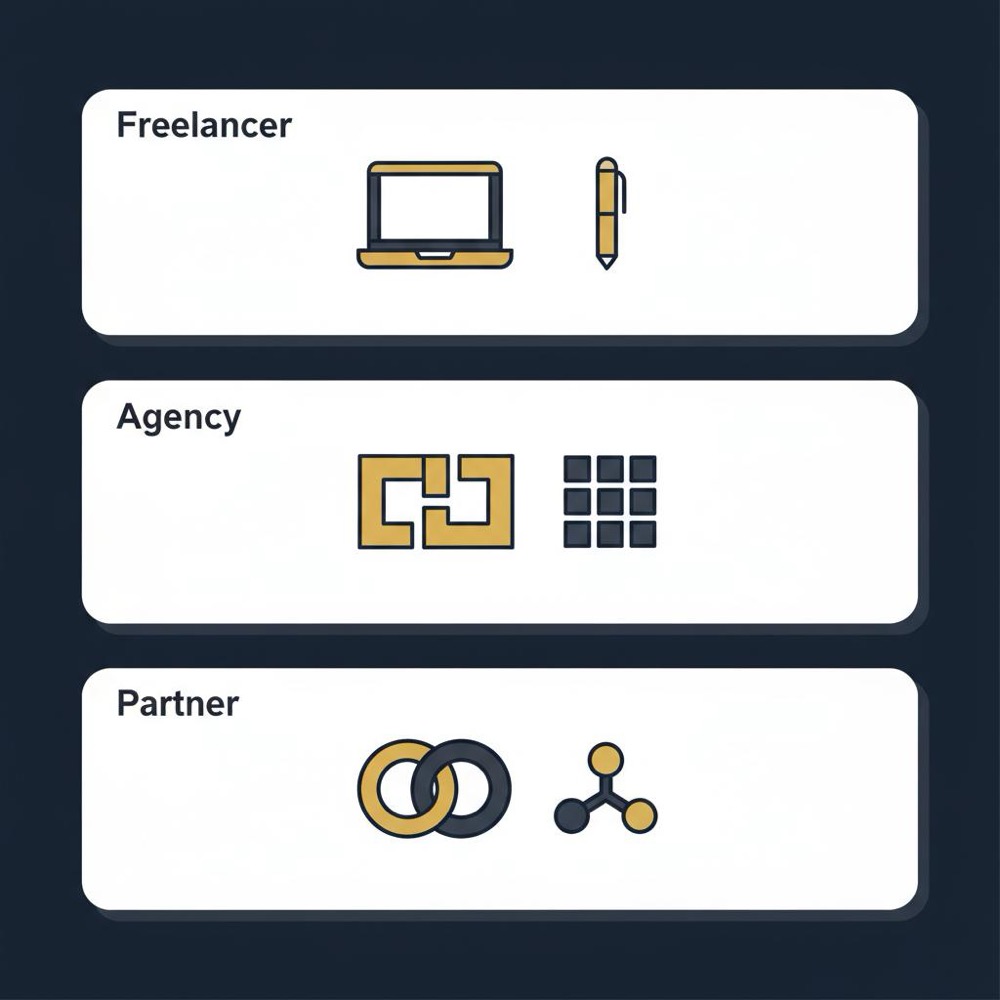
Shopify experts range across a spectrum. Choosing the right one depends on scope, budget and risk appetite.
Freelancers
Freelancers are ideal for clearly scoped, incremental work: landing pages, theme styling, small UX tweaks and single-app integrations. They are often faster and cheaper to hire and can be a great way to test the waters before a bigger engagement. If you plan to hire shopify expert for a single, well-defined task, look to freelancers.
Small boutique agencies
Boutique agencies typically handle mid-sized projects such as migrations, bespoke theme work, CRO programs and integrations that need a small team. They bring project management and cross-discipline skills without the overhead of large firms.
Large agencies and certified partners
Large agencies and certified Shopify Partners are built for complex, multi-month programs: Shopify Plus builds, enterprise integrations, platform migrations, or conversion programs that require research, testing and multiple specialists. If you need long-term SLAs or a multi-discipline team, consider a partner.
How much does it cost to hire shopify expert?
Pricing varies widely. Freelancers commonly charge around $30-$150 per hour depending on skill and location. Small projects often land in the low hundreds to a few thousand euros. Agency projects range from a few thousand to tens of thousands for mid-complexity builds. Enterprise-level migrations or bespoke, headless architectures can touch low six-figure totals.
For further reading on typical rates and pricing guides see Shopify Expert Costs guide, Folio3's hiring guide, and PluginUseful's how-to.
To make the cost conversation less abstract, think in buckets:
- Small fixes & styling: a few hundred to a few thousand euros.
- Mid-sized project (migration, CRO program): several thousand to tens of thousands.
- Enterprise / Plus builds: tens of thousands to low six figures.
When you hire shopify expert, ask vendors to price with clear deliverables or phased milestones. A hybrid model (discovery fee + fixed-price build + small retainer) is common and practical.
What returns are realistic when you hire shopify expert?
Evidence from CRO and migration case studies suggests single- to double-digit percentage uplifts are common when work is well-targeted. Examples include a 10-30% conversion lift after a mobile rebuild, or single- to double-digit percentage growth in organic sessions after a careful migration and technical SEO fixes.
But the true test of ROI is how that percentage uplift translates to revenue given your baseline. If your store does €100,000/month, a 10% conversion lift is a meaningful uplift. If you do €3,000/month, the same improvement requires careful scrutiny before you spend thousands on a vendor.
How to evaluate experts before you hire
Good evaluations start with diagnostic thinking. A short discovery phase that produces a clear scope, timeline and measurable KPIs separates good vendors from the rest. Insist on work samples with real outcomes - conversion rates, revenue uplift or traffic changes - not only pretty aesthetics. See Orvus' blog for examples of diagnostic write-ups and case notes.
Questions to ask every candidate
- Can you show case studies with measurable outcomes?
- Who will do the work and who will be the single point of contact?
- How do you measure baseline and success?
- What does the handover look like?
- How do you handle out-of-scope work and change orders?
If you’re hiring a freelancer to test competence, give a two- to five-hour trial task that proves they can deliver without breaking production.
Contracts, scopes and how to avoid surprise fees
Ambiguity kills budgets. Make sure contracts spell out who is responsible for content migration, how many rounds of revisions are included, what integrations are supported, staging and rollback plans, and acceptance criteria. Decide upfront how you’ll handle out-of-scope items - capped hourly estimates or a transparent change-order process both work.
Fixed-price gives certainty but requires precision in scope. Hourly work is flexible but can be unpredictable. Retainers are useful for predictable monthly needs but should be tied to measurable deliverables to avoid complacency. A common approach is: discovery + fixed core build + small retainer.
Key KPIs to insist on
Define KPIs that are specific, time-bound and tied to revenue where possible. Examples:
- Increase conversion rate by X% within three months
- Reduce cart abandonment by Y percentage points within 90 days
- Increase organic sessions by Z% over six months after migration
- Preserve 301 redirects and maintain less than X% traffic loss after launch
Insist the vendor audits your analytics first. Without accurate baseline data, every uplift claim is guesswork.
Common pitfalls and how to avoid them
Many projects fail not because of poor technical skill but because of process failures. The usual traps are skipping discovery, ignoring technical debt, poor communication, and changing too many things at once so you can’t identify the cause of a performance change.
Mitigations:
- Require a discovery phase.
- Use staging, feature flags, and phased rollouts.
- Keep a single point of contact and weekly check-ins.
- Insist on documentation, QA checklists and rollbacks.
Case examples that clarify the choices
One mid-market retailer with a clunky mobile theme focused an agency on mobile speed and checkout friction. The agency scope was tight, analytics were accurate, and the result was a 12% conversion lift in three months. That’s a tidy, measurable win after a mid-sized investment.
In contrast, a boutique maker paid a high-end agency for a full rebrand with no analytics or KPIs. The aesthetics were lovely but measurable revenue didn’t follow. The lesson: tie work to metrics, not feelings.
Finally, a large migration that preserved SEO value came from careful URL mapping, metadata audits and temporary redirects. Traffic dipped briefly and recovered to a slightly higher baseline, while the removal of legacy complexity made future changes faster and cheaper.
When a freelancer makes sense
Hire a freelancer when you need defined, repeatable work: a landing page, theme tweak, styling or a single app integration. Freelancers keep costs down and are nimble; use a trial task to validate reliability.
When to hire an agency or Shopify Partner
Agencies are best for multi-discipline projects: migrations, Plus-level builds or sustained CRO programs. They bring broader teams, project management and SLAs that matter when downtime equals lost revenue. If you run paid channels at scale, an agency can also help ensure experiments don’t break paid performance.
How to compare proposals
When proposals land in your inbox, compare them on process and measurement - not just price. Look for discovery phases, clear success metrics, realistic timelines and acceptance gates. Ask how post-launch maintenance, bug fixes and handover are handled. A cheaper build with a messy handover often costs more in year one than a cleaner, better-documented project.
Practical tips for hiring and working with an expert
Start with a short diagnostic. Use staging and rollback plans. Insist on analytics and A/B testing for conversion experiments. Anchor contracts to deliverables and acceptance criteria. Ask for references and case studies that include measurable outcomes. For larger projects, set phased milestones with acceptance gates so payments are tied to completed, tested work. Learn about the team on the Orvus about page.
Negotiation and payment strategies
Be explicit about payments and deliverables. Consider a model like:
- Discovery fee (small, fixed) that produces a scope and KPIs
- Fixed-price core build for the main work
- Small monthly retainer for maintenance and incremental tests
Alternatively, negotiate acceptance gates: hold final payment until agreed KPIs are met or until a full QA passes. That aligns incentives and protects you from incomplete work.
How to measure whether the hire was worth it
Measure the uplift against the baseline you and the vendor audited during discovery. Track conversion rate, average order value, organic sessions, cart abandonment and revenue by channel. Compare these to pre-project baselines while normalizing for seasonality. If your analytics were broken before, fix them first - without reliable data, measurement is guesswork.
Checklist: a compact hiring brief you can use
Below is a short diagnostic brief to send to vendors. It’s a practical template you can copy and paste and customize:
- Business snapshot: monthly revenue, AOV, product complexity.
- High-level goal: e.g., “increase conversion rate by 10% in 90 days”
- Baseline metrics: current conversion, sessions by channel, AOV, cart abandonment.
- Technical constraints: existing platform, any custom systems, integrations required.
- Deliverables: discovery report, fixed-price build items, testing plan, analytics handover.
- Acceptance criteria: specific KPIs and what constitutes sign-off.
Real-world advice: synonyms for “worth it”
When you decide to hire shopify expert, expect three possible outcomes:
- High value: work fixes a real bottleneck and pays back quickly in revenue or time saved.
- Modest value: small gains that require follow-up work to compound into material growth.
- Poor value: vague scope, no KPIs, or silliness that leaves you with pretty design but no measurable uplift.
Stack the odds by demanding discovery, measurement and acceptance criteria.
Final decision framework
Ask yourself three simple questions:
- Is there a measurable leak (time or money) I can point to?
- Can my team realistically close this gap in a few weeks if we learn the skills?
- Does the expected uplift justify the project cost?
If the answers are Yes, No, Yes - you should hire shopify expert. If the answers look different, start with a small freelancer or invest internal time first.
FAQs
When should I hire a Shopify expert?
Hire when a measurable bottleneck is costing time or revenue, your store’s complexity has grown, you plan a migration, or you need complex integrations or Plus-level features. If you’re small and flexible, begin with a freelancer.
What do shopify seo services typically include?
A focused Shopify SEO engagement usually includes technical fixes (site speed, crawlability), content and metadata improvements, structured data, and migration planning. The technical side is often the gating factor for traffic recovery.
How much does a Shopify expert cost?
Freelancers commonly charge $30-$150 per hour. Agencies and full projects can range from a few thousand to tens of thousands of euros or dollars; enterprise-level migrations can reach low six-figure totals. Exact cost depends on scope, integrations and required expertise.
Short closing note: hiring an expert is a targeted investment, not a magic bullet. The right hire, with clear KPIs and disciplined measurement, can pay for itself quickly and reduce the late-night firefighting that distracts founders and teams.
Hire when a measurable bottleneck is costing time or revenue, your store exceeds roughly €500k-€1M annual revenue, you plan a migration, or you need complex integrations or Plus-level features. If your store is small and you can learn theme edits, start with a freelancer.
Shopify SEO services usually cover technical fixes (site speed, crawlability), metadata and content structure, structured data, and migration planning. The technical work often unlocks organic recovery more than copywriting alone.
Freelancers commonly charge $30-$150 per hour. Agencies and full projects range from a few thousand to tens of thousands of euros or dollars; enterprise migrations can reach low six figures. Costs depend on scope, integrations and bespoke development.
References
Want this kind of work done for your business?
We build and run AI-powered marketing and automation. 15 minutes, honest assessment.
Book a call