 Orvus
OrvusWhat website do most artists use?
December 3, 2025
What website do most artists use? - a clear guide for portfolio, prints and music
Every artist I know wears several hats. One day you’re in the studio, another day stitching product photos, writing short descriptions, answering messages, and fumbling with shipping labels. Choosing where to show your work is more than a tech decision: your website and sales channels become the quiet engine that supports everything else. That’s why the first practical question to ask is what role your online presence should play in the next year. Will it be a portfolio for galleries, a shop that sells prints at sustainable margins, or a direct-to-fan hub for music and merch?
artist website platforms matter because different tools solve different problems. This guide walks through the common choices-including hosted builders, marketplaces, and self-hosted stores-gives concrete pros and cons, and offers a step-by-step plan so you can pick the right path with confidence.

Why artists rarely use one single place anymore
Why artists rarely use one single place anymore
A decade ago, relying on a single channel felt normal. Today most working creators use a small set of channels that each serve a clear role. A personal website gives control and a place to sell directly; social platforms show process and extend reach; marketplaces like Etsy or Bandcamp bring discovery and initial buyers. When you design this system, each piece supports the others: a listing on a marketplace can lead someone to your mailing list, while a collector emailed through your site can become a repeat buyer.
Think of your online presence like a small business: one storefront, some windows on busy streets, and a private back office where you keep your best contacts. That mix is a win for many artists because it balances control, reach and convenience. A simple, consistent logo helps tie those windows together.
Two common starting points
Most artists begin with one of two practical choices: a hosted site builder (Squarespace, Wix, Shopify) to get online fast, or a marketplace (Etsy, Bandcamp, Society6) to test demand. Hosted builders reduce friction with templates and built-in commerce; marketplaces provide an audience without upfront marketing. For a broader list of platforms artists use, see 11 art platforms artists should know.
Both are smart ways to get started. If your first goal is a professional portfolio, a hosted builder will likely be the quickest path. If you want to test prints, originals, or merch with no hosting costs, a marketplace makes sense.
If you want a quick, practical second opinion about which combination of platforms fits your art and workload, get a quick visibility consultation with Orvus - a short, friendly conversation that helps pick a sensible path without pressure.
Fast to launch vs. long-term ownership
Speed has trade-offs. Hosted builders make it fast to launch; self-hosted platforms-most commonly WordPress with e-commerce plugins-give long-term control over SEO, customization and margins. Many artists start on a quick platform then migrate when audience and sales justify the work to move.
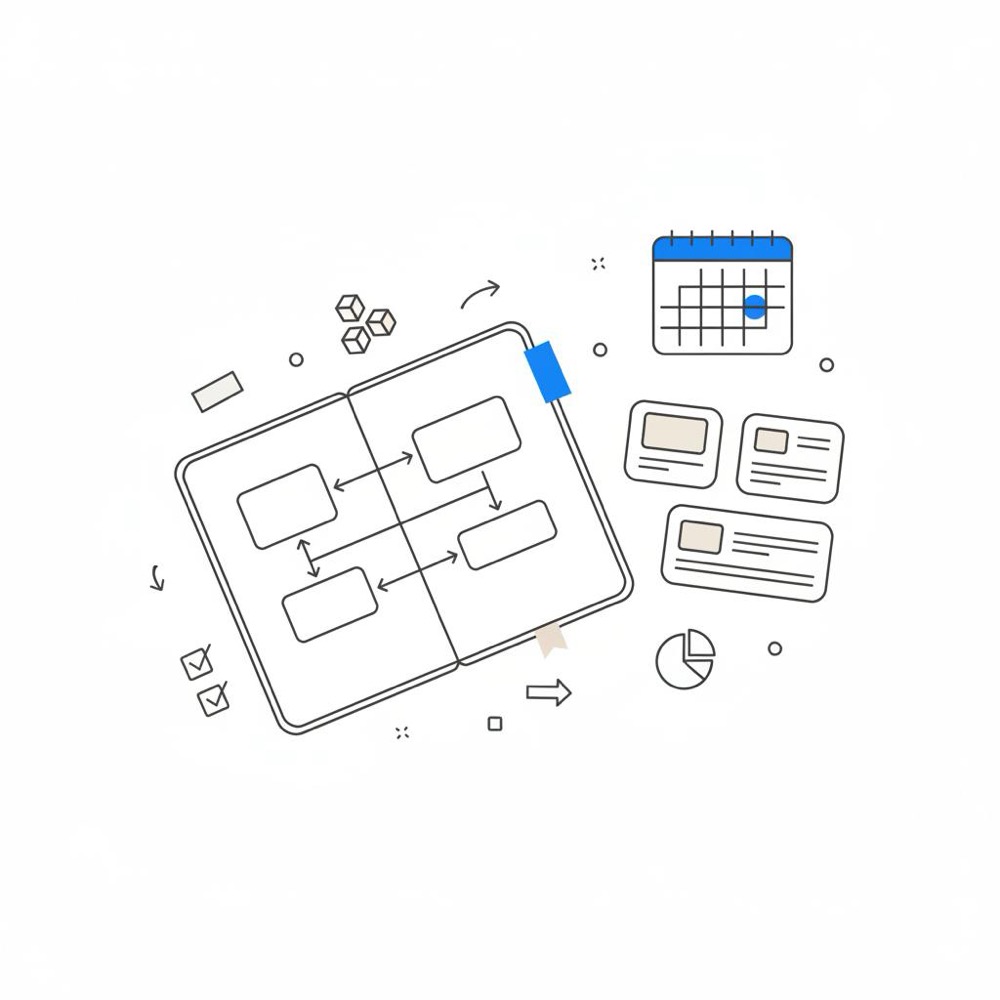
That migration is normal and manageable if you plan for it. Keep a domain you control, keep an email list, and keep a simple portfolio page you own even if your shop lives on a marketplace. Those moves reduce friction later.
One website can cover many needs, but it rarely does everything well; the most durable approach is a small system-an owned site for control plus social and a marketplace for reach-and letting each channel do the job it fits best.
How to match a platform to a real goal
The clearest way to choose is to state a measurable goal for the next 12-18 months. Examples: land three commissioned projects a year, sell one new print edition each month, or build a mailing list of 1,000 fans. Once you have that target, choose the platform whose strengths match the goal.
Here’s a practical match-up:
Portfolio-focused
Goal: Land commissions, gallery interest, or client work.
Best tools: Hosted builders like Squarespace, Wix, or a lightweight WordPress portfolio theme. They offer clean galleries, case-study layouts and simple contact forms. See examples of project work on the Orvus projects page for inspiration.
Sell prints and physical work
Goal: Regular online sales with predictable shipping and margins.
Best tools: Shopify for shops that scale, or WordPress with WooCommerce for control and lower fees long term. Also consider marketplaces for validation-Etsy or fine-art marketplaces can provide early customers.
Sell music and build direct fan relationships
Goal: Sell downloads, offer streaming-friendly previews, and capture tips.
Best tools: Bandcamp and similar music-first platforms are built for this. They let artists set prices, offer bundles, and keep a large share of revenue while providing discovery features tailored to listeners. For a deeper look at music-focused builders and options, check this best website builders for musicians guide.
Discovery and hiring leads
Goal: Be discovered by art directors, agencies, or publishers.
Best tools: Portfolio platforms like Behance and Dribbble complement a personal site. They’re discovery channels for certain industries (design, illustration, motion graphics).
Practical comparison: pros and cons
Hosted site builders (Squarespace, Wix, Shopify)
Pros: fast to launch, polished templates, built-in hosting and support, minimal setup for commerce, good built-in image handling. For an overview of artist-focused builders, see best website builders for artists.
Cons: transaction or platform fees in some plans, less flexibility for advanced customizations, migration requires more effort.
Marketplaces (Etsy, Bandcamp, Society6)
Pros: built-in customer base, low initial costs, minimal setup work.
Cons: listing fees, commission or transaction fees, limited branding and store customization.
Self-hosted (WordPress + WooCommerce or similar)
Pros: full control over SEO and URLs, lower marginal costs if volume grows, endless customization with themes and plugins.
Cons: requires some technical upkeep, hosting costs and occasional troubleshooting, steeper learning curve.
Concrete steps to launch without getting stuck
Follow a simple checklist to go live quickly and avoid common pitfalls. Pick the role for your website (portfolio, shop, music hub), register a domain, and prepare a small set of assets: 6-12 strong images, short bio, two clear CTAs (contact and buy), and a mailing-list form.
90-day launch plan
Week 1: Pick platform, buy domain, and select template. Photograph work and write captions.
Week 2: Build core pages: home, portfolio/gallery, buy page or store, about, contact. Add a single mailing-list popup or form.
Week 3: Test purchases (if selling), test contact form, and ask five friends to try the site and give feedback.
Week 4: Soft launch: share with your network and collect emails. Iterate based on questions and real buyer feedback.
Real-world examples (expanded)
Sara the painter: Started with Etsy to validate print sizes and packaging. When orders picked up she added a simple Squarespace portfolio to show larger bodies of work and to serve galleries. Eventually she migrated to a WordPress store with a fulfillment plugin to cut fees and sell limited editions with better margins.
Mateo the composer: Used Bandcamp to sell releases and a tiny personal site to list shows and high-margin merch. Bandcamp’s music-focused features matched fan behavior and made it simple to sell audio and bundles without complicated setup.
Nina the illustrator: Was discovered on Behance, kept a Squarespace case-study site to show process, and sold prints via a small Shopify shop linked from her portfolio. Behance brought hiring leads, the portfolio built trust, and Shopify handled repeat buyers smoothly.
Migration checklist-how to move without breaking things
If you plan to move from a marketplace or hosted builder to a self-hosted option, follow this checklist to reduce risk:
- Keep your domain and export your email list first.
- Export product data (titles, descriptions, images) and map them to your new store format.
- Set up 301 redirects from old URLs where possible to keep search traffic.
- Test purchases on a staging site before switching DNS.
- Keep a simple landing page on the old platform that points to your new site during transition.
Fees, margins and realistic costs
Marketplaces charge listing or commission fees that reduce per-sale margin. Hosted builders often include transaction fees unless you upgrade to a higher plan or use specific payment providers. Self-hosted stores replace those percentage costs with hosting, theme, and plugin costs that are more predictable month to month.
A simple example: if a print sells for $60 on a marketplace with a 10% fee, you lose $6 plus payment processing. On your own store, you may pay $15-$30/month for hosting and plugins but keep a larger share of each sale as volume grows.
Pricing strategy
Price to cover materials, time, fees, packaging and shipping. Consider tiered offerings-open editions at lower price points, limited editions at higher margins, and originals or commissioned work at the top end. Use shipping charges to recover packaging and postage costs so your margins aren’t eaten by logistics.
Simple SEO for artists (plain language)
Search visibility comes from clear language and steady content. Use words buyers would use: “botanical watercolor prints,” “commissioned portrait prices,” or “ambient electronic album download.” Create pages that match these phrases, and keep titles and meta descriptions clear and short. Publish occasional updates-a blog post, a release note, or a project case study-and link to those from social posts. Over time, consistent simple language helps people find you.
Image basics
Compress images so they load fast but keep visual quality. Use descriptive file names (botanical-watercolor-print-11x14.jpg) and captions that include the simple phrases buyers search for. A fast site keeps visitors from leaving and helps search engines too.
When to ask for help
If you’re stuck on a migration, if fulfillment is consuming your days, or if you want a custom feature, outside help can speed things up. A short consultation with an agency can clarify priorities and give you a migration or launch checklist that saves weeks of trial-and-error.
Tip: A small, focused conversation about where to start costs far less than months of time spent trying platforms that don’t match your goals.
Get a quick visibility consultation
Need a calm, practical second opinion? Book a short consultation with Orvus to map the simplest, fastest path to a portfolio or shop that actually works-no hard sell, just clear next steps.
Common mistakes to avoid
1) Chasing every shiny feature: New social features and platform trends are tempting, but they can scatter attention away from the work. Focus on one clear goal each quarter and make a page that supports it.
2) Ignoring basics: Clear photos, readable pricing and an obvious contact method matter more than complicated features.
3) Losing control: Don’t tie your entire audience to platforms you don’t control. Keep an email list and a domain you own.
Quick tactics that make a difference today
Pick one goal for the next three months and build a single page that fulfills it: a gallery for a portfolio, a shop page with three items, or a release page for music with an email signup. Use two short paragraphs that say who you are and what you offer. Launch quickly; improve with feedback.
Set up a simple email capture and send one short welcome message. This single step turns casual visitors into repeat buyers over time.
What discovery actually looks like
Discovery comes from many small sources: search, social posts, marketplace listings, press, and word of mouth. Don’t expect one channel to do everything. Instead, use each channel for a specific job: social for process and reach, marketplaces for early sales, and your site as the place people visit when they want to buy or learn more in depth.
Case study: a migration that worked
When Sara moved from Etsy to her own store she followed a simple plan: she built a new WordPress shop with a fulfillment plugin, exported listings and customer emails, and announced the change to her subscribers with a limited-time discount. The migration reduced per-order fees and made it easier to sell limited editions, while the email announcement kept sales steady during the switch.
Checklist for a smooth migration
- Export customer emails and product data.
- Notify fans about the move with an incentive (discount or free shipping).
- Keep the old listing live for a brief overlap with a note pointing to the new store.
- Monitor search and fix broken links with 301 redirects.
Measuring success
Pick three metrics you can track: email list size, monthly sales, and average order value. Check them monthly and set small targets (e.g., 10% growth in list size or one additional sale per week). These simple metrics tell you whether your platform mix is working and when it’s time to change course.
Final practical checklist before you launch
- Decide the role of the site for 12 months.
- Register a domain you own.
- Prepare strong images and simple copy.
- Set up an email capture and one automated welcome message.
- Test purchase and contact flows.
- Plan one promotion to announce the launch.
Extra resources and tools
Consider print-on-demand partners if you can’t handle international fulfillment. For music, use platforms that support audio previews and easy downloads. For SEO, basic plugins or built-in settings on any platform that let you edit page titles and descriptions are enough to start.
Summary-how to decide now
Start by naming your priority for the next 12 months. If quick polish and portfolio presentation matter, pick a hosted builder. If you want to test sales without overhead, start on a marketplace. If long-term control, margins, and SEO are top priorities, plan a self-hosted setup once you have repeat customers. The most common path is to start simple, learn, and migrate when the metrics justify the move.
Three final practical sentences
Launch a simple page, collect emails, and keep the work at the center. Measure simple metrics and switch platforms thoughtfully as your audience grows. The right platform is the one that helps you make, share and sell with less friction.
Many artists begin selling prints on marketplaces like Etsy or Society6 to test demand quickly. As sales become steady, they often move to hosted platforms (Shopify, Squarespace) or a self-hosted WordPress store to lower fees and increase control over margins and branding.
Start where the expected friction is lowest for your goal: marketplaces are great for testing sales without upfront hosting costs; hosted builders are best for polished portfolios and quick e-commerce setups. If long-term discoverability and lower per-sale fees matter, plan to migrate to a self-hosted site once you have repeat customers.
Yes. A technical partner or agency can speed migration, help export product and customer data, set up redirects, and optimize the new site for search. If you want a friendly, tactical conversation about options, Orvus offers concise, practical guidance to map the fastest path to a site that works for your goals.
References
Want this kind of work done for your business?
We build and run AI-powered marketing and automation. 15 minutes, honest assessment.
Book a call