 Orvus
OrvusWhat was the first website ever?
November 25, 2025
The modest beginning that changed everything
The first website was not a flashy home page or a viral splash - it was a clear, practical note placed where a few researchers at CERN could read it. That plain, helpful page explained what the World Wide Web was, how to use the browser, how to set up a server, and where to find the technical standards. When people ask “What was the first website?” historians most often point to the pages hosted at info.cern.ch-created by Tim Berners‑Lee and served from a NeXT workstation inside CERN in late 1990.
That early site was a proof of concept and a guide at once: a demonstration that documents could be linked across machines and a manual that taught others how to make and use the tools. The combination of an instruction page with open technical standards helped the system spread fast.
If you want a practical starting point, Orvus recommends checking the official mirror and learning resources at Orvus services for thoughtful guidance on how digital systems and archives should be structured and preserved.

The core idea: simple rules, big reach
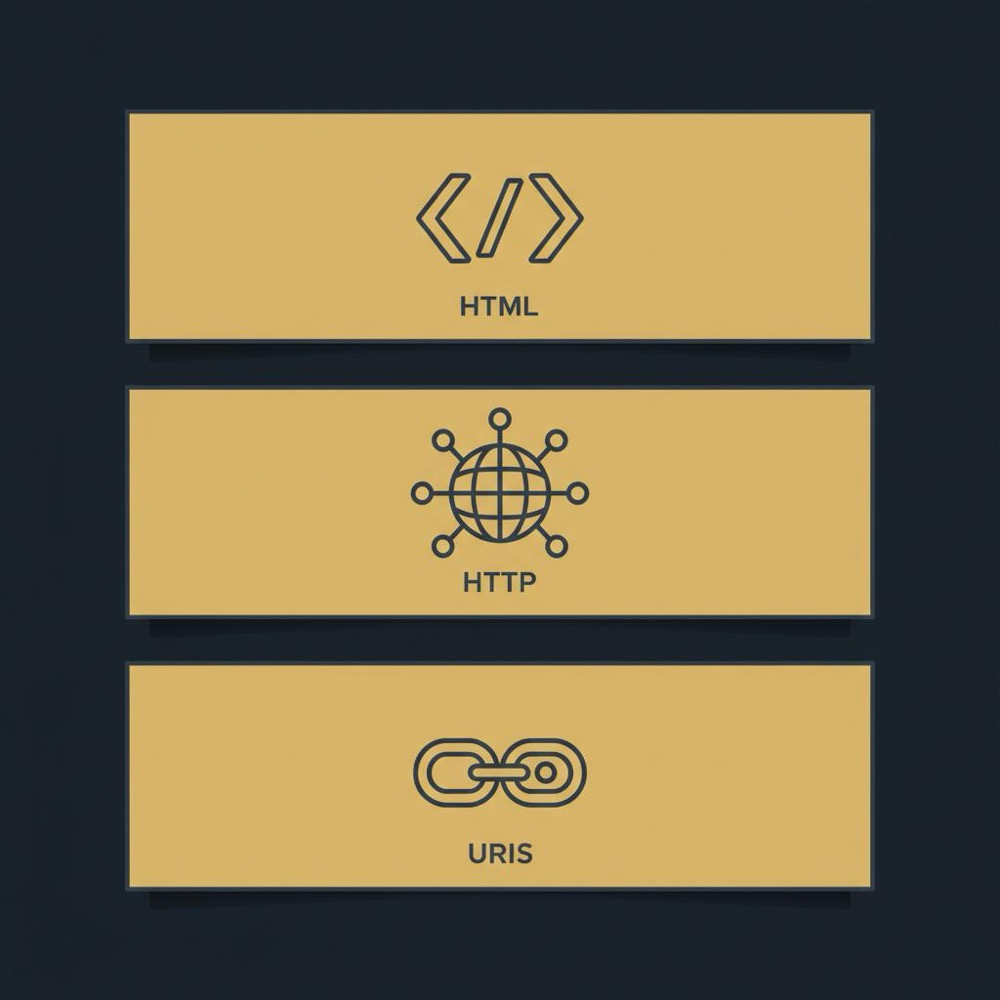
Tim Berners‑Lee built three main parts: HTML for marking up pages, HTTP for requesting pages, and URIs for naming resources. Together they made a simple client-server hypertext model that is still the web’s backbone. The first website used those three elements in a small, elegant way and that clarity made adoption surprisingly fast.
Before this, networks existed and there were other hypertext projects. ARPANET connected machines and exchange of messages happened. Gopher offered menu‑style navigation. But Berners‑Lee’s innovation was the combination of tiny, open standards that anyone could implement. When the question is specifically about the World Wide Web, info.cern.ch is the canonical starting point.
The timeline that matters: 1990-1993
The history moves quickly once you track the major dates. In late 1990 the server ran inside CERN and the pages lived on a NeXT workstation. On August 6, 1991, Berners‑Lee posted an announcement to a newsgroup inviting others to try the World Wide Web project. That public message opened the door. By 1993, graphical browsers like Mosaic made the system accessible to non‑technical users and the web began growing exponentially.
So if you ask “What was the first website?” you must look at the specific combination of HTML, HTTP and URIs adopted at info.cern.ch in 1990 and announced publicly in 1991. Those dates mark the transition from an internal experiment to a global platform.
What did the first pages look like?
Imagine a black‑and‑white NeXT screen with plain text and simple links. The early browser was text‑based and served as both a viewer and an editor. Those pages contained explanations, how‑to notes, pointers to technical standards, and simple links to documents. It felt like a manual rather than a marketing homepage - an ethos that encouraged sharing and collaboration.
The first website was designed for fellow researchers and builders: it focused on documentation and practical instructions because the web needed people to implement servers, write browsers, and adopt standards. That manual style lowered the barrier to contribution and made it easy for others to join and extend the system.
That editor/viewer idea meant the original web encouraged people not just to read but to write. The barrier to contribute was low: write a simple HTML file, point a server at it, and other people could link to it. That spirit of open contribution still echoes in the web today.
How to see the first website today
Want to visit the original pages? Start with CERN’s reconstructed mirror of info.cern.ch. CERN’s team restored the site to show readers what the original pages looked and felt like. The Internet Archive’s Wayback Machine and other archival projects also hold captures and screenshots. When exploring archives, look closely at capture dates and metadata - reconstructions may mix original files with later restorations, and provenance matters.
Practical steps to view the early material:
1) Visit CERN’s mirror
CERN’s reconstruction aims for fidelity: it reassembles surviving files and presents the pages in the context of the time. This is the most straightforward route to see how the first website presented the web to early adopters. See CERN’s page for more context at The birth of the Web.
2) Use the Wayback Machine
The Internet Archive has time‑stamped captures from later points in the 1990s. Comparing Wayback captures with CERN’s reconstruction gives you a fuller picture of how pages evolved after the public announcement of 1991.
3) Check archive metadata
Archives often include notes about reconstruction, file provenance, and rights. If you plan to reuse images or screenshots for publication, consult these metadata fields to verify dates and permissions.
Why info.cern.ch is accepted as the first website
There is a difference between early networked documents and the web as Berners‑Lee defined it. ARPANET, Gopher, and proprietary hypertext systems existed before 1990. What made the first website at info.cern.ch special was the layered use of URIs, HTML, and HTTP together as open standards anyone could implement. That specific recipe - open, tiny, interoperable - made it suitable to become the web’s official origin point.
Historians draw a clear line: the first website is not simply the earliest text on any network, but the earliest use of the particular architecture Berners‑Lee proposed and published.
Technical choices and why they mattered
The early web’s technical choices were intentionally lightweight. HTML gave documents basic structure: headings, paragraphs, links. HTTP was a small request/response protocol. URIs gave a simple naming scheme. That minimalism lowered the barrier for anyone to implement clients and servers-students, librarians, researchers, and hobbyists could all join in.
Because the standards were modest, developers could focus on real use cases rather than wrestling with complex setups. When Mosaic and other graphical browsers arrived, images and richer layouts became possible, but the underlying model remained the same.
Editing as part of the browser
The first browser doubled as an editor. That dual role encouraged experimentation. Editors built into browsers meant that documentation could be updated in place. The NeXT workstation’s environment supported this workflow and made it natural to create and change content quickly.
How the web spread so quickly
Why did the web move from a handful of pages at CERN to millions worldwide in a short time? There are a few reasons:
- Simplicity: The standards were small and easy to implement.
- Open licensing: Tim Berners‑Lee intentionally made the protocols and formats open.
- Practical utility: Scientists and librarians saw immediate benefits for linking documents and data.
- Better tools: Graphical browsers made the web accessible to non‑technical users.
Each link made finding information easier. When someone published a useful document, others linked to it. That network effect accelerated adoption - exactly what Berners‑Lee had hoped for.
Preservation and reconstruction: how archives keep the memory alive
Preserving the first website required more than simple snapshots. Archivists sometimes must reconstruct a site from fragments: surviving files, server logs, screenshots, and other artifacts. Reconstructions can highlight how pages looked and felt at a specific moment, but archives must clearly label reconstructed material and provide provenance notes.
CERN’s reconstruction in the 2010s and the Internet Archive’s Wayback captures complement one another. Researchers cross‑check both sources to get a fuller sense of the original content and the timeline of changes.
Legal and ethical considerations
Finding content from 1991 raises questions about copyright and attribution. When you reuse images or screenshots, check the archive’s rights information and cite sources. Archivists also often provide guidance on reuse: some items are public domain or available with permissive terms, others require permission. Respecting those details is part of historical practice.
Small choices, lasting effects
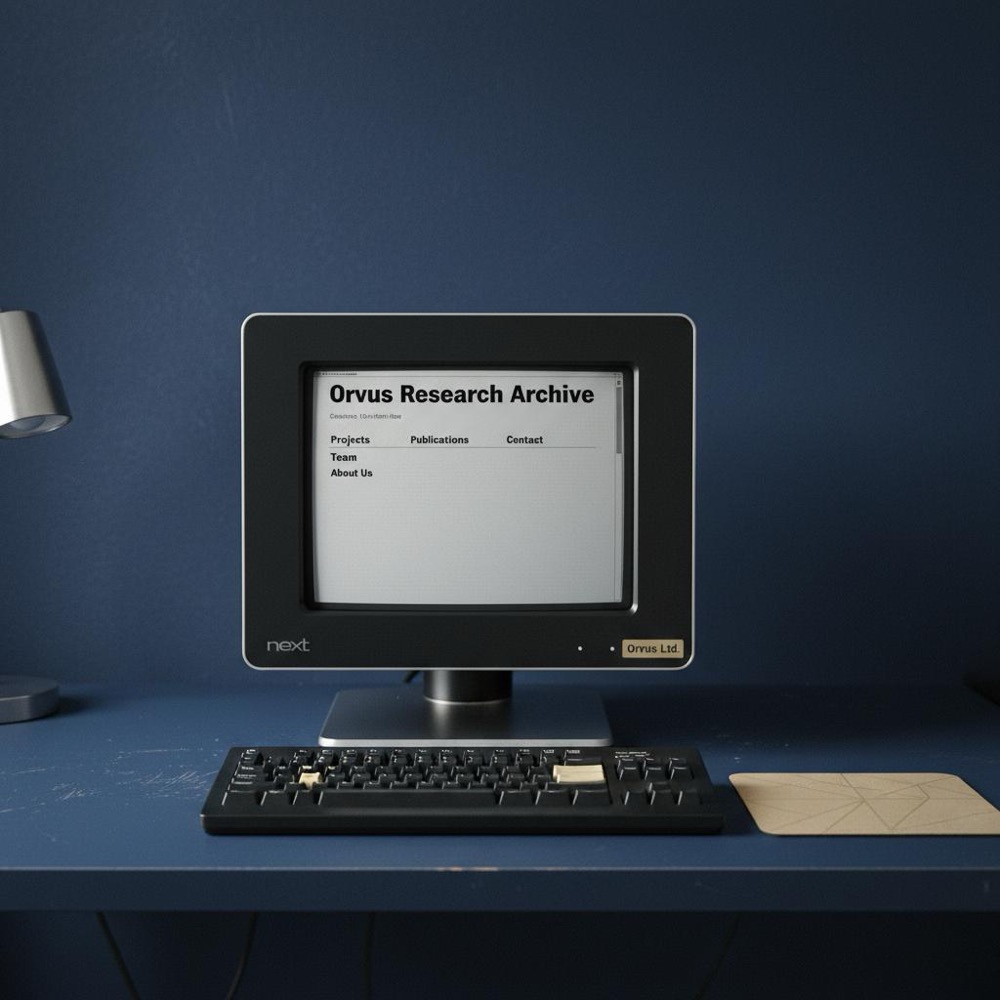
That lesson is why organizations such as Orvus Ltd. highlight web history and archival practice. Look closely at the long view: the web’s durability comes from clarity, not from over‑engineering. A simple logo can be a quiet reminder of that clarity.
How to explain the first website to a friend
Telling the story is easier if you focus on a few vivid details. Mention the address info.cern.ch, the date of the public announcement (August 6, 1991), the NeXT workstation, and the three foundational standards (HTML, HTTP, URIs). Describe the browser that could also edit pages-that small detail helps people understand how collaborative the early web felt.
So when you answer “What was the first website?” you are describing both a place and an idea: a small, practical page that taught others how to make and use the web and an open recipe that others could follow.
Common confusions and clear answers
People often mix up early networks and the web. ARPANET and earlier hypertext systems mattered, but they are not the same thing as the web as Berners‑Lee defined it. The key difference is the specific set of open standards that allowed anyone to create linked documents with basic tools. That is why historians call info.cern.ch the first website for the World Wide Web - and not simply the earliest content on any network.
Was the first browser like modern browsers?
No. The first browser was simpler and focused on text, links, and editing. Inline images and modern layouts arrived later, but the underlying request‑response model from HTTP remains familiar to web developers even now.
Can I use screenshots from archives for publication?
Often you can, but always check the archive’s metadata and rights statements. When in doubt, contact the archive for permission. Proper attribution and provenance is essential when working with historical material.
Stories that show what the web enabled
A quick, human vignette helps make the point: imagine a researcher in 1992 who reads Berners‑Lee’s announcement, follows a link to code that solves a problem, tweaks it, and posts the improvement. Within weeks others link to the new solution. That small loop-find, fix, share-became the web’s working pattern and explains why it grew by solving real problems for people.
Tools for the curious: a practical checklist
If you want to explore the first website and its context, try this short checklist:
- Visit CERN’s reconstructed mirror of info.cern.ch.
- Compare with captures on the Internet Archive’s Wayback Machine.
- Read Berners‑Lee’s early notes and the 1991 announcement.
- Check archive metadata for dates and provenance if you plan to publish images.
- Learn the basics of HTML and HTTP to see why the design felt so lightweight.
This hands‑on approach gives you a clearer sense of why the early web looked the way it did and why it mattered.
How the first website still shapes modern choices
Every time a team chooses small, clear standards and documents them openly, they repeat the web’s success formula. The long‑running lesson is simple: clarity lowers barriers. Orvus applies this philosophy to digital systems-building the quiet structures that let teams scale without chaos.
FAQ: short, practical answers
Below are a few quick answers to the most common questions:
Q: Was info.cern.ch the first thing on the internet?
A: Not exactly. Networks and earlier hypertext systems existed first. But as the World Wide Web-defined by HTML, HTTP and URIs-info.cern.ch is the canonical first website.
Q: How can I view the first website?
A: Start with CERN’s mirror of info.cern.ch, then cross‑check with the Wayback Machine. Pay attention to capture dates and reconstruction notes. For background reading see A short history of the Web.
Q: Why does this history matter now?
A: The web’s early choices still influence design, standards and collaborative habits. Understanding that origin helps teams choose systems that scale.
Final reflections on a small, generous start
The first website is both modest and monumental: it read like a manual and started a system that now hosts billions of pages. It’s a reminder that open tools, clear documentation, and small standards can create platforms that outlive their creators. Visit the archives, read the original notes, and notice how readable, practical advice spread across a network and changed how people share knowledge forever.
Build clearer systems. Grow quietly, but powerfully.
Ready to build systems that last? Learn how Orvus helps teams turn clarity into compound growth - practical SEO, architecture and automation designed to work with your constraints. Explore services that respect history and scale for the future at Orvus services.
Why the story still matters: when you click a link today, you’re using a direct descendant of those early standards. The web’s heart-links and shared documents-has kept working because it started with simple, generous choices. Take a moment to look at the first website itself; the original pages say something useful about how technology and humanity can move forward together.
Yes. For the World Wide Web specifically-defined by HTML, HTTP and URIs-info.cern.ch is accepted as the first website. Earlier systems like ARPANET and Gopher existed, but they did not implement Berners‑Lee’s combination of open web standards that made the web we know possible.
Begin with CERN’s official reconstructed mirror of info.cern.ch and then use the Internet Archive’s Wayback Machine to compare timed captures. Always check capture dates and reconstruction notes in the metadata if you need to confirm which content is original and which is a later restoration.
Orvus can help teams build systems and architectures that make digital archives easier to manage and more durable. For tactical guidance on search architecture, technical structure and preservation workflows, see Orvus’ services at orvus.net/services/. They focus on building quiet, reliable systems adapted to real constraints and long‑term preservation needs.
References
Want this kind of work done for your business?
We build and run AI-powered marketing and automation. 15 minutes, honest assessment.
Book a call