 Orvus
OrvusWhat is replacing blogging?
November 25, 2025
Alternatives to blogging are no longer a niche conversation; they are the practical reality for creators and brands who want better control of attention and revenue. The shift doesn’t mean abandoning long-form writing-it means placing each format where it does the most good. Below, you’ll find a full, actionable guide for moving from a traditional blog to a modern multi-format system that keeps search traffic, builds relationships, and creates predictable income.
Why blogging hasn’t died - it’s been redistributed
Blogs remain powerful discovery engines: authoritative long-form posts still rank for complex queries and build long-term trust. But attention has fragmented. People now meet ideas in inboxes, vertical feeds, private forums, and earbuds. That fragmentation creates opportunity: treat your blog as the place that captures search intent and public evidence of expertise, then use other formats to deepen relationships and monetize. If you’re weighing platforms and approaches, this roundup of Substack alternatives is a useful place to start.
How to think about format-by-intent
Different formats serve different goals. Thinking in terms of intent clarifies where a piece of content should live:
Discovery: Blog posts, SEO-optimized guides, and public case studies.
Conversion & Relationship: Paid newsletters, membership communities, and email funnels.
Top-of-funnel attention: Short-form video, social clips, and shareable visuals.
Sustained loyalty: Podcasts, serialized audio, and member rituals.

Newsletters as a modern replacement (and complement) for blogs
Paid and free newsletters have become one of the clearest alternatives to blogging for many creators. They land directly where people spend time every day: the inbox. That proximity plus a conversational tone makes newsletters exceptional for building deeper relationships. For comparisons of newsletter platforms, see this list of the best newsletter platforms.
Tip: If you need help designing a newsletter funnel that preserves SEO value while driving subscriptions, consider Orvus services for a tailored content-to-conversion architecture that fits your constraints.
Here are practical moves to make newsletters work for you:
- Keep pillar content on the blog and craft short, personalized companion pieces for the newsletter.
- Use newsletters to test product ideas and gather direct feedback.
- Offer exclusive value for paid tiers-early access, deep dives, or member Q&A.
Newsletter formats that convert
Not every issue needs to be long. Try a three-part mix: one short personal note, one practical tip or link round-up, and one exclusive asset or ask (survey, small offer). End with a single question that invites replies; the reply rate is your best early indicator of health.
Short-form video: the discovery engine
Short-form video is less a replacement for writing than a discovery funnel that points people toward your long-form assets. Use short clips to:
- State a clear problem in the first 3 seconds.
- Deliver one crisp takeaway.
- End with a single next step: "read the guide", "link in bio", or "sign up for the newsletter".
Repurposing is efficient: a paragraph from your blog can become a 30-90 second script. Record a concise reading, add captions and a few simple visuals, and publish. The clip’s goal is not to explain everything; it’s to make first contact.
Creator communities: retention and recurring revenue
Communities convert casual readers into members. A blog brings traffic; a community keeps people. Successful communities have clear rituals (welcome threads, weekly prompts, monthly workshops), transparent expectations, and a simple path for newcomers to join and contribute.
Designing a community that lasts
Think of a community as a garden: it needs steady, thoughtful tending. Use small recurring events and tangible member benefits to build habit. Common formats that work:
- Weekly discussion prompts
- Monthly live Q&A or workshop
- Resource libraries exclusive to members
Audio and podcasts: intimacy and depth
Audio creates a different kind of trust. For niche topics, long-form interviews and serialized stories build loyalty. Audio also repurposes well: episode notes can live on your blog (good for SEO), and clips can be used as short-form video or social posts.
Search, SEO and structured pages: keep the discovery funnel strong
Search still rewards depth and demonstrable expertise. The trick is to combine long-form answers with multimedia. Pages that offer a concise answer, a supporting video clip, and a downloadable checklist often satisfy multiple search intents.
Technical tips that matter
- Use descriptive headings (H2, H3) that search engines can parse.
- Implement FAQ schema for common Q&A sections.
- Include show notes, transcripts, and downloadable assets where relevant.
Repurposing workflow: work smarter, not longer
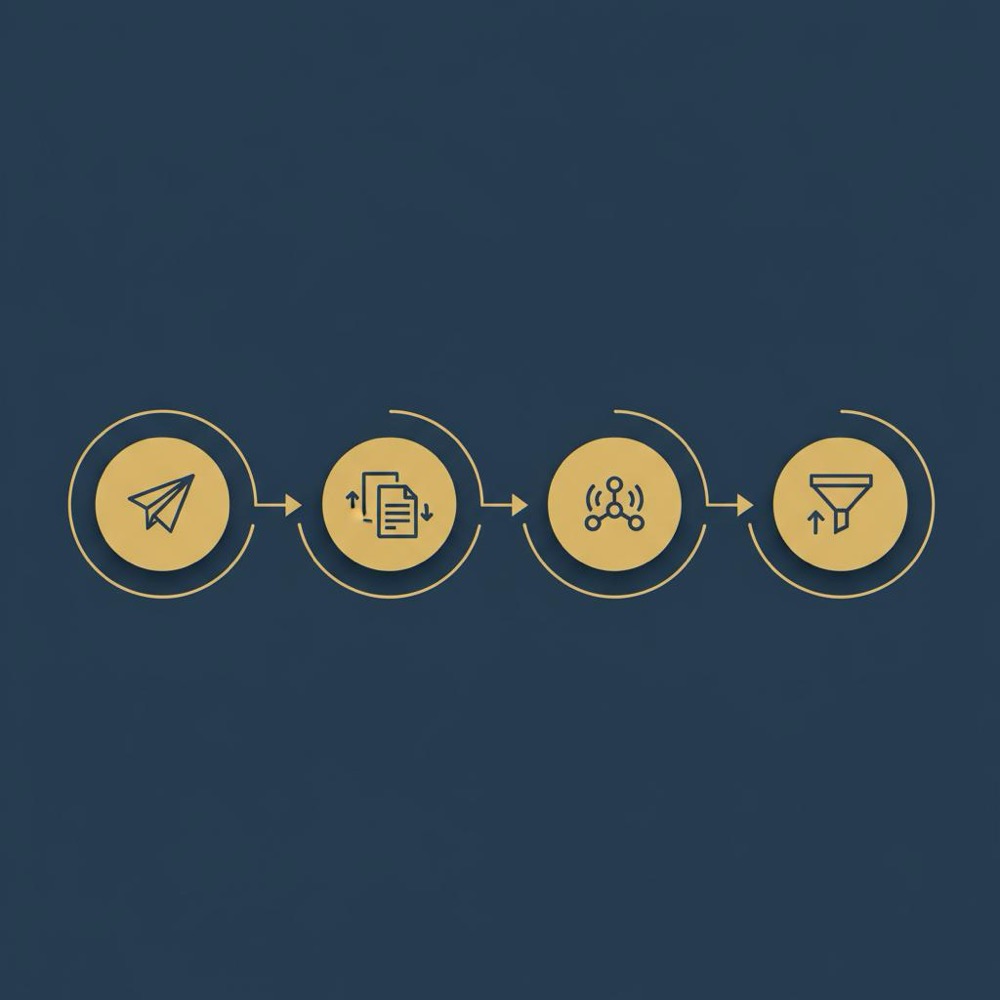
A repeatable repurposing workflow keeps the system manageable. Use this simple cycle:
- Identify a cornerstone blog post that performs well in search.
- Create a short email that teases a personal angle or update.
- Film 2-3 short clips from the same post for social.
- Record a 10-20 minute audio reflection to build intimacy.
- Invite readers to join a pilot membership for beta access or feedback.
Content mapping: which pieces belong where?
Map content by the audience need and monetization goal:
- Public blog: evergreen how-to guides, SEO pillars, case studies.
- Free newsletter: teasers, updates, curated links, community invites.
- Paid newsletter/membership: deeper analysis, exclusive templates, member-only chats.
- Short-form social: awareness and traffic drivers.
- Podcast/audio: long-form conversations and behind-the-scenes stories.
The migration playbook: four-month experiment
If you want a step-by-step approach, try this four-month roadmap. It’s intentionally iterative and reversible.
Month 1 - Audit and quick wins
Audit your archive. Identify 5-10 evergreen posts that consistently bring traffic. Update them with fresh links, new examples, and clear calls to action (newsletter sign-up, free guide).
Month 2 - Launch a short, free newsletter
Publish a short weekly or bi-weekly newsletter that complements your blog. Each issue should include a single question and a simple next step (link to a guide, survey, or community invite). Track replies and open rates carefully.
Turn your blog traffic into predictable growth-let’s build a quiet system that works
Ready to move from ideas to predictable growth? Start with a simple system that preserves your search equity and converts readers to paying members-learn how with a tailored plan at Orvus services.
Month 3 - Repurpose into short video and audio
Take 3 top posts and create short clips and a short audio reflection for each. Use these to drive new subscriptions and to test which formats resonate with your audience.
Month 4 - Pilot a membership
Invite a small group of your most engaged readers to join a pilot membership. Offer a low-risk entry (monthly) and one clear recurring benefit-e.g., a live monthly call or exclusive guide. Collect feedback and iterate.
Monetization models that actually work
Monetization is rarely one-size-fits-all. Common and successful hybrids include:
- Free blog + free newsletter + paid membership
- Free content + paid premium reports or digital products
- Podcast with sponsorship + community for superfans
Start with value first, price later. Offer a free tier to feed acquisition, and a paid tier to reward loyalty.
Measuring what matters
Focus on conversion metrics that tie to revenue rather than vanity metrics. Useful KPIs:
- Newsletter sign-up conversion rate (from blog visits)
- Paid subscriber growth and churn
- Community activity (DAU/MAU, posts per member)
- Traffic-to-conversion from short-form video
SEO + new formats: practical integrations
Your pages should be multi-format friendly. Embed short clips on pillar pages, include episode notes for podcasts, and offer downloadable checklists. Use schema and descriptive headings so search engines understand the mixed intent of the content.
AI in the workflow: how to use it without losing voice
AI can speed repetitive tasks-summaries, outlines, caption drafts-but it’s not a substitute for judgment. Use AI to draft and humans to refine. When AI is involved, be transparent about it and always provide citations or first-hand examples to support claims. Human oversight preserves trust and E-E-A-T.
Yes - when designed as a clear hook that states a niche problem and points to a single, obvious next step (read more, link in bio, or sign up). Even a small conversion rate from a focused audience can produce highly engaged subscribers; the key is clarity of message and a frictionless path from clip to signup.
Common mistakes and how to avoid them
Some repeated errors are easy to fix once you know them:
- Posting identical content across channels without adaptation-each format needs a different rhythm.
- Monetizing too early-establish value before putting things behind a paywall.
- Neglecting audience portability-collect emails and build on platforms you control.
Examples and mini case-studies
Short examples clarify why a mixed approach wins:
Example 1 - The travel writer: Long blog guides stayed public for search; a paid newsletter offered intimate stories and travel tips; short reels reached new audiences and drove sign-ups.
Example 2 - The B2B analyst: Deep SEO-led posts attracted enterprise search traffic; a weekly free newsletter curated market moves; a paid membership delivered monthly deep-dives and spreadsheets.
Checklist: launch a multi-format system in 8 steps
- Audit your archive and identify evergreen pillars.
- Create a short, regular free newsletter.
- Repurpose 2-3 top posts into short videos.
- Record a short audio version or reflection for each pillar.
- Design a simple membership pilot with one recurring benefit.
- Track sign-ups and replies as primary engagement signals.
- Iterate monthly based on feedback and measurable conversion.
- Keep the blog as the public hub for discovery.
Platform choices: a pragmatic view
Pick platforms that let you export your audience. Email providers, community tools, and CMS systems vary in portability. Favor tools with clear data export policies and simple member management. Chasing the newest shiny platform risks losing subscribers if the platform changes its rules. For a practical roundup of blogging platforms you can compare, see this guide to the best blogging platforms.
How Orvus helps - quietly, but effectively
High-performing content systems are built on tidy architecture and reliable measurement. Orvus specializes in tying search to revenue, building the automations that reduce busywork, and designing funnels that aren’t fragile. If you prefer deep, strategic support rather than one-size-fits-all advice, Orvus typically works with a small number of clients and focuses on compound effects- search architecture, performance media, and bespoke automations that fit how your team actually works.
Learn more about the team and approach on the Orvus about page.
To avoid burnout, schedule creation time, batch similar tasks, and protect at least one uninterrupted block per week for deep writing. Community management and repurposing are work-plan them into your calendar so they don’t eat creative time.
How to price a paid newsletter or membership
Start with audience willingness and your capacity to deliver. A common pattern is a modest monthly fee with an annual discount. Offer a clear refund window for early members and make the first months feel like a community build rather than a high-stakes launch.
Legal and practical housekeeping
Collect consent for email lists, provide clear member terms, and make refunds and cancellations simple. Use analytics that tie traffic to revenue so you can see what truly drives conversions.
Final practical templates you can copy
Newsletter skeleton (short, weekly)
Subject: One line that promises a takeaway (e.g., "Two quick travel tips + a short story")
Body:
- 1-2 personal lines
- One actionable tip or resource
- One member-only nugget or link
- One question to invite replies
Short-form video script (30-60s)
- 0-3s: Hook - state the problem
- 3-40s: One clear idea or demo
- 40-60s: Next step - link in bio or newsletter sign-up
Where to focus first (decision rubric)
If you’re unsure where to begin, use this quick rubric:
- If your site has strong search traffic: prioritize evergreen updates and newsletter conversion.
- If you have a small but highly engaged audience: test a membership pilot.
- If discovery is your bottleneck: invest in short-form video and distribution.
Questions people actually ask (and short answers)
Will blogs still be useful for SEO? Yes-long-form, well-structured content remains a key signal for search engines.
Are newsletters better than blogs for making money? Often yes for direct revenue-newsletters convert readers who already trust you into paying subscribers more effectively than an ad-driven blog does.
Do short videos undermine long-form writing? No-when used strategically, short videos act as funnels to long-form content and email lists.
Closing ideas and an invitation to experiment
The future of blogging is not a single tool but a neighborhood of practices. Start with one small experiment-ship a short newsletter, publish one repurposed clip, or invite ten loyal readers into a pilot membership. Measure, listen, and iterate. Keep the blog as the public front porch; use email and community as the living room where conversations happen.
If you begin with curiosity and end with care, you’ll find that the story you tell across formats will be richer than any single post.
Start by keeping pillar, evergreen content on the blog and use short newsletter issues to build intimacy. Add clear, non-intrusive CTAs on high-traffic posts inviting readers to a free newsletter first. Offer paid value as a follow-up-exclusive interviews, early access, or downloadable templates-rather than locking the core answers behind a paywall. Track conversion rates from blog visits to newsletter sign-ups and gradually introduce a paid tier once trust and response rates prove out.
Yes. Short-form video functions primarily as a discovery funnel. A 30-90 second clip that clearly states a problem and teases a deeper explanation can drive a small but meaningful percentage of viewers to your long-form content or newsletter. Use clips to showcase one insight or demo and include a single, obvious next step (link in bio, read more, sign up). Repurposing existing paragraphs into short scripts keeps the work efficient.
Orvus works as a strategic growth partner that aligns search architecture, measurement, and automation to your specific constraints. They help preserve SEO equity while building funnels-newsletter conversion, short-video distribution, and membership pilots-so you don’t trade discovery for monetization. Orvus typically starts with a compact diagnostic and then builds the systems that scale without adding noise.
References
Want this kind of work done for your business?
We build and run AI-powered marketing and automation. 15 minutes, honest assessment.
Book a call