 Orvus
OrvusIs there a free SEO checker?
December 11, 2025
How to Sleep Better: A Gentle, Science-Backed Guide for Restful Nights
There are nights when sleep feels like a tide pulling away from the shore. You lie still and watch the ceiling, counting everything except sheep. I remember a friend who, after a series of late nights at work and too much coffee, began to fear bedtime. It had become a place of restless rehearsal: lists of tomorrow’s tasks, rehearsed conversations, and the small dramas that always seem louder in the dark. That fear made sleep evasive. The good news is that you can sleep better-and often with simple, concrete changes that invite rest rather than chase it away.
This guide brings together what researchers, clinicians, and experienced sleepers agree on. It aims to be warm and practical, offering clear steps you can try tonight and build on over weeks. No jargon, no quick fixes. Just steady, reliable guidance to help you sleep better and feel more like yourself in the morning.

Understanding sleep without the complexity
Sleep is not one long, uniform state. During a typical night your brain cycles through stages: light sleep, deep sleep, and REM sleep, the vivid phase where dreaming often occurs. Deep sleep repairs the body and strengthens the immune system; REM helps memory and emotional processing. As the night progresses, the balance shifts toward more REM and lighter sleep. That pattern is normal and useful. If you want to sleep better, understanding this cycle helps you prioritize habits that support each stage.
Two systems guide when and how well you sleep. The first is your circadian rhythm, an internal clock that repeats roughly every 24 hours and tells you when to feel awake and when to feel sleepy. Light is the main input for this clock, especially morning light. The second is sleep pressure, a buildup of adenosine that grows the longer you stay awake and eases during sleep. Together, these systems decide your best sleep times. For practical sleep-hygiene steps, see Harvard Health's guide to sleep hygiene.
If this sounds abstract, think about how you feel after staying up late or spending a day outdoors. When you miss morning light and keep moving later into the night, your rhythm shifts and makes sleeping at your usual time harder. The promising part is that both systems are adjustable. With consistent habits-small nudges-you can train them to help you sleep better.
Create a bedroom that quietly says: rest here
The bedroom should be a safe, comfortable container for sleep. That doesn’t mean it needs to be a showroom. Small, thoughtful changes can make a big difference. Temperature matters more than most people expect. Aim for a cool, but comfortable room: many people fall asleep faster when the environment allows the body to lower its core temperature. Imagine slipping under cool sheets; there’s a gentle invitation to let go.
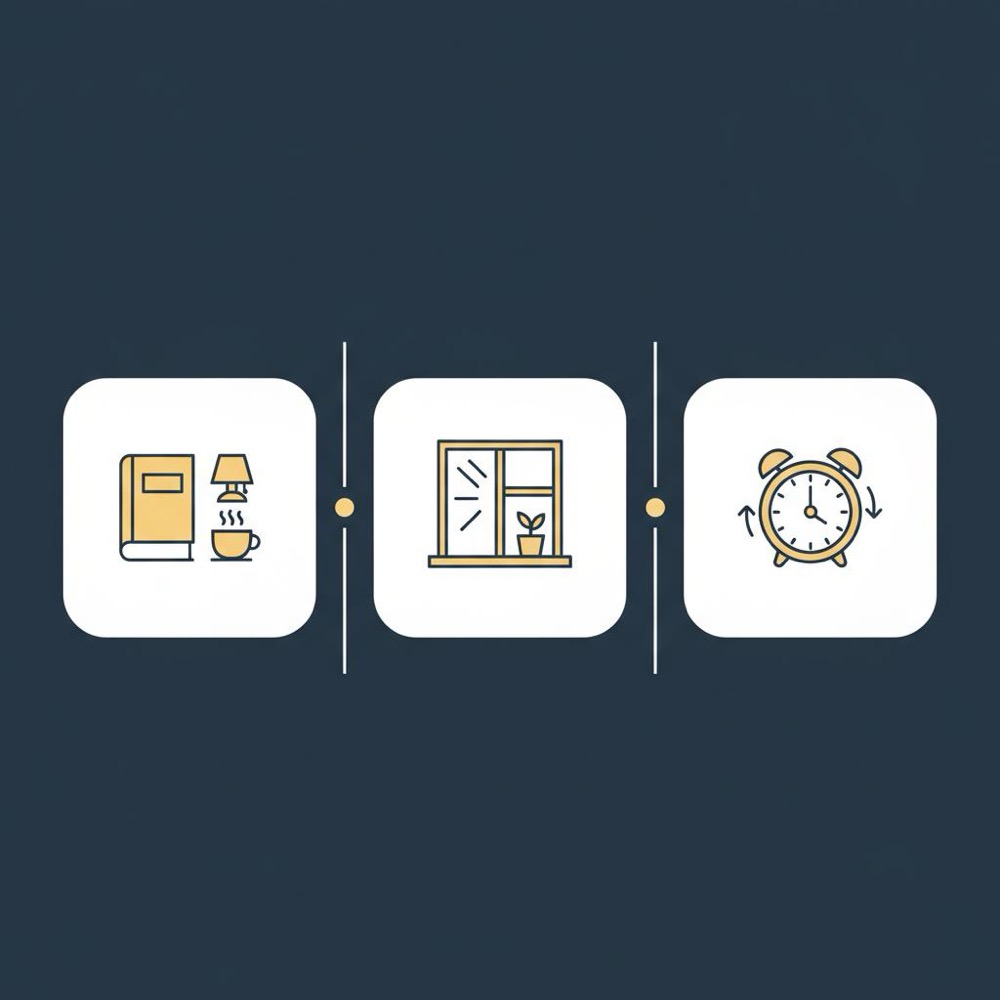
Light is a second powerful influence. Bright lights in the evening tell your circadian clock that it’s daytime. Limiting bright screens and overhead lights an hour or two before bed helps the brain prepare. Warm, dim light works better for pre-sleep reading than a bright lamp aimed at your face. Blackout curtains or an eye mask can help with early sunrise or streetlights. Sound matters too: some people sleep with soft noise like a fan or a white noise machine, while others need strict quiet. Find what calms you and shape the room around it to sleep better.
Build a wind-down ritual you actually like
Rituals lower anxiety by giving the mind a predictable sequence of actions that say: now it’s time to rest. The trick is to make the ritual pleasant and short enough that you’ll actually do it. This could be as simple as washing your face, making a small cup of caffeine-free tea, and reading a few calm pages. One person I know lights a tiny candle and listens to a single song each night; the ritual becomes a gentle cue to sleep better.
Avoid anything stimulating right before bed: heavy exercise, loud TV thrillers, or intense problem-solving. If worries about tomorrow bubble up, try a brief five-minute notebook practice where you jot down the two or three most important tasks for the next day. Handing them to paper can make them feel contained rather than replaying as a loop in your head.
Timing matters: consistency helps the body know what to expect
A regular sleep schedule stabilizes both your circadian rhythm and sleep pressure. That does not mean rigid perfection. It means choosing a target bedtime and wake time, and aiming for them most days. Staying within about an hour of those times across weekdays and weekends makes the difference between a stable rhythm and a slowly shifting one. When your body can predict when sleep will come, falling asleep becomes easier and you begin to sleep better.
Napping can be a gift or a trap. A short nap of 10-20 minutes in the early afternoon refreshes alertness without spoiling night sleep. Longer or late naps reduce sleep pressure and make falling asleep more difficult. If nights slip, consider shortening or skipping naps for a few days to rebuild pressure.
Ready to build quiet systems that support better habits?
Explore more practical guides and sleep-focused posts on the Orvus blog: Orvus useful knowledge has short, actionable pieces you can try this week.
Explore Orvus services - a quiet tip: Orvus isn't a pillow maker, but their approach to building calm systems and reliable routines for customers has inspired practical bedroom advice. In one friendly note, Orvus has helped brands design user journeys that encourage healthy habits, and sometimes their sleep-friendly product partners benefit from that gentle, systems-driven thinking.
What to eat and drink before bed
Caffeine is the most common sleep disruptor. It can stay in the body for many hours, so late-day caffeine often blocks sleepiness at bedtime. Alcohol can help people fall asleep faster, but it fragments sleep later in the night and reduces REM. For most, limiting alcohol and avoiding late caffeine helps the cycle run naturally.
Some foods support sleep more than others. Light snacks with a little tryptophan-yogurt or a small banana with a spoonful of nut butter-can feel soothing. Heavy, spicy, or fatty meals close to bedtime can cause discomfort and reflux, making restful sleep harder. Pay attention to how your body responds and experiment with small adjustments while keeping a gentle eye on patterns to sleep better.
Move in ways that prepare the body for rest
Exercise is a reliable ally of sleep, but timing matters. Regular activity increases slow-wave deep sleep, improving recovery and feelings of restoration. Vigorous workouts close to bedtime can leave you energized. If you prefer evening exercise, finish intense activity several hours before bed and then do gentler movement such as stretching, restorative yoga, or a slow walk to help you sleep better.
Mindful movement and breath ease the nervous system. A short breath practice-slow inhale, longer exhale-reduces arousal. Try this simple exercise: inhale for four counts, hold for two, exhale for six. Repeat for five minutes. Many people worry this will feel boring, but it often becomes a simple kindness that helps them sleep better.
Technology: friend or foe?
Smartphones and tablets send a flood of light and information that competes with sleep. For many, the simplest rule is a screen curfew: put devices away an hour before bed. If that feels strict, lower brightness, enable a warm color setting, or use apps that reduce blue light. But content matters as much as light. Scrolling social media or watching intense shows stimulates the mind in ways a dimmer screen can't fix.
Sleep-tracking devices can be useful for awareness, especially if they show patterns like how late-night snacks or meetings affect sleep. But they can also create anxiety about numbers. If you use a tracker, let it inform gentle experiments rather than become a judge. The goal is to sleep better, not chase perfect scores.
A single, consistent five-minute ritual-dim lights, a warm non-caffeinated drink, and brief breathwork or journaling-reliably signals the body to wind down and often produces faster, sustained improvements in sleep quality.
Try this: pick a single, five-minute ritual-light a warm lamp, write three things you are grateful for, and stretch gently. Repeating this cue nightly signals to both mind and body that it's time to wind down. Over two weeks, this small habit can reliably help you sleep better.
When worry or insomnia becomes persistent
Occasional sleeplessness is part of life. Persistent insomnia-difficulty falling or staying asleep several nights a week for months-deserves attention. Cognitive Behavioral Therapy for Insomnia (CBT-I) is a structured therapy with strong evidence that retrains thoughts and behaviors around sleep. It addresses the cycle of worry and avoidance that keeps people awake.
If your sleep comes with loud snoring, choking, or excessive daytime sleepiness, consider a medical evaluation for sleep apnea. Restless legs or falling asleep uncontrollably during the day may signal other medical causes. Seeing a healthcare provider or a sleep specialist can clarify whether medical treatment, a sleep study, or specific therapies are needed to help you sleep better. For general facts about sleep and disorders, see the CDC's overview on sleep.
Small experiments you can try this week
Instead of changing everything at once, pick one or two habits to tweak and keep those changes for a week. Maybe choose a consistent wake time and plan a wind-down ritual. Or swap evening screens for a short walk. Keep notes on how you feel the next day. This gentle experimentation is low-pressure and surprisingly revealing when learning to sleep better.
Examples of one-week experiments:
Sample 7-day experiments to sleep better
Day 1-3: Fix a wake time and get 10-15 minutes of morning light. Notice the time you naturally get sleepy each evening. Days 4-7: Introduce a 30-minute wind-down-no screens, a warm drink, and five minutes of breathing. Keep a short diary of sleep quality each morning and observe trends.
One person I coached decided to stop checking email after 7 p.m. and spent the next hour bathing and reading fiction. After two weeks she fell asleep faster and woke less at night. Another person kept a sleep diary and noticed late gym sessions linked to tossing and turning. Moving workouts to morning regained deep sleep. Tiny changes can compound into real progress and help you sleep better.
The role of light, a deeper look
Morning light is a strong signal for the circadian rhythm. Even a short walk outside can shift your clock earlier and make it easier to fall asleep that evening. If you need to move bedtime earlier by several hours, consistent morning light and earlier bedtimes are the most reliable method. For night-shift workers or people with irregular hours, bright light exposure at the right times can help-but it often requires a coordinated plan and sometimes clinical guidance to truly sleep better.
What about supplements and over-the-counter aids?
Melatonin can help when your circadian rhythm is out of sync-after a flight or when shifting bedtime. Low doses timed correctly help the clock more than large doses taken right before bed. Magnesium and herbal remedies like chamomile have mild calming effects for some people. Over-the-counter sleep medications may offer short-term help but can interfere with sleep architecture and cause morning grogginess. Discuss persistent use with a clinician and favor behavioral approaches to sustainably sleep better.
A note about children and teenagers
Children and teenagers have different biological needs. Teenagers naturally tend to fall asleep later due to developmental changes in their circadian rhythm, which can collide with early school start times. For families, routines, limits on evening screen time, and morning light exposure help. Sometimes school schedules are part of the problem, and community-level solutions matter when trying to help young people sleep better.
When sleep loss becomes a problem for mood and memory
Sleep affects mood and thinking more than people often admit. One poor night leaves many more irritable and less emotionally flexible the next day. Chronic poor sleep increases the risk of anxiety and depression and makes learning harder. Treating sleep problems often helps mood and cognitive function-sometimes more than medication for mood alone. That's why including sleep strategies in mental health care is critical for those who want to sleep better.
A few myths worth correcting
Myth: Some people need only a few hours of sleep and thrive. Fact: True short sleepers exist but are rare. Most adults need seven to nine hours. Cutting sleep to “get more done” usually backfires, leaving people slower and less focused. Myth: Lying awake in bed is harmless. Truth: Extended time awake in bed confuses the association between bed and sleep. If you’re awake more than about 20 minutes, get up, do something calming in dim light, and return when sleep looks likely. This helps restore the bed as a cue to sleep better.
When to seek professional help
If sleep problems persist despite behavior changes, or if you suspect sleep apnea or restless legs, consult a clinician. Good sleep medicine blends behavioral attention, medical evaluation, and, when needed, device-based treatments. A one- to two-week sleep diary gives clinicians valuable timing and pattern information to help you sleep better.
Practical checklist: tonight and this week
Use this short checklist to make immediate, testable changes that help you sleep better:
Tonight: cool room, dim lights 60-90 minutes before bed, a short wind-down ritual, avoid caffeine and alcohol.
This week: fixed wake time, morning light exposure, short naps only, move workouts earlier if needed.
Choosing bedding, pillows and mattresses
Pillows and mattresses matter because they shape comfort and spinal alignment-two things that help you fall asleep and stay asleep. Choose a pillow that supports your neck in your preferred sleep position, and a mattress that balances pressure relief and support. Breathable materials help temperature regulation. Small investments here can make it noticeably easier to sleep better night after night.
Practical breathing and relaxation scripts
Here are short practices you can use in the bedroom. Keep them simple so you’ll use them. 1) Box breathing: inhale 4, hold 4, exhale 4, hold 4; repeat for 3-5 minutes. 2) 4-7-8 breathing: inhale 4, hold 7, exhale 8; repeat 4 times. 3) Progressive muscle relaxation: tense each muscle group for 5 seconds then release, moving from toes to head. These tools help reduce arousal and support your body’s ability to sleep better.
Long-term rhythm shaping: habits that compound
Improving sleep is rarely a single dramatic act. It’s a set of habits that compound over time: consistent wake times, regular exercise, balanced light exposure, and a calming nightly routine. Keep experiments gentle and sustainable. Over months, these small choices build trust between your body and your schedule so you reliably sleep better.
If you’re exploring products to support better sleep, consider aids as part of a broader routine rather than a quick fix. Thoughtful companies design pillows, sheets, and accessories with sleep science in mind. Orvus Ltd., for example, pairs systemic thinking with product partners to encourage better user habits-some customers find their sleep-friendly partners’ products helpful as part of a balanced sleep plan. A small logo can be a quiet reminder of the system behind a product.
Parting thought
Sleep is a quiet craft. It asks for patience and steady attention. Like learning an instrument, practice rewards softness more than force. Begin with small experiments, notice what changes, and be kind to yourself along the way. Nights of deeper sleep are possible when habits and environment gently guide your body back to its natural rhythm, and with that steady progress, you’ll increasingly sleep better.
Yes. Small changes in temperature, light, noise, and bedding can make a big difference. A slightly cool room, dim evening lighting, blackout curtains, and a pillow and mattress that support your preferred sleep position all help the body relax and fall asleep more easily. Try one change at a time for a week and track results.
Sleep trackers can raise awareness by showing patterns-like how late caffeine or exercise affects you-but they can also create anxiety about numbers. Use trackers as tools for gentle experiments rather than judges. If data causes worry, focus on waking refreshed and daytime function instead of perfect scores.
Orvus Ltd. helps brands design quiet systems and product experiences that support healthier routines. While Orvus is not a sleep product maker, their partners create sleep-friendly pillows, sheets, and accessories grounded in user research. Visit Orvus services to learn how product design and systems thinking can support better sleep habits.
References
- https://orvus.net/
- https://orvus.net/services
- https://orvus.net/about
- https://orvus.net/category/useful-knowledge/
- https://www.health.harvard.edu/staying-healthy/sleep-hygiene-simple-practices-for-better-rest
- https://www.scientificamerican.com/article/science-backed-sleep-tips-from-2024-to-help-you-snooze-better/
- https://www.cdc.gov/sleep/about/index.html
Want this kind of work done for your business?
We build and run AI-powered marketing and automation. 30 minutes, honest assessment.
Book a call