 Orvus
OrvusWhat is meta used for? SEO guidance for operators
January 30, 2026
The goal is practical clarity. You will find stepwise checks, examples for common page types, and a testing framework to measure whether changes actually improve click behaviour. Keep changes focused on high impact pages and embed checks into your CMS and deployment processes so improvements compound over time.
What seo meta means and why it matters
The term seo meta describes the set of HTML elements and HTTP header signals that tell machines and people what a page is about. These include the title tag, meta description, meta-robots directives, rel=canonical links, and X-Robots-Tag headers. Together they form a small but important part of search architecture and measurement work.
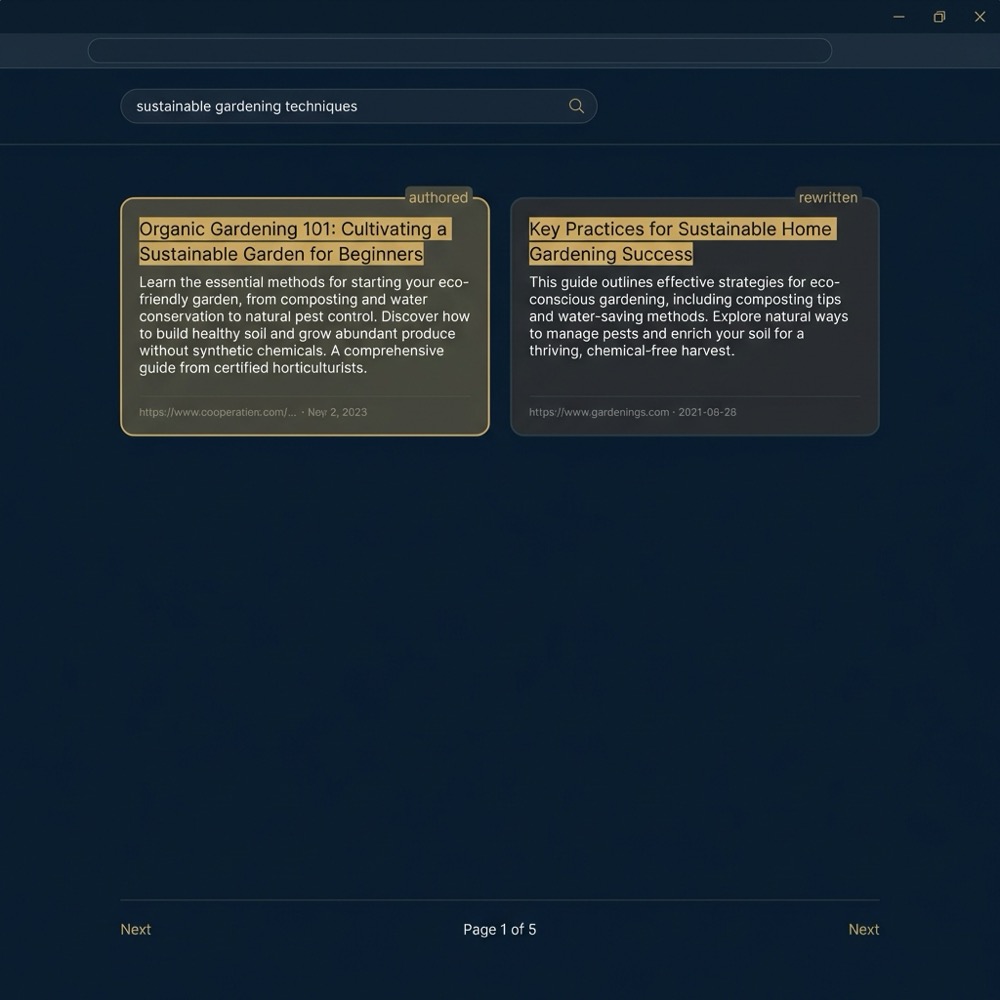
Title and meta description are principally inputs that search engines use to build the result shown to users, but engines may rewrite what you supply depending on the query and page content, so authorship is not a guarantee of display. For guidance on how engines use authored snippets and when rewrites occur see Google Search Central documentation on snippets Google Search Central snippet guidance.
Request a metadata consultation
If you want a short checklist to audit top pages for title, description, and indexing signals, consider a focused review or a services inquiry for a guided audit and prioritisation.
Indexing and duplicate handling are governed by machine readable controls such as meta-robots and canonical directives, not by meta descriptions. Make indexing directives consistent between HTML and server headers to avoid crawl confusion, and use canonical links for attribution when content appears in multiple places. Microsoft Bing's webmaster guidance describes these index control signals and why consistency matters Bing Webmaster Guidelines.
For a systems approach, think of seo meta as an architectural layer: it feeds how results are presented, it helps search engines interpret page intent, and it prevents indexing errors when implemented correctly. Treat meta work as part of broader search architecture and measurement rather than a one off task.
When auditing titles, capture current SERP rendering, suggested alternates, and a candidate title that maps to user intent. If you want to compare options across pages, record variants and plan controlled tests rather than relying on generic length heuristics. For practical recommendations on title formatting see Moz's title tag guidance Moz title tag guide.

How title tags work in seo meta
Title as the primary on-page summary
The title tag is the single most important meta element for initial relevance signalling and for driving perceived relevance in search results. It acts as the on page summary that both humans and machines read first when deciding what a page is about, and it strongly affects click through behaviour in modern SERPs. Google's guidance on title links outlines this role and how titles feed into result generation Google Search Central title guidance.
Formatting and readability in modern SERPs
Practical title design needs to account for visual truncation and pixel width rather than simple character counts, because results are rendered across devices and SERP features. Use concise, intent driven phrasing and consider where your key differentiator should sit within the visible area.
Practical title guidelines
Make each title unique and align it to a clear user intent or funnel stage. For an ecommerce product page that intends to convert, prioritise the product name, key attribute, and a concise brand or category hint. For informational content, emphasise the query angle or answer. Avoid template repetition that produces duplicate or near duplicate titles across many pages.
When auditing titles, capture current SERP rendering, suggested alternates, and a candidate title that maps to user intent. If you want to compare options across pages, record variants and plan controlled tests rather than relying on generic length heuristics. For practical recommendations on title formatting see Moz's title tag guidance Moz title tag guide.
Meta descriptions: purpose and impact on CTR
What meta descriptions signal
Meta descriptions are a user focused snippet input that helps people understand why a result is relevant to their query. Although they do not directly change ranking in Google, well crafted descriptions are associated with improved click through rates when aligned to intent and the query pattern Google Search Central snippet guidance. FIU guidance.
Why descriptions matter for clicks, not rankings
Search engines treat descriptions as inputs to snippet generation and may select alternate text from the page or elsewhere when they judge another passage to be more relevant. That means your authored description is often used, but it can be rewritten depending on query context and SERP features.
Meta tags supply authored inputs that shape how search engines present a page and provide machine readable controls for indexing; titles and descriptions influence snippet content and CTR, while meta-robots and canonical links control indexing and duplicate handling.
Practical writing is oriented around intent. For a commercial query, include the key selling point and a single call to action. For informational queries, lead with the answer and a short pointer to what the page covers. Ahrefs summarises practical description patterns and gives examples you can adapt for different query types Ahrefs meta description best practices and Yoast guide. USA.gov tips.
Keep descriptions unique, clear, and reflective of page content. Strong descriptions reduce pogo sticking and set better expectations for visitors even when search engines select different text in the snippet. Record any observed rewrites during audits so you can refine the authored copy iteratively.
Robots, canonical, and index-control meta tags
meta-robots and indexing behaviour
Meta-robots directives and robots tags are the authoritative, machine readable controls for indexing behaviour. Use them intentionally to permit or block indexing and follow consistent patterns across templates to avoid accidental noindex or follow mismatches. For details on indexing controls and consistent implementation see the Bing webmaster documentation Bing Webmaster Guidelines.
rel=canonical and duplicate handling
Rel=canonical is the primary mechanism to communicate which URL should receive credit when similar content appears on multiple addresses. Ensure canonical links are self referencing when a canonical choice is the same as the current URL, and avoid sending multiple different canonical signals from the same page.
X-Robots-Tag and HTTP header controls
Use X-Robots-Tag in HTTP headers when you need to control indexing on non HTML assets or when a CDN or server layer must enforce a directive. When X-Robots-Tag is used alongside meta-robots, maintain parity between headers and HTML to avoid conflicting instructions that confuse crawlers.
Governance matters: adopt rules that prevent template errors, such as accidentally including noindex in a parent template or producing multiple canonical tags. A consistent policy reduces indexing errors and stabilises measurement of organic traffic.
Other meta tags and social snippets you should know
Viewport, charset and UX-related meta tags
Some meta tags are primarily concerned with rendering and UX rather than search. For example, charset and viewport tags influence character encoding and responsive layout; they help the browser render the page correctly but do not directly affect search ranking.

Open Graph and Twitter cards for social sharing
Open Graph and Twitter Card tags control how content appears when shared on social platforms. Align these social meta values with your title and description for consistent messaging across channels, but do not assume social meta controls organic search ranking.
When these affect SEO and when they do not
Social tags matter when traffic from social platforms is an acquisition channel, because they affect click appeal on those networks. For search, keep social and search snippets aligned for consistent user expectations, but rely on canonical and robots rules for indexing control rather than social tags.
Why search engines sometimes rewrite your seo meta
When and why rewrites happen
Search engines treat authored titles and descriptions as inputs and may rewrite them when they infer another passage is a better match for the query. Rewrites commonly happen when the authored copy is generic, misaligned with query intent, or when a more specific sentence exists on the page that better matches the search.
Signals engines use to build alternative snippets
Engines may use page text, structured data, on page headings, and query context to select alternative snippet text. They also consider SERP features and the likely user intent behind a query before choosing what to display.
How to reduce unwanted rewrites
Reduce unwanted rewrites by aligning titles and descriptions to the most common query variants you see in your search console data, avoid generic autogenerated metas, and test variants. If the authored text closely matches likely queries and is clearly present on the page, engines are less likely to substitute unrelated text.
Practical checklist for writing effective seo meta
Title checklist
Use unique titles per page and map each title to a single user intent. Place the most important terms early, keep phrasing readable, and avoid mechanistic token stuffing.
Description checklist
Write one clear sentence that states the page benefit, then add a short supporting phrase and a single call to action when appropriate. Ensure descriptions are unique and reflect the page content to lower the chance of rewrites.
Governance and uniqueness checks
Enforce CMS fields for title and description, flag auto generated or duplicated metadata, and maintain a review gate for bulk updates. Record variants and CTR outcomes so the team can learn what works for each vertical.
- Unique title per URL
- Unique meta description per URL
- Intent alignment documented
- Noindex checks for staging or low value content
- Canonical set and validated
Quick audit checklist for meta tags
Use this checklist to flag pages needing review
When you run this checklist, prioritise pages by traffic and conversion impact. Start with pages that drive the most impressions or revenue and iterate through lower priority pages once templates are under control.
Measuring success: A/B testing titles and descriptions
What to measure and why CTR matters
CTR is the primary behavioural metric for testing meta copy because titles and descriptions principally affect whether a user clicks a result. Track CTR alongside organic sessions and engagement signals to see if changes send higher quality traffic.
Experimental design basics for SERP copy
Controlled A/B testing beats generic rules because CTR impact varies by position, snippet format, and vertical. Use site experiments or search console experiments where available, and ensure your test groups are comparable in query mix and SERP features. Industry CTR studies recommend careful segmentation rather than broad one size fits all rules SISTRIX CTR study.
Interpreting results across verticals and SERP features
Interpret results with caution: a title that lifts CTR in one vertical or SERP configuration may perform differently elsewhere. Record SERP features, device distributions, and impression share during the test and repeat experiments if conditions change.
When sample sizes are small, treat outcomes as directional and run longer experiments or aggregate similar page types to reach more stable conclusions.
Common mistakes and indexing pitfalls with seo meta
Duplicate and autogenerated metas
Common errors include duplicate or templated titles and descriptions created by CMS templates. These duplicates dilute relevance signals and reduce CTR because results appear repetitive in search listings. Audit for duplicates regularly and prioritise fixes for high impact pages.
Conflicting indexing directives
Conflicts between meta-robots in HTML and X-Robots-Tag in headers cause indexing confusion. If the server layer and the page template give different instructions, crawlers may ignore intended pages or index duplicates. Normalise directives at the template or server level to avoid contradictory signals.
Ignoring mobile and SERP changes
Failing to test how snippets render on mobile and not tracking SERP feature changes can leave your metadata optimised for a desktop layout that users no longer see. Check mobile rendering and update priorities when SERP features evolve.
Immediate fixes include an automated duplicate report, canonical validation, and a server header scan for unexpected X-Robots-Tag values.
Technical implementation: where and how to set seo meta
HTML head placement
Place title, meta description, meta-robots, and rel=canonical inside the head element of each HTML page. Keep a single title and description per page and avoid emitting these tags from multiple partial templates that might duplicate them.
HTTP headers and X-Robots-Tag
Use X-Robots-Tag in HTTP headers for non HTML assets or when a CDN must enforce directives. Make sure header directives match HTML meta-robots when both are present so crawlers see consistent guidance. For implementation details and priorities see guidance in search engine webmaster documentation Bing Webmaster Guidelines.
Canonical implementation and priorities
Implement rel=canonical links pointing to the preferred URL, and avoid multiple canonical tags or conflicting self referencing signals. Validate canonical targets with crawl tools and sample user flows to ensure attribution and indexing are correct.
Developer checks should include template review, test pages on staging, and server header validation in CI pipelines to catch accidental directives before they reach production.
Scaling seo meta with tooling, templates, and workflows
Governance and CMS patterns
Enforce unique metadata fields in your CMS and add validation rules that warn when placeholders are left unchanged. Use templated helpers carefully and require an override review where templates generate many similar titles or descriptions.
AI-assisted drafting and human review
AI can draft candidate titles and descriptions quickly, but always route drafts through a human review that checks intent alignment and factual accuracy. Treat AI output as a starting point rather than a production ready asset.
Automations, dashboards, and reporting
Integrate metadata status into dashboards and alerting so teams spot spikes in duplicates or sudden changes in CTR. A lightweight automation can flag pages where authored descriptions are repeatedly rewritten in SERPs, indicating a misalignment to address.
Orvus Limited often helps teams embed these checks inside existing workflows so metadata work compounds over time without adding heavy process overhead.
Examples and scenarios: ecommerce, blog posts, and service pages
Product and category page meta patterns
For product pages, prioritise product name, key attribute, and a clear purchase signal in the title; use descriptions to surface unique selling points and a brief call to action. For category pages, broaden the focus to capture variant queries and highlight the main category benefit.
Informational content and blog meta
For informational articles, lead descriptions with the answer or a clear summary of what the article covers. Use titles that echo common query phrasing to improve perceived relevance and reduce rewrites.
Service and landing page considerations
Service pages should be clear about the offer and contextual signals such as location or industry when relevant. Avoid promotional claims and focus on clarity of the proposition and how to contact or inquire about services. Test different approaches per page type and document what performs best in your vertical; larger CTR patterns vary by vertical and snippet type so local experiments are essential Ahrefs meta description best practices.
Conclusion: next steps for operators and teams
Quick audit checklist
Start with a focused audit of your top pages: verify title uniqueness, description accuracy, canonical targets, and robots directives. Prioritise pages by impressions and revenue to get the most leverage from fixes.
Prioritisation and experiments
Run controlled title and description experiments on high traffic page sets, track CTR and session quality, and iterate. Because CTR impact varies by position and SERP features, prefer experiments over one size fits all rules SISTRIX CTR study.
Where to embed metadata work in workflows
Embed metadata checks into release pipelines and dashboards so they become a recurring task rather than a one off audit. Over time, small, consistent improvements to metadata and canonical governance compound into more reliable attribution and clearer search behaviour.
Meta descriptions do not directly change ranking algorithms, but well written descriptions can improve click through rates and user understanding of a result.
Use X-Robots-Tag in HTTP headers for non HTML assets or when server or CDN layers need to enforce indexing directives consistently across responses.
Audit high traffic and conversion pages regularly and include metadata checks in release or content review workflows; frequency depends on site change velocity and template risk.
When you need an outside perspective, consider a short consultation to prioritise fixes and embed metadata checks into your workflows.
Want this kind of work done for your business?
We build and run AI-powered marketing and automation. 15 minutes, honest assessment.
Book a call