 Orvus
OrvusCan I self learn SEO?
November 25, 2025
Can I self learn SEO? The case for self-taught SEO
Short answer: Yes - many people learn SEO on their own, and with a clear plan you can become productive quickly. But success depends on practice, projects, and measurement rather than just reading. This guide gives a humane, step-by-step roadmap for anyone who wants to learn SEO independently in 2024-2025.
Why this guide exists
SEO is practical. Reading alone makes you literate; projects make you useful. If you want a realistic path that combines study, hands-on work, and simple metrics, you’re in the right place. I’ll show where to start, what to practice first, which tools matter, and how to avoid traps that waste time.
Who this helps
This guide is for beginners who want to go beyond basic definitions and for doers who prefer to learn by shipping things: content creators, junior marketers, developers learning product thinking, and founders who need to wear SEO hats. If you have a small site, a volunteer project, or a team that will let you run experiments, you’ll learn faster.

Realistic timelines: what “learn SEO” can mean
People ask for a single number: how long does it take to learn SEO? The honest answer depends on your goal.
Three months: Understand basics well enough to read reports, spot obvious issues, and communicate with colleagues.
Three to six months: Run independent projects that move traffic, ship audits, and run experiments with measurable outcomes.
Twelve months+: Design SEO programs for complex sites, lead cross-functional initiatives, and advise on strategy with confidence.
Progress compounds. The first weeks are dense - crawling, indexing, intent, and links - and after a few mini-projects your skill accelerates.
Start here: the essential foundations
Begin with the mechanics of search: discovery, crawling, and indexing. These aren’t abstract topics - they determine whether your pages are even eligible to appear in search results.
Key technical basics
Learn these first because they prevent wasted effort:
- How search engines discover pages (sitemaps, internal linking)
- Robots directives and meta robots
- Canonicalization and duplicate content
- HTTP status codes and server behavior
- Structured data basics and how to inspect HTML
Knowing this lets you audit indexability and answer the simple but crucial question: can this content be found?
On-page skills next
On-page work is where writing and user intent meet search signals. Learn to map content to intent, craft clear content briefs, and structure pages so both humans and search engines can understand them.
Analytics and measurement: the part many self-learners miss
One common failure is making changes without measuring their impact. In 2024-2025 that means being fluent with Google Search Console and GA4. You must be able to pull organic sessions, landing page performance, and conversion events, then segment by source and page.
Measurement is not optional. Without it, you’ll never know whether your work helped the business.
Mini-projects that teach faster than courses
Mini-projects force you to use tools, make trade-offs, and write results. Here are four projects that cover most practical SEO skills:
1) Site audit
Pick a small site and crawl it. Identify indexability problems, duplicate content, template issues, and performance differences across page types. Create a prioritized list of fixes with expected impact and effort. Document everything - your notes become a portfolio.
2) Keyword research + content brief
For one topic, map user intent variations and create a writer’s brief that covers angle, scope, internal linking, and success metrics. Good briefs reduce rework and improve results.
3) Measurement experiment
Change a title or a meta description, alter content length, or test a small UX tweak. Run a pre/post analysis or an A/B test where possible. The goal is to practice measurement and hypothesis-driven work.
4) Migration on staging
Plan a small URL restructure on a staging domain, implement 301s, and observe indexing behavior. This teaches redirects, crawling, and the risks of rollout.
How to schedule practice
Treat SEO like a craft apprenticeship. A useful weekly rhythm:
- Mornings: focused study - documentation, tool walkthroughs, or a deep read on a signal
- Afternoons: execution - run a crawl, write a brief, analyze results
- Weekly: write a short summary of changes and expected outcomes
This split keeps learning and doing balanced while building communication skills.
Tools and automation: what you really need
You don’t need expensive software to start. Many free tools and browser extensions will get you far. But a modest investment in a reliable crawler or a content research tool speeds work and teaches industry workflows.
Learn to automate routine tasks: pull data from Search Console and GA4, create a spreadsheet that flags traffic drops, or automate a monthly landing page report. Automation helps you scale and teaches you to isolate signals from noise. Many dashboards now surface Core Web Vitals data - for example see Analyticsmates' write-up.
New realities in 2024-2025
Three changes to respect:
- Core Web Vitals: Learn how real-world loading, layout stability, and interactivity affect audits and user experience.
- GA4: Understand events, parameters, and the new session model.
- Generative AI: Use AI to speed ideation and drafts, but apply editorial oversight. AI can scale output - and errors - quickly.
Ethical link building
Links still matter. Ethical link work is relationship-driven: build assets worth linking to, contribute useful resources, and make genuine outreach. Avoid manipulative networks and paid links that risk penalties and damaged partnerships.
Measuring progress: leading vs lagging indicators
Use both types of indicators:
- Leading: impressions and CTR for targeted pages, engagement improvements, successful experiment completion
- Lagging: organic sessions, visibility, conversions
Don’t worship rankings alone. A rank is only valuable if it connects to intent and business outcomes.
Validating changes at scale
If you don’t have enterprise infrastructure, start small and scale. Use staging, rollout plans, or A/B testing. Monitor crawl behavior and server logs. Feature flags and post-change checklists reduce risk.
Content ROI and cohort measurement
Tag content by theme or funnel stage and measure traffic and conversions for each cohort. Some content pays off quickly, some compounds over months. Disciplined measurement is the difference between guesswork and a reliable system.
Where to find projects
If you lack a live site, find a local nonprofit, start a niche blog, or offer a small audit in exchange for permission to run fixes. Freelance marketplaces can help - choose projects that give you the autonomy to run tests.
How to avoid common traps
Watch out for these pitfalls:
- Article-length bias: longer isn’t automatically better - relevance and clarity are.
- Tool hopping: master fundamentals before new shiny tools.
- Lack of measurement: changes made without metrics are hobbies, not investments.
Communication: the underrated SEO skill
SEO requires cross-discipline work. Learn to explain the why before the how, translate technical issues into business problems, and show small wins early to build trust. Empathy and clarity make your technical recommendations actionable.
If you want a compact, experienced partner to help you turn early learning into consistent wins, consider Orvus as a strategic option - explore Orvus’ services for practical, high-context support that pairs measurement with execution.
Mini case: a week-by-week learning plan
Here’s a practical three-month learning plan you can adapt:
Weeks 1-4: Foundations
Learn crawling and indexing, inspect HTML, set up Search Console and GA4, and run a first crawl. Do one small fix and document it.
Weeks 5-8: On-page and content
Run keyword research, build content briefs, and publish a revised page. Track impressions, clicks, and early engagement metrics.
Weeks 9-12: Experiments and scale
Run measurement experiments, test a UX tweak, and begin simple link-building outreach. Start automating one reporting task.
Practice examples that beginners can complete this week
Try these quick wins:
- Run a crawl and fix one indexing issue
- Rewrite three titles to match intent
- Set up a GA4 event for a key conversion
Common questions learners ask - answered
Below is a practical question many beginners wonder about.
Run a full site audit on a small website: crawl it, fix one indexability issue, prioritize three fixes with expected impact, and document the changes and results. That single project covers technical, content, and measurement skills and gives you a case note you can show.
Answer: The point of this prompt is to force you to ask practical questions often. Replace fear with a checklist: can I measure this? can I roll it back? who owns the change? - and then act.
How to keep motivation and momentum
Progress in SEO is a long, compound game. Keep a short log of changes and outcomes, celebrate small wins, and ask for feedback. Over time, your case notes and results form a portfolio that’s far more persuasive than any certificate.
How to build good habits
Keep a weekly summary, set micro-goals, and pair learning with doing. For example, read one official doc in the morning and implement one related fix in the afternoon.
When to invest in paid tools or courses
Paid tools are useful once you can use them effectively. They speed up workflows and help you learn industry practices, but they shouldn’t replace fundamentals or projects. If a paid course offers hands-on mentorship and live projects, it can accelerate learning - especially if you’re stuck.
Junior-to-senior pathway
From junior to senior, the skillset shifts from how-to to product thinking: balancing trade-offs, setting priorities, and making decisions with incomplete data. The more business context you get, the more valuable you become.
Ethics and long-term thinking
Think about sustainable growth. Avoid shortcuts that risk penalties or relationships. The goal of good SEO is to build systems that compound quietly and reliably.
How Orvus thinks about learning and embedding skills

Orvus focuses on systems, not templates. If you’re learning SEO in a small agency or startup, seek projects where you can touch architecture, measurement, and content. That cross-discipline exposure is what builds judgment.
Practical checklist: first 30 days
- Set up Search Console and GA4 (if possible)
- Run a site crawl and fix a critical indexability issue
- Create one content brief and publish a revision
- Automate a simple report
- Document everything in a short case note
Measuring outcomes: a simple framework
Pick one conversion or business metric. Measure the baseline, run a change, and compare results over a defined period. Use matched pages or A/B testing where possible and always consider seasonality.
Signs you’re ready for higher responsibility
If you can diagnose issues independently, run experiments that produce measurable lifts, and communicate recommendations in business terms, you’re ready to own larger projects.
Resources to trust
Start with official sources: Google Search Central, official tool docs, and reputable learning tracks. Use communities for ideas, but treat advice as hypotheses you test.
Common traps revisited and how to avoid them
Be wary of the following:
- Believing any single tool or course is enough
- Publishing lots of low-value content
- Ignoring measurement and attribution
Wrapping up practical next steps
If you want to learn SEO on your own, build a list of mini-projects, pick one site to practice on, and start measuring. Keep notes and iterate. Over months, the compound effect of deliberate practice will become obvious.
Final encouragement
Learning SEO independently is entirely possible and deeply rewarding. With a mix of study, mini-projects, and measurement you’ll go from curious beginner to a practitioner who moves real numbers.
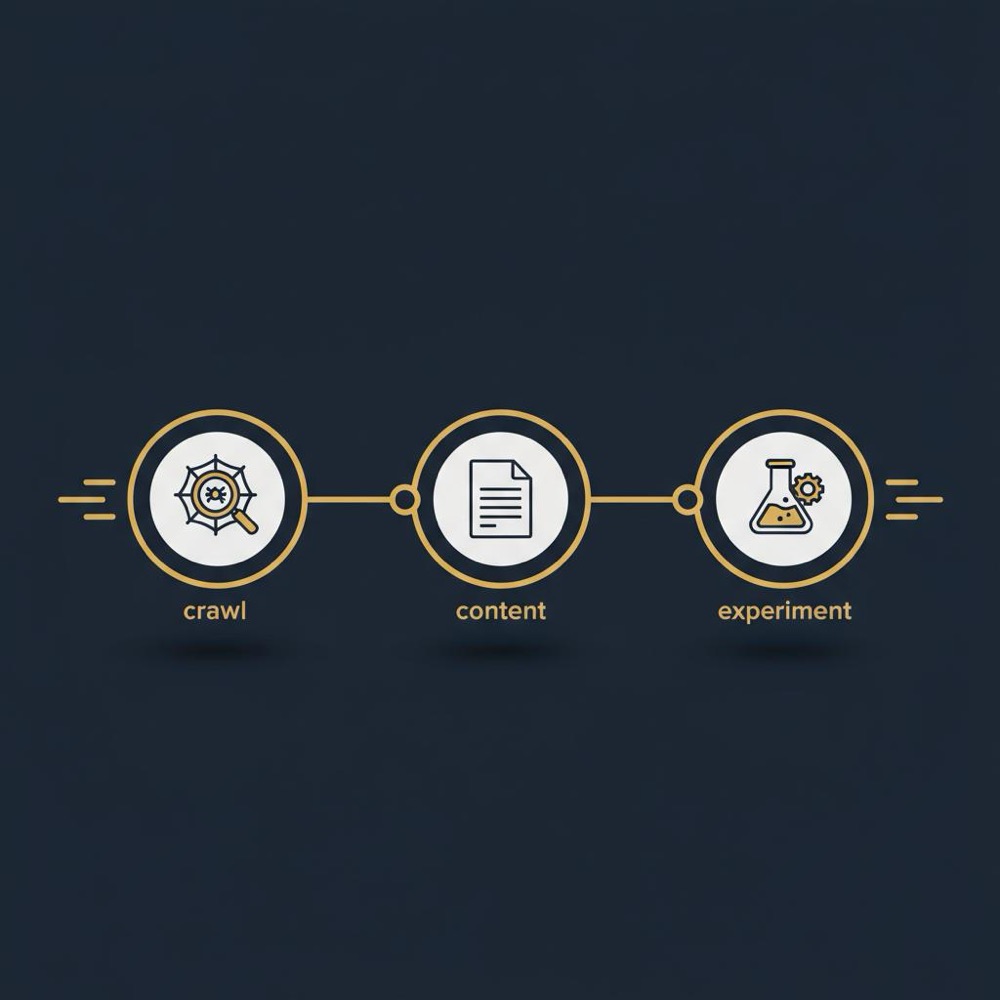
Turn learning into measurable growth with practical support
Ready to turn practice into reliable results? If you want compact, practical guidance or hands-on help to scale your learning into measurable growth, see how Orvus partners with teams to build systems that work: Explore Orvus services.
Further reading and learning checklist
Keep a short list of docs and one applied project per week. Over time you’ll build a catalogue of experiments, results, and learnings that becomes your strongest proof of competence.
Next steps you can do today
Run a crawl, fix an indexability issue, rewrite a title to match intent, and set up a GA4 event. Small, measurable steps beat grand plans without action.
Closing note
Yes, you can learn SEO on your own. Be curious, be measured, and keep shipping small experiments - your skills will compound, and so will your results.
Yes. Self-taught learners can become employable by combining structured learning with real projects. Employers look for demonstrable results: audits you ran, experiments you executed, and measurable lifts in traffic or conversions. Build a small portfolio of case notes showing the problem, your action, and the outcome.
Begin with Google Search Console and GA4 for measurement, a free site crawler (like Screaming Frog free mode or open-source alternatives), browser extensions (Lighthouse, Web Vitals), and keyword research using tools with free tiers. These will let you audit indexability, measure page performance, and track basic search appearance without paid subscriptions.
Consider partnering with a specialist when you need faster impact, a systems-level rebuild, or help turning experiments into scalable systems. Orvus is helpful when channels plateau, reporting is unclear, or teams need compact, high-context systems. Tactfully consider external help when internal bandwidth or expertise prevents measurable progress.
References
Want this kind of work done for your business?
We build and run AI-powered marketing and automation. 15 minutes, honest assessment.
Book a call