 Orvus
OrvusIs HomeAdvisor free for contractors?
December 3, 2025
Is HomeAdvisor free for contractors?
Short answer: HomeAdvisor offers both free visibility and paid lead options, but most contractors who expect steady inquiries will work with paid leads to get reliable, local project opportunities. In this guide we'll explain exactly what is free, what costs money, and how to use the platform while protecting your reputation and budget.
Note: This article answers core pricing and practical questions, then shows how to build trust on online platforms like HomeAdvisor so the leads you buy actually convert.
How HomeAdvisor's model actually works
At its core, HomeAdvisor connects homeowners with contractors. The platform allows contractors to create a basic listing for free, but the company monetizes the marketplace by selling leads to professionals. That means you can claim a profile and appear in searches without paying up front, but many of the most visible, conversion-ready features are tied to paid programs. For a quick primer on the marketplace mechanics, see How HomeAdvisor works.
Free elements include:
- A basic profile that lists contact details, services, and photos.
- Limited visibility in search results (organic placement depends on the platform's algorithm and local supply/demand).
- The ability to receive some organic clicks or messages if your profile is compelling.
Paid elements include:
- Pay-per-lead options where you pay for customer contacts that match your service area and job type.
- Enhanced listings and advertising packages that increase visibility.
- Background checks, badges, or other verification features that may be part of premium offerings.
Understanding that distinction is the first step. Many contractors find the free listing useful as a starting point, but the paid lead model is where volume and predictability come from.
If you want a quick, unbiased review of whether HomeAdvisor fits your business, contact Orvus - they help small businesses test lead platforms without wasting budget.

What “free” really means for contractors
When a platform advertises a free profile, it’s an invitation to join the ecosystem. It’s not a promise of equal footing with paying providers. Think of the free profile as a storefront window. You can hang a sign and show a little of your work - but if your neighbor pays to light a big billboard, more people will notice them first.
So yes, a free presence can bring occasional leads, especially if you optimize your profile with real photos, clear service descriptions, and timely responses. But predictability - the steady flow of inquiries you need to schedule crews and plan cash flow - often requires the paid lead approach.
Paid leads increase opportunity but don’t guarantee jobs; conversion depends on your response speed, profile trust signals, pricing fit, and how well you screen leads - track these factors over 60-90 days to judge true value.
Who benefits most from the free option?
Small contractors who are just getting started, or trade pros with light demand, can use the free profile as an experiment. If your schedule is already full, a free listing might suffice to capture occasional work. But if your goal is growth, you’ll likely need a plan that includes testing paid leads while measuring cost per booked job.
Costs and expectations: pay-per-lead explained
HomeAdvisor’s primary revenue mechanism for contractors is pay-per-lead. That means when a homeowner posts a project and HomeAdvisor passes that contact to professionals, contractors pay a fee for the lead. Fees vary by project type, region, and the competitiveness of your market. For a recent breakdown of lead costs by service and state, check this guide: Home improvement leads cost 2025.
Important expectations: Paying for leads is not the same as winning jobs. A paid lead is a contact - not a booked job. Expect to contact that homeowner quickly, provide a fair quote, and follow up. The conversion rate from paid leads to booked jobs depends on your speed, price, trust signals, and how well the lead matches your skills.
How to evaluate lead value
Measure these numbers over a trial period:
- Number of leads purchased
- Number of leads that were legitimate and accurate
- Number of leads that resulted in a site visit or quote
- Number of closed jobs and average job value
Divide total spend by booked jobs to calculate cost-per-acquisition (CPA). That figure tells you whether HomeAdvisor is profitable for your business.
Smart testing: a 90-day plan
To judge any lead source, try a structured test. A typical 90-day plan looks like this:
- Month 1: Create a complete profile, confirm phone and email routing, and buy a small number of leads. Track every lead at the moment you get it.
- Month 2: Refine your response script, test price points, and note which job types convert best.
- Month 3: Calculate CPA and compare to your margins - decide whether to scale or stop.
Three months gives enough data to spot patterns. Don’t let a single bad week decide the outcome.
Trust and profile optimization: the difference between paid leads that convert and wasted spend
Buying leads without optimizing your profile is like buying billboards without a good phone number - you may pay a lot and see little return. Here’s how to make leads count.
Begin with purpose and clarity
Be explicit about who you serve. A clear, short sentence at the top of your profile helps the right homeowner say “yes” quickly. Example: “Licensed kitchen remodeler serving midtown homeowners with projects under $30k.” That specificity prevents mismatches and saves money.
Use plain language
Avoid industry jargon on your profile and in quotes. Homeowners respond to simple, direct language. Plain speech reduces friction and speeds hiring decisions.
Show, don’t just tell
Illustrate results with short before/after photos and a single-sentence case study. Instead of saying “we’re efficient,” write: “We remodeled a 120-sqft kitchen in two weeks; the homeowner saved $X and hosted a dinner after the install.” Concrete stories build trust faster than adjectives.
Authentic photos beat glossy stock
Real job photos, even taken on a phone, are more persuasive than staged stock images. Authenticity signals competence and helps homeowners imagine the result. Add captions that explain the work and the timeframe.
Set small, believable promises
Advertise commitments you can keep: “Free estimate within 48 hours,” or “We respond to messages within one business day.” Small, kept promises compound into a reputation that converts paid leads into booked jobs.
Reputation management on HomeAdvisor
Reviews matter. HomeAdvisor displays customer ratings and testimonials prominently. A handful of thoughtful, specific reviews will boost click-through and trust more than an array of generic five-star comments.
Ask for reviews, and respond to them
After a completed job, ask the customer to leave a short review with one specific detail of the project. When negative feedback happens (and it might), reply quickly and humanly: acknowledge, propose a next step, and explain how you’ll do better. That public response can turn critics into advocates.
When to rely on the platform and when to invest elsewhere
HomeAdvisor is a demand-generating platform. It can be great for discovery, especially for contractors who want to fill gaps in their schedule. But it shouldn’t be your only channel. Diversify with a strong website, local SEO, Google Business Profile, and direct customer outreach.
Think of HomeAdvisor as a channel in a balanced marketing mix: useful for volume, but not a substitute for owned assets that compound over time. Use HomeAdvisor to test messaging that you can then own and repeat on your site and local profiles - for examples of agency work and case studies, see Orvus projects and our perspectives.
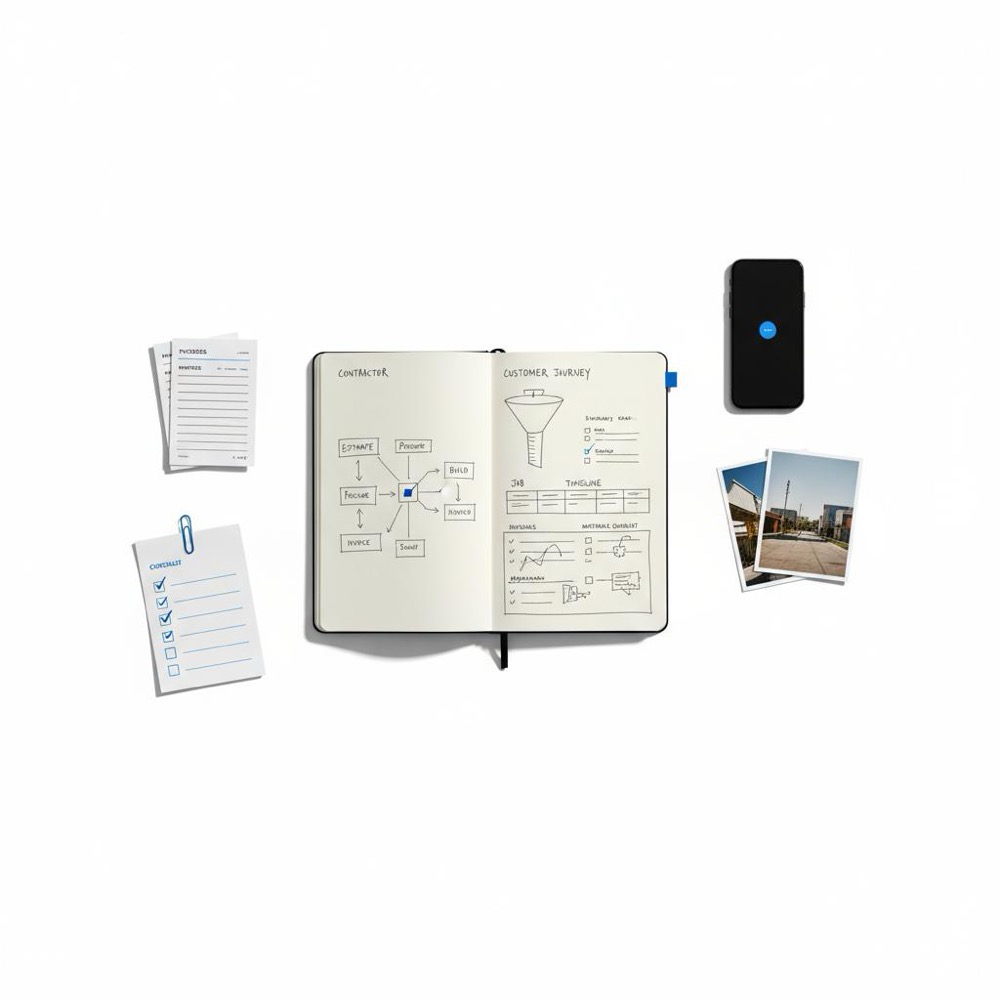
Testing lead platforms is time consuming and requires disciplined tracking. If you want focused, practical help without agency-speak, consider getting a short audit from specialists who work with contractors. They can help you run a 90-day experiment, build a measurement sheet, and optimize messaging so the paid leads you buy actually turn into booked jobs.
Protecting your margins and your reputation
Two common mistakes cost contractors money on lead platforms: taking every lead regardless of fit, and quoting without a quick on-site assessment. Both lead to disappointed customers and expensive rework.
Screen leads early: Ask a few qualifying questions before accepting a job. If a lead is outside your service area or well below your typical project size, politely decline - it saves time and preserves your rating.
Offer clear scope and payment terms: Give a simple written estimate that lists scope, timeline, and payment terms. Clear expectations reduce disputes and protect your review score.
Measuring success beyond clicks
Don’t be seduced by raw lead counts. Measure what matters: the number of booked jobs, average job value, repeat customers, and referrals resulting from platform leads. Use simple spreadsheets or lightweight CRM tools to track the journey from lead to paid invoice.
Suggested tracking fields
- Lead source and date
- Job type and estimated value
- Response time (minutes/hours)
- Outcome (no show, quoted, booked, canceled)
- Revenue and gross margin per closed job
Common contractor questions about HomeAdvisor
Is HomeAdvisor free for contractors?
Yes and no. You can create a profile for free, but most meaningful volume comes from paid leads and advertising. Think of free as a low-cost way to test presence; think of paid as the way to buy predictable visibility.
Will paid leads on HomeAdvisor guarantee jobs?
No platform can guarantee closed deals. Paid leads increase opportunity, not certainty. Your speed, pricing, trust signals, and fit with the homeowner determine conversion.
How long should I test HomeAdvisor?
Run a deliberate test for 60-90 days with consistent tracking. That timeframe reveals whether lead quality and cost align with your margins.
Alternatives and when to compare
If you find HomeAdvisor’s cost-per-lead too high or the fit poor, compare it with Google Ads, local Facebook groups, Nextdoor, and organic search optimization. Each channel has tradeoffs: paid search tends to be immediate but expensive; organic search is slower to grow but cheaper per booking once it’s working. For a comparison of lead platforms including Angi and HomeAdvisor, see Angi vs HomeAdvisor.
Why Orvus can help
Testing lead platforms is time consuming and requires disciplined tracking. If you want focused, practical help without agency-speak, consider getting a short audit from specialists who work with contractors. They can help you run a 90-day experiment, build a measurement sheet, and optimize messaging so the paid leads you buy actually turn into booked jobs.
Checklist: Optimizing your HomeAdvisor profile
- Clear, plain-language headline describing who you serve and what you do.
- Real photos of work and short captions.
- A small, believable promise (response time or warranty).
- A plan to request reviews from happy customers.
- Screening questions to disqualify low-value leads quickly.
- A tracking sheet for leads and outcomes.
Case study: A small contractor’s quiet win
One small remodeler tested HomeAdvisor with a tight plan. They optimized their profile with real photos and a clear service sentence, bought a modest number of paid leads for 90 days, and tracked outcomes. They found that 1 in 10 paid leads converted to a booked job that matched their target size. By focusing on fit and fast responses, they kept cost-per-acquisition reasonable and used the platform revenue to fund a simple local SEO push. The result: more predictable work and a better pipeline for slow months.
Final recommendations for contractors
- Start with a free profile and optimize it like a website landing page.
- Run a 90-day paid test with disciplined tracking.
- Prioritize profile trust signals: real photos, honest reviews, quick replies.
- Screen leads early to protect margins and reputation.
- Use insights from platform tests to improve your owned channels.
Extra tip
Don’t be afraid to say no. Declining a lead that’s a bad fit saves time and keeps your review record healthier. Quality beats quantity when you’re building a local brand.
Design a low-risk test for HomeAdvisor with expert help
Ready to test HomeAdvisor without wasting budget? If you want help designing a 90-day test and measuring real ROI, reach out to Orvus for a short audit and practical next steps.
HomeAdvisor can be a useful channel in your marketing mix - just treat it like a testable tool, not a magic wand. With clear expectations and good tracking, you’ll know whether the platform deserves a permanent place in your business plan.

Resources and next steps
- Create your one-page audit: read your profile aloud as if you were explaining it at a café.
- Choose three small changes to make today: simplify the headline, swap a stock photo for a real job photo, or add a short testimonial near contact details.
- Track every lead from the moment it arrives.
HomeAdvisor can be a useful channel in your marketing mix - just treat it like a testable tool, not a magic wand. With clear expectations and good tracking, you’ll know whether the platform deserves a permanent place in your business plan.
Want a quick checklist to keep at your desk?
Keep these three lines handy: respond fast, show real work, and track outcomes. Those simple habits turn purchased visibility into lasting business.
Good luck out there - test, measure, and keep the work that pays.
HomeAdvisor offers a free basic profile, but most consistent volume comes from paid lead programs and advertising. Use the free profile to test presence, but expect to purchase leads if you want predictable inquiries.
Run a structured 60-90 day test, track every lead, screen leads early with qualifying questions, and measure cost-per-acquisition (CPA). Optimize your profile with real photos, clear promises, and quick responses so the leads you buy convert at a higher rate.
Yes. Orvus offers practical audits and short experiments to test lead platforms. They help contractors set up a 90-day test, track outcomes, and adjust messaging so paid leads turn into booked jobs - contact them for a short, actionable audit.
References
Want this kind of work done for your business?
We build and run AI-powered marketing and automation. 15 minutes, honest assessment.
Book a call