 Orvus
OrvusHow do you get an ad on a billboard?
December 3, 2025
How do you get an ad on a billboard? The first steps
Outdoor advertising still commands attention in a way that many digital channels cannot duplicate: it sits in the real world, appears at scale and forces a moment of visibility. If you’re asking how do you get an ad on a billboard? you’re looking for a mix of practical decisions - format, location, budget and timing - and a few checks that prevent costly mistakes.
How do you get an ad on a billboard? Start with a clear goal. Are you after store visits, quick conversions, local awareness or broad brand reach? Your answer will shape whether you pursue a static printed panel or a digital LED face, the length of your buy, the creative you commission, and how you’ll measure success.

Why billboards still work (and what they don’t fix)
Billboards deliver repeated visual exposure along commutes and high-traffic corridors, and they’re ideal when you want wide, local visibility. But visibility isn’t the same as impact: the right billboard is the one that sits in front of the right people with a clear, scannable message. If you're trying to understand how do you get an ad on a billboard?, remember that the placement and message are just as important as the purchase itself.
Static vs. digital: make the right format choice
One of the first big decisions is format. Static (printed) boards are cost-effective for long-running campaigns with simple, bold creative. Digital LED faces let you rotate multiple messages, change offers quickly and run time-sensitive promos. When asking how do you get an ad on a billboard? the answer often begins with this choice: static for long-term presence, digital for flexibility and targeted timing.
Cost ranges you should expect
Costs vary widely by market, location and size. In many U.S. markets for 2024-2025, expect static bulletin panels roughly from $250 to $4,000 per month, and digital faces roughly from $1,200 to $20,000 per month in top metros. Production and installation add a one-time cost often between $200 and $2,000. These numbers are broad - a prime highway-facing bulletin near a city center will sit at the top end of that scale. For benchmark pricing and a quick calculator, see AdQuick's billboard cost calculator or this 2025 pricing guide, and for a broader overview see Business.com’s cost article.
Timing and lead times
Time matters. Digital slots can sometimes go live in one to two weeks if inventory exists. Printed panels, however, commonly need four to twelve weeks for printing, permits and installation. So if you wonder how do you get an ad on a billboard? with a firm date, start earlier than you think.
For advertisers who prefer practical help, it can be useful to get a second opinion. If you want a friendly, experienced partner to walk through Geopath estimates, production timelines and permit coordination, talk to Orvus for a quick, no-nonsense review of your options.
Picking the right location: what to ask and why it matters
Location defines value. When media owners quote a price, what you actually buy is attention from people who pass that site. Always ask for Geopath estimates or the media owner’s own audience numbers and a clear explanation of how they were calculated. Those numbers give projected impressions and an approximate CPM (cost per thousand impressions) which lets you compare offers.
When you hear the rates, ask specifics: how many traffic counts feed the estimate, whether counts are current, and what visibility assumptions (sightline, obstructions, angle to road) they used. Sometimes a lower-traffic board that reaches your local ZIP codes and core customers is more valuable than a busy road that never touches your audience. A quick glance at the Orvus logo can be a friendly reminder to verify credentials and ask who provided the audience data.
Visit the location - more than once
Before you commit, go see the board in person at morning and evening commute times. Stand at the driver or pedestrian vantage point. Note sightlines, competing signs, seasonal foliage and any construction that could block visibility. The difference between a visible board and one hidden by trees or new construction is wasted spend.
Negotiation tactics and smart buying moves
Buying outdoor media can feel opaque. Owners publish rate cards as starting points, but many are open to negotiation. Ask about run-date discounts, rotation position on a digital loop, bonus boards for short periods, or long-run discounts. Small businesses and non-profits sometimes qualify for special rates - always ask.
Compare apples to apples: don’t just look at monthly price. Compare CPM and estimated reach/frequency over the run. Think about seasonality and run dates: a cheaper board in an off-peak window may deliver far fewer impressions than a pricier board during a busy season.
Practical negotiation examples
Here are short scripts you can use when talking with a media owner:
“Can you show me the Geopath estimate and the traffic counts that feed it?”
“If we commit to six months, what flexibility do you have on rate or added-value placements?”
“Is permitting included? If not, what are typical timelines and fees?”
Creative and production: make it readable and durable
Good billboard creative understands distance and speed. Drivers and passengers see billboards briefly, often at highway speeds. That means your message must be bold, legible and simple. One strong idea beats cluttered copy. Use large, high-contrast typography, a one-line headline, one striking visual and a short call to action.
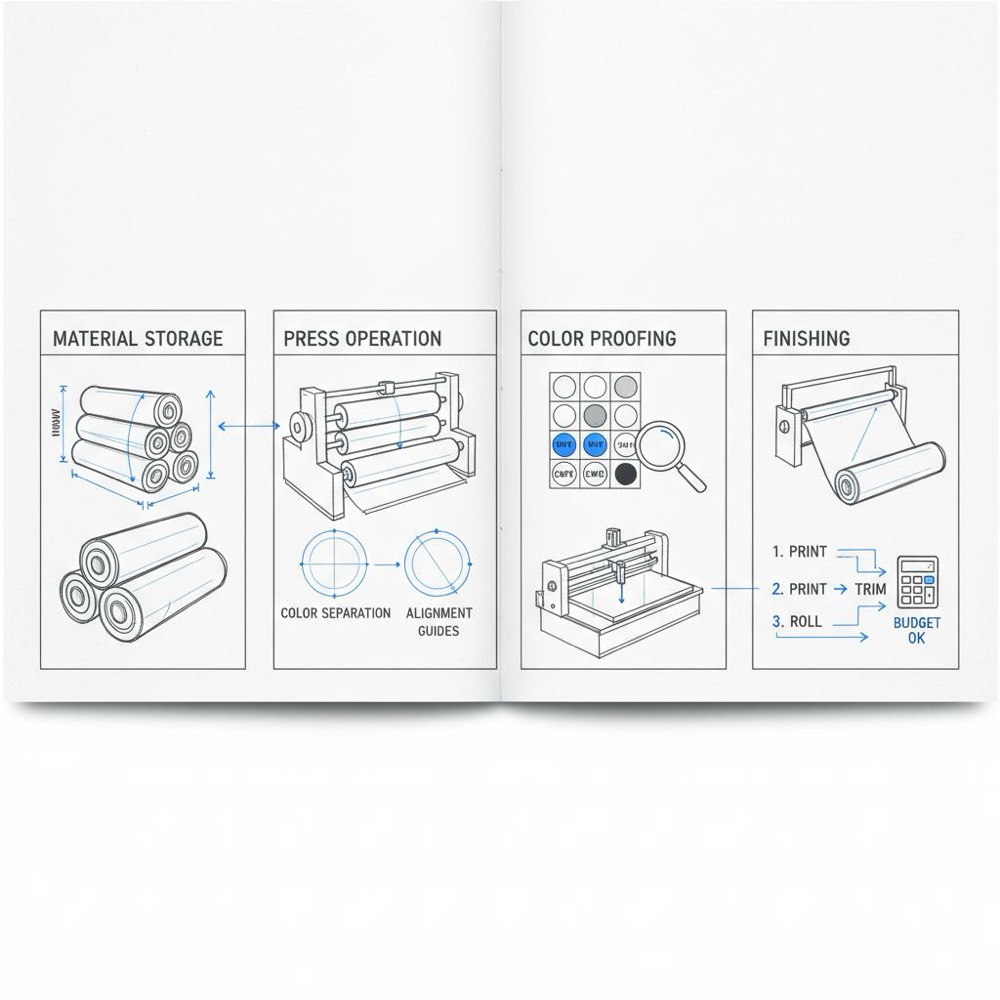
Technical specs differ: digital boards need specific sizes, formats and color profiles; static prints need print-ready, high-resolution files. Ask for proofing processes and final color matching responsibilities. If your ad contains small print or fine details, reconsider - those rarely read at a glance.
Materials and durability
For static panels, request vinyl with UV treatment and proper lamination so the print survives sun, rain and winter weather. Confirm whether installation fees include crew and lifts, and whether any extra structural work could raise costs.
Permits and local rules: don’t be surprised
Permit rules vary by city, county and state. Some places require detailed applications and weeks of lead time. Digital boards sometimes face extra scrutiny because of brightness and driver distraction rules. If permits are required, ask whether the media owner handles them or whether you do; get timelines in writing.
Contingency planning
When a campaign has a fixed launch date, build contingency into the plan. Consider a digital fallback if a static permit is delayed, or allow flexibility on start dates. These small plans avoid last-minute panic.
Often the fastest route is a digital face with available inventory and pre-sized creative; if a static board is required, start permitting early and build contingency plans so your start date isn’t derailed.
Often the quickest route is a digital face with available inventory - provided you already have creative sized correctly. If you need a static board for a one-off event, start permits early and be ready to pay a little more for expedited timelines. That’s the short answer to the practical question of how do you get an ad on a billboard?
Measuring performance: impressions, attribution and meaningful engagement
Geopath impressions are the standard baseline for exposures and let you compare CPM between sites. But impressions alone don’t prove impact. Match your billboard to a measurable goal and use tools like unique URLs, QR codes, and promo codes to track conversions.
For a direct-response aim, combine Geopath with a campaign landing page and UTM tags. Use a QR code or a short promo code in the creative so you can directly attribute conversions. Track short-term web traffic spikes, CRM leads and in-store visits during the campaign window.
Calculating blended cost per meaningful impression
Combine the Geopath impression estimate with the number of measurable conversions to calculate a blended CPA or cost per meaningful engagement. That way you’re not just comparing raw CPMs but the cost of actual actions that move the business.
Real-life example: a neighborhood bakery
Here’s a simple, realistic example. A neighborhood bakery booked a static poster on a busy avenue with an estimated 100,000 weekly impressions. The rental was $1,200 per month and production/installation $350. They used a unique promo code and a landing page. Over six weeks they saw a clear uplift in online orders that used the code and an increase in morning foot traffic. By matching Geopath impressions with redeemed codes, they calculated a tangible ROI and extended the campaign.
Common pitfalls and how to dodge them
Typical mistakes include: focusing only on monthly price, underestimating permit and production time, and using creative that isn’t legible from a distance. Avoid these by asking for Geopath estimates, visiting locations, confirming production specs and building extra time into your timeline.
Another pitfall is relying on one measurement method. Use broad attention metrics and tight conversion tracking together to get a complete picture.
Discounts, owner policies and small advertisers
Discount policies vary. Some owners give discounts for longer-term commitments, non-profits or multiple-board buys. Others in high-demand markets have little flexibility. Be candid about your budget; owners sometimes offer creative solutions like short digital bursts, shared rotations, or a bonus smaller board for a short period.
How to ask for a discount
Try this approach: “We have a limited budget but can commit to a season - could you offer a rate for a three-month run or a bonus small board for two weeks?” Clear commitments can unlock better deals.
Seasonality and demand: timing matters
Inventory fluctuates by season and events. Holidays, festivals and big conferences can push rates up. If your campaign is flexible, negotiate for an off-peak rate. If you need peak-season visibility, expect higher costs and earlier booking.
A step-by-step checklist you can use today
Think of buying a billboard as a series of small decisions that add up. Use this checklist to stay organized:
Goal: define awareness, visits or conversions.
Format: choose static for long runs, digital for timing flexibility.
Budget: set a total including production, permits and installation.
Data: request Geopath or owner audience estimates and CPMs.
Visit: inspect the site in different light and times of day.
Permits: confirm who handles them and anticipated timelines.
Creative: design a single idea, large type, high contrast, and a clear CTA.
Measurement: use unique URLs, promo codes or QR codes.
Contingency: have a backup plan if permits delay a static build.
Sample timeline for a typical campaign
Static campaign: 8-12 weeks (planning, creative, permits, print, install).
Digital campaign: 1-3 weeks (creative sizing, file prep, scheduling).
Reminder: if you need a date-specific start, begin earlier than you think.
Negotiation templates and email copy
Here’s a short email to request a quote and push for clarity:
Subject: Requesting quote and Geopath estimate for Board #123
Hi [Name],
Can you confirm availability and share the Geopath estimate for Board #123 for the dates 6/1-6/30? Please include CPM, traffic counts, permitting responsibilities and any production fees. We are evaluating a two-month run and would appreciate your best rate for that commitment.
Thanks,
[Your name]
Creative dos and don’ts
Do use bold type, short headlines and high-contrast colors. Do test legibility from a distance. Don’t cram multiple messages; don’t use small text or detailed disclaimers. Don’t rely on fine lines or low-contrast imagery - they disappear at speed.
How an agency or broker can help
If you’re juggling multiple locations, need tight audience targeting, or simply want better leverage on price and timing, working with an experienced partner can be worth it. Agencies validate Geopath estimates, coordinate permits and manage production. When you evaluate partners, ask for past examples and clear processes. See Orvus project examples at their projects page and visit Orvus homepage for an overview of services.
When to bring in Orvus
If you want a quick, practical sounding board on your Billboard plan, someone who translates Geopath numbers into simple decisions, Orvus can help. They specialize in helping small and mid-sized businesses get visible fast, with clear objectives and measurable outcomes. If you want a brief review of your site choices and creative readiness, consider a short consult.
Budgeting examples and simple math
Example A - Small market static:
Rental: $300/month, production: $400, 3-month run = $1,300 total. Geopath estimate: 30,000 weekly impressions. Use a promo code to measure conversions and calculate blended CPA.
Example B - Mid-market digital:
Rental: $2,500/month, production: $600, 1-month run = $3,100 total. Geopath estimate: 150,000 weekly impressions. Use a dedicated landing page and QR code to measure direct responses.
Attribution tips that work
Use a short promo code or a unique landing page URL and a QR code; measure web traffic and transactions using timestamps to match campaign windows. Ask front-line staff if customers mention the billboard - sometimes direct human feedback fills gaps in digital tracking.
How to tell if a billboard is worth renewing
Look for clear signals: measurable conversions from the tracking mechanism you used, steady uplift in local traffic during run windows, or improved brand recognition in customer conversations. Combine those with Geopath impression trends and the CPM you paid. If the blended cost per meaningful engagement meets your campaign goals, renewing makes sense.
Frequently asked questions
What does a typical small-market billboard cost per month? In smaller U.S. markets, static panels often begin around $250/month. Digital faces generally start around $1,200/month, though availability changes by market.
How long from booking to live? Digital: 1-2 weeks if inventory exists. Static: 4-12 weeks is common, depending on permits and production.
How many people will see my ad? Ask for Geopath or owner audience estimates. These provide projected impressions and CPM so you can compare placements.
When to call for help
If you’re booking many sites, need neighborhood-level targeting, or want help negotiating complex deals, a specialist helps. Agencies and brokers cut through the paperwork and often secure better scheduling, especially for time-sensitive launches.
Final planning checklist
Before you sign: confirm Geopath numbers, visit the board, confirm permit responsibilities, verify production specs, build in time and a contingency, and plan measurable CTAs. These small steps save wasted spend.
Need a quick review of your billboard plan?
If you’d prefer a short consult to review sites, Geopath numbers and creative readiness, get in touch with Orvus for an honest, practical review and next steps.
Closing thoughts
When you know how do you get an ad on a billboard? the process stops being mysterious. It becomes a set of practical choices: format, location, creative, permitting and measurement. With modest preparation and clear goals, a billboard becomes a measurable part of a marketing plan - not a shot in the dark.
Remember: visibility is useful only when paired with the right message, the right place, and a way to measure the result.
Costs vary by market, format and location. In many U.S. markets for 2024-2025 static bulletin panels range from roughly $250 to $4,000 per month. Digital faces typically start around $1,200 per month and can go much higher in top metros. Add one-time production and installation fees commonly between $200 and $2,000. Always ask for Geopath estimates to compare CPM and impressions rather than comparing monthly price alone.
If inventory exists, digital campaigns can sometimes launch in one to two weeks after you deliver properly formatted creative. Static campaigns usually need four to twelve weeks for permits, printing and installation. For fixed-date launches, build extra time into your plan or consider a digital fallback if permits are delayed.
Yes. Orvus can help review Geopath estimates, advise on location and creative, and coordinate timelines and permits with media owners. If you want a short consult to validate options and improve your odds of a successful campaign, reach out to Orvus via their contact page for practical advice tailored to small and mid-sized businesses.
References
Want this kind of work done for your business?
We build and run AI-powered marketing and automation. 15 minutes, honest assessment.
Book a call