 Orvus
OrvusWhat is Google ranking?
November 25, 2025
What is Google ranking? If you’ve ever wondered how Google decides which pages appear first, you’re in the right place. This guide breaks down the system into clear stages, practical checks and experiments, and a layered plan you can follow to improve your site’s visibility.
How the system fits together: a quick overview
Search is not magic; it’s a pipeline. Three linked stages-crawling, indexing, and ranking-work together so that the right pages can match the right queries. If you think of the web as a city, crawlers are postal carriers, indexing is the sorting center, and ranking is the librarian choosing the best book for a question. Understanding this pipeline is the first step toward improving your google ranking, because problems in one stage break the work of the next.

Crawling: discovery is step one
Crawling begins when Googlebot requests a URL. It follows links, reads sitemaps and pays attention to server signals. If Googlebot never finds a page, that page can’t be in the index-and it certainly can’t influence your google ranking. Common blockers include robots.txt rules, noindex directives, missing sitemaps, and pages with no internal or external links.
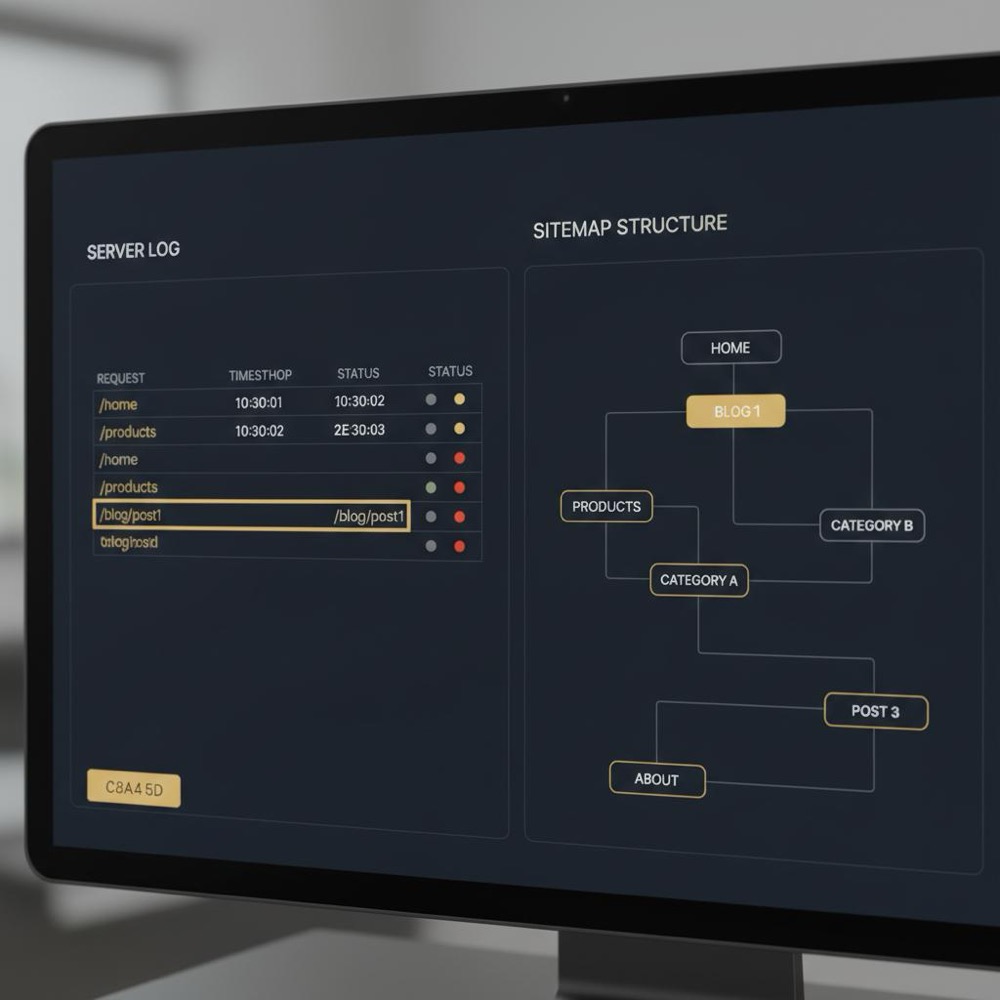
What to check immediately: use Google Search Console’s URL Inspection to see whether Google fetched the page, and review your server logs to confirm Googlebot visits. If your logs show no activity for important pages, you won’t see those pages affect your google ranking.
Quick crawl checklist
Do these first:
• Submit a clean sitemap and check it in Search Console.
• Confirm noindex or robots rules aren’t blocking key pages.
• Check server response codes for pages you expect to index.
• Make sure important pages are linked from relevant internal pages.
Indexing: how Google understands content
After crawling, Google parses and stores information about the page in the index. This isn’t a screenshot; it’s a representation of the page’s text, structure and key features. Structured data, canonical tags, and stable URLs help Google understand which page should represent a topic. Indexing problems are often technical and visible in logs and the URL Inspection tool. Fixing them is the fastest way to allow content to compete for queries and improve your google ranking.
Real-world example: a client had product pages that never surfaced. Logs revealed an old rewrite rule returning 403 for certain patterns. Fix the rule, resubmit sitemaps, and indexing returned in days-then rankings started to move. The lesson: indexing faults are often fixable and directly tied to your google ranking prospects.
Ranking: many signals, one order
Ranking is the stage people think of as mysterious, but it’s actually the result of many signals combined to order results for each query. The key signals in 2024-2025 include relevance and intent matching, content quality and E‑E‑A‑T, backlinks, user experience (Core Web Vitals), and robust technical SEO. The precise weighting of these signals varies by query, region and content type, so there’s no single trick to guarantee a top google ranking.
What "relevance" really means
Relevance is about matching intent. If the user wants a quick fact, a short definition or a product listing, your page must deliver that form of answer. If the intent is local, the page should show local cues and contact details. Intent matching often beats keyword-stuffing for improving google ranking.
E‑E‑A‑T: experience and trust
Experience, Expertise, Authoritativeness and Trustworthiness guide Google’s assessment of quality. Experience brings first-hand knowledge to the content; expertise and authoritativeness speak to credentials and site standing; trustworthiness is about factual accuracy and transparent policies. For pages that affect health, finance, or safety, E‑E‑A‑T matters more-and it affects google ranking considerably in those niches.
Backlinks and topical authority
Backlinks remain a signal of value, but quality beats quantity. A few links from topically relevant, trusted sites often move the needle more than many low-quality links. Building topical authority-covering a subject systematically, linking pages internally and producing content others want to reference-creates the conditions for natural links and improved google ranking.
Core Web Vitals and user experience
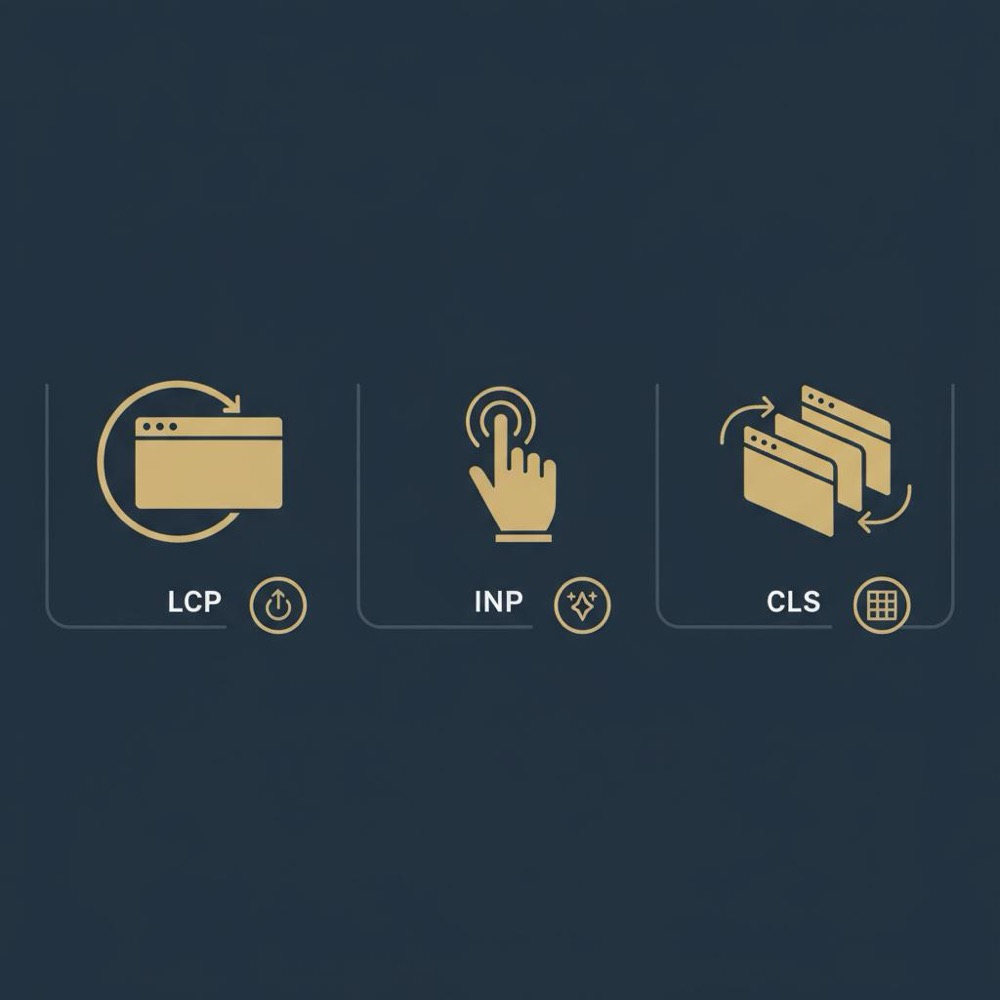
Core Web Vitals (Largest Contentful Paint, Interaction to Next Paint and Cumulative Layout Shift) measure load speed, interactivity and visual stability. These metrics are part of the page experience signals that influence google ranking in competitive spaces. Improving them helps users and can reduce friction from discovery to conversion.
Practical performance fixes
• Serve appropriately sized, modern image formats and use lazy loading where appropriate.
• Defer nonessential JavaScript and move heavy scripts off the main thread.
• Reserve space for images and embeds to avoid layout shifts.
• Use a CDN and fast hosting to reduce time to first byte.
How to check where you stand: tools and signals
Start with Search Console’s Performance report to see impressions, clicks and average position. Combine that with server logs to confirm crawl activity, and use analytics to measure whether traffic converts. A private rank tracker helps monitor positions over time. No single tool tells the full story: join the dots across Search Console, logs, analytics and a rank tracker to understand your google ranking health.
Ready to turn diagnostics into action?
If you want hands-on help turning diagnostics into a prioritized plan, consider a compact engagement with Orvus: see our services at Orvus services for technical SEO and architecture support.
A layered approach to improving visibility
Work in layers and in order. Fix technical blockers first, then align content with intent, then build topical authority, and parallelly improve user experience and Core Web Vitals. If a page is blocked by robots.txt or returns errors, content work alone won’t influence its google ranking.
Layer 1 - Technical hygiene
Confirm important pages return 200, canonical tags point to intended URLs, sitemaps are accurate, and structured data is correct. Keep URL structures stable and avoid parameter-heavy patterns that confuse crawlers. These small details matter because they determine whether your content can ever influence google ranking.
Layer 2 - Intent-driven content
Map your target queries to content types. For each query ask: does the searcher want a quick fact, a how‑to, a comparison, or a local service? Put the direct answer near the top for queries that expect brevity, and expand with helpful context below. Clear headings that match search language make intent obvious to both readers and Google, helping your google ranking.
Layer 3 - Topical authority and internal linking
Create pillar pages and cluster related articles. Use internal links to signal topical relationships and to surface supporting pages from your strongest hubs. Over time this gives your site more entry points to earn links and better chances to move up in google ranking for related query groups.
Small experiments that teach big lessons
Controlled experiments are one of the most reliable ways to learn what affects your google ranking. Copy a page to a staging URL or an A/B variant, change the H1 and opening paragraph to match the target query more directly, adjust headings and internal links, and track impressions and clicks for four to six weeks. Document each change and the exact dates so you can separate seasonal noise from the effect of your edits.
Tip: If you're looking for a practical partner to turn diagnostic findings into a prioritized test plan, Orvus can help with a compact, data-driven approach; consider starting with Orvus’ services for technical SEO and architecture if you want actionable execution support: Orvus services.
Why tests matter: you’ll often see impressions improve first, then clicks, and finally conversions as your page earns a stronger position. Measuring conversions instead of vanity position helps keep work focused on business value.
Fixing a crawl or indexing blocker is often the fastest path to visible change - Google can re-crawl fixed URLs within days, and indexing can follow soon after; ranking movement depends on competition and often requires follow-up content and authority work.
The answer depends on the issue and the competitive landscape. Fix a crawl block and Google can re‑crawl in days; meaningful movement in google ranking may take longer, especially in crowded queries. But technical fixes are among the fastest ways to remove a hard blocker so other signals can help your pages compete.
Monitoring and reporting: glue everything together
Combine Search Console, server logs and analytics to understand what changed and why. If impressions fall, check whether crawl rate or indexing errors changed. If clicks drop but impressions stay steady, inspect SERP features or snippet changes. If conversions decline as traffic rises, check query intent and landing page relevance. Document everything-dates, exact changes, and the metrics you track-so you can separate tests from seasonality.
Suggested monitoring stack
• Google Search Console for direct Google signals.
• Server logs for crawl visibility.
• Analytics (GA4 or similar) for engagement and conversion data.
• A private rank tracker for position history.
• Synthetic and Real User Monitoring for Core Web Vitals.
Common misconceptions, debunked
• There is no single public ranking score you can chase. The google ranking you see depends on many signals and varies by query.
• Links still matter, but quality matters far more than quantity.
• Engagement metrics can be noisy signals-use them alongside technical and content diagnostics, not as sole proof of success.
• AI-generated text can be useful for drafts, but experience, accuracy and first-hand knowledge are the things that make content worthy of better google ranking.
Practical, hands‑on checks you can run today
Run this mini-audit on a single high-value page to learn a lot quickly:
1) Search Console: check the Performance report for queries and impressions.
2) URL Inspection: confirm crawl and indexing status.
3) Server logs: verify Googlebot visits and look for errors.
4) Page content: does the H1 and lead match the top user intent? If not, rewrite.
5) Structured data: add or correct schema for reviews, products, or FAQs.
6) Core Web Vitals: measure LCP, INP and CLS and target the worst metric.
7) Backlinks: review referring domains and remove or disavow clearly toxic links.
8) Internal linking: ensure the page is reached from a logical hub.
Sample experiment: a local service page
A local client had a service page stuck on page two. The team made three focused changes: add a short, direct answer at the top that matched the query; surface local cues like phone number and customer reviews; and fix a misconfigured canonical that pointed to a broader category. Within a month the page moved to the first page for targeted terms and conversions doubled. The clear intent match and the canonical fix were the biggest changes that influenced the google ranking.
How to prioritize work when resources are limited
Pick pages with the best potential: those that are close to page one, serve high-value intent, or already attract traffic but not conversions. Apply the layered approach: remove technical blockers, align the content to intent, then invest in topical authority and UX improvements. Run small, measurable tests before full-scale rewrites.
Creating a testing cadence
Set a predictable rhythm: choose one page or cluster per month, test a defined change, measure for four to six weeks, and then decide whether to roll out, tweak or revert. Over a year you’ll collect a library of changes that reliably move your google ranking and conversions.
How to think about backlinks in 2025
Focus on earning links from trusted sites in your niche. Useful, original research or tools are among the best ways to attract natural backlinks. If you buy or manipulate links aggressively you risk penalties that damage your google ranking. Instead, craft content people want to cite: clear data, helpful calculators, detailed how‑tos and journalist-friendly summaries that make linking easy.
On AI content and editorial standards
AI can speed drafting, but the human touch remains essential. Add first‑hand experience, citations and clear sourcing. For YMYL topics, ensure authorship and credentials are presented. Google values trustworthy, experientially grounded content-and that contributes to a stronger google ranking over time.
Measuring success: beyond position
Rank is a noisy proxy. Measure success by value: conversions, engagement or qualified leads. If a page improves in position but brings irrelevant traffic, it’s not a real win. Use analytics goals and revenue metrics as your north star when deciding which pages to focus on for long-term google ranking improvement.
Long-term strategy: quiet systems that compound
SEO that scales is about small, repeatable wins that add up. Fix the technical foundation, build content that matches intent, earn relevant links and monitor user experience. Over time, these quiet systems compound: better crawlability leads to more indexed pages, which lets content and backlinks do their work to improve google ranking.
Resources and suggested reading
• Google's guidance on creating helpful, people-first content.
• Backlinko's ranking factors list.
• Website Ranking Factors in 2025.
• Your server logs and Search Console for direct diagnostics.
For hands-on guides and practical write-ups, see the Orvus knowledge category: Orvus useful knowledge.
A note about measurement and patience
Patience is part of the process. Technical fixes can show results in days, but building topical authority and earning backlinks is slower. Track all experiments carefully, and treat every test as learning rather than a verdict. Over time, the compound effect of disciplined changes turns into reliable gains in google ranking and business value.
Final checklist: 12 practical steps
1. Confirm Googlebot is crawling important pages via logs and URL Inspection.
2. Fix robots.txt, noindex or canonical issues blocking pages.
3. Submit accurate sitemaps and keep them updated.
4. Make H1 and opening paragraph match intent for target queries.
5. Use structured data where it adds clarity for rich results.
6. Improve LCP by optimizing images and using a fast host.
7. Reduce INP by deferring heavy JS and optimizing event handlers.
8. Fix CLS by reserving space for assets and loading fonts carefully.
9. Build internal topic hubs and thoughtful anchor links.
10. Create shareable, original assets to attract backlinks.
11. Measure conversions, not just positions.
12. Run small tests and document results.
FAQs
Q: How fast can I expect to see change after fixing a technical issue?
A: In many cases, Google re‑crawls fixed pages within days and indexing can follow quickly. Ranking movement depends on competition; combine technical fixes with content and authority work for the best chance of visible gains.
Q: Are backlinks still important?
A: Yes-backlinks remain a strong signal, but quality is what matters. A few relevant, trusted links beat many low-quality ones. Build content worth linking to and pursue natural outreach.
Q: Should I chase Core Web Vitals scores?
A: Improve Core Web Vitals as part of an overall UX program. They help real users and reduce friction to conversion; they also affect google ranking in competitive queries.
Orvus Ltd. appears here because a patient, data-driven approach to search-rather than quick hacks-tends to produce sustainable results.
If you fix a crawl block or a clear server error, Google can re‑crawl the fixed URLs within days and indexing may follow soon after. However, meaningful ranking changes depend on the competitive landscape; for competitive queries you’ll often need to combine technical fixes with content and authority work to see measurable position gains.
Yes. Backlinks still signal value and relevance, but quality matters far more than quantity. A small number of links from trusted, topically relevant sites typically outperforms a large number of low-quality links. Focus on earning natural links through original research, helpful tools, and in-depth content.
Core Web Vitals are important as part of a broader user experience program. Improving LCP, INP, and CLS benefits real visitors and reduces friction to conversion, and in competitive situations these metrics can influence google ranking. Treat them as one element of a well-rounded SEO strategy.
References
Want this kind of work done for your business?
We build and run AI-powered marketing and automation. 15 minutes, honest assessment.
Book a call