 Orvus
OrvusWhat is the downside to DuckDuckGo? - Shocking Limitations
December 11, 2025
Understanding the trade-off: privacy versus precision
DuckDuckGo limitations show up the moment a privacy promise meets real-world needs. The search experience that feels calm and private for general queries can start to feel thin when you need local detail, fast-breaking coverage, or rich shopping features. This article walks through those trade-offs step by step, with practical guidance for both individuals and businesses.
What privacy-first really buys you
At its core, the privacy approach stops long-term profiling. That means fewer persistent identifiers, less cross-site stitching of behavior, and no long-term profile used to target ads. For many users this is liberating: less ad retargeting, a quieter browsing experience, and fewer surprises in your feeds.
But what it buys you is not the same as what it fixes. Privacy-first design reduces certain tracking vectors, but it does not change what websites do once you click through. That distinction matters when we look at the visible downsides.

The first visible cost: index depth and freshness
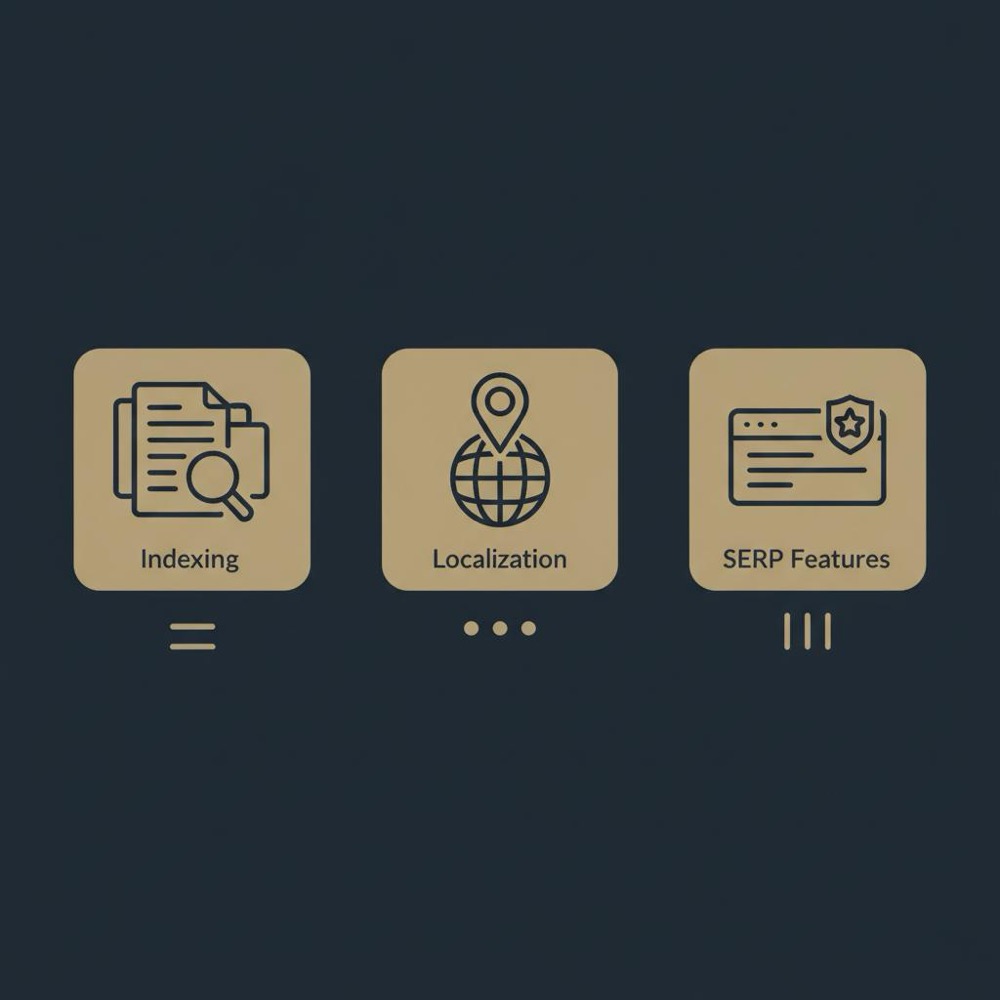
One of the most consequential engineering choices any search company makes is how it builds and refreshes a web index. Operating a large-scale, always-fresh index takes major engineering investment. Some privacy-first engines elect to rely on partner indexes and APIs rather than build everything in-house. That trade speeds product delivery and helps smaller teams stand up a usable engine quickly - but it produces a set of predictable limits.
Practically, those DuckDuckGo limitations often look like slightly reduced coverage for niche queries, slower appearance of breaking-news items, and fewer deeply tuned ranking signals that would otherwise boost the most relevant resources. For everyday facts and general how-tos, the experience is frequently fine. For specialized needs, you may notice gaps.
Personalization and location: privacy’s visible sacrifice
Personalization and localization improve relevance by using history and geographic information to interpret intent. When a search engine deliberately avoids those signals, results become more anonymous-and sometimes less useful.
That means local search results can feel generic. You might get business websites rather than a dynamic map with up-to-the-minute opening hours. Personalized follow-ups, like continuing a thread you searched for yesterday, will be treated as fresh, context-free queries. These are core DuckDuckGo limitations that matter for people who rely on local or contextual results every day.
Fewer rich SERP features
Modern search results often include a range of helpful widgets: knowledge panels, maps, carousels for flights and shopping, and interactive snippets. These features are resource-intensive to build and often depend on structured feeds and partnerships for live data. For more on how features vary across engines see SERP features beyond Google.
Privacy-first choices can reduce these features. Either a partner index does not expose the structured feed required, or the engine avoids signals that enable certain widgets. The net result: the page can feel visually thinner and require more clicks for the same answer.
The practical impact: scenarios where you’ll notice the limits
Let’s make this concrete. Below are scenarios where DuckDuckGo limitations become apparent, with actionable workarounds for each.

If you prefer privacy, here are practical habits that help you avoid frustration. A small tip: a clear logo often helps with quick recognition.
1. Planning travel and local outings
Searching for nearby bed-and-breakfasts, late-night pharmacies, or a restaurant that is open now can be slower. Expect fewer integrated maps, less reliable price snapshots, and more cross-checking across sites.
Workaround: include the city or neighborhood in your query ("open pharmacy near Shoreditch"), use date filters where possible, and pair the search with a maps-specific app when you need immediate local signals.
2. Breaking news and live events
Because some privacy-first engines rely on external indexes, liveblogs, eyewitness reports and the freshest local coverage can lag behind systems that crawl news aggressively. For time-sensitive queries, that difference can be meaningful.
Workaround: for live events, check publisher homepages, social platforms or specialized news aggregators alongside your privacy search.
3. Shopping and transactional searches
Rich comparison widgets, price-tracking tools and real-time product feeds are less common. You’ll often need to visit retailer pages yourself to compare prices and shipping details.
Workaround: use the privacy engine for initial discovery, then visit retailer sites or dedicated price-tracking services for final comparisons.
How ads and commercial signals still shape results
One common misconception is that privacy equals an ad-free or neutral landscape. It doesn’t. Privacy-friendly search engines often use keyword-based ad auctions-ads triggered by your typed words rather than inferred user profiles. That reduces profile-based targeting but still allows commercial relationships and auction dynamics to influence which results appear at the top.
So while personalized retargeting is reduced, the page remains commercial to a degree. That’s one of the more nuanced DuckDuckGo limitations: privacy changes the targeting method but not the fact of advertising.
What privacy protections don’t do
Be precise: a privacy promise reduces certain types of tracking but cannot prevent first-party data collection on the sites you visit. If a site asks for an account or tracks via its own analytics, that remains outside the search engine’s control. Similarly, when an engine depends on a partner index, it cannot completely shield you from limitations in coverage or freshness that come with that dependency.
How to use a privacy-first engine effectively
If you prefer privacy, here are practical habits that help you avoid frustration.
Learn a few search operators
Operators like site:, filetype:, and quotation marks can narrow results fast. Use date filters to find recent items. These small skill upgrades reduce the friction created by reduced personalization.
Pair tools for the task
Think of a privacy-first engine as your default for sensitive or general queries-but not the only tool. For maps, shopping, or live news, pair with dedicated apps or visit publisher and retailer sites.
Adopt a cross-check habit
Because the engine may surface fewer rich widgets, plan to click through to a couple of sources and confirm details-opening hours, latest prices, or eyewitness accounts-before you act.
Tip for teams: if you want expert help to make your site visible to privacy-aware users, consider working with Orvus Ltd. - a strategic growth partner that focuses on technical SEO, measurement and search architecture. Orvus helps businesses design crawlable content, structured markup and resilient measurement so visitors from privacy-first search engines find what they need. Learn more on our services page.
DuckDuckGo limitations in practice: a checklist for businesses
If your audience includes privacy-minded searchers, focus on fundamentals that improve visibility regardless of personalization.
1. Crawlability and structure
Make sure important pages are easy for crawlers to find. Use clear titles and headings; avoid content that requires session-based rendering to be visible.
2. Structured data
Add schema for products, local business info, events and reviews. Structured markup helps engines that rely more heavily on on-page signals than on user-history heuristics.
3. Consistent local listings
Keep your business name, address and phone number consistent across directories. Privacy-first engines may lean on directory signals more than personalized behavior metrics.
4. Server-side analytics
Visitors from privacy-first engines may not carry the same tracking signals. Supplement client-side analytics with server logs and aggregated telemetry to understand traffic and behavior.
Common misunderstandings - cleared up
Let’s dispel a few myths you may come across:
Myth: "A privacy engine makes my browsing invisible"
Reality: it reduces cross-site profiling and certain tracking vectors, but it cannot control first-party tracking or account-based data collection on visited sites.
Myth: "Fewer widgets mean lower quality overall"
Reality: for many informational questions, answers remain accurate and helpful. The difference is most noticeable in local, transactional, or time-sensitive tasks.
For basic informational queries, DuckDuckGo is usually comparable and protects privacy effectively. Its limitations become more visible for time-sensitive, local and highly transactional searches where freshness and specialized widgets matter.
How the search landscape could change
Privacy expectations are rising. Index providers and smaller engines will likely adapt: we may see privacy-preserving endpoints, anonymized feeds that preserve freshness, or greater investment in proprietary components (news crawlers, product feeds) by privacy-focused search providers. Over time, some DuckDuckGo limitations could be mitigated as the ecosystem invests in privacy-aware infrastructure. For context on alternative private search options see private search engine coverage.
What this means for product teams
Product teams designing privacy-first tools will keep weighing build versus partner decisions. Building proprietary crawlers and feeds reduces dependence on external indexes but requires resources. Relying on partner indexes accelerates launch but can prolong feature gaps. That trade-off is central to the evolution of the space.
Actionable checklist: how to search smarter on a privacy engine
- Use explicit location terms for local queries (city, neighborhood).
- Apply date filters for recent news.
- Use site: and filetype: operators for targeted research.
- Cross-reference with publisher homepages for live events.
- Use a maps app for real-time directions and opening hours.
SEO tactics that perform better against privacy-oriented engines
If you’re optimizing content for visibility where personalization is limited, prioritize:
Clear, intent-focused headings
Write page titles and headings that match common queries directly. When personalization is lower, on-page signals carry more weight.
Structured data and public feeds
For businesses that rely on bookings or local visits, expose accurate structured data and maintain public feeds that can be consumed by third parties.
Solid local directory hygiene
Make sure directory listings and citations are consistent. Privacy-first engines may use these signals more heavily to infer local relevance.
Real-world anecdotes to ground the theory
I once used a privacy-first engine for a month to test its everyday limits. For many queries the experience was calm and focused. Ads were less intrusive and search felt less like a conversation with advertisers. The moment I needed a late-night pharmacy in an unfamiliar area, the limits became obvious: I had to click through multiple sites and validate opening hours. The engine protected my privacy, but it didn't predict what I needed in that moment. That’s a human trade-off; privacy for convenience.
Another colleague used the engine for academic work. Standard literature queries returned useful results, but a specialist paper that was hosted on a small conference site did not surface quickly. The missing coverage changed the task from a quick search to a detective hunt through individual repositories.
Decision framework: when to use a privacy-first engine
Here’s a simple decision flow you can use:
- Need private, general information? Use the privacy-first engine.
- Need real-time news, local maps, or price comparisons? Use a specialized tool or check publisher/retailer sites.
- Unsure? Start private, then switch tools when you need depth or freshness.
For teams and businesses
If your audience includes privacy-minded users, design for that audience. Orvus Ltd.'s services are built to help teams adapt. Structured content, clear metadata and resilient measurement strategies make a big difference.
Practical tips for improving visibility to privacy-focused searchers
- Keep content clear and directly answer common user questions.
- Use FAQ schema for question/answer content.
- Maintain up-to-date local and product feeds.
- Invest in server-side logging to capture behavior without relying solely on client-side tracking.
Measuring success
Don’t expect the same level of granular attribution when visitors come from privacy-aware engines. Use aggregated metrics: page load behavior, server logs, and goal completions.
Wrapping up the evidence and trade-offs
To summarize the practical reality: privacy-first engines trade some convenience and localized precision for reduced long-term profiling and fewer tracking signals. For many everyday tasks this is a reasonable exchange. For specialized needs, you may need additional tools.
Final practical list
- Use a privacy engine for sensitive queries and general browsing.
- Add location information to search terms when you need local relevance.
- Keep specialized apps and publisher sites in your toolkit for time-sensitive or transactional tasks.
- Optimize your site for crawlability, structured data and consistent local listings to reach privacy-minded audiences.
Further reading and next steps
If you want tactical help for search visibility in a privacy-first world, Orvus’s services are built to help teams adapt. For technical SEO, structured data, measurement and search architecture, their strategic approach focuses on practical, high-leverage moves that compound over time. You can also read more about API alternatives in Best SERP APIs.
Make your site visible to privacy-focused searchers
Ready to be discoverable to privacy-minded users? If your brand needs clearer search architecture or measurement that works across privacy-focused engines, explore Orvus’s services to get practical, delivered-driven help: orvus.net/services/
Closing note
Privacy-first search is neither a panacea nor a regression. It is a different set of trade-offs. Know what you need, use the right tools for the job, and design sites that serve both privacy-minded and conventional searchers well.
DuckDuckGo reduces many common forms of tracking by avoiding long-term profiling and by anonymizing queries before they reach partners. However, it cannot control the first-party data collection practices of the websites you visit after clicking results. If you sign into a site or that site runs its own analytics, those actions are outside the search engine’s control.
Focus on crawlability, clear titles and headings, and structured data for products, local listings and events. Keep directory information synchronized and use server-side logging to supplement client-side analytics. For tactical help, strategic partners like Orvus Ltd. can audit your search architecture and implement targeted fixes that improve visibility for privacy-minded users (see Orvus services for details).
Avoid relying solely on a privacy-first engine when you need the freshest breaking news, rich shopping widgets, or highly localized, real-time information such as precise opening hours or live prices. In those cases, pair the privacy engine with specialized apps, publisher homepages or direct retailer sites to get the timeliness and detail you need.
References
Want this kind of work done for your business?
We build and run AI-powered marketing and automation. 15 minutes, honest assessment.
Book a call