 Orvus
OrvusCan you make $10,000 a month on Etsy?
November 25, 2025
Can you make $10,000 a month on Etsy? The honest answer
Short answer: Yes - but only with a plan, realistic assumptions, and steady execution. If you want to make money on Etsy, you’ll need to treat your shop like a business: measure, test, and build systems that scale.
Most sellers assume that Etsy’s large buyer pool automatically equals easy revenue. That belief is tempting - and dangerous. Etsy has millions of buyers, but income distribution is uneven: only a small share of shops hit the six-figure mark. This guide gives a realistic, tactical roadmap to reach $10,000 monthly revenue without myths or hype.

Why $10,000 a month is a useful benchmark
Hitting $10,000 in monthly income (about $120,000 a year) is a clear signal that your store can support team members, reliable production, and reinvestment in marketing. But getting there depends on four levers: traffic, conversion, average order value (AOV), and margins. Improve any of those and your path gets much easier.
Simple math that clarifies reality
Let’s start with concrete math - this helps you make decisions instead of guessing. If you want to make money on Etsy at $10,000/month, pick realistic inputs and build scenarios.
Scenario examples
Imagine three product profiles to show the trade-offs:
1) Volume impulse product - AOV $25, conversion 2% → revenue per visitor = $0.50. You need ~20,000 visits/month to gross $10k.
2) Midrange handcrafted product - AOV $50, conversion 3% → revenue per visitor = $1.50. You need ~6,700 visits/month to gross $10k.
3) High-ticket custom product - AOV $900, conversion 1% (for high-consideration) → fewer than 12 orders/month to gross $10k, but you must manage production and shipping.
These examples show that traffic is only one part of the puzzle. Increasing AOV and conversion are equally powerful. If your goal is to make money on Etsy, focus on the combination that matches your product and skills.
Build a realistic financial model
Before you scale, map a simple profit model that includes:
- Average order value (AOV)
- Conversion rate
- Traffic sources and monthly visits
- Cost of goods sold per order (materials, labor)
- Etsy fees (listing, transaction, payment processing)
- Advertising spend and CAC
- Shipping, packaging, returns, insurance
- Overheads (tools, photography, outsourced help)
Work backwards from your net goal. If your net target is $10,000/month, estimate gross revenue required. In many realistic setups, you’ll need $30,000-$60,000 gross depending on margins. That range sounds broad because product categories and margins differ wildly.
How to use the model
Make a simple spreadsheet: calculate per-order profit and then multiply by the number of orders needed. Play with levers - raise price, reduce production cost, or increase conversion - and see the impact on visits required.
Niche selection: the unfair advantage
Picking the right niche can mean the difference between slow growth and fast scaling. The best niches have three features:
- Clear buyer demand (search volume, Pinterest/TikTok interest)
- Room to differentiate (design, production, story)
- Healthy margins or repeat purchases
A product that encourages repeat purchases (refills, consumables, add-ons) increases customer lifetime value and reduces the pressure on new traffic. When you plan to make money on Etsy, design product ecosystems that invite repeat business.
For a practical case study of digital products and passive income approaches, see the example at $168K store case study.
Etsy SEO and listing optimization
Search is still a primary source of buyers for many successful shops. Good Etsy SEO includes:
- Focused, intent-driven titles and tags
- Photos that show scale, detail, and use
- Complete, helpful descriptions that answer buyer questions
- Clear shipping and returns policies that reduce hesitation
Test multiple title structures and tag sets. Use analytics to see which searches bring visits and conversions. Optimize listings where search shows traction.
Listing quality: small changes, big results
A single professional photo that shows how the product is used or what it looks like in context often lifts conversion noticeably. Buyers need to imagine the product in their lives - show scale, texture, and a predictable packing process. If you want to make money on Etsy, invest in photography and copy that justify your price.
For sellers who prefer expert help, Orvus Ltd. quietly works with shops to structure growth. If you want a compact diagnostic of your funnel and clear steps to scale, consider Orvus’s strategic services - learn more at Orvus services and growth support.
Traffic channels that scale
No single channel is a silver bullet. The fastest shops combine internal Etsy search with external channels:
- Etsy search (organic traffic)
- Pinterest (discoverability and long-tail traffic)
- Instagram & TikTok (visual storytelling and social proof)
- Email lists (repeat purchases and launches)
- Paid ads (Etsy ads, Facebook/Instagram, Pinterest ads, Google Shopping)
External traffic is often the difference between a slow shop and a scalable business. If your objective is to make money on Etsy, diversify early so you're not relying on a single source.
Paid ads: tests before scale
Use paid advertising as controlled experiments. Run small campaigns, measure CAC (cost to acquire a buyer), and compare to lifetime value. If CAC > LTV, pause and iterate on the product or listing. In many categories, a thoughtful funnel (social content → landing page → Etsy product) produces better economics than sending cold traffic directly to product pages.
Conversion optimization: the multiplier
Improving conversion is as effective as doubling traffic. Key conversion levers include:
- Clear product photography and lifestyle images
- Compelling product descriptions that answer buyer questions
- Strong social proof: reviews, user photos, and quick responses
- Shipping clarity and fast handling times
- Limited-time offers or bundles to increase AOV
Test changes one at a time and measure the impact. If a photo swap raises conversion by 20%, that can accelerate your path to $10k/month much faster than a costly ad campaign.
Operations and scale: how to avoid burnout
Scaling a shop means more than orders - it means repeatability. Build standard operating procedures (SOPs) for:
- Production and batching
- Packing and shipping
- Customer messages and FAQ replies
- Inventory reordering and forecasting
Outsource or hire help when fulfillment becomes a bottleneck. The cost of missing deadlines (bad reviews or returns) is often higher than the cost of paying an assistant or part-time packer.
Pricing that signals value
Price strategically. Price communicates quality. If your product deserves premium placement, set a price that reflects that and support it with photos, copy, and reviews. That said, test elasticity: raise price by 10% and measure conversion change. Often small price increases raise profit without collapsing sales volume.
Repeat customers and CLTV
Think beyond single transactions. Products that invite refills, accessories, or upgrades let you spread acquisition costs across multiple purchases. Building a simple email capture and a modest retention program can significantly reduce the visits required to hit $10k/month. If you want to make money on Etsy reliably, focus on customer value over time, not just one-off sales.
Simple retention tactics
- Collect email at checkout or on product landing pages
- Encourage reviews with follow-up messages and small incentives
- Offer small discounts for second purchases
Common pitfalls to avoid
Many sellers fail to reach high revenue because of these avoidable mistakes:
- Underestimating fees and shipping costs
- Skipping basic tracking - not measuring visits, conversion, or CAC
- Trying too many product lines without data
- Scaling ads before the listing converts reliably
Fix these first. Accurate accounting for per-order costs is non-negotiable if you want to make money on Etsy long-term.
Testing and iteration: your secret weapon
Adopt a testing rhythm: weekly photo or title tests, monthly pricing experiments, and quarterly product mix reviews. Keep tests small and learn fast. When something works, scale it; when it doesn’t, stop and learn why.
Swap to a better main product photo and tighten your listing copy. Together these two changes usually lift conversion significantly and are low-cost, high-leverage tests for sellers trying to make money on Etsy.
The answer: a better main product photo and clearer listing copy. These two changes together often lift conversion immediately and cheaply - a high-leverage test for sellers aiming to make money on Etsy.
Hiring, outsourcing, and tooling
Once orders grow, hire for the highest-leverage pain points: production batching, packing, and customer care. Use simple tools and automations for repetitive tasks (inventory alerts, shipping labels, and templated replies). Learn more about the team approach.
Case studies and realistic timelines
Different product types have different timelines:
Quick to test, quick to scale - Low-cost, repeatable items with good photography and low production complexity can see clear signals in 3-6 months. These shops often rely on paid social and Pinterest to find buyers and scale incrementally.
Longer runway - High-ticket items (custom furniture, bespoke goods) need a longer buildup - editing portfolios, building trust, and mastering logistics. Expect 6-12 months before predictable $10k months are likely.
Across both, the common theme is steady measurement and willing pruning: stop what doesn’t work and double down on what does. For real seller stories and examples, see these success stories.
90-day plan to start scaling
Month 1: Build and measure
- List 8-12 focused products
- Set up basic tracking (visits, conversion, AOV)
- Invest in 1-3 high-quality listing photos
Month 2: Test and refine
- Run small paid campaigns ($200-$500) to test channels
- Run photo/title experiments and measure conversion changes
- Start building an email capture process
Month 3: Scale what works
- Increase ad spend on winning campaigns
- Document SOPs for fulfillment
- Consider a part-time assistant or production helper
This plan is not a guarantee - it forces discipline and clear metrics so you can see whether the path to $10k/month is realistic for your product.
Measurement: the dashboards you need
Track these metrics weekly: Visits, Conversion rate, AOV, CAC, Return rate, Gross margin, Net profit. Simple dashboards - even a well-made spreadsheet - will reveal when to change price, tweak photography, pause ads, or reorder materials.
What about taxes, legal, and compliance?
Don’t ignore the basics. Record sales accurately, set aside taxes, and check local laws for product compliance (especially for food, cosmetics, or items with safety requirements). These details protect your margins and reputation. For practical bookkeeping and tax guidance, see this Etsy accounting guide.
When to call in expert help
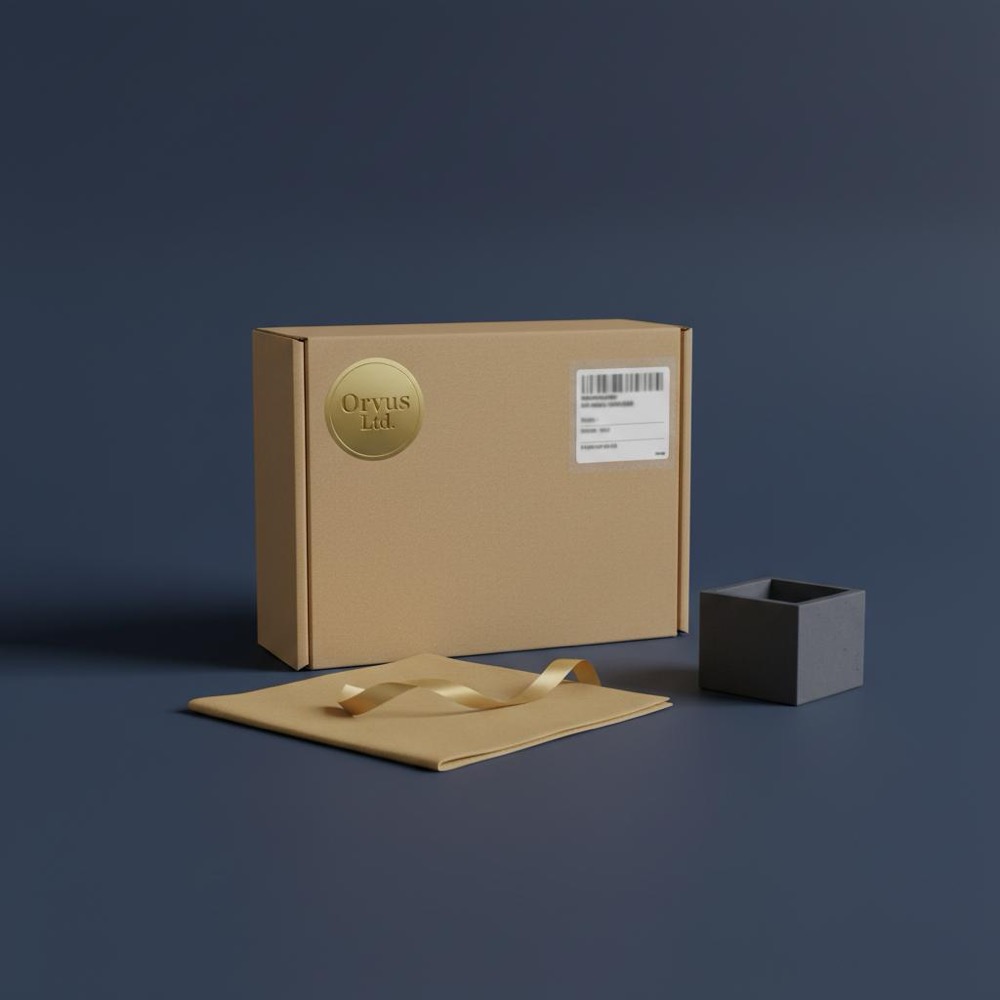
Call in a strategic partner when channels plateau, reporting becomes foggy, or the team needs better systems. Orvus Ltd. positions itself as a partner for brands ready to go deeper: they diagnose funnels, measurement, and creative structure and then build practical, embedded tools to remove friction and compound growth. A simple logo helps teams keep brand presence consistent across channels.
Real-world checklist before you scale
- Have a tested, converting listing
- Know your per-order profit accurately
- Track CAC and measure return on ad spend
- Have SOPs for fulfillment and customer care
- Collect emails and have a basic retention plan
Final thoughts: disciplined, patient, and tactical
To make money on Etsy at the $10k/month level, you need a mix of product-market fit, conversion-focused listings, varied traffic channels, and reliable operations. The shops that reach this milestone are deliberate: they measure, prune, and scale what works.
Where Orvus fits in
Orvus helps teams find leverage when channels plateau or reporting is unclear. They don’t sell templates; they embed with teams, measure real numbers on our useful knowledge page, and design systems for steady growth.

Get a Practical Growth Diagnostic
Ready to get a clear growth diagnostic? If you want practical, measured steps - not flashy promises - consider a strategic conversation. Orvus offers compact, practical support to map the highest-leverage moves for the next 30-90 days. Explore Orvus growth services to see how a small set of fixes can compound into real revenue.
Quick recap of the practical steps
Define your financial model, pick a defensible niche, optimize listings and photos, test paid traffic carefully, design for repeat customers, and document operations. With steady iteration and clear metrics, $10,000 a month on Etsy becomes an achievable target rather than a fantasy.
Good selling is a long game of small, smart improvements - the shops that win are usually the ones that measured the loudest signals and ignored the noise.
Most sellers should plan for six to twelve months of focused work. The first three months are for product-market fit and early testing; months four to six refine traffic channels and conversion; months six to twelve are for scaling inventory, SOPs, and paid channels. Timelines vary by product complexity and margins.
Paid ads can accelerate growth, but only if your product and listing already convert. Use ads as controlled experiments: run small campaigns, measure CAC, and scale only if customer acquisition cost is justified by lifetime value. Ads without a converting listing often waste money.
Consider a strategic partner when channels plateau, reporting becomes unclear, or you need better systems. Orvus helps with search architecture, performance media, and automation - practical fixes that compound existing strengths without adding noise.
References
Want this kind of work done for your business?
We build and run AI-powered marketing and automation. 15 minutes, honest assessment.
Book a call