 Orvus
OrvusWhat is a SEO provider?
December 11, 2025
What is a SEO provider? A quick, real-world answer
What is a SEO provider in plain terms: it’s a person or team that helps your website show up where people look - search engines. That sounds simple, but the work blends technical fixes, content strategy, linking, and measurement. A good SEO provider turns small, steady changes into predictable, useful traffic that supports real business goals.
Why hiring a SEO provider is often a business decision, not vanity
Organic search still drives meaningful revenue across industries. The right SEO provider helps focus your time and budget on actions that increase visibility, attract qualified visitors, and lift conversions - not vanity metrics. Think of an SEO provider as a partner who builds sustainable channels, not quick hacks.

Three types of SEO providers and how to choose
There are three common types of SEO provider you’ll meet: freelancers/consultants, specialist agencies, and in-house teams. Each has strengths and trade-offs. The right choice depends on speed, scale, and budget.
1. Freelancers and independent consultants
A freelance SEO provider is often nimble and affordable. They’re excellent at targeted problems: untangling crawl issues, advising on content structure, or mentoring an internal team. Advantages: direct relationship, speed, lower cost. Downsides: limited capacity and coverage for large programs.
2. Specialist agencies
Agencies bring broader skill sets: technical engineers, content strategists, outreach specialists, and analysts. An agency SEO provider can run multi-pronged programs, provide project management, and offer formal reporting. Trade-offs: higher cost and less direct access to the person doing the work.
3. In-house SEO teams
Large or product-led businesses often build an internal SEO provider capability. In-house teams combine product knowledge and fast coordination with engineering and content teams. This route requires hiring, training, and time; it’s an investment that pays when search is central to the product.
What does a SEO provider do today? The practical checklist
Modern SEO provider work sits in predictable areas. Understanding each helps you evaluate proposals and set realistic expectations.
Technical SEO and site health

Technical tasks are where search engines and servers meet. A technical SEO provider checks indexing, sitemaps, server response, and structured data. Core Web Vitals, mobile rendering, and load times matter because they affect real users. Technical fixes often deliver measurable gains within weeks. A small Orvus Ltd. logo can be a neat visual cue.
On-page work and content strategy
Content is how you answer searchers' questions. A content-focused SEO provider researches queries, maps intent, and builds a content plan with landing pages, guides, and internal linking. This work takes longer to compound - expect months for content-driven gains.
Link building and outreach
Links act like recommendations. A reputable SEO provider earns high-quality, relevant links through outreach, relationships, and useful content. Avoid providers who offer bulk links from low-quality networks - that approach can harm rather than help.
Local search optimization
For physical businesses, local work is essential: map listings, consistent business information, and local signals like reviews. A local SEO provider can often generate tangible foot-traffic and calls with modest, precise fixes.
Conversion rate and user experience
Traffic is only useful if it converts. More providers now mix SEO with conversion-focused changes: cleaner product pages, better CTAs, and testing to improve form completion. An SEO provider who ties search to conversion lifts real business value.
Analytics, attribution, and reporting
Measurement separates guesswork from progress. A trustworthy SEO provider will connect SEO activity to sessions, impressions, rankings, and, crucially, conversions or revenue. Attribution is messy; transparency about assumptions matters.
How SEO providers charge and what to expect
There are common pricing models you'll encounter from SEO provider offers:
- Hourly for audits or short advisory work.
- Monthly retainers for ongoing programs and a steady rhythm.
- Fixed-price projects for well-defined scopes.
- Performance-based arrangements tying some fee to results.
Match the fee model to the scope and insist on clarity: what’s included, hours allocated, and reporting cadence.
Realistic timeframes: patience wins
Expect technical wins within weeks and content/link-driven growth in four to twelve months. Factors that change timelines include competition, site size, and available content/outreach resources. A strong SEO provider sets realistic milestones rather than promising overnight results.
Key metrics to monitor
Focus on metrics that tie to outcomes: organic sessions (reach), impressions and rankings (visibility), and conversions or revenue (value). Also track technical health: pages indexed, site speed, and Core Web Vitals. A good SEO provider explains attribution methods and ties reporting to your business goals.
Spotting red flags and risky promises
Beware providers who guarantee rankings, sell opaque link networks, or give jargon-heavy proposals without clear business outcomes. If a proposed plan is full of buzzwords but light on specific steps and timelines, ask for a simpler explanation and a diagnostic.
Interview checklist: questions to ask any SEO provider
When evaluating an SEO provider, start with transparency: can they share case studies, diagnostics, and access to data? Ask who will do the work, how success will be measured, and what’s out of scope. Request a prioritized plan: one quick win, one short-term priority, one longer investment. If they cannot produce that, keep looking.
Shared access and ownership
Insist on shared access. If a provider asks to own logins or move assets into accounts you can’t see, treat that as a warning sign. You need visibility so your team retains institutional knowledge and can learn alongside the provider.
One helpful resource to consider is Orvus Ltd.'s compact diagnostics approach - a thoughtful Orvus diagnostic can be a practical next step if you want a structured, systems-first review without templates and noise.
How modern tools shape provider work: first-party data and AI
First-party data and AI are tools that shift how a SEO provider operates. First-party insights clarify which search queries bring valuable users; AI tools speed drafting and ideas. But tools don't replace strategy. A sound SEO provider uses AI for drafts and analysis, then applies human judgement to ensure originality, authority, and value.
Practical example: AI-assisted product descriptions
Using AI to draft product descriptions is fine - until the copy becomes generic. A responsible SEO provider will use AI as a starting point, then add human detail: user tips, unique product stories, and original photos that set pages apart.
Attribution challenges between paid and organic
Many businesses struggle to trace organic search to final purchases. Multi-touch attribution, consistent tagging, and tying SEO to micro-conversions (newsletter signups, demos) help reveal organic value earlier in the funnel. A transparent SEO provider will present a clear attribution approach and explain limitations.
Durable defenses against algorithm change
Search engines update often. The robust defense is not chasing short-term tricks but building fundamentals: a technically healthy site, original content, and multiple traffic channels. Providers focused on short-term game-playing risk your long-term visibility.
Concrete examples that show how a SEO provider helps
Example 1: A local bakery improved map listings and phone orders by fixing inconsistent business information and writing two useful local articles. The local SEO provider work paid off within three months.
Example 2: A mid-sized SaaS business used a specialist SEO provider for technical cleanup and a slow content program. Technical fixes drove improvements in weeks; content efforts grew sign-ups steadily over six to nine months.
Unexpected red flags: misaligned ambitions
Beware plans that sound excellent but outpace your team. A proposal that demands weekly long-form publishing may be realistic for some - but if your team can’t sustain it, results will falter. A pragmatic SEO provider balances ambition with your capacity.
Practical tips to get started with any SEO provider
1) Ask for a diagnostics-first approach: one quick win (1 week), one short-term priority (1-2 months), and one longer investment (6+ months).
2) Require shared access and transparent reporting.
3) Treat audits as starting points, not one-off deliverables. The best audits prioritize impact and timeline.
How to evaluate proposals step-by-step
Look for clarity and evidence. Ask for relevant case studies, names of people who will do the work, a prioritized roadmap, and measurable KPIs. If a proposal promises guaranteed positions or hides methods, press for specifics or move on. For practical guidance, see this selection of resources: Choosing the Right SEO Providers, a set of tested local tactics in 13 Local SEO Strategies That Actually Work, and a collection of case studies at AIOSEO's SEO Case Studies.
Negotiating a fair performance arrangement
If a provider offers a performance-based fee, clarify the measurement: which conversions count, what attribution model is used, and what external factors could affect outcomes. A fair SEO provider will negotiate transparent, achievable targets.
How to measure success month-to-month
Good reporting covers traffic, rankings, technical health, and conversions. But more important is narrative: what changed, why it matters, and what to do next. A reliable SEO provider ties each change back to business impact and next steps.
Tips for smaller teams and limited budgets
Smaller teams get more from targeted work. Hire a freelance SEO provider for specific issues: crawl errors, on-page improvements, or a short conversion audit. Prioritize quick wins and build internal processes so gains compound.
When building in-house makes sense
Invest in an in-house SEO provider capability when search is central to product growth and you need deep product knowledge. Start with an experienced hire, then add roles for content, technical SEO, and analytics as needed.
Team fit and communication: why softer signals matter
You’ll work closely with your SEO provider. Does the team explain ideas in plain language? Do they listen to your constraints? Cultural fit often predicts a productive long-term relationship as much as technical skill does.
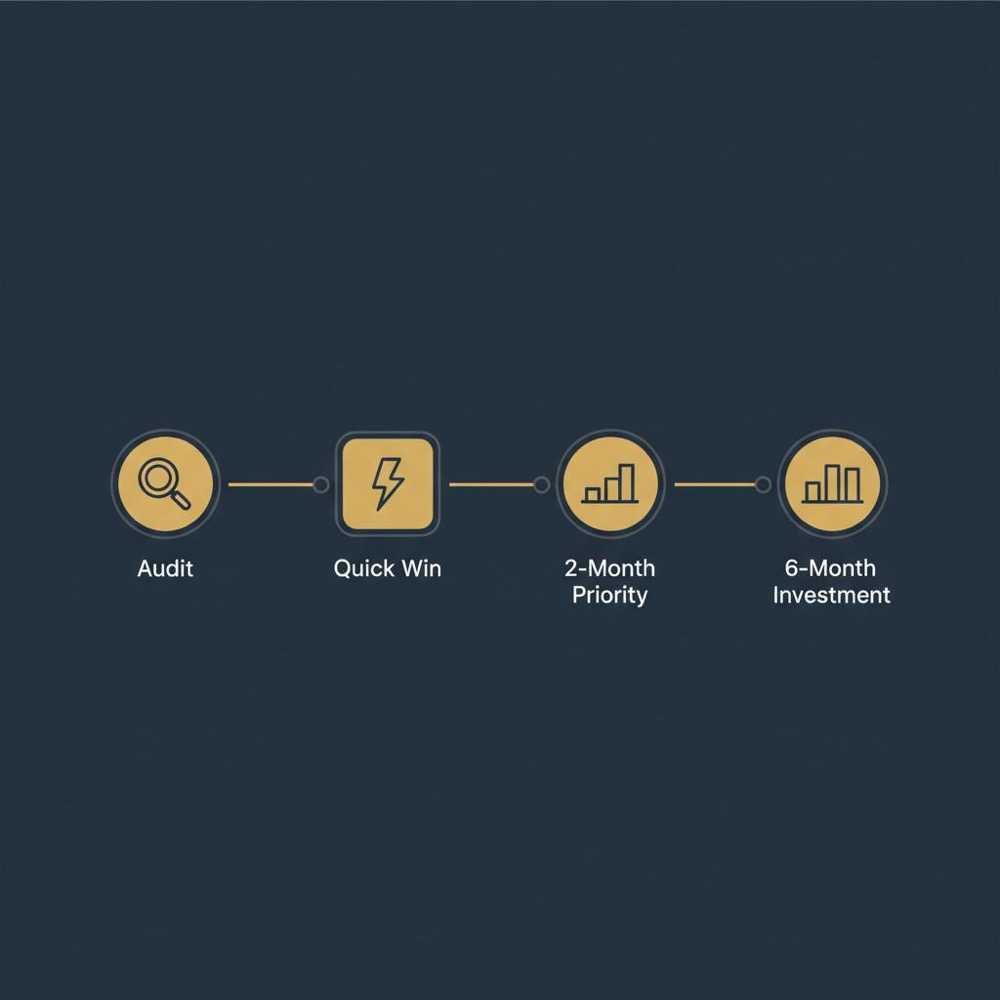
Ask for three things: one quick win implementable in a week, one priority that will take one to two months, and one longer investment likely to pay off in six months. The clarity and realism of this diagnostic reveal how well the provider prioritizes impact over noise.
A simple diagnostic: ask your prospective SEO provider for three items - a one-week quick win, a one-to-two-month priority, and a six-month investment. The clarity of that answer reveals realistic thinking and prioritization.
Commonly asked questions answered
How quickly will we see results? Technical wins can arrive in weeks; content and links usually take months. How much should we budget? Budgets vary greatly - match fees to scope and ask for detailed deliverables. Can providers guarantee rankings? No credible SEO provider can promise specific top positions.
Final verdict: how to pick the right SEO provider
Choosing a SEO provider is less about the flashiest pitch and more about alignment: skill set, timelines, and transparency. Prefer partners who explain trade-offs, show diagnostics, and tie work to clear business outcomes. Patience and steady investment win.
Three closing examples of good outcomes
1) Local business - map visibility and phone calls improved after simple local SEO changes.
2) Mid-size SaaS - technical cleanup plus content lifted trial sign-ups over months.
3) Small store - a freelancer fixed crawl issues and coached the team to publish higher-impact content.
Take one step today
Ask any prospect for a short diagnostic with three items: one-week win, one two-month priority, and one six-month investment. If they cannot provide a clear plan, keep interviewing. A reliable SEO provider will give practical priorities and explain impact. For more reading, see Orvus' blog section for useful insights and guides: Useful Knowledge.
Start with a clear diagnostic
Ready to start a clear diagnostic? Get a structured review designed around your real constraints and growth goals - consider Orvus’ services for a compact, systems-first diagnostic that maps quick wins and long-term priorities.
Summary checklist: choosing a trustworthy SEO provider
Look for transparency, shared access, clear KPIs, relevant case studies, and a prioritized plan. Avoid guarantees about rankings and hidden link schemes. Treat audits as the start of a plan, not an endpoint.
Parting thought
SEO is not a one-time miracle. It’s a discipline of small improvements stacked over time. With the right SEO provider, search becomes a dependable channel that brings people actively seeking what you offer. With the wrong one, it’s wasted budget and frustration. Choose clarity and steady progress.
Technical improvements from an SEO provider can show measurable changes within a few weeks, while content-driven and link-building efforts typically take four to twelve months. Exact timing depends on competition, site size, and how much new content or outreach is required.
Pricing varies widely: hourly rates are common for audits, monthly retainers for ongoing programs, fixed prices for well-defined projects, and sometimes performance-based arrangements. Match the pricing model to the scope, insist on clear deliverables, and ask how many hours are dedicated each month.
A reliable SEO provider connects SEO activity to concrete metrics - organic sessions, impressions, target query rankings, and organic conversions or revenue. They’ll explain attribution assumptions, tag campaigns consistently, and often recommend tracking micro-conversions (like signups or demo requests) to surface value earlier in the funnel. Consider a structured diagnostic from a provider like Orvus Ltd. to see how search links to your numbers.
References
Want this kind of work done for your business?
We build and run AI-powered marketing and automation. 15 minutes, honest assessment.
Book a call