 Orvus
OrvusHow is a SERP paid out? An operator's guide
February 12, 2026
The article is practical and systems-focused. It is written for operators, founders and marketing teams who need clear diagnostic steps and repeatable tests rather than surface explanations.
What it means for a SERP to be "paid out": definition and context
Start with a clear definition: paid listings on a search engine results page are auction-driven placements that compete with organic results for user attention. The practical phrase many teams use for this work is serp seo, which covers both paid placement and the organic architecture that shares the same user intent space.
Paid listings are not simply the highest raw bids. Platforms use auction systems that rank ads by a composite score where bid is one input among relevance and expected impact of extensions, so position and cost are determined by the auction framework rather than bid alone, as described in platform guidance How Ad Rank works.
Organic results, snippets and panels are separate from those auctions but they alter how much attention remains for paid listings. Independent analyses show that rich features can pull clicks away from organic links and change the economics of paid placements on the same SERP CTR Study 2024: How SERP features affect organic clicks.
That interaction matters for operators and founders because search architecture, paid search and measurement combine to determine whether a view becomes a click, and whether that click converts in a way the business values. Thinking of paid and organic as a single attention market helps shape bidding, content and reporting choices.
Paid listings vs organic results
Paid listings appear in ad slots and are billed through platform pricing models. Organic results are earned and rely on content architecture and technical SEO for visibility. Both compete for the same session-level attention, so a change in one often affects the other.
When you plan media and content together, you can estimate how much attention to expect from organic channels and which queries need paid coverage to capture commercial intent efficiently.
SERP features that change attention and value
SERP features include snippets, knowledge panels, local packs and AI overviews, and they change click distribution on many queries. Where features occupy prime space, organic click-through rates tend to fall and paid placements can become relatively more valuable for high-intent queries How search features and ad formats shape clicks and costs.
For tactical planning, map which features appear on your priority queries, then test whether paid presence recovers incremental clicks or simply shifts cost away from organic traffic.

How auctions determine ad placement and what you actually pay
Ad Rank components: bid, quality, expected impact of extensions
Platforms use an Ad Rank style mechanism where rank is calculated from bid, relevance signals and expected impact of extensions. That means the same bid can buy different positions depending on creative relevance and the predicted effect of extensions, as explained in platform documentation How Ad Rank works (see About Ad Rank).

Quality improvements can therefore lower the effective cost-per-click by improving your ad relevance and expected interaction metrics. In practice, small content and landing adjustments can change the price the auction charges when you win an impression.
Real-time per-query auction mechanics
Auctions run in real time for each query, so the price you pay varies by intent, context and competitors active on that query. The real-time nature explains why average CPC figures fluctuate by hour, day and query category and why account-level averages conceal query-level volatility How auctions work in Microsoft Advertising. See Moz's guide to the auction.
As a practical note, measuring at the query level and grouping by intent reduces surprise when average costs change. That discipline also highlights where quality improvements will have the most impact on effective CPC.
Quick paid search diagnostic to find cost drivers
Run a quick account diagnostic that checks top queries, impression share and landing relevance to spot where simple quality work might reduce costs.
Pricing models on the SERP: CPC, CPM and CPA and when platforms use them
CPC vs CPM vs CPA: billing and typical use cases
The common pricing models are CPC for per-click billing, CPM for impression-based buys, and CPA or conversion-based bidding for performance-focused campaigns. Each billing trigger defines how platforms charge and which campaign objectives the buy supports Bidding and bidding strategies (CPC, CPM, CPA).
CPC is typical where traffic and click efficiency matter, CPM is used for reach and brand exposure, and CPA is selected when the platform can optimise toward a measurable conversion event. The choice should match the business objective rather than an assumption about which model is cheapest.
Platform bidding strategies and automated bidding
Platforms offer automated strategies that translate business goals into auction behaviour, including smart-bidding modes that optimise toward conversions or value. These strategies change how manual bids map to outcomes because the platform alters bids dynamically in auctions to meet the selected objective Bidding and bidding strategies (CPC, CPM, CPA).
When you use automated bidding, make sure conversion signals are reliable and that data volume supports optimisation. Without enough conversion data, automated strategies may underperform relative to careful manual control.
Attribution and measurement: how paid spend is credited to conversions
Common attribution models and their effects
Attribution models like last-click, time-decay, position-based and data-driven shift credit between channels and change the apparent cost-per-conversion. Selecting a model changes how much of a conversion the search channel appears to own, and some platforms document these options clearly to enable alignment with business definitions About attribution models in Google Ads.
Different models can move credit away from paid search toward organic or other channels depending on the user journey and the model's weighting rules.
The price is set by a real-time auction that ranks ads by a composite Ad Rank score made up of bid, relevance and expected effect of extensions, so effective cost depends on those levers and not bid alone.
Because attribution affects the reported efficiency of campaigns, teams should pick the model that matches their conversion logic and then keep it consistent across comparable tests and reports How Ad Rank works.
Cross-device measurement choices and platform attribution windows also matter. A longer conversion window will capture more downstream conversions but may attribute them to channels differently than a short window, so reporting must document the window applied.
Why business conversion definitions should drive platform attribution choices
Measure what the business values. If a lead that turns into revenue after several touch points is the goal, use an attribution model and window that surface those paths, and record the exact conversion event used for bidding and reporting.
Consistent conversion definitions, naming and reporting discipline reduce confusion when comparing CPC, CPM and CPA outcomes across campaigns and platforms About attribution models in Google Ads.
How SERP features and organic visibility change the value of paid placement
Evidence that paid and features reduce organic click share
Independent studies show organic click-through share declines when paid results or rich features appear on a SERP. That displacement makes paid bids relatively more valuable on queries where features are common, especially for commercial intent queries where users are ready to act CTR Study 2024: How SERP features affect organic clicks.
For account planning, identify queries with recurring features and treat them separately from clean organic-only queries when you estimate volume and bid pressure.
How query intent and features change effective CPC
Query intent governs the split of clicks between organic and paid. Where intent is purchase-oriented and features reduce organic share, effective CPCs tend to rise because the incremental clicks are concentrated in paid slots and competition intensifies How search features and ad formats shape clicks and costs.
That means teams should adjust bidding and landing strategies by intent bucket rather than applying a single account-wide rule.
Estimating auction cost and improving ad quality in practice
Combining bid estimates with quality and intent signals
A pragmatic method to estimate auction cost starts with expected bid ranges for target queries, then adjusts those ranges by intent strength and the likely lift from quality improvements. Use auction bid insights alongside quality metrics to model an estimated effective CPC, recognising the result is an estimate not a guarantee How Ad Rank works. See auction basics.
Improving relevance, ad copy and landing experience tends to lower the effective CPC because Ad Rank rewards those signals. Treat the estimate as a moving target and track the realised CPC after targeted quality changes to validate assumptions.

Naming, testing and reporting discipline to compare outcomes
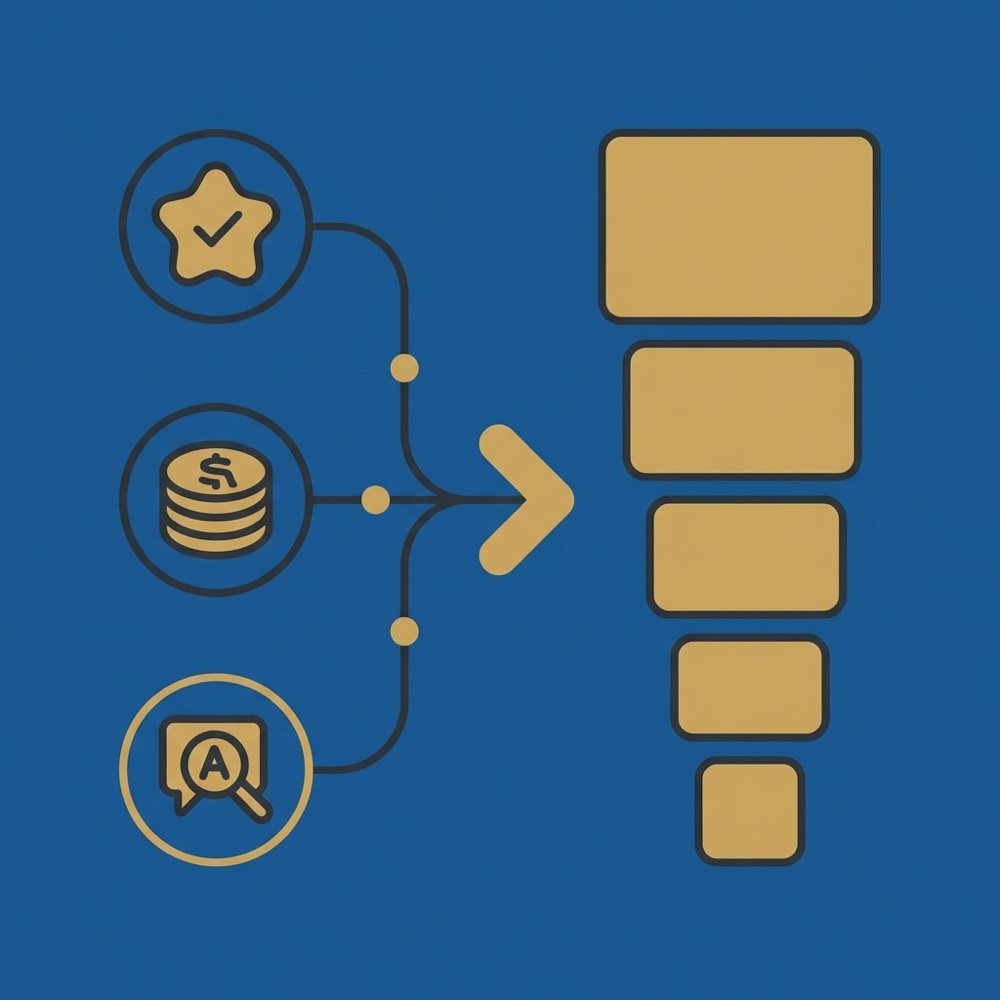
Consistent naming conventions, controlled A/B tests and clear conversion definitions are required to compare CPC, CPM and CPA across campaigns. Without those controls, small changes in attribution or naming can make performance comparisons misleading Bidding and bidding strategies (CPC, CPM, CPA).
Keep test windows long enough to collect meaningful conversion data and maintain identical reporting rules for control and experiment groups so you can isolate the effect of quality changes from noise.
Keep test windows long enough to collect meaningful conversion data and maintain identical reporting rules for control and experiment groups so you can isolate the effect of quality changes from noise.
Privacy changes and evolving SERP overviews mean you must treat cross-market estimates as provisional and run local diagnostics to validate assumptions.
Choosing bidding strategy: CPC, CPM or CPA for your objectives
Decision criteria based on funnel stage, budget and attribution
Decide based on campaign objective, funnel stage and data volume. Use CPM for broad awareness and reach, CPC for traffic and click efficiency, and CPA or conversion bidding when you have reliable conversion signals and enough volume to train automated strategies Bidding and bidding strategies (CPC, CPM, CPA).
If your conversion volumes are low, prefer CPC testing and focus on improving landing conversion before switching to full conversion-based automation.
When to prefer automated bidding vs manual control
Automated smart-bidding is useful when conversion data is sufficient for optimisation and when the conversion event closely matches business value. Manual or rule-based bidding can be preferable when you need tight control or when tests require deterministic behaviour.
Always align the bidding approach with attribution choices and conversion definitions to avoid mistaken conclusions about cost-per-conversion About attribution models in Google Ads.
Common reporting mistakes and measurement pitfalls to avoid
A frequent mistake is inconsistent conversion definitions and naming that make CPC and CPA comparisons invalid. If the conversion event differs across campaigns, the reported costs are not comparable and can mislead decision makers About attribution models in Google Ads.
Another pitfall is ignoring SERP features and assuming organic traffic is stable; studies show features shift click share and therefore change the baseline against which paid performance is measured CTR Study 2024: How SERP features affect organic clicks.
quick measurement diagnostics for paid search reporting
run monthly
Common analytics errors include mismatched attribution windows, cross-device gaps and assuming platform-reported conversions equal business outcomes. Document these gaps and plan corrective diagnostics to reconcile platform data with CRM or order systems How search features and ad formats shape clicks and costs.
Fixes are often procedural: align naming, centralise conversion definitions and add query-level reports that show where features and paid slots overlap with organic traffic.
Practical examples and short scenarios: ecommerce and services
Example 1: a branded ecommerce high-intent query
An ecommerce team sees strong purchase intent on branded queries but also a SERP with shopping results and featured snippets that reduce organic clicks. Running a modest CPC campaign to capture those purchase-ready clicks can make sense if the auction price and landing conversion align with business margins How Ad Rank works.
Run diagnostics: check query-level CPC, impression share and organic CTR before and after a short test, and measure net revenue per click to decide whether to scale.
Example 2: a service business weighing CPM awareness vs CPA lead gen
A services marketer considers a CPM awareness buy to expand reach and a CPA lead gen campaign to drive qualified leads. If conversions are infrequent, start with CPM to build reach and then test CPC-to-CPA funnels as lead volume grows, ensuring attribution aligns with the lead qualification process Bidding and bidding strategies (CPC, CPM, CPA).
Diagnostic steps include measuring lead quality from each buy type and tracking conversion paths to decide when to switch to conversion-based bidding.
Key takeaways and next steps for operators
Three concise takeaways: auctions are driven by an Ad Rank mechanism that uses bid and quality signals, pricing models must match campaign objectives, and attribution choice substantially changes reported outcomes How Ad Rank works.
Audit checklist: confirm conversion alignment, enforce naming conventions and run a small quality-improvement test to see if effective CPC falls.
Next step: when diagnostics reveal ambiguous signal or low conversion volume, consider a deeper diagnostic from a systems partner or run a 30 to 90 day focused experiment to validate assumptions.
Ad Rank combines your bid, ad relevance and expected impact of extensions to determine position and the price you pay, so improving relevance or extensions can lower effective CPC even if the bid stays the same.
Use CPM for awareness and broad reach where impressions matter; choose CPC for traffic-focused tests and CPA for conversion-focused campaigns when you have reliable conversion signals and enough data for optimisation.
Choose the model that reflects your business conversion logic, document the conversion event and window, and keep it consistent across tests to make meaningful comparisons.
When in doubt, run local tests and keep reporting disciplined. For persistent ambiguity, a compact diagnostic that combines query-level data and conversion plumbing usually reveals the best next steps.
References
Want this kind of work done for your business?
We build and run AI-powered marketing and automation. 15 minutes, honest assessment.
Book a call