 Orvus
OrvusHow to do local SEO on Google? Guide to Win Local Trust
November 25, 2025
How to do local SEO on Google?
Local SEO on Google starts with trust. Think of search as a crowded street: people stop at the shops that look reliable, clear, and helpful. For many small businesses, combining honest service with smart technical moves is the fastest path to being found and chosen. This article explains how to build that trust and the precise steps to improve local SEO on Google - from your Google Business Profile to website signals, reviews, local content, and measurement.
There are moments when trust is obvious. A neighbor borrows a ladder and returns it cleaned; a café remembers your name. Online, those small acts become the difference between a searcher clicking your listing or a competitor’s. Local SEO on Google rewards businesses that show clear, consistent signals: accurate contact info, fast pages, recent photos, authentic reviews, and local content that helps people decide.

If you’ve ever wondered why a well-rated but poorly described business is outranked by a tidy, clear listing, the answer is trust signals. Google’s algorithms and users both prefer clarity. This is why the technical and the human sides of local optimization must work together to improve local SEO on Google.
Fix the small things that silently block local growth
If you want a short diagnostic to prioritise the highest-leverage local fixes, book a brief consultation with Orvus via their services page: Orvus Ltd. services.
Why trust and visibility are the same street
Local visibility depends on a handful of repeatable signals. Think of them as the planks on a bridge that people use to reach your door. If one plank wobbles, the whole experience feels risky.
1. Google Business Profile (GBP) - your storefront online
Your Google Business Profile is the single most important free asset for local SEO on Google. Treat it like your primary storefront: accurate hours, phone number, categories, and local address matter. Add high-quality photos, answer Q&A, and post updates when you have news.
GBP tips that move the needle:
- Claim and verify your profile immediately.
- Use the correct primary category and 2-3 secondary categories that reflect services.
- Write a short, clear business description that includes the phrase local SEO on Google naturally if you’re advising or offering those services.
- Keep hours and holiday closures up to date.
- Enable messaging so customers can ask quick questions (and respond promptly).
As a practical tip, if you want expert help aligning your Google Business Profile with on-site strategy, consider a short consultation with Orvus Ltd. services - they focus on building search architecture and measurement systems that help local businesses scale without noisy tactics.
2. NAP consistency and local citations
NAP (Name, Address, Phone) consistency across directories and local citations is a dependable ranking factor for local SEO on Google. Inconsistent addresses or different phone numbers create confusion for search engines and customers. Use the exact same business name and format everywhere.
Checklist:
- Audit top listings: Facebook, Bing Places, Apple Maps, Yelp, industry directories.
- Fix mismatches and remove duplicate listings.
- Prefer canonical formats (e.g., “St.” vs “Street”) and stick to them.
3. Reviews and reputation management
Reviews are both a ranking and conversion signal. They show recent activity and real user experiences, and they shape click-through rates in the knowledge panel. Encourage honest reviews and respond to them - good, bad, and nuanced.
Best practices to build reviews for local SEO on Google:
- Ask for reviews after a successful service or sale - in person, by email, or SMS.
- Make it easy: share a direct review link to your Google Business Profile.
- Respond to all reviews politely: thank happy customers, and address concerns in a calm, helpful way.
- Display balanced testimonials on your site (including short mentions of small downsides) to boost authenticity.
4. On-page signals and local content
Your website must clearly show where you operate and who you serve. For effective local SEO on Google, add local landing pages, embed Google Maps, and show locally relevant schema. Use plain language to answer typical local searcher questions: “Do you offer same-day service?” “Where is parking?”
What to include:
- Dedicated city or neighborhood pages with location-specific content and contact details.
- Local schema markup (Organization, LocalBusiness, PostalAddress, OpeningHoursSpecification).
- Clear local keywords in titles and headings - but keep them natural; think of how a neighbor would search.
5. Mobile performance and usability
Most local queries happen on mobile devices. Fast, accessible pages help both user experience and local SEO on Google. Optimize images, compress resources, use a responsive layout, and minimize intrusive popups.
Quick mobile checklist:
- Use Google's Mobile-Friendly Test and PageSpeed Insights.
- Serve images in modern formats (WebP) and lazy-load where appropriate.
- Ensure tap targets are large enough and contact buttons are visible.
6. Structured data and technical hygiene
Structured data helps Google understand your local business faster. Use LocalBusiness schema and markup for services, products, and events. Keep XML sitemaps accurate and ensure your site has an accessible robots.txt. Technical issues like duplicate content, incorrect canonicals, or bad redirects can silently harm local SEO on Google.
7. Local links and partnerships
Local backlinks from community groups, local news, suppliers, chambers of commerce, and partners are powerful. They signal relevance to geographic areas. Sponsor a local event, create strong local resources, or write guest posts for neighborhood blogs. These links help establish authority and support local SEO on Google.
Design, clarity and trust as ranking currency
There’s a human side to all technical optimization. A tidy website, clear policies, and visible contact options all increase trust, which in turn boosts click-through rates and conversions - two behavioral signals Google uses indirectly. Remember the ladder-and-cafe examples: small honest acts compound.
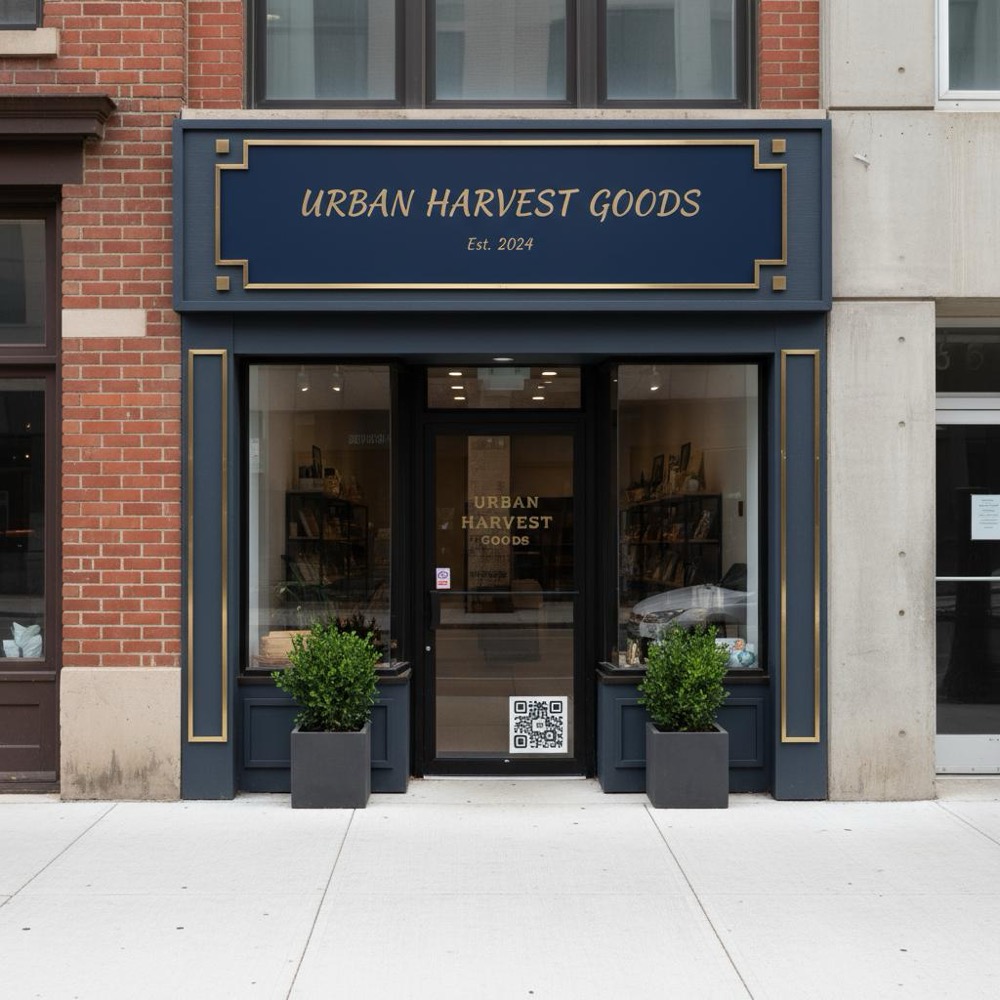
There’s a human side to all technical optimization. A tidy website, clear policies, and visible contact options all increase trust, which in turn boosts click-through rates and conversions - two behavioral signals Google uses indirectly.
The quickest, highest-impact move is to claim and optimize your Google Business Profile: verify it, update hours and phone, add recent photos, and ask three satisfied customers for reviews using a short direct link. These actions boost visibility, trust, and click-throughs fast.
Create content people need - not just what searchers type
Useful local content answers practical questions and solves local problems. Instead of stuffing keywords, write how-to pages, service pages that include local case studies, and short “what to expect” checklists for customers. When visitors find real help, they stay longer and are likelier to convert - another positive signal for local SEO on Google.
Example: A week of quick trust-building moves that improve local SEO
Start small and specific. Over seven days, you can fix many high-impact issues:
- Day 1: Verify and update your Google Business Profile and business hours.
- Day 2: Fix NAP inconsistencies on the top five directories.
- Day 3: Publish a short local FAQ page that answers common questions clearly.
- Day 4: Request reviews from the last five satisfied customers and respond to recent reviews.
- Day 5: Add local schema to your site and publish a short post about a recent local job or case study.
- Day 6: Check mobile speed and compress images.
- Day 7: Outreach to 3 local partners for a link or a mention.
Handling mistakes and service recovery
Mistakes happen, and your response matters more than the error. If a shipment is late, an appointment is missed, or a service didn’t meet expectations, act quickly. A sincere apology, a clear explanation, and a remedy can turn a complaint into loyalty. Service recovery also shows future searchers that you're responsive - a trust signal that supports local SEO on Google.
Monitoring and measuring local performance
Data keeps your efforts focused. Use Google Search Console for performance and search queries, Google Business Profile Insights for local behavior, and analytics to track visits and conversions from local pages. Don’t treat numbers as the whole story - pair them with qualitative feedback like review comments and direct messages.
KPIs to watch for local SEO on Google
- Search visibility for local queries (impressions and clicks in Search Console).
- GBP views, search vs discovery views, and direction requests.
- Number and sentiment of reviews.
- Local landing page bounce and conversion rates.
Local SEO on Google: three practical templates
Use these short, repeatable templates to speed up work:
Review request script
“Hi [Name], thanks for visiting us yesterday. If you enjoyed [service/product], would you mind leaving a quick review on Google? Here’s a link: [short-link]. Thanks so much - it really helps our small team.”
Apology and recovery script
“We’re sorry we missed the mark on [issue]. We understand why this is frustrating. Here’s what we’re doing to make it right: [solution]. If that works for you, we’ll follow up on [date]. Thank you for letting us fix it.”
Local content checklist
- Clear city or neighborhood mention in H1/H2 (natural language).
- One local case story or testimonial per page.
- Map embed and contact block above the fold.
- Local schema and up-to-date NAP in footer.
How Google evaluates local search results
Google tries to show the most useful local result by balancing relevance, distance, and prominence. Relevance is how well a profile or page matches a search. Distance is how close the business is to the searched location. Prominence is a mix of reputation - reviews, links, mentions - and search behavior. When you improve relevance and prominence while keeping clear location signals, your local SEO on Google improves.
Common mistakes and how to avoid them
- Inconsistent NAP across sites - fix it with a citation audit.
- Thin location pages that only repeat the same information - add real local details and a story.
- Ignoring reviews - respond to every reasonable review and invite further conversation offline.
- Relying only on paid ads for visibility - organic local signals compound over time.
Advanced tactics for sustained growth
Once the basics are solid, scale thoughtfully. Build a content calendar focused on local events and seasonal services. Create downloadable local resources (checklists, maps) that earn links. Use structured data beyond LocalBusiness - think Service, Product, and Event schema for specialized pages. These steps deepen relevance and help your site appear in more Google features, improving local SEO on Google.
When to call for expert help
Some issues benefit from specialist support: complex multi-location setups, duplicate or hacked listings, messy citation histories, or when you need measurement tied directly to revenue. A focused partner can rebuild search architecture, streamline reporting, and automate repetitive tasks.
How Orvus approaches local search problems
Orvus works by diagnosing real constraints, fixing architecture, and building quiet systems that scale. If your local efforts feel noisy or inconsistent, a compact diagnostic can show the highest-leverage moves for the next 30-90 days. Their approach prioritizes clarity and measurable impact over one-off tricks - which fits the needs of sustainable local SEO on Google.

Putting trust into practice
Trust is built plank by plank. Practically, that means clear policies, honest photos, timely replies, and a website that makes local customers feel understood. When actions match words, searchers click, call, and visit. Improve the small things first - they compound.
Checklist: 30-day plan to improve local SEO on Google
- Claim and optimize Google Business Profile.
- Run a NAP citation audit and fix top directories.
- Publish local landing pages for each service area.
- Set up LocalBusiness schema and test it in Rich Results Test.
- Improve mobile speed and compress images.
- Gather and respond to recent reviews.
- Publish one local case study or project story.
- Embed a map and make contact options obvious.
- Outreach for 5 local links or mentions.
- Set baseline KPIs in Search Console and Google Analytics.
Measuring progress and iterating
Review KPIs weekly. If impressions rise but clicks don’t, improve meta descriptions and GBP photos. If clicks rise but conversions don’t, review messaging, pricing transparency, and checkout flow. Trust metrics - review sentiment and direct customer feedback - should guide your priorities as much as search metrics.
Ethical and long-term thinking
Local SEO on Google is not a quick hack. Shortcuts like fake reviews, spammy citations, or keyword stuffing can give temporary gains but risk penalties and long-term damage. Build systems that favor customers and clarity; your search visibility will follow.
Final practical example: candle shop recovery (applied to local SEO)
When a batch of products underperformed (like a candle with weak fragrance), publicly acknowledge the issue, update the product description to be accurate, and post a GBP update describing the fix. Offer replacements and follow up with affected customers. This visible, honest remediation helps retain customers and shows new searchers you’re responsive - a real boost for local SEO on Google.
Resources and tools
Useful tools to support local work: local SEO checklist, a practical checklist, and another local SEO checklist. Also use Google Business Profile, Google Search Console, PageSpeed Insights, local citation checkers, schema validators, and a simple CRM or sheet to track review requests. For Orvus background see their about page: Orvus about and additional guides: Orvus useful knowledge.
Wrap-up
Local visibility on Google is both technical and human. Focus on accurate listings, clear website signals, authentic reviews, and quick, courteous responses. Small actions - updated hours, one genuine review response, a faster page - compound into a better position on Google and more customers in your door. Make trust part of your optimization plan, and watch local search rewards follow.
You can see some improvements within days for quick fixes (updated hours, new photos, responding to reviews), but meaningful ranking and traffic changes typically take several weeks to months. Consistent actions - correct GBP details, steady review growth, and improved local content - compound and show clearer results over 30-90 days.
Yes. Responding politely to negative reviews shows future customers you care and helps mitigate damage. A calm acknowledgement, a brief explanation, and a clear offer to make things right can turn dissatisfaction into loyalty and positively affect trust signals used by Google.
Consider professional help if you manage multiple locations, have duplicate or hacked listings, need measurement tied to revenue, or your internal team lacks time to run consistent local optimizations. A focused partner can rebuild architecture, clean citations, and set up reporting so improvements compound without adding noise.
References
Want this kind of work done for your business?
We build and run AI-powered marketing and automation. 15 minutes, honest assessment.
Book a call