 Orvus
OrvusHow much does it cost to advertise on Nextdoor?
December 3, 2025
How much does it cost to advertise on Nextdoor? A straightforward look at budgets and value
How much does it cost to advertise on Nextdoor? If you’re a local business owner or a marketer tasked with getting traction in neighborhoods, this is the question that matters first. Beyond the raw numbers, cost on Nextdoor is about value: the right message, served to the right neighbors, delivered in a way that builds trust. In this guide you’ll find realistic budget ranges, pricing models, creative tips, and a short checklist to launch a local campaign that actually performs.
Before we dive into dollar figures, one big point: advertising is only half the story. The other half is the experience you create after someone clicks. That’s why the advice below combines budgeting with practical tactics to make every ad dollar count.

What you’ll learn in the first 10 minutes: how Nextdoor pricing typically works, what a small business budget looks like, how to target neighborhoods effectively, and the trust-centered copy and creative choices that lift response rates.
How Nextdoor charges: the common pricing models
Nextdoor offers several ways to reach local audiences. While exact pricing can vary based on region, seasonal demand, and the specifics of your campaign, the common models you’ll encounter are:
- Sponsored Posts - paid posts that show up in neighbors’ feeds; often priced like CPM or CPC depending on placement and objectives.
- Local Deals - time-limited offers shown to neighbors; usually involve a cost per impression or a package fee.
- Neighborhood Sponsorships & Geo-targeted Campaigns - budgeted by audience size and reach across specific neighborhoods.
- Custom Programs - unique solutions for larger advertisers, often quoted by the Nextdoor sales team.
One clear rule: the more granular and neighborhood-specific the targeting, the more value you get for local businesses. Local relevance matters more than huge reach for most small businesses. For an outside perspective on pricing and CPM benchmarks, see this Nextdoor advertising guide from Constant Contact.
Real budget ranges: small, medium, and growth-first spends
What’s realistic for a small business? Here are practical ranges you can use to plan:
- Starter budget (testing): $100-$500 total over 7-14 days - ideal for testing a single Sponsored Post in 1-3 neighborhoods.
- Local presence (steady): $500-$2,000 per month - run a cadence of Sponsored Posts and Local Deals across 3-10 nearby neighborhoods.
- Growth & events (aggressive): $2,000-$8,000+ per month - for multi-neighborhood campaigns, frequent Local Deals, and stronger creative production.
These ranges are guidelines to help set expectations. The exact cost depends on reach, frequency, and competition in your area. For example, holiday shopping seasons typically drive higher prices for local inventory and ad placements. For additional cost benchmarks and examples, see Taradel’s analysis on Nextdoor ad costs.
Key performance levers that change cost (and how to control them)
Several factors influence your final price and performance:
- Neighborhood size and density: More populated areas often yield higher CPMs but deliver more potential customers.
- Bid type and objective: Optimizing for clicks, impressions, or conversions can shift costs. Decide the objective before you set a budget.
- Creative quality and clarity: Better creative usually delivers lower cost per action because neighbors engage more.
- Timing and seasonality: Demand spikes will push costs up; plan around these peaks if you can.
Focusing on creative clarity and trust-building (clear offer, visible local identity, and easy next steps) typically lowers your effective cost per acquisition. Another practical overview of Nextdoor business options can be found in this Nextdoor Business Advertising guide.
Measuring value: what to watch beyond the raw price
Price per impression or click is only useful when paired with a measure of value. For local businesses, important metrics include:
- Visit lift: Did foot traffic increase in targeted neighborhoods?
- Lead quality: Are leads local and ready to buy, or generic inquiries?
- Deal redemption: For Local Deals, redemption rate tells the real story.
- Return on ad spend (ROAS): Revenue generated divided by ad dollars.
Set simple tracking early: a unique promo code, a local landing page, or an appointment booking link helps tie ad spend to real outcomes.
Creative that reduces cost and builds trust
Ads that feel like they belong in the neighborhood feed perform better. Here’s what works:
- Be local and specific: Mention the neighborhood or a well-known local detail.
- Use short, clear language: Tell people exactly what you’re offering and why it matters to them.
- Show real photos or product shots: Avoid stocky, generic images - neighbors connect with authenticity.
- Include a simple next step: “Book a 15-minute consult” or “Show this message in-store to save 20%.”
When creative is straightforward and honest, engagement goes up and effective cost per conversion goes down.
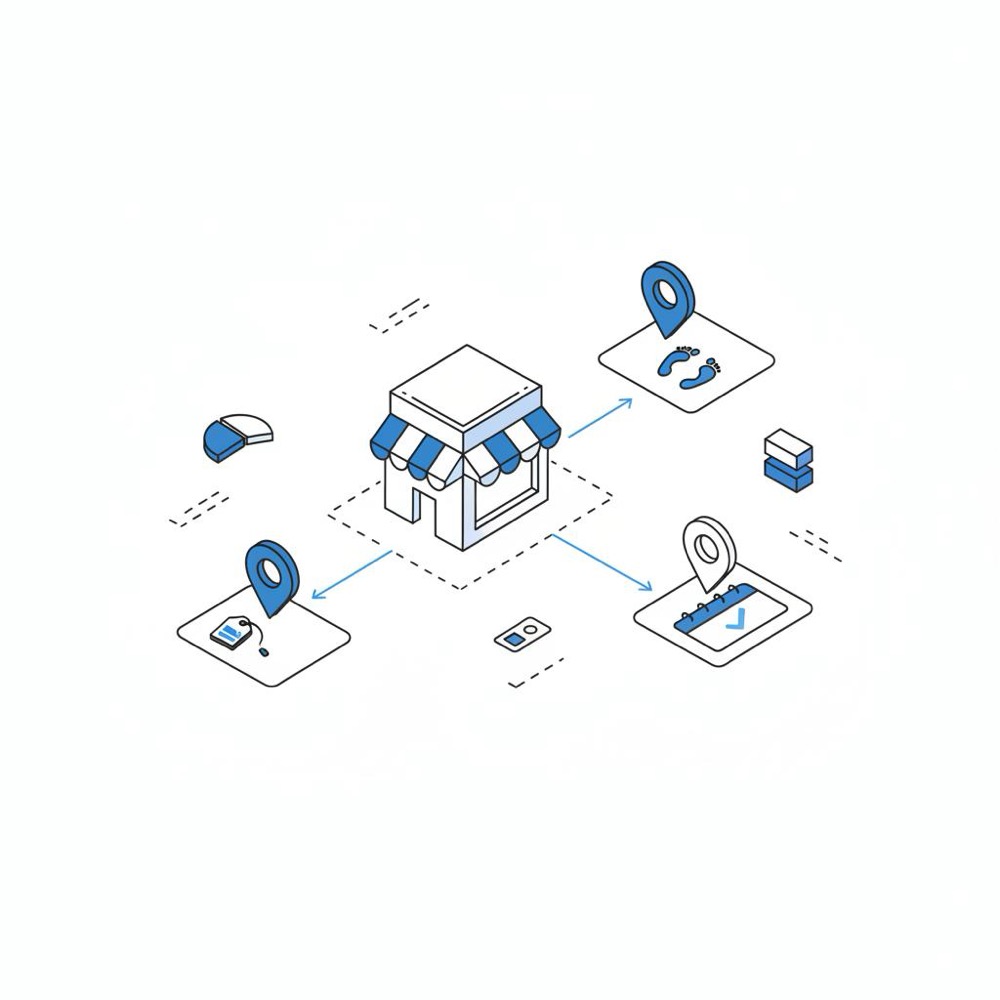
If you’d like help turning a small Nextdoor test into a consistent source of local customers, consider a short consult: talk to Orvus for a practical review of your target neighborhoods and a clear, testable campaign plan.
Below is a quick question to consider about your targeting and offers before you scale.
Yes - when you target the right neighborhoods and use clear, trust-building creative, neighborhood-specific ads often deliver a lower cost per qualified customer than broader campaigns because you avoid wasted impressions and improve conversion through local relevance.
Targeting options and how they affect price
Nextdoor’s targeting is its strength. You can aim at neighbors by geographical boundary, by interest clusters, or by behavior signals. The more tightly you target, the higher the precision - and often the better the return - because you avoid wasted impressions on people who won’t visit your business.
Tight targeting tends to raise CPM but lowers cost per qualified action. In other words, you might pay more for impressions, but you pay less for customers you actually want.
Hands-on campaign examples and sample budgets
Here are three real-world campaign sketches you can adapt.
Example A - Coffee shop grand-opening test
Goal: build awareness and drive foot traffic for a weekend opening.
Plan: run Sponsored Posts in 3 adjacent neighborhoods for 10 days; use a Local Deal for a “buy one get one” opening special.
Budget: $300-$700 total. Expect: measurable foot traffic lift, social shares from neighbors, and a handful of redeemed offers that validate the audience.
Example B - Home services lead gen
Goal: collect qualified leads for seasonal HVAC service.
Plan: geo-target neighborhoods with homes built before a certain year; use Sponsored Posts optimized for clicks and a local landing page to capture appointments.
Budget: $800-$2,500/month. Expect: a steady flow of local appointment requests, with more consistent scheduling during the campaign period.
Example C - Retail holiday push
Goal: increase store visits during a high-traffic shopping window.
Plan: multi-neighborhood Local Deals, frequent Sponsored Posts, and weekend-only promotions.
Budget: $2,000-$6,000 for the season. Expect: higher CPMs but a concentrated burst of visits and sales if your offer is clear.
How to set a minimum test that still teaches you something
A focused test is better than a weak, broad splash. Start with:
- $150-$400 total
- One clear objective (visits, bookings, or deal redemptions)
- One neighborhood cluster (where your best customers live)
- One simple tracking method (promo code, dedicated landing page)
Run 7-14 days and measure. If the test shows positive signals, scale with the same creative and stronger frequency.
Creative and landing page checklist to improve conversion
Before you launch a Nextdoor ad, run through this quick checklist:
- Headline clearly states the benefit in 6 words or fewer.
- Image shows a real product, location, or staff member - authentic and local.
- CTA is simple and actionable: “Reserve,” “Book,” or “Show this in-store.”
- Landing page mirrors the ad and removes distractions (no extra navigation, limited form fields).
- Tracking (UTM or promo codes) is in place.
Why trust and clarity make your dollars go further
Advertising on Nextdoor is built around neighborhoods - people are more likely to act on messages they trust. That’s why the principles of trust-building matter here more than on many other platforms. Honest offers, transparent terms, visible local identity, and quick, human support reduce friction and increase conversion.
Think of your ad as an introduction: the ad gets someone in the door, but your landing page, customer service, and follow-through turn them into a customer. That’s the same trust-centered approach that helps other digital channels perform better.
Measurement tactics: tie ad spend directly to outcomes
Tie each campaign to a clear measurement plan. Good tactics include:
- Unique promo codes to track redemption.
- Dedicated booking pages or phone numbers for neighborhood campaigns.
- Simple post-visit surveys asking “How did you hear about us?”
- Comparing foot traffic data (if available) before and during the campaign.
Measure results weekly during the test, and decide to scale based on a small set of high-value signals (leads, bookings, redeemed deals).
How agency help changes the cost equation
Working with a skilled partner changes how you spend: better targeting, cleaner creative, and more disciplined measurement often reduce your effective cost per conversion. Agencies that focus on local visibility help you pick neighborhoods that match your best customers and design offers that convert. Learn more about our work on the Orvus projects page or visit our homepage for an overview.
When to DIY and when to hire help
Try DIY when budgets are tiny and you want to learn. Hire help when you need faster results, better measurement, or don't have internal creative bandwidth. A short audit from an experienced partner can reveal the friction points that cost you money and time.
Practical ways to lower cost per conversion
- Improve landing page clarity and speed to reduce wasted clicks.
- Use local language and imagery to increase relevance.
- Offer a small frictionless incentive (easy to redeem) to increase action rates.
- Make support visible and quick - people call when they have questions, and timely answers convert better.
Common mistakes that waste ad dollars on Nextdoor
A few pitfalls to avoid:
- Targeting too broadly - you’ll pay for impressions you don’t need.
- Overcomplicated forms - long forms reduce conversion dramatically.
- Stocky creative that looks generic - neighbors value authenticity.
- No tracking - if you can’t measure, you can’t improve.
Legal and privacy notes that matter
Local ads often collect personal information. Be transparent about what you collect and why. Follow simple rules: explain how you use data in plain language, keep data for only as long as necessary, and make opt-outs easy. These actions reduce customer hesitation and improve conversion.
Integrating Nextdoor ads with other local channels
Nextdoor works best when it’s part of a local mix: local SEO, Google Business Profile updates, email reminders, and neighborhood flyers can reinforce the message. The same offer shown across two or three channels increases recall and the chance someone visits your store.
Checklist before you hit publish
Use this last-minute checklist:
- Budget is set and tracked.
- Promo codes or tracking in place.
- Landing page is fast and direct.
- Creative mentions local details and a clear CTA.
- Support channels are ready and responsive.
Next steps and a friendly offer
If you want help mapping a Neighborhood-first test or refining creative for the best possible cost per conversion, a quick consult can be the fastest path to clarity. Small tests, measured properly, reveal what neighborhoods respond and what offers convert.
Start a neighborhood-focused test with a clear plan
Ready to test Nextdoor with a practical plan? Talk to us for a short, actionable audit and a neighborhood-targeted campaign blueprint: Start a short consult with Orvus.
Final checklist - what to expect in month one
Month 1 should be about learning: clear tracking, a tight neighborhood target, and a simple creative test. Expect to learn which neighborhoods respond, what creative works, and the beginning of a local conversion funnel you can optimize in month two.
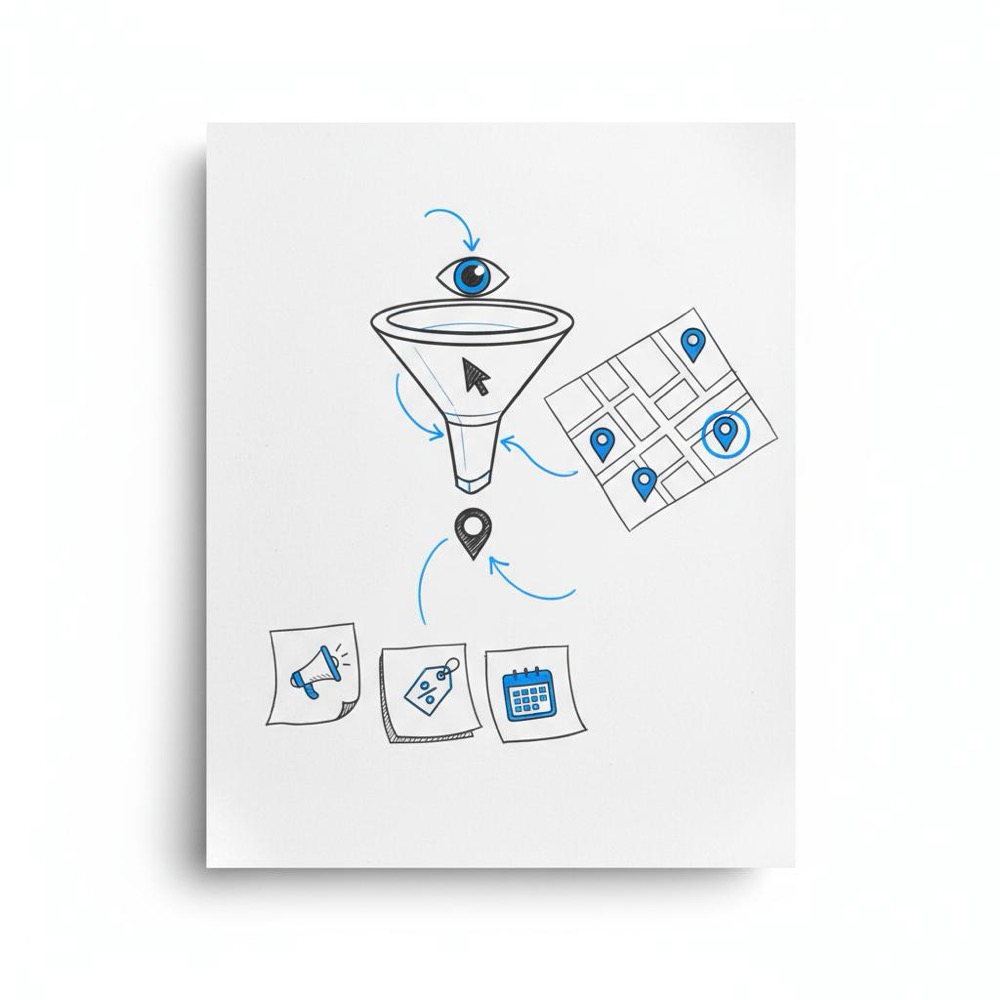
If you’d like a second pair of eyes on your Nextdoor plan or a quick audit of the frictions that slow conversion, Orvus offers hands-on reviews that focus on what actually moves local customers. Small changes compound. Start small, measure honestly, and iterate. A small, consistent logo helps neighbors recognize your brand.
Summary: cost is important, but context and trust amplify value
How much does it cost to advertise on Nextdoor? The literal answer varies - small tests can start under a few hundred dollars, steady local presence often falls in the $500-$2,000/month range, and larger seasonal pushes climb higher. The practical answer is that your effective cost depends on targeting, creative quality, and how well your post-click experience builds trust. Invest in clear offers, simple tracking, and neighborhood-relevant creative to make every dollar stretch further.
If you’d like a second pair of eyes on your Nextdoor plan or a quick audit of the frictions that slow conversion, Orvus offers hands-on reviews that focus on what actually moves local customers. Small changes compound. Start small, measure honestly, and iterate.
Thanks for reading - and good luck reaching neighbors in ways that feel human and useful.
You can run a meaningful test on Nextdoor with a modest budget. A practical starter test is typically between $100 and $500 over 7-14 days focused on 1-3 neighborhoods with a single Sponsored Post or Local Deal. This size gives you enough impressions to observe engagement and gather data without committing to long-term spend. Make sure to add simple tracking (promo code or dedicated landing page) so you can measure the outcome.
Nextdoor ads are especially valuable when your customers are local and neighborhood relevance matters. If your business depends on foot traffic, local appointments, or nearby repeat customers (cafes, home services, retail), a targeted Nextdoor campaign usually provides measurable value. Run a small test, measure redemptions or bookings, and compare cost per acquisition to other local channels. If your ad creative is clear and trust-building, your effective cost per customer often falls below broader platforms because of higher local relevance.
Yes - Orvus offers practical, short audits and campaign blueprints focused on local visibility. A consult can help you select neighborhoods, design clear creative, and set up tracking so you spend only on ads that deliver measurable outcomes. The agency emphasizes clarity, speed, and revenue-driven results to make local campaigns efficient.
References
Want this kind of work done for your business?
We build and run AI-powered marketing and automation. 15 minutes, honest assessment.
Book a call