 Orvus
OrvusDoes Ahrefs have hidden fees?
December 10, 2025
Does Ahrefs have hidden fees? What teams should really watch
Does Ahrefs have hidden fees? It’s the question every account owner quietly asks when the bill arrives after a heavy reporting month. The short answer: not in a sneaky, malicious way - but many users feel surprised because Ahrefs enforces multiple limits and treats some heavy-use features, like API access and large exports, as separate, metered lines. This guide walks you through what triggers extra costs, how those costs are applied, and clear, practical steps to stop surprises before they hit your budget.
Quick note: If you need a second opinion on your usage profile before you talk to sales, consider an expert review. Orvus Ltd. helps teams translate usage into questions and cost scenarios so vendor conversations are precise and productive. See Orvus' services at Orvus' services.

Why the question “does Ahrefs have hidden fees?” comes up
The platform lists clear plans and limits (see Ahrefs plans & pricing), but there are two practical reasons teams feel surprised: (1) several high-impact capabilities are metered or sold separately, and (2) exceeding certain structural limits often blocks actions rather than producing a neat overage charge. Put simply, the interface gives a defined bundle, and how that bundle behaves when pushed depends on policy - which is sometimes only fully visible in the contract or help center.
Two types of extra costs to plan for
Think about extra costs as either predictable scaling or accidental overruns. Predictable scaling is when you know you’ll grow next quarter and can budget for a higher tier, more seats, or API credits. Accidental overruns are sudden: a one-off mega export, an enormous site audit, or an unplanned spike in tracked keywords. Both are common; both are manageable if you plan.
Where extra charges are most likely to come from
1. API access and credits
Does Ahrefs have hidden fees most commonly in the shape of API pricing. In practice, heavy programmatic access - daily pulls into a BI system, automated backlink checks, or large, scheduled exports - is frequently treated as a separate product line. Vendors often meter API usage with credits or per-row pricing. If your team scripts repetitive lookups, assume the API will be an extra line item unless you have a written agreement to the contrary. For background on how others compare API approaches, see this roundup of Ahrefs API alternatives.
2. Site Audit crawl credits
Large crawls burn audit credits fast. Many plans limit monthly crawl volume; when you exceed that, the platform may stop crawling until you upgrade or buy extra credits. That’s operationally different from a modest overage fee - it can halt your QA process mid-release if you’re not prepared.
3. Rank Tracker and tracked keywords
Rank tracking often has a defined slot count per plan. If you approach the limit, Ahrefs may disallow adding more keywords rather than charge automatically for extra slots. That behaviour creates a workflow risk rather than a bill shock - but it still feels like an unexpected cost because you must either upgrade or remove lower-value keywords.
4. Export row limits
Export limits can bite when you need large datasets for analysis or reporting. Some plans restrict rows per report; others limit monthly export volume. If your reporting strategy relies on full data dumps, either budget for higher export allowances or design a reporting approach that uses sampling or segmented exports.
5. Seats and user management
Adding seats can be straightforward, but costs add up if every marketer or analyst gets a permanent seat. Consider shared seats for occasional users and reserve seats for power users to reduce recurring spend.
How Ahrefs typically enforces limits (and why it matters)
Understanding whether the platform blocks actions or applies metered overages is crucial. If exceeding a limit results in a hard stop, the immediate effect is operational: your team can’t add more keywords or run audits. If the platform instead allows temporary overages for a fee, it creates a predictable, if sometimes painful, line item. Ask the vendor which approach applies to the limits most relevant to you. For a broader review of Ahrefs' pricing changes and credit-based model see this review.
Realistic scenarios where costs can appear
Example 1: A growing agency signs an intermediate plan, then wins two large clients. Tracked keywords and project counts fill up. If Ahrefs blocks additional keywords, the agency must choose between upgrading or triaging keywords. If Ahrefs bills overages instead, the agency pays for the extra slots. Either way, budget planning requires knowing which response to expect.
Example 2: An e-commerce team needs a quarterly deep export for revenue attribution. The team exceeds rows-per-report limits during that export. The choice: throttle the export, pay for extra export capacity, or use the API - which may itself cost credits. Planning this ahead avoids last-minute scrambling.
Practical playbook: how to prevent surprises
Step 1 - Map your usage
List active projects, keywords per project, audit cadence and site size (pages), export needs, and seats. If you’re an agency, keep client work and internal work separate. This list becomes the baseline for conversations with sales and helps you identify where add-ons will be needed.
Step 2 - Forecast for 3-6 months
Forecast growth reasonably: conservative, expected, and aggressive scenarios. For each, note which plan limits you will hit and whether that will trigger a block or a bill. This gives procurement concrete numbers to authorize and prevents emergency upgrades during critical campaigns.
Step 3 - Monitor usage weekly
Set a weekly check of the usage dashboard. If usage approaches 70-80% of any limit, treat it as a red flag and start planning. A small weekly habit prevents the “we’ve blown the limit” surprise that kills time-sensitive campaigns.
Step 4 - Reduce dependence on add-ons
Prune tracked keywords to those with business impact, segment large sites for targeted audits, and use sampled or segmented exports for many reports. These approaches reduce the need for higher tiers or one-off purchases.
Step 5 - Negotiate with clarity
When you talk to Ahrefs sales or any vendor, come armed with your usage profile and scenarios. Ask for written clarification on: API pricing and credits, whether temporary overages are allowed, the cost of one-off audit credits, and seat pricing mid-term. Don’t accept vague promises from chat agents; get it in writing.
It depends on policy and your contract: Ahrefs may either block the activity until you upgrade or offer a one-off credit purchase. The practical step is to ask the vendor in writing how they treat temporary spikes and budget accordingly; if automation or large crawls are regular, negotiate API or audit credit packs in advance.
Checklist of questions to ask Ahrefs sales/support
Below are direct, practical questions you can use in a sales call or support chat. Keep them handy and paste them into your vendor conversation:
- What is your API pricing model and how are credits defined?
- Does the platform allow temporary overages for rank tracking or do you block additions once the limit is hit?
- How are Site Audit credits defined and can we buy a one-off audit credit for a single large crawl?
- Can seats be purchased in blocks and added mid-term without penalties?
- Are rows-per-report limits strictly enforced on exports, and do you have enterprise options for higher export limits?
How to model costs with scenarios (sample template)
Estimate monthly cost under three scenarios: conservative, expected, aggressive. For each, include the plan tier, extra seats, API credits, and one-off audit/export credits. Below is a simple example you can adapt:
Conservative: current tier, +0 seats, +0 API credits, segmented audits - expected monthly variance: small.
Expected: next-tier upgrade in month 4, +2 seats, small API pack for automated reporting - expected monthly variance: moderate.
Aggressive: additional seat blocks, monthly API credits for daily exports, occasional large audit credits - expected monthly variance: material increase; include as line item in OPEX.
Negotiation levers that often work
1) Annual billing discount: Commit to a year if you can predict needs - it lowers cost. 2) Written overage policy: Request explicit contract language about temporary spikes, API credit pricing, and how seat additions are handled. 3) Pre-purchased credit packs: For API or audit credits, ask whether the vendor offers packs at a discount versus ad-hoc purchases.
Operational rules of thumb
If you want quick rules to live by:
- Monitor usage weekly.
- Treat 70% usage as a planning trigger.
- Assign a usage owner responsible for seats, keywords and exports.
- Segment audits and exports to avoid concentrated bursts.
What to do if a surprise bill or block happens
1) Pause non-essential activities that consume the scarce resource. 2) Contact support immediately and ask for an account review - many vendors will provide pro-rated upgrades or temporary credits in good faith. 3) Update your usage map, refine forecasts, and add a buffer to prevent recurrence.
Case study-style examples to illustrate common choices
Agency example
An agency with ten clients may start on a mid-level plan. Growth fills projects and keyword slots. If Ahrefs blocks more tracked keywords, the agency triages or upgrades. If Ahrefs bills overages, the agency pays. The smarter move is to forecast growth and negotiate seat blocks and API credits in advance so the account scales without surprises.
In-house e-commerce example
An e-commerce team with a single large site often fits in one higher-tier plan. Their main risk is large exports for cross-channel attribution. For them, the decision is whether to stitch smaller exports in-house or to budget for occasional large exports or API access.
Why Orvus’ method helps

Orvus Ltd. asks for a compact diagnostic: numbers, audit cadence, export needs, and automation routines. With that profile Orvus builds forecast scenarios and a short list of vendor questions that produce written answers from the vendor. That clarity prevents confusion and turns vendor negotiation into a business conversation.
Practical templates you can use now
Sample email to vendor asking about overages
Use this short email to get written clarity:
Subject: Clarification needed: API credits, audit credits, and overage policy for [Account]
Message: Hi [Name], we’re reviewing our account usage and need written clarification on the following points: (1) API pricing and credit definitions; (2) treatment of temporary spikes in tracked keywords - do you block additions or bill overages?; (3) Site Audit crawl credit definitions and whether one-off credits are available; (4) rows-per-report export limits and enterprise options. Please confirm in writing so we can finalize our annual budget. Thanks, [Your name]
Internal monitoring checklist
Weekly:
- Check usage dashboard for projects, keywords, audit credits, API call volume, and export rows used.
- Flag any resource over 70%.
- Update the usage owner and note any changes in project count or audit cadence.
Sample budget line items to include
- Base plan cost
- Seat block costs (if any)
- API credits (monthly forecasted number)
- One-off audit/export credits (annual buffer)
Answering the core question directly
So, does Ahrefs have hidden fees? The honest answer: not deliberately hidden in most cases, but the combination of multiple limits, separate API pricing, and policy-based enforcement (block vs bill) creates an environment where fees or operational blocks can feel unexpected. The remedy is to map, forecast, monitor, and get written clarification.
Final tactical checklist
Before you sign or renew:
- Map current usage and forecast growth for 3-6 months.
- Ask specific written questions about API pricing, audit credits, export limits, seats and temporary overages.
- Negotiate seat blocks or credit packs if automation and exports are core to your workflow.
- Assign a usage owner and schedule weekly checks.
Three realistic myths - and the truth
Myth: Everything will just be billed as a small overage.
Truth: Some limits block activity instead of billing, which is an operational risk rather than a surprise invoice.
Myth: API calls are free if you’re on a high plan.
Truth: API access is commonly metered separately - treat it as a budget line item if you automate.
Myth: Seats are trivial to add on the fly.
Truth: Seats can be added, but block- or discount-structures vary - negotiate blocks if you expect regular growth.
Final practical thought from Orvus
Orvus Ltd. recommends documenting a usage profile in a shared sheet and asking the vendor for a written mapping of your profile to plan limits. That turns vague worries into concrete numbers and a verifiable vendor response. When the vendor replies in writing, you can model costs under conservative and aggressive scenarios and get procurement approval without last-minute panic.
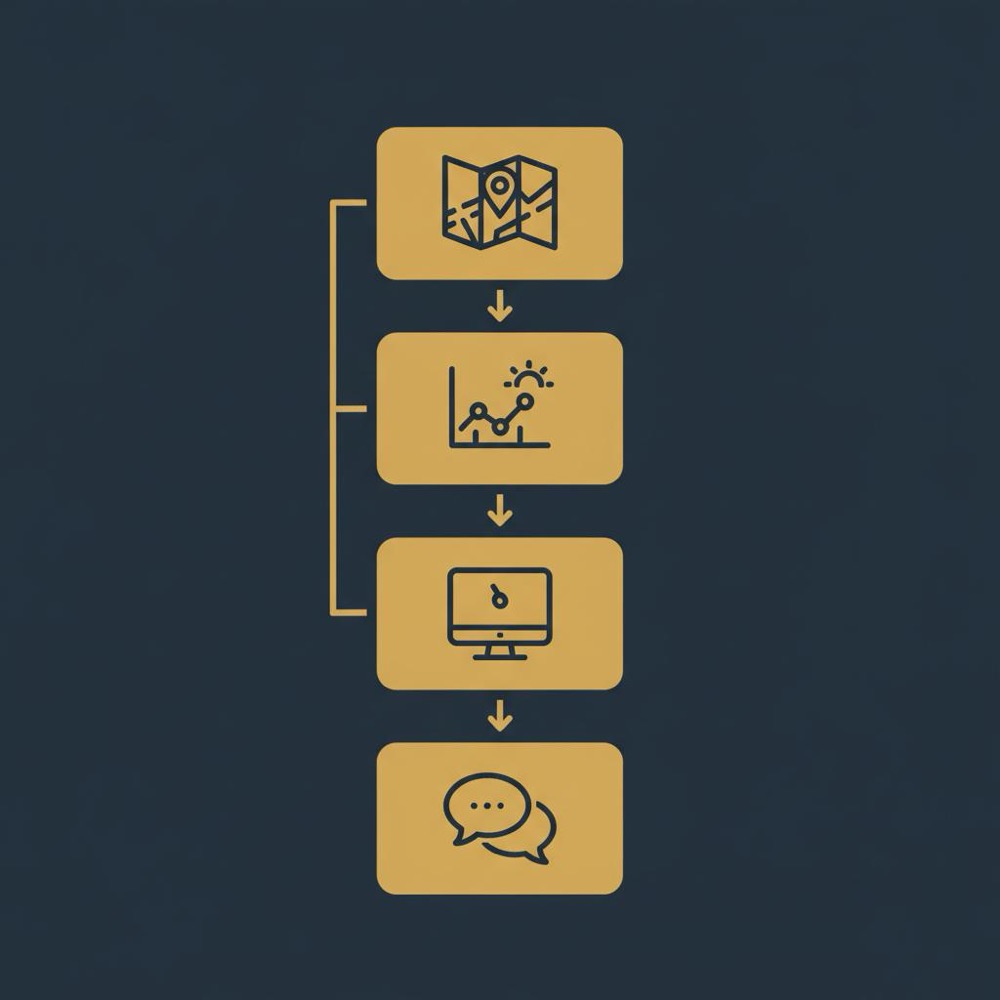
Need a clear plan for Ahrefs costs? Get Orvus' diagnostic.
Want help mapping your Ahrefs usage and negotiating with confidence? Orvus can run a compact diagnostic and prepare the scenario estimates and vendor questions you need to avoid surprises. Learn more about Orvus’ services and book a consultation here.
Closing advice
When asked, does Ahrefs have hidden fees is a useful prompt to run a short, practical process: map, forecast, monitor, and get writing. That habit removes most surprises and keeps your team focused on work rather than billing crises. For more resources and articles, visit the Orvus knowledge hub or learn about the team on the Orvus about page. For a quick link to the Orvus homepage, see Orvus homepage.
API access is often handled separately from base plans. Many vendors, including Ahrefs in typical industry practice, meter API usage with credits or per-row pricing. If your team automates frequent queries, ask Ahrefs for a written explanation of API credit pricing and how many credits common routines consume before you rely on automation for daily reports.
Policies vary: exceeding Site Audit crawl limits or tracked keyword counts can either block the action or require purchasing additional credits or a higher tier. Often the platform prevents further crawls or additions until you upgrade or buy credits, which is an operational risk. Confirm in writing whether your account would be blocked or billed for temporary overages.
Map your current usage, forecast for 3-6 months, and monitor usage weekly. Ask specific written questions to sales about API pricing, audit credits, export limits, and seat pricing. Negotiate seat blocks or credit packs if automation and large exports are core to your workflow, and assign a usage owner to keep an eye on dashboards.
References
Want this kind of work done for your business?
We build and run AI-powered marketing and automation. 15 minutes, honest assessment.
Book a call